

Treating ‘collective traumas,’ northern town of Shlomi looks to bounce back after war
Mayor Gabi Naaman says he expects 95% of residents evacuated due to Hezbollah attacks to return, promising ‘hope and security’ with troops protecting border from inside Lebanon
 Add ToI as a Preferred Source on Google
Reporter at The Times of Israel
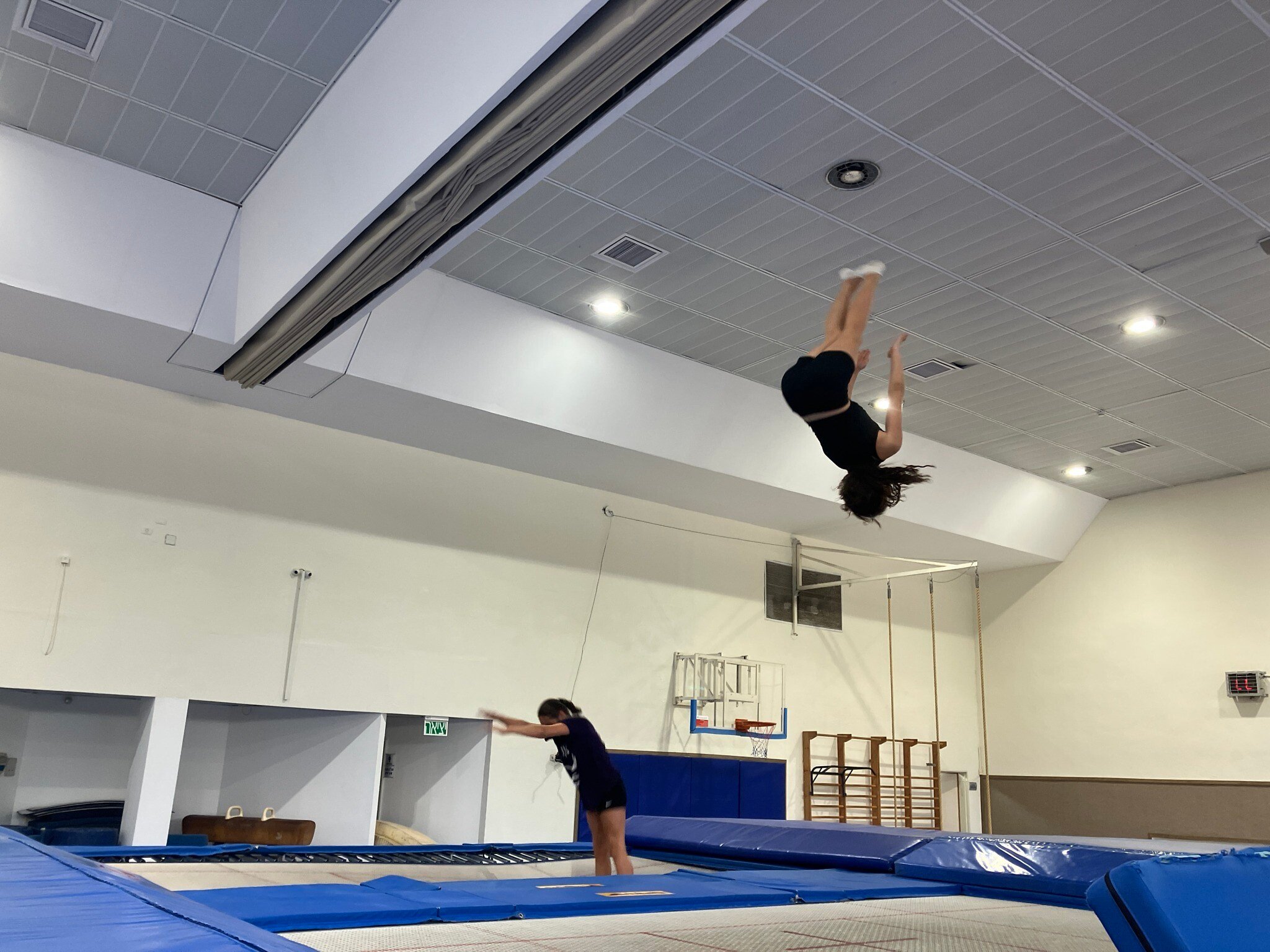
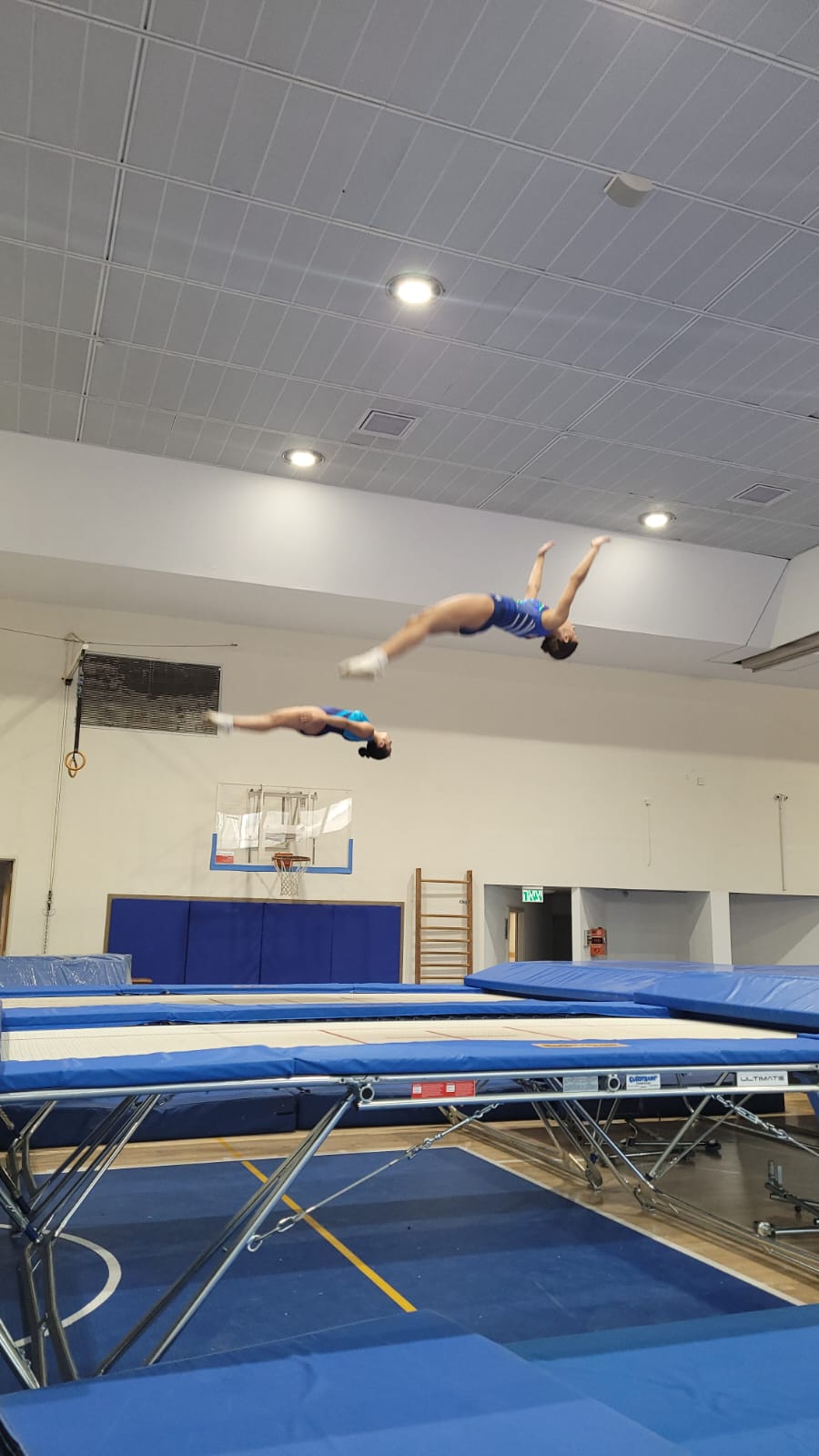
SHLOMI — On a recent Thursday afternoon, three 14-year-old girls took up spots in the bleachers of a gym in this northern border town and waited for their turn to do what they love best: flip, somersault, and perform other aerial feats propelled by the uplifting force of a big, bouncy trampoline.
Einav Albo, Shahar Katzir and Abigail Shalit are among the top trampoline athletes of their age group in the country. After months of bending over backwards to find places to practice their sport due to the rockets and drones that rendered Shlomi uninhabitable, they were finally able to spin and twist at their home gym.
During the war, when Shlomi was evacuated due to attacks from the Lebanese terror group Hezbollah, Einav’s father Aviad Albo, who coaches the girls, held practices in gyms in other parts of the country.
When gyms weren’t available, Albo led exercise classes in bomb shelters. Even as rockets flew, he continued transporting athletes to practices and competitions, lying with the kids on the pavement any time a rocket alert siren caught them on the road.
“It would have been easier to say, ‘See you in two years,’” Albo told The Times of Israel. “But as a coach, I felt it was important to give the kids the idea that even if we’re in the middle of a war, we can still try to achieve our goals.”
City officials said that more than 70 percent of Shlomi’s approximately 7,500 residents have returned since the November 27, 2024, ceasefire ended 14 months of war in the north. In that time, Albo has stepped up trampoline and gymnastics practices and also offers fitness classes to elderly returnees.

More than 8,000 rockets were fired from Lebanon into Israel during the war, along with hundreds of drones and anti-tank guided missiles. The Hezbollah-led attacks on Israel, which began in October 2023, resulted in the deaths of 46 civilians and 80 soldiers until a ceasefire was reached in late November.
In Shlomi, over 420 homes and buildings were damaged as a result of direct hits and blasts. While the gym was not among them, its parquet floor had to be replaced due to the wear and tear from soldiers who used the space for temporary housing.
Today, despite some setbacks during the war with Iran, the town is getting back on its feet, with residents readjusting to life and restoring the sense of community lost when its residents were forced to flee.
Looking up
Shlomi Mayor Gabi Naaman is confident that 95% of residents who left will return by the start of the school year on September 1.
“We’re giving them hope and security,” he said during an interview with The Times of Israel in his office on Thursday.
Part of the reason for that optimism, he said, is the stationing of Israel Defense Forces soldiers on a high ridge looming over the Western Galilee town.
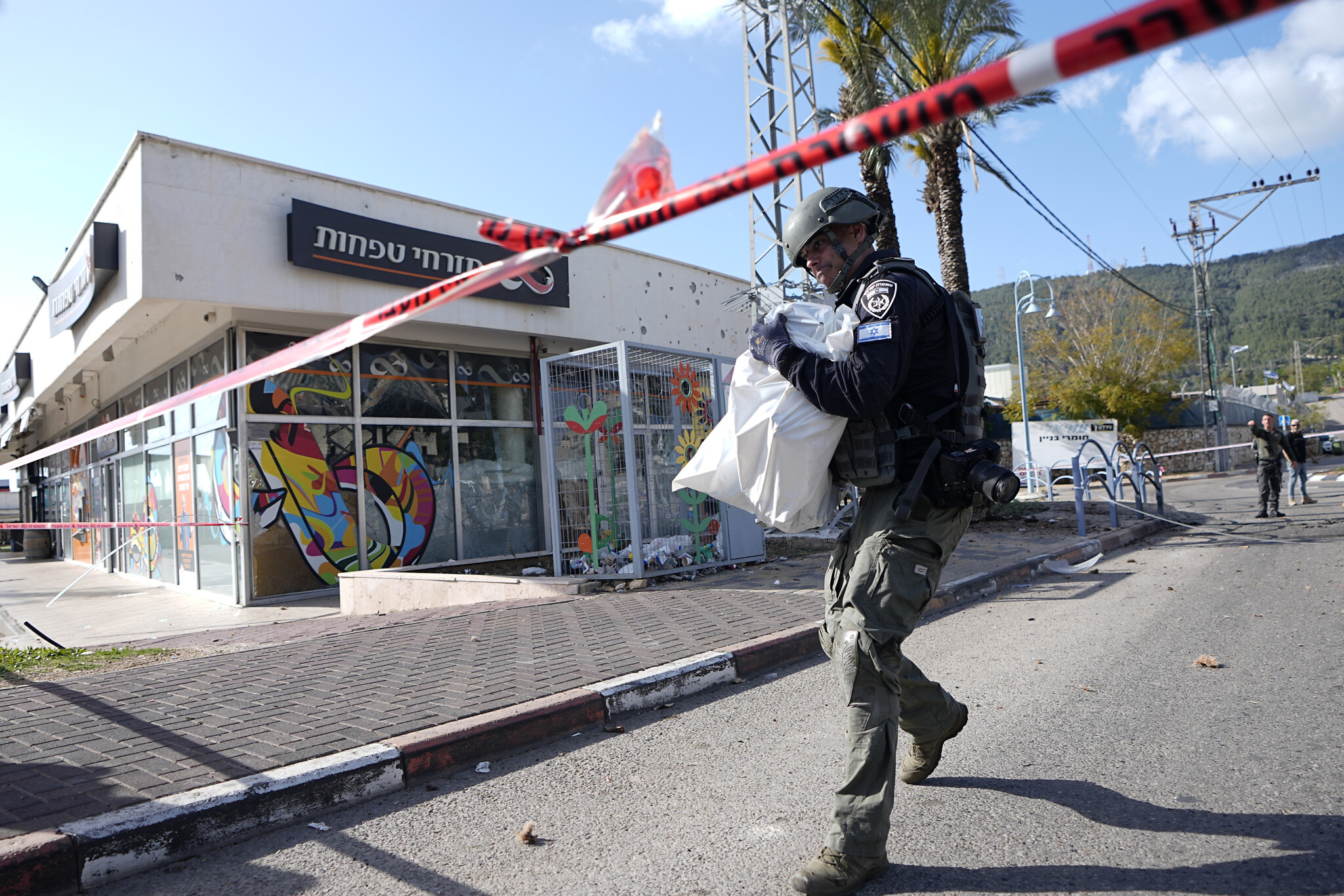
The ridge, which marks the border with Lebanon, sits less than a kilometer from Shlomi. Before the war, it gave Hezbollah an easy vantage point over the town, but today, it is one of five strategic points inside southern Lebanon where Israel is continuing to post troops, ensuring the terror group can’t reestablish its foothold.
In March, Israel and Lebanon held direct talks to resolve long-running issues about 13 disputed points on their shared frontier, which technically remains a ceasefire line. Naaman said he hoped Israel would eventually make a deal to acquire a part of the border that zig-zags down the ridge right up to Shlomi’s front door in exchange for a land swap elsewhere.
Outgoing IDF Northern Command chief Maj. Gen. Ori Gordin recently said that Israeli forces will stay in southern Lebanon “for as long as needed and will provide strong and significant defense for the residents of the north.”
Israeli officials have previously said that the IDF would only withdraw from the five points in Lebanon if Hezbollah disarms, which the group has refused to do.
Israel and Hezbollah engaged in hostilities for over a year after the Lebanese terror group began firing at Israel, unprovoked, in solidarity with its ally Hamas a day after the Gazan terror group invaded southern Israel and massacred some 1,200 people in southern Israel on October 7, 2023.
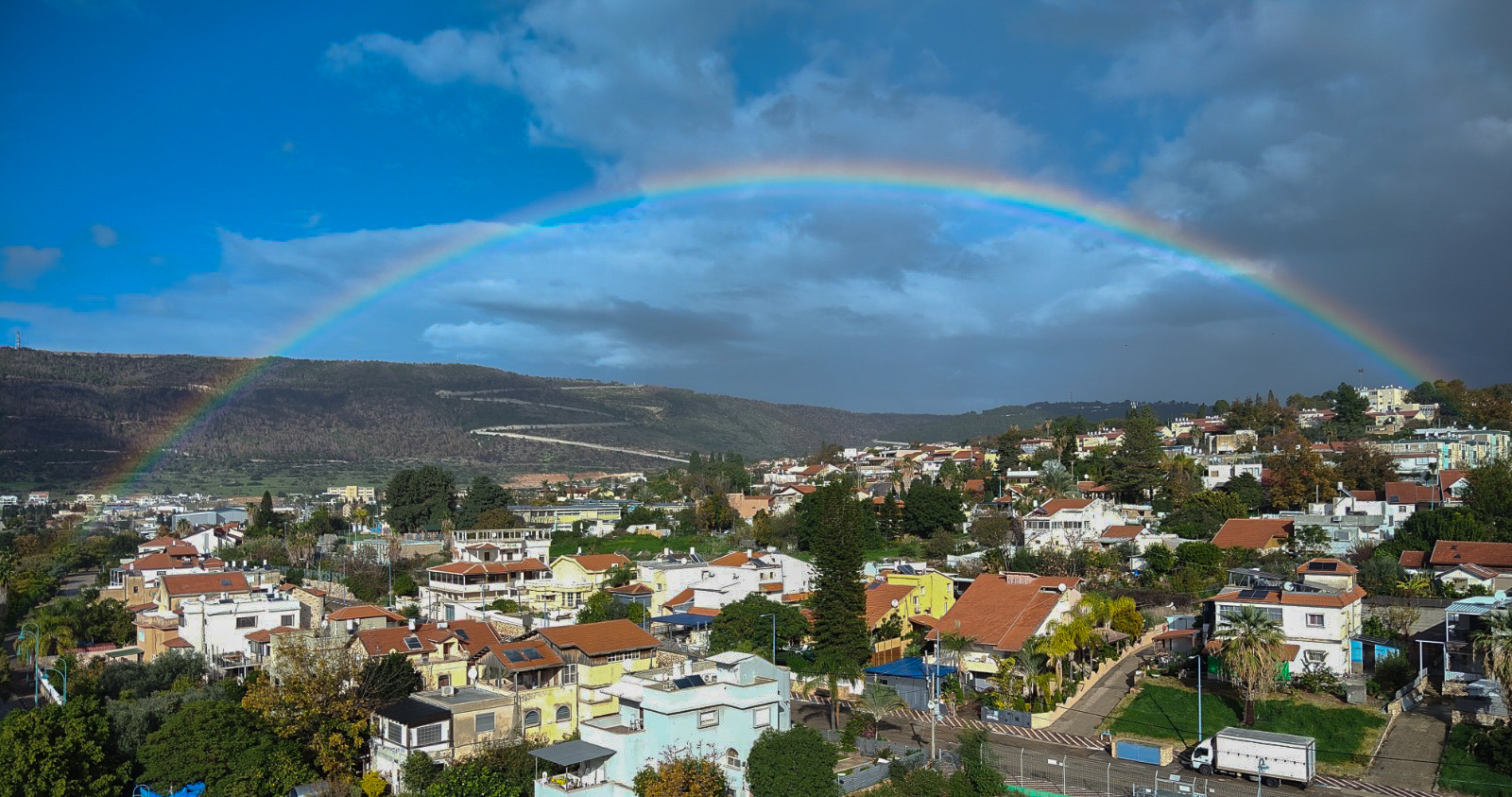
The rocket fire displaced some 60,000 residents of northern Israel, including the residents of Shlomi.
As soon as the residents began returning after the ceasefire, the municipal staff began rehabilitating buildings, including the gym and community center.
To welcome residents back, the town has been offering a host of activities over the summer, including music and street festivals, outdoor movies and enrichment courses for all age groups.
The goal, said Naaman, is for evacuees who had spent the war scattered around the country to become “a community and connect to one another again.”

“We have 200 people coming to folk dancing every week,” he said. “We made sure to open the swimming pool as soon as possible.”
He’s not content with only rebuilding, but also envisions a growing, vibrant Shlomi, pointing to infrastructure already in place to enlarge the community.
There are plans, he said, to double the population to 15,000.
Can you ever go home again?
Despite Naaman’s optimism, Shlomi’s residents have experienced “collective trauma,” said Rotem Ravet Hirsh, an educational psychologist who works with children in the town.
Hirsh said that the residents are not new to living under the threat of Hezbollah rocket fire and infiltrations. Until 2006, the town was occasionally bombarded by Katyusha rockets from over the border; in 2002 terrorists who apparently infiltrated from Lebanon opened fire on drivers just outside Shlomi, killing six.
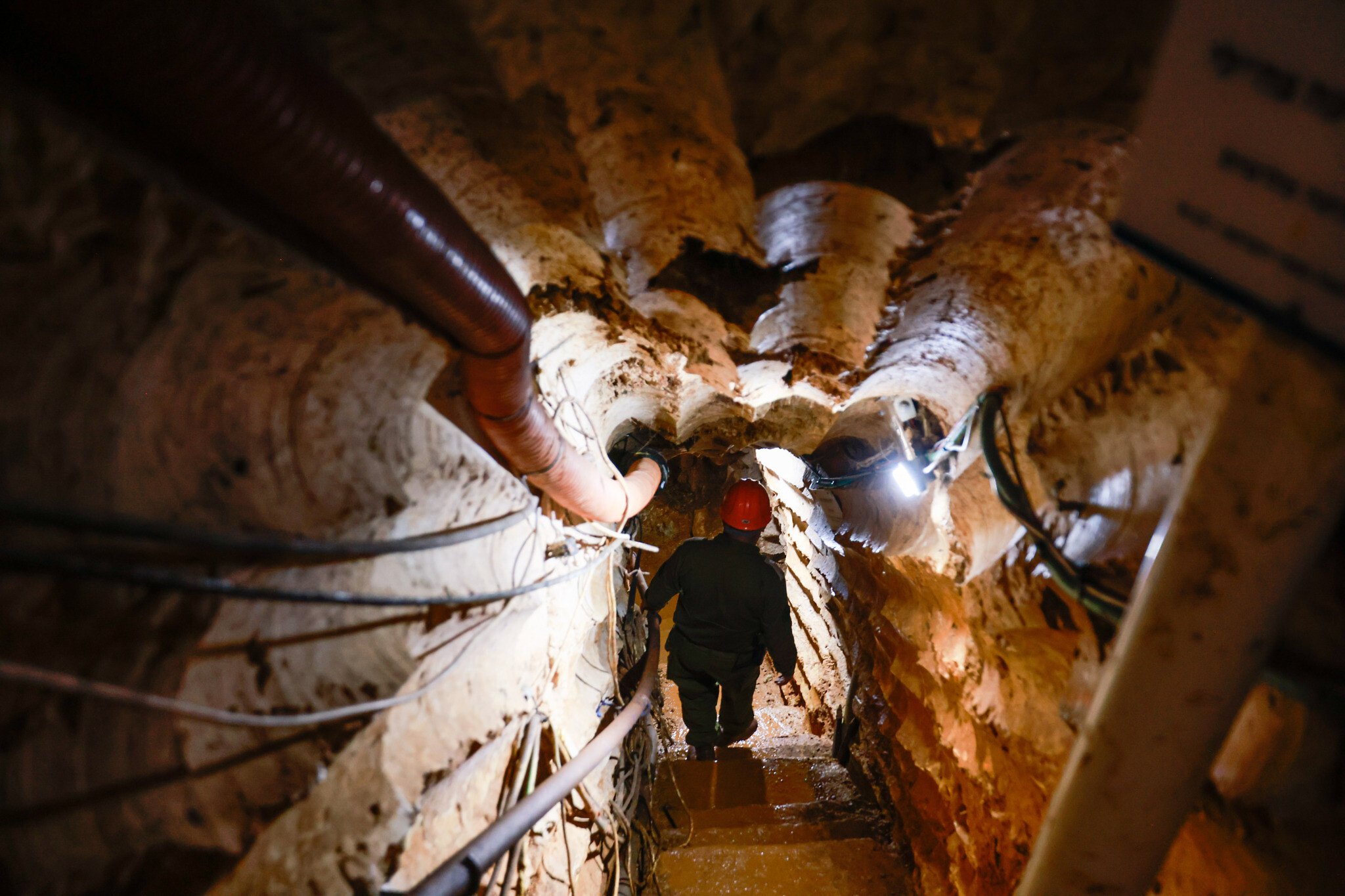
In the intervening years, Shlomi’s security situation has largely rested on the ebb and flow of tensions with Hezbollah; in recent years, there had been widespread fears that terrorists were digging cross-border attack tunnels from which to invade communities near the border, including Shlomi.
“Children knew what was expected of them in emergencies even before October 7,” Hirsh said. “This was their reality.”
As residents trickled back to the town after the ceasefire, children began to readjust to being home. Then came the 12-day conflict with Iran, which saw heavy rocket fire and triggered rocket alarms nationwide. Though Shlomi was not directly affected by the attack, Hirsh says the rocket fire “retraumatized kids all over again.”
“There was a rise in vandalism, suicide attempts and calls from people seeking help for their kids,” Hirsh said.
Since then, the community has banded back together to improve the situation but “it will take time.”
“We’ve been talking about resilience for the past eight or nine years,” Hirsh said. “All the town’s departments have been participating to get people back on their feet. We have experience, and the knowledge to help us to recover.”
Yochai Kamissa, head of Shlomi’s Education Department, said the biggest challenge for both parents and children is coming back to a small town after living in Tel Aviv, Jerusalem and Haifa, where there was more to offer than the small town far from the heart of the country could provide.
“We want to offer more subjects but we don’t have extra money in our budget and Shlomi is far away,” Kamissa said. “Kids saw what there was in other places. You can imagine that it makes it harder to come back.”
Students also learned in different schools where there are different teaching methods, he said. Teachers have to help students adapt. They also have to help fill in the gaps for students who fell behind during the evacuation.
“Children lived in uncertainty for so long, and they will slowly get their confidence back,” he said. “They’re not 100% back to regular, but they’ll be okay.”

Katzir, who was evacuated to Hadera, said she spent four hours every day in transit to get to school, trampoline practice and then back to her temporary home, doing her homework along the way.
Now, the three are back in familiar territory, focused on improving trampoline tricks five days a week. They had an important tip about jumping.
“No pizza before practice,” Katzir said.
The elder Albo walked around the gym, helping younger children run and tumble on floor mats and watching older kids on the trampolines.
“A framework helps children mentally and emotionally,” he said. “The central idea is to give them stable ground.”




The Times of Israel Community.