

Iran official: We have ‘solutions’ for obstacles in nuke talks
Diplomat says Islamic Republic will ‘not show flexibility regarding red lines’ as sides strive to close deal
 Add ToI as a Preferred Source on Google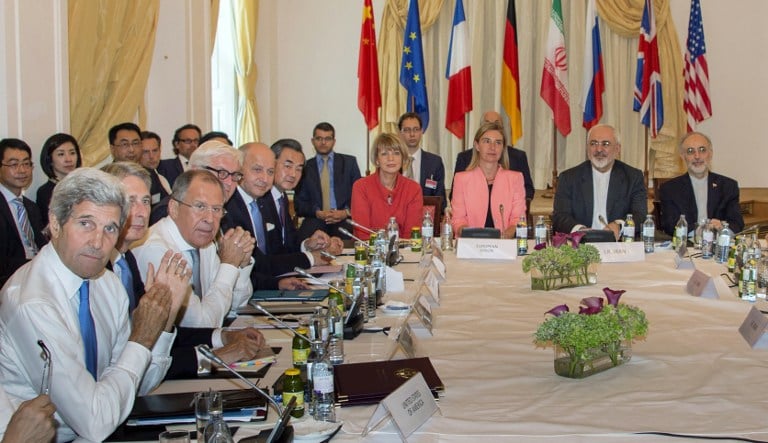
Iran has come up with a series of “constructive solutions” to overcome the remaining obstacles in nuclear negotiations with world powers, an Islamic Republic diplomat was quoted as saying Wednesday.
According to the Iranian student news agency ISNA, the diplomat said that Iran “will not show flexibility regarding [its] red lines,” Reuters reported.
Talks toward a historic nuclear deal between Iran and major powers go into overtime Wednesday after stumbling over what one Western diplomat called “very, very, very tough” remaining issues. Iran and six world powers have effectively given themselves until Friday to reach a deal by extending the terms of a 2013 interim accord under which Tehran has frozen parts of its nuclear program in return for minor sanctions relief.
This is the latest in a string of extensions aimed at ending almost two years of talks to resolve a 13-year standoff with the Islamic Republic after foreign ministers failed to bridge the last few gaps in Vienna last week.
US Secretary of State John Kerry has remained in Vienna with his Iranian counterpart Mohammad Javad Zarif.
Their Russian, Chinese, French and British counterparts — which along with Germany make up the P5+1 group in talks with Iran — had already left. The latter two said they would return to the Austrian capital on Wednesday evening.
Assuming the final accord is submitted to the US Congress by July 9, American lawmakers will have a 30-day review period for any agreement during which sanctions on Iran cannot be waived. Should the deal fail to pass, President Barack Obama will have the right to veto, a power he has vowed to use. To overcome the veto, the deal will need to be rejected in a second round of voting by two-thirds of Congress and the Senate.
Israel, according to a report by Israeli website Ynet late Sunday, intends to use diplomatic pressure to have the deal quashed in the first round in Congress but is also gearing up to double down should that effort fail and Obama uses his presidential veto, to have the deal blocked in the next round.
Sources in Jerusalem assess that the deal will likely be approved in the initial stage, with Congress fearing that any delay could harm US industry as the other world powers rush to resume business with Iran, the Ynet report said. Others believe the deal can be defeated with the right diplomatic work on Israel’s part.
AFP contributed to this report.








The Times of Israel Community.