

Most of Freundel’s victims won’t see justice
While the once prominent DC rabbi pleaded guilty to 52 charges of voyeurism, there are over 100 more barred by the statute of limitations. One victim speaks out
 Add ToI as a Preferred Source on Google
Deputy Editor Amanda Borschel-Dan is the host of The Times of Israel's Daily Briefing, What Matters Now and The Reel Schmooze podcasts, and heads up The Times of Israel's features.
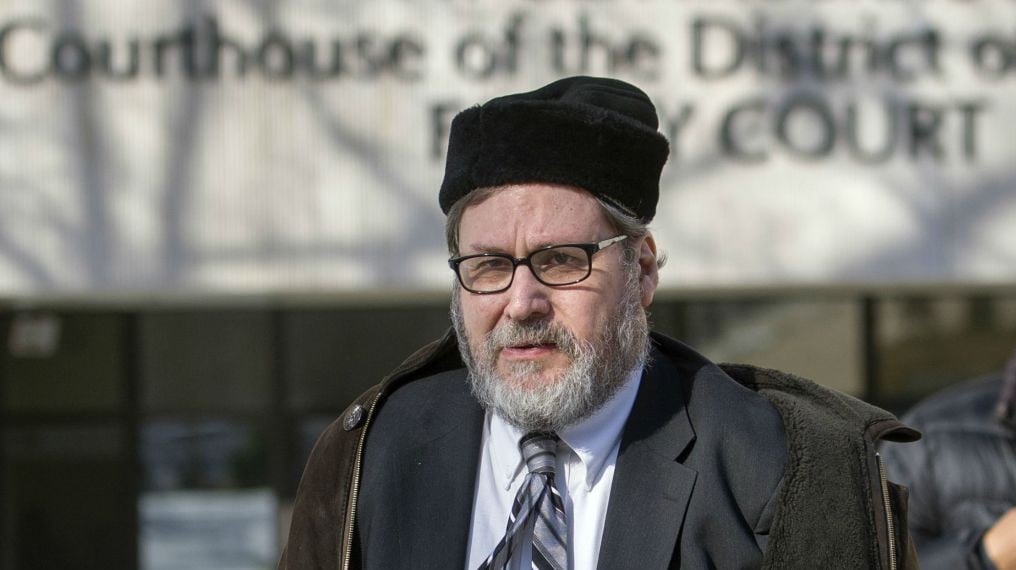
One of the more than 150 victims recorded while undressed on tapes confiscated by police in the possession of Barry Freundel said receiving news the once prominent Washington, DC rabbi pleaded guilty to 52 counts of voyeurism Thursday has been a difficult “rewind” to October.
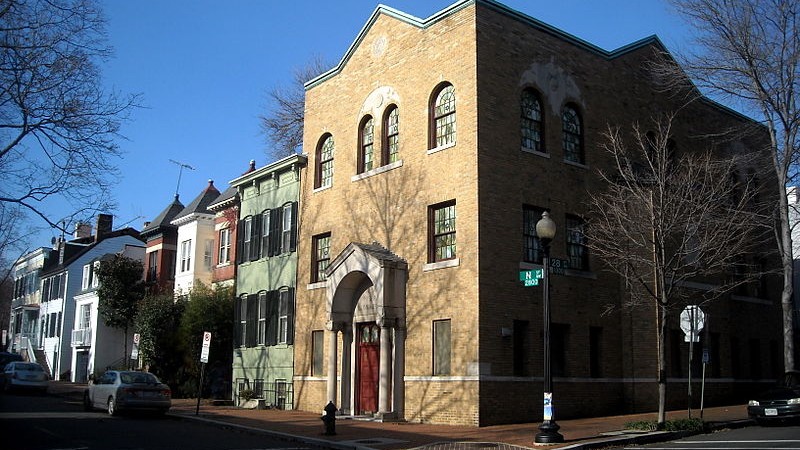
Freundel, who had hidden three cameras in the dressing room of The National Capital Mikvah, the ritual bath adjacent to his Kesher Israel synagogue where he served for 25 years, was arrested in mid-October after synagogue personnel found him suspiciously fiddling with a clock radio.
Freundel was initially charged with videotaping six women while preparing for their ritual bath or mikve immersion. But prosecutors told a closed-door meeting of victims last week he had taped more than 150.
The 52 counts of voyeurism carry a maximum sentence of 52 years in prison. The sentencing hearing is scheduled for May 15.
However, for most of these over 150 taped women, including Bethany S. Mandel, who has emerged as something of an unofficial victim spokesperson, the statute of limitations has run out and their only recourse for justice would be a civil suit. Mandel, who wrote the massively shared “A bill of rights for Jewish converts” on The Times of Israel’s blog platform, wrote in January she does not intend to sue.
“I would like to move on… there’s no winner in this,” Mandel told The Times of Israel Thursday following Freundel’s pleas.
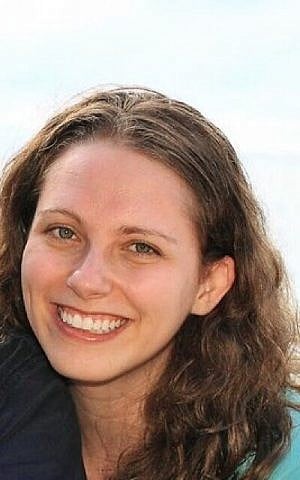
Mandel was taped by Freundel, a leading member of the Rabbinical Council of America’s conversion courts, on two occasions. In October 2010 while taking a “practice dunk” — an irregular practice used by Freundel on his potential converts — and on the day of her conversion in June 2011.
“That second one stings a lot more than the first,” wrote Mandel, who converted to Orthodox Judaism, but was raised in the faith by her Jewish father and non-Jewish mother.
What stings even more, Mandel said, is Freundel “not being held accountable for what he did to me because it’s outside the statute of limitations. It is another punch in the gut.”
The ripple-effect ramifications of the Freundel scandal have not abated for those he converted. Although within a week both the Orthodox RCA and Israeli chief rabbinate stated they would accept Freundel’s conversions, during those few days Mandel and her husband, the parents of one child with another on the way, feverishly explored every possibility of a quick reconversion.
Mandel remembered the angst of knowing that her life as a Shabbat and Kashrut observant Modern Orthodox woman, who doesn’t cover her hair and who wears pants, would be unpalatable to many who sit on conversion courts.
‘It’s a disgusting situation for the Jewish people’
And if Mandel would need to reconvert, then her daughter would be haunted by it her whole life — something she had sought to avoid by undergoing a strict Orthodox conversion.
Those days of uncertainty are not universally in the past for all Freundel victims.
A Mandel friend was told recently by a matchmaker that she doesn’t consider the friend’s conversion as valid and will not work with her.
“I told her, this random woman’s opinion doesn’t matter, but it makes her feel like she’s not Jewish,” said Mandel.
“It’s a disgusting situation for the Jewish people,” said Mandel. “You either accept converts, or you don’t, but you don’t treat people like this.”
Mandel, unlike the vast majority of Freundel’s victims, has been prominently featured in the press.
“I think it’s important for people to have a face and a name and a quote, not just this juicy story,” she said. She added she obviously completely understands why most victims do not speak out.
Mandel said that while she is frustrated with the lack of communication from the prosecutors’ office — citing “hearing things for the first time that people shouldn’t read on Twitter” and not getting answers to questions — she is grateful of the “professional” and “respectful” treatment she has received from the Kesher Israel lay leadership.
Kesher Israel released a statement Thursday following Freundel’s hearing.
“The scope and duration of these horrible crimes are still hard to completely comprehend. While the guilty plea is a difficult moment for our community and for individual victims of these crimes, Kesher is grateful for the diligent work of the Metropolitan Police Department and the team at the U.S. Attorney’s Office in handling this matter.
“Despite this great betrayal by Rabbi Freundel and our communal pain, we have seen a community that has come together and whose members have leaned on one another for support. As we move forward, we will continue to grow stronger.”







The Times of Israel Community.