

US Congress to vote on Russia sanctions, tying Trump’s hands
White House indicates support following revisions to bill, which also targets Iran, North Korea
 Add ToI as a Preferred Source on Google
WASHINGTON — The US Congress is poised to approve tough new sanctions on Russia, Iran and North Korea this week after reaching a compromise deal, which the White House indicated Sunday it could support.
In mid-June, the Senate overwhelmingly passed tough sanctions on Moscow and Tehran, but the text stalled in the House of Representatives, until agreement was reached on Saturday.
The House is now set to vote Tuesday on a bill that targets Russia — for its alleged meddling in the 2016 presidential election and its annexation of Crimea — as well as Iran and North Korea, for its recent ballistic missile tests.
Initially, Trump resisted the legislation, which would prevent him from unilaterally easing penalties against Moscow in the future — effectively placing him under Congress’s watch.
But faced with near-total consensus among Republican and Democratic lawmakers, the White House blinked.
“We support where the legislation is now, and will continue to work with the House and Senate to put those tough sanctions in place on Russia until the situation in Ukraine is fully resolved,” new White House press secretary Sarah Huckabee Sanders told ABC’s “This Week” news program.
“The original piece of legislation was poorly written,” she added.
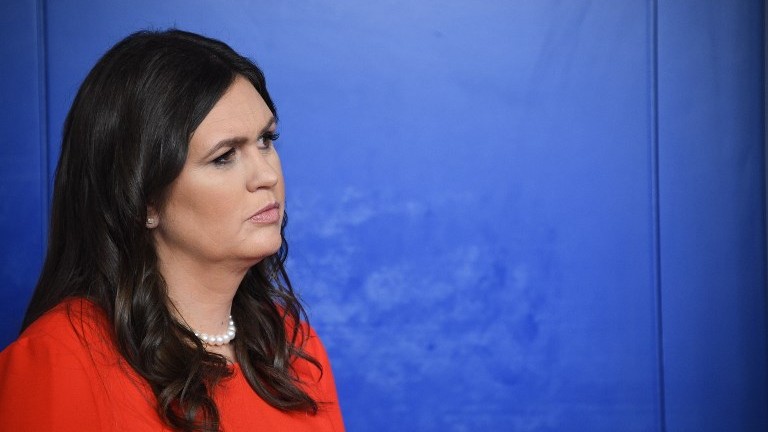
Her boss, communications director Anthony Scaramucci, said it was still up to Trump whether to sign the measure into law.
“My guess is that he’s going to make that decision shortly,” Scaramucci told CNN, introducing a bit more doubt as to Trump’s intentions.
Even if Trump were to oppose the measure, Congress could overturn it with a two-thirds majority of both houses.
“If he vetoes the bill, we will override his veto,” Democratic Senator Ben Cardin (Maryland) told Fox News Sunday.
Once the House approves the compromise bill, the Senate will vote again, likely before the summer recess begins in August.
In Europe, the unilateral move by the US Congress does not sit well.
A spokeswoman for the European Commission said the draft legislation appeared to be “driven primarily by domestic considerations.”
“Sanctions are at their most effective when they are coordinated. Currently our sanctions regimes are coordinated,” she added, expressing concern that any new US measures could have “unintended consequences.”
House Republican Majority Leader Kevin McCarthy (California) alluded to those concerns, saying the text, which has not yet been made public, would “help bolster the energy security of our European allies by maintaining their access to key energy resources outside of Russia.”







The Times of Israel Community.