

3 years of war: Data shows IDF hit 100,000 targets as 31,500 projectiles fired at Israel
In Gaza, military says it has killed 4 Hamas chiefs, established 40 new outposts; reserve army expands by 36%; 30,000 security personnel treated by Defense Ministry rehab center
 Add ToI as a Preferred Source on Google
Emanuel (Mannie) Fabian is The Times of Israel's military correspondent
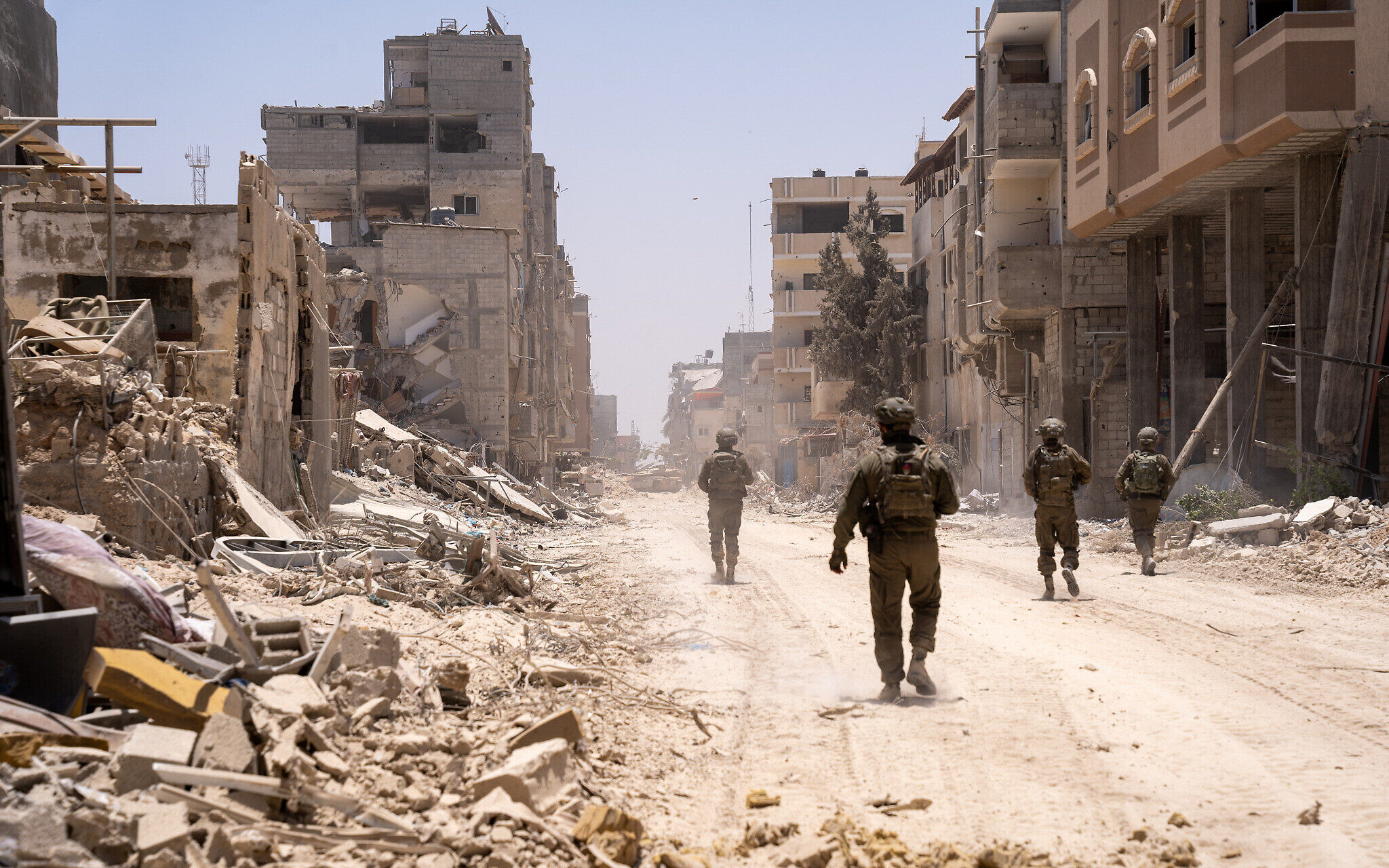
As the country marked the passage of three years since the onset of the multi-front war on October 7, 2023, the Israel Defense Forces on Wednesday published new data about its operations on all fronts, from the number of rockets fired at Israel to the number of sites struck by the military.
The Gaza war began with the Hamas-led invasion in southern Israel, during which terrorists rampaged through communities, an outdoor rave and military bases, massacring some 1,200 people, mostly civilians, and abducting 251 to the Strip.
Israel responded with a military campaign to topple the Hamas regime in the Gaza Strip, destroy the terror group and free the hostages. The day after the Hamas assault, the Iran-backed Lebanese terror group Hezbollah began attacking along Israel’s northern border, saying it was acting in support of Gaza, a conflict that later escalated to all-out war. Israel also engaged in several rounds of fighting directly against Iran over the past three years, including major 12-day and 40-day wars in 2025 and earlier this year, respectively. Iran’s proxies in Yemen and Iraq also attacked Israel amid the fighting.
The fighting has largely subsided since an October 2025 ceasefire in Gaza, an April ceasefire in Iran, and a June truce in Lebanon.
In all, since the start of the war, the Israeli military said it has carried out strikes on approximately 100,000 targets, including 65,000 in the Gaza Strip, 28,000 in Lebanon and Syria, 4,500 in Iran, and 80 in Yemen.
The war between Israel and Hamas has killed over 74,200 people in Gaza, including more than 1,400 since the October 2025 ceasefire, according to the Hamas-run health ministry, although the toll does not differentiate between combatants and civilians. The Israeli military believes that Hamas’s overall toll is largely accurate, with IDF officials estimating that two to three civilians were killed for every dead terror operative.
The IDF has said that it has killed over 24,000 combatants in Gaza and another estimated 1,600 terrorists inside Israel during the October 7 onslaught.
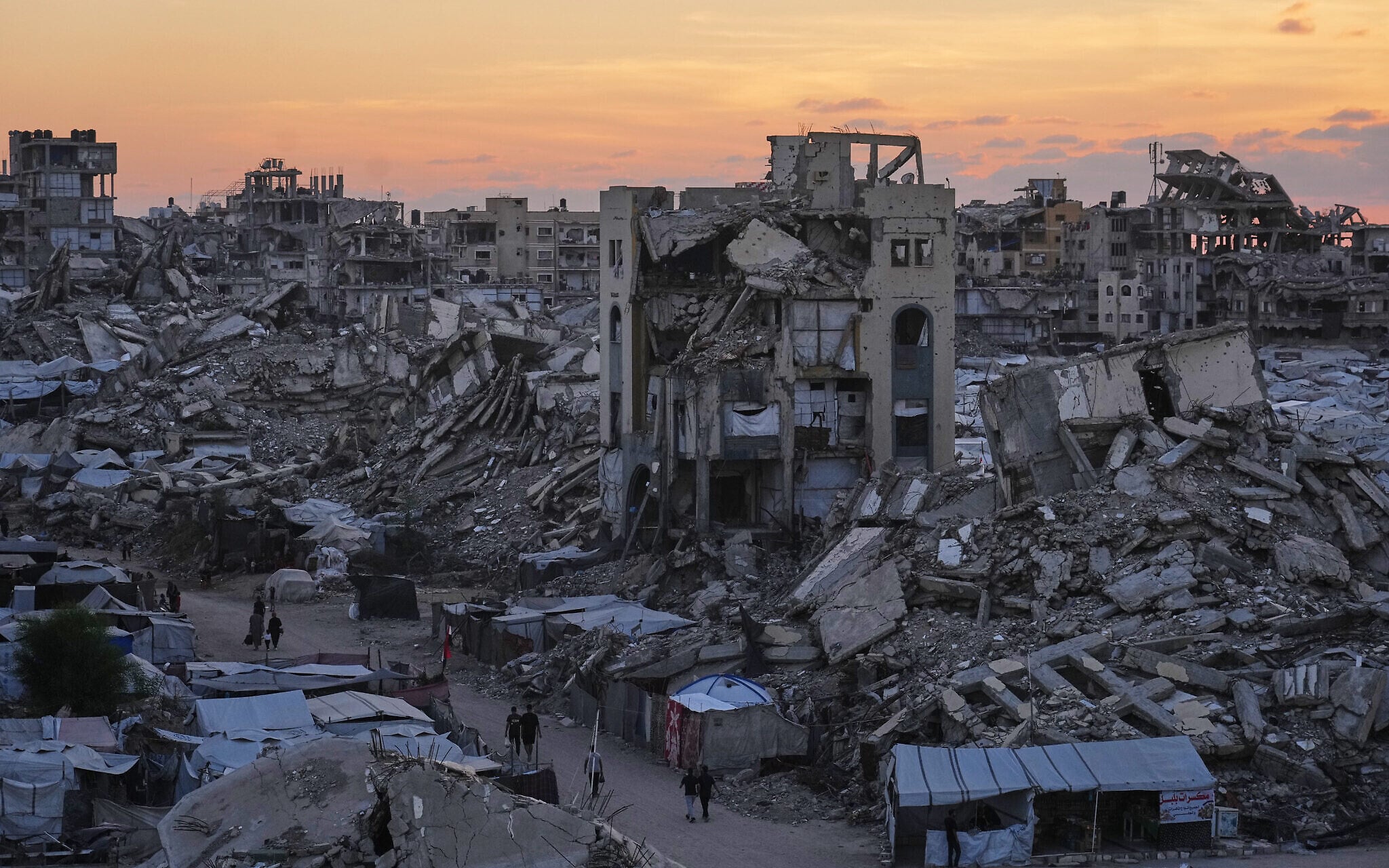
The IDF’s data said that since the October 7 attack, the military has killed four leaders of Hamas’s military wing, 17 brigade commanders and those of an equivalent rank, some 30 battalion commanders, and some 300 company commanders.
The IDF has assessed that Hamas is no longer the military and governing organization it was before October 7, but said the terror group “continues attempts to rebuild and rearm.”
Gaza remains bisected into Israeli- and Hamas-controlled areas, and talks to bring about Hamas’s disarmament and the territory’s reconstruction have made only limited progress.
Israel has expanded its control in the Strip amid the ceasefire, from an initial 53% to around 63% currently. The IDF also now maintains some 40 army posts in the Israeli-held portion of the Strip.
In the West Bank, since October 7, the IDF said troops have arrested more than 45,000 wanted Palestinians for questioning, including terrorists planning imminent attacks. More than 1,100 Palestinians have been killed in the territory by Israeli forces or settlers since the war started, according to the West Bank-based Palestinian Authority health ministry. The IDF has said the vast majority of them were gunmen killed in exchanges of fire, rioters who clashed with troops, or terrorists carrying out attacks.
Also in the West Bank, the IDF said troops had seized more than 3,800 weapons, as well as NIS 46 million ($15.1 million) in cash intended for terrorism.

Since the beginning of the war, over 31,500 rockets, missiles, and drones have been launched at Israel from multiple fronts, according to the IDF’s latest data.
The numbers included 10,200 projectiles fired from Gaza — at least 5,000 on October 7 alone — 20,000 from Lebanon, around 50 from Syria, 90 from Yemen, and 1,200 from Iran. The IDF did not detail how many drones and missiles had been launched from Iraq at Israel amid the war.
The figures did not include rockets — said by Israel to be in the thousands at minimum — launched by Gazan terror groups that misfired and landed in the Strip, those launched by Hezbollah that landed short in Lebanon, and ballistic missiles launched by Iran that failed to reach Israel.
Casualties and reserve duty
A total of 970 soldiers, reservists, and local security officers have been killed, and another 6,424 have been wounded in the war since October 7. Of them, 472 were killed and 3,004 were wounded during the ground offensive in Gaza, according to the IDF’s data.
The military said that more than 70% of soldiers wounded in the war returned to service.
Among the 970 fallen soldiers, 85 were killed due to friendly fire and other military-related accidents during the war, according to the IDF’s data.
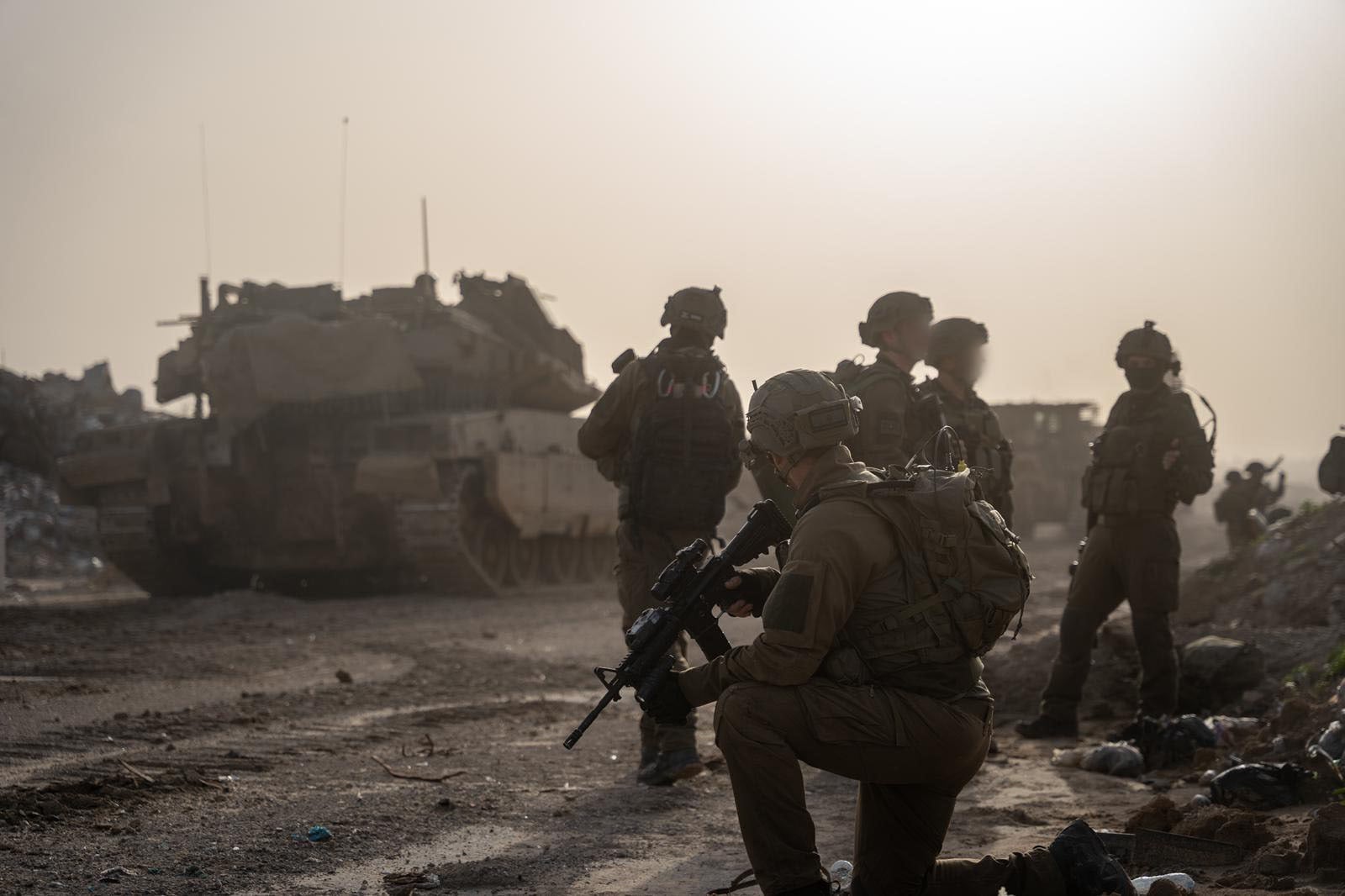
Separately, on Tuesday, the Defense Ministry said more than 30,000 wounded soldiers and security personnel have sought treatment through its Rehabilitation Department since the war began.
Some 63 percent are receiving care for psychological conditions, including post-traumatic stress disorder, anxiety, depression and difficulties surrounding reintegration into civilian life.
The ministry said the total number of wounded from all of Israel’s wars under the department’s care reached 91,200, a number that is expected to surpass 100,000 by 2028, with roughly half expected to be coping with psychological harm.
The rehab department deals with wounded veterans from all of Israel’s security bodies, not just the IDF.
According to the ministry, of those wounded since the start of the October 7 war, 63 are classified as having over 100% disability — the most severe level of injury; 249 have severe head injuries; 29 are suffering from blindness; and 106 are amputees.
Also, according to the data, women make up 8% of security personnel wounded in the past three years, while 62% are reservists.
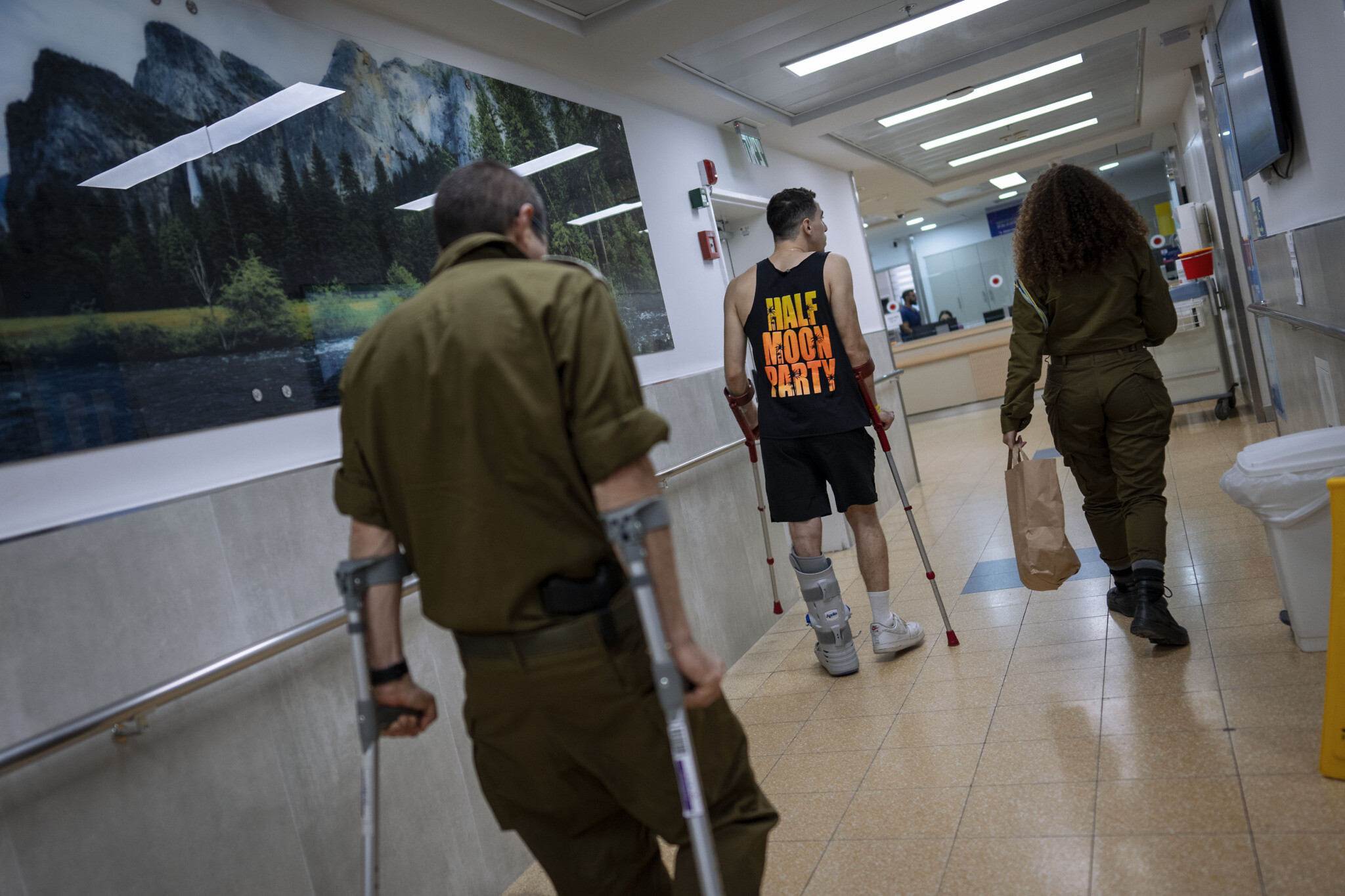
Meanwhile, the military said that its reserve army had grown by some 36% since the start of the war, with several new units for reservists established in the past three years and some 22,000 ex-soldiers returning to service despite having been granted exemptions from reserve duty.
Hundreds of thousands of reservists have been called up during the war. The IDF said that in the past three years, new standing army units were also established to reduce the strain on the reserve army.
This year, the military said combat reservists are expected to serve on average between 80 and 100 days in reserve duty, compared to the military’s initial estimate of 55 days per year, “due to evolving operational needs.”
At a military conference on Sunday, IDF Chief of Staff Lt. Gen. Eyal Zamir said the army was concluding its investigations into the October 7 onslaught, “out of an understanding of the magnitude of the disaster, alongside the understanding that we must not become mired in them, but rather learn, draw lessons, implement them, and move forward.”
“One of our greatest lessons from October 7 is the need to expand the security margin. We need to build the IDF’s force structure to meet challenges and threats across multiple arenas. The size of the IDF is our strategic depth,” he said, according to a readout of his remarks published by the military.





The Times of Israel Community.