

A taste of bygone Americana, ‘The Automat’ dishes out nostalgia with a cherry on top
Director Lisa Hurwitz’s documentary about a once-beloved restaurant chain is the comfort foodie film we’re craving
 Add ToI as a Preferred Source on Google
Reporter at The Times of Israel
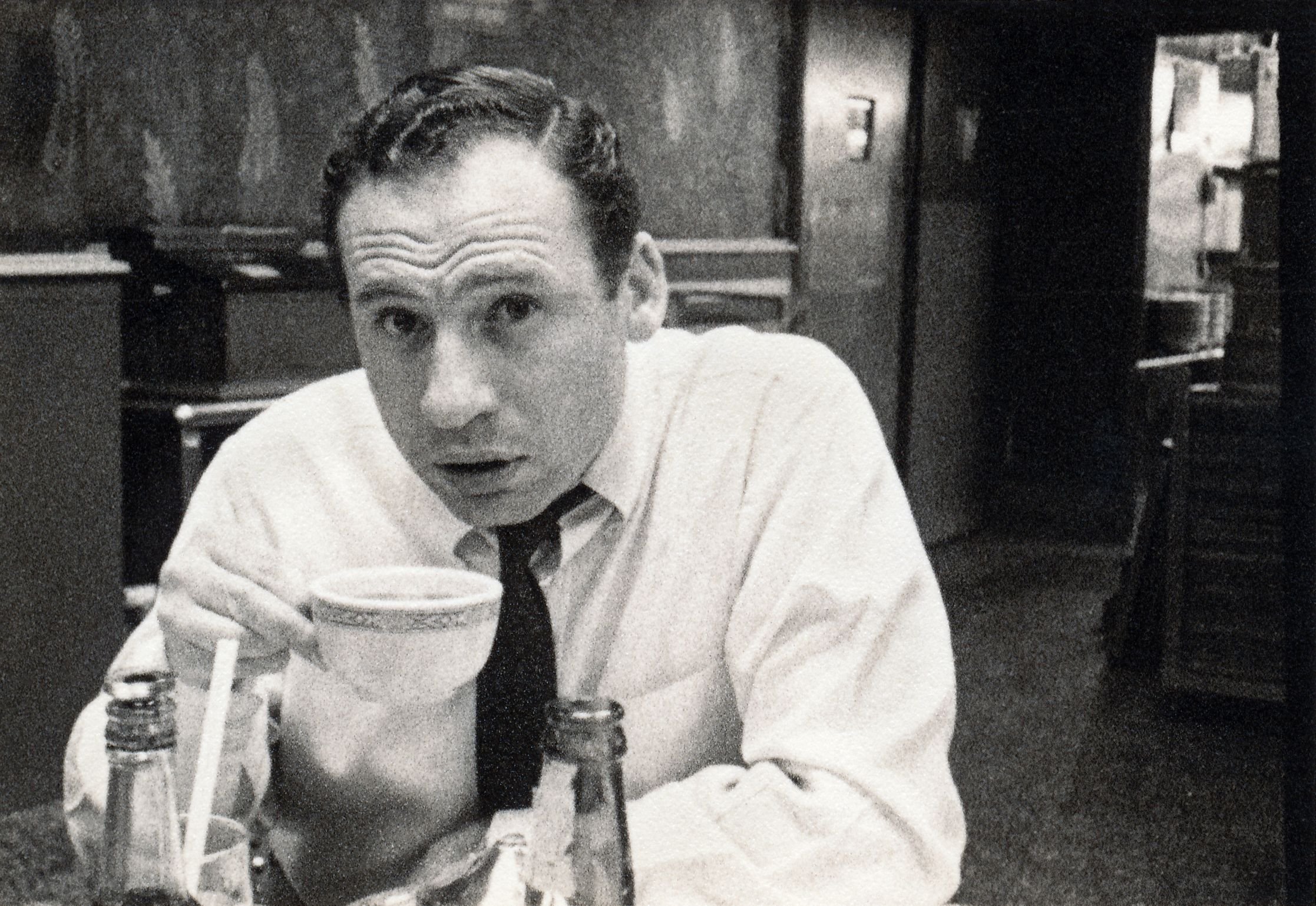
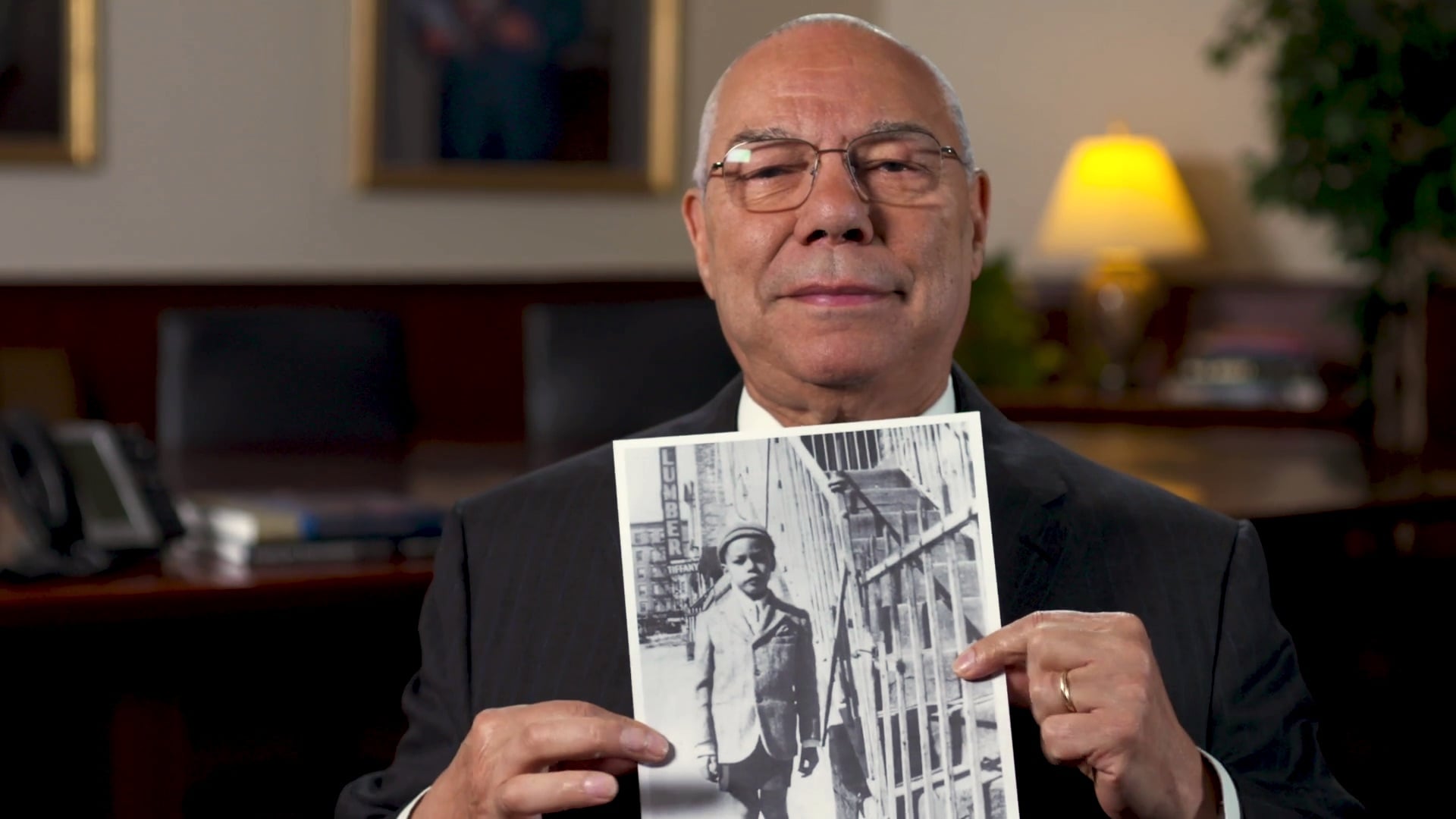
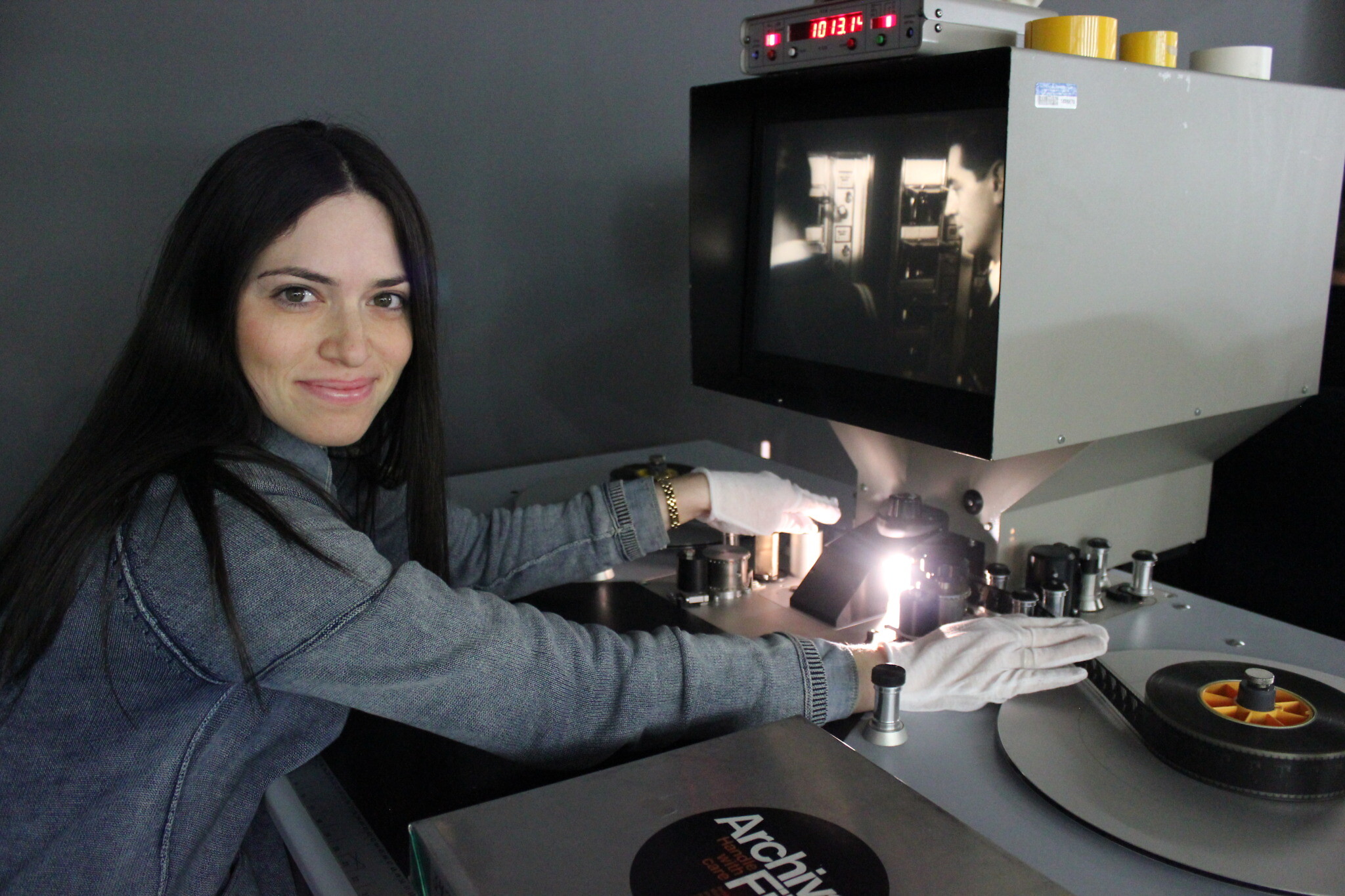
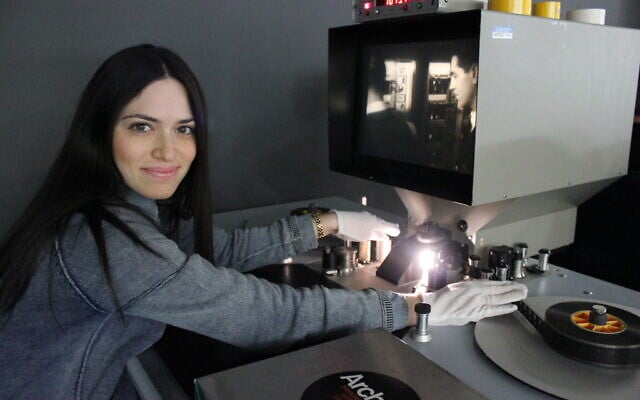
NEW YORK — Mel Brooks waxed nostalgic about it. Justice Ruth Bader Ginsburg remembered doing homework in it. Colin Powell learned to like creamed spinach in it.
“It” was the Automat, the iconic American restaurant chain and the subject of director Lisa Hurwitz’s new documentary, “The Automat,” now screening in select theaters in the United States and Canada.
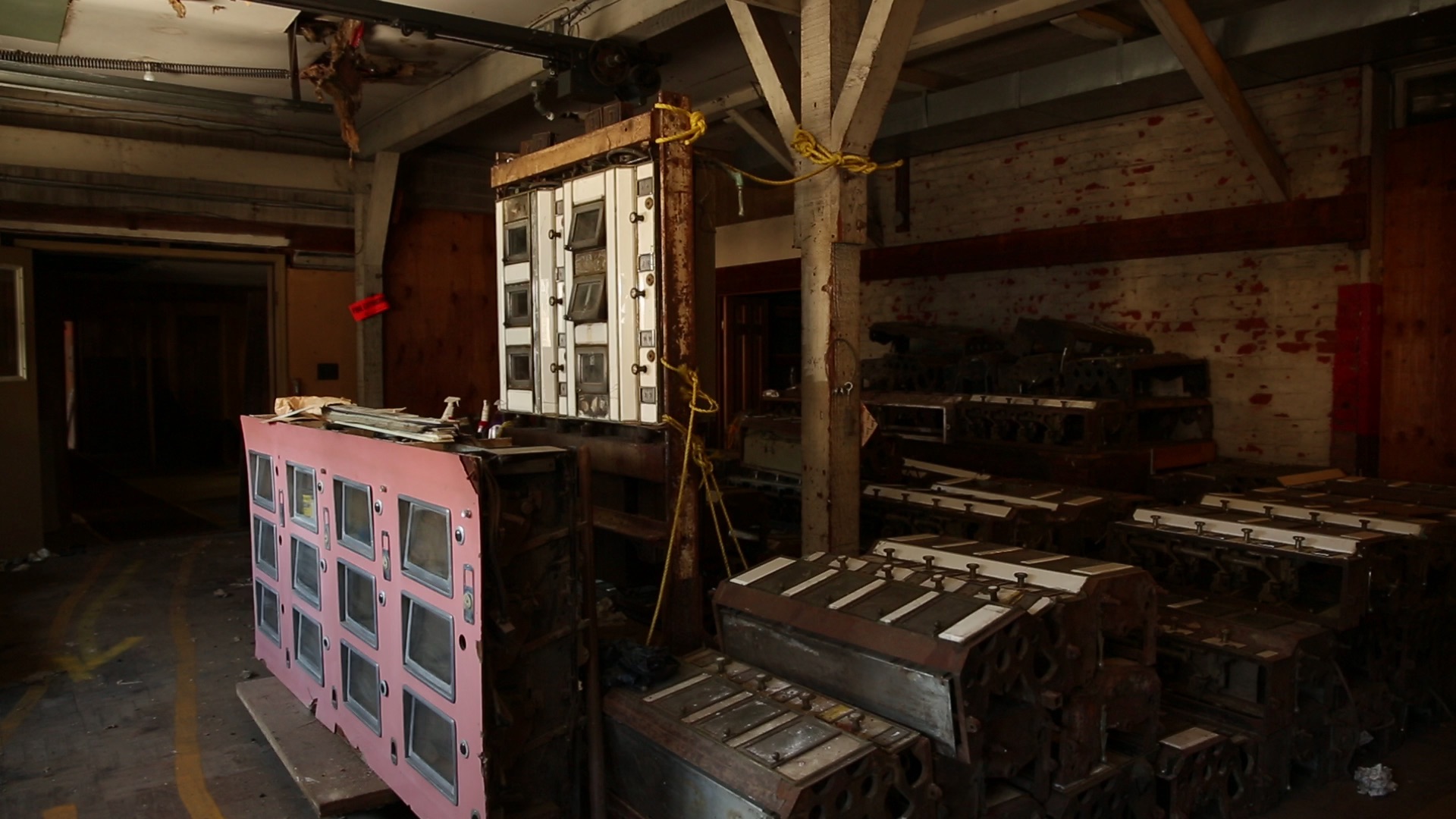
Put some nickels and dimes into a slot, turn a knob, and presto — out came macaroni and cheese, a slice of lemon meringue pie, or perhaps some creamed spinach from behind a stainless-steel framed window. Then there was the piping hot coffee or hot chocolate which flowed from a dolphin-shaped spout.
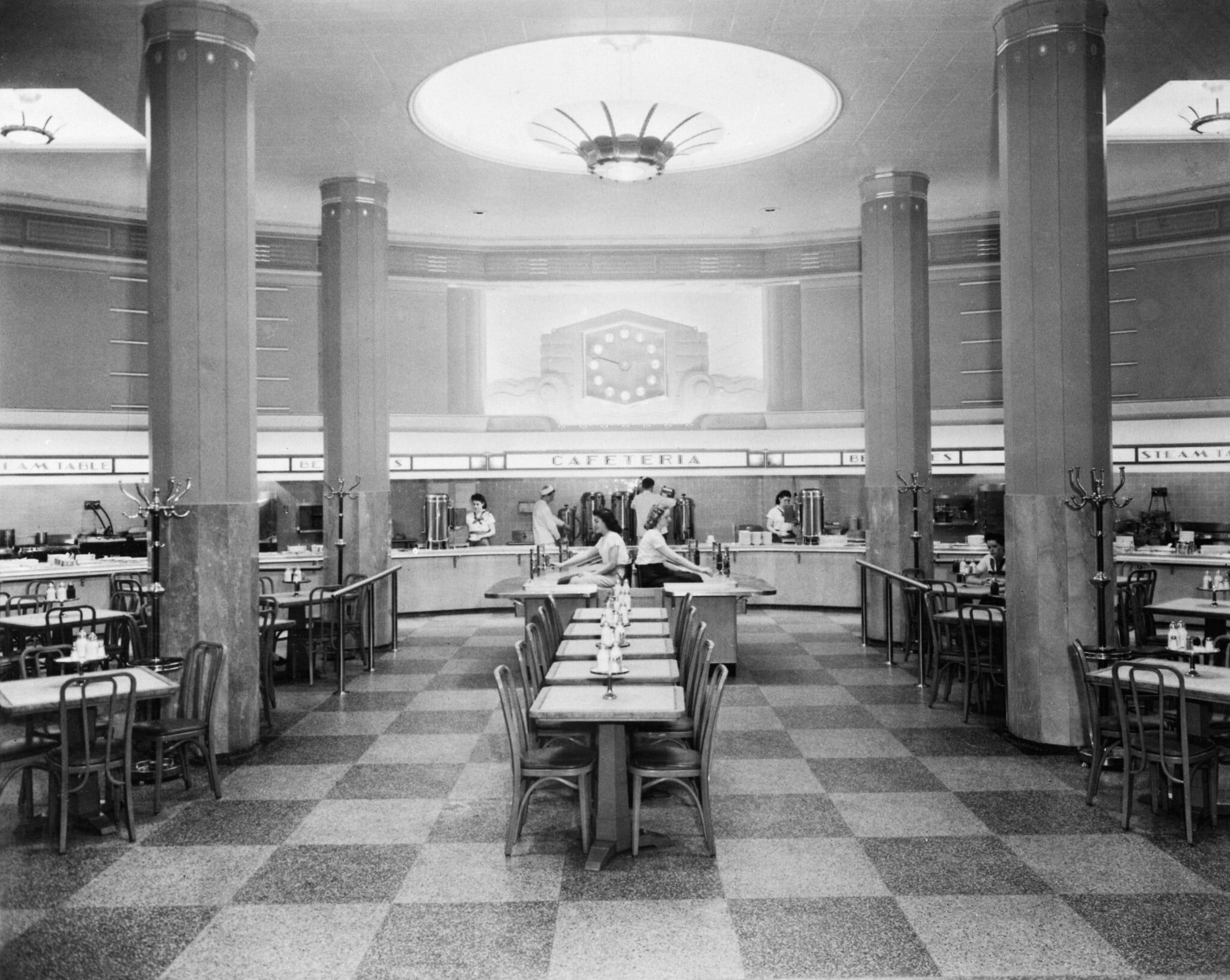
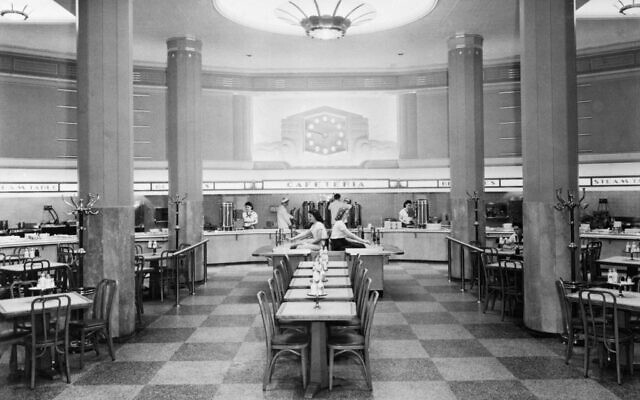
With Carrera marble-topped tables and Art Deco interiors, the restaurants, founded by Joseph Horn and Frank Hardart in 1888, served affordably priced food to millions of New Yorkers and Philadelphians for more than a century. But more than that, the chain was a place where immigrants, the working class, Black people, and women — all of whom were frequently shunned from restaurants — felt welcome.
“It was part of the Americanization process. It became part of the fabric of daily life for so many. It was a lifeline for people, a place you would inhabit a lot,” Hurwitz said in a telephone interview from Los Angeles, where she was preparing to screen “The Automat.”
Hurwitz first fell for the communal nature of cafeteria food while attending Evergreen State College in Olympia, Oregon. So began her eight-year quest to “try to figure out what happened to the Automat,” as actor Mel Brooks said in the film’s opening scene.
The result is a documentary interspersed with archival footage and animation, interviews with the likes of Colin Powell and Carl Reiner (both since deceased) as well as former employees, such as vice president of engineering John Romas, and of course the children and grandchildren of former employees.
The last Automat chain, Horn and Hardart, closed in 1991.
“What Horn and Hardart did was revolutionary for its time. They were one of the first chains,” Hurwitz said.
The following interview was edited for clarity.
The Times of Israel: The chain’s atmosphere evoked deep feelings in the people you interviewed — it was clearly more than a restaurant. Did that surprise you?
Lisa Hurwitz: When I first started the project I don’t think realized that. Then as I got deeper and deeper into it, it became clearer to me that it was a really special place. It was not your typical restaurant. In my life I really had never before heard people talk about a restaurant the way they talk about this place.
I kind of get it because I really had a strong affinity for my college cafeteria. So I got it: Wow, this place where people are eating together and hanging out together? It’s a sentimental place for people.
What was it about your school’s cafeteria that reminded you of the experience people had eating in a Horn and Hardart?
My cafeteria was a place that I looked forward to going to. Growing up, I ate a lot of my dinners alone because both of my parents were working pretty late. And we kind of all just did our own thing for breakfast.
Before college I went to Jewish Day School. We didn’t have a cafeteria but there was a kosher food truck. All my friends would get our lunches and gather together at these picnic tables. I would look forward to those lunches every day. So in college, having a cafeteria where I could eat three meals a day took it to the next level. I was in bliss.
I just loved the communal atmosphere. You sit and meet people. I also loved the food. It wasn’t like the food experience I had growing up. All of a sudden my whole world changed where I would eat whatever I wanted.
What is today’s Automat? Is there anything that captures the feeling so many described in the film?
There is absolutely no equivalent. But I am reminded of the Automat in certain random moments, like riding the subway in New York City. All of us are packed in there together. Everybody is rubbing elbows and everyone is dependent on everyone else to make sure it’s a decent experience.
I use City Bikes in New York City and sometimes when I’m in the bike lane I’m reminded of the Automat. I love all the diversity in the bike lane. We talk to each other in the bike lane, too. Some of the coffee shops today where you can stay all day — all you have to do is buy a cup of coffee — are kind of like a descendent of the Automat.
I see it in situations where places people end up together leisurely hanging out and getting what they need.
If you could try one food, or maybe more than one, from the Automat, which would it be?
I really like mac and cheese. So that would have been my number one thing. I also really like baked beans and creamed spinach. I do like sweets as well, so I would have wanted to sample all the pies and be able to decide which one would be my favorite.
Everyone also asks me if the coffee served there really was that good. So I would like to be able to taste it and then give my own perspective on the coffee.
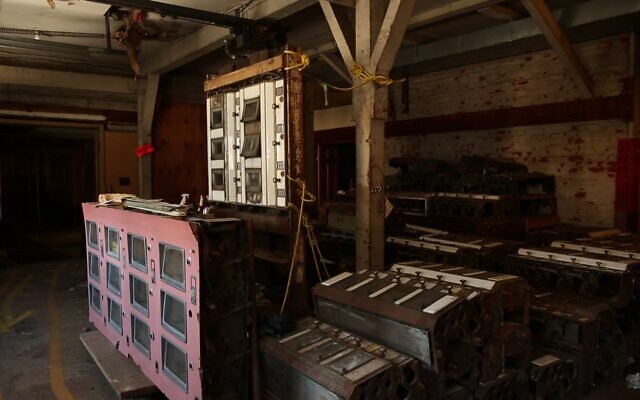
You tracked down a lot of old furnishings, memorabilia, and décor from the restaurants. Do you have a favorite?
It’s kind of hard to pick one. There is a negative I bought on eBay of two kids getting a pretzel from a pushcart. An Automat is visible behind it. I had it printed and framed and now it’s in my apartment. There are also Horn and Hardart tokens from when they had to raise prices.
Then there are the company scrapbooks. There are these huge, gorgeous scrapbooks they donated to the New York Public Library. You can’t lift them alone. The company very meticulously kept records and clippings whenever they appeared in the news. There are also photographs in there. I can’t think of any modern-day company that would make such beautiful scrapbooks like this today. They are my favorite.
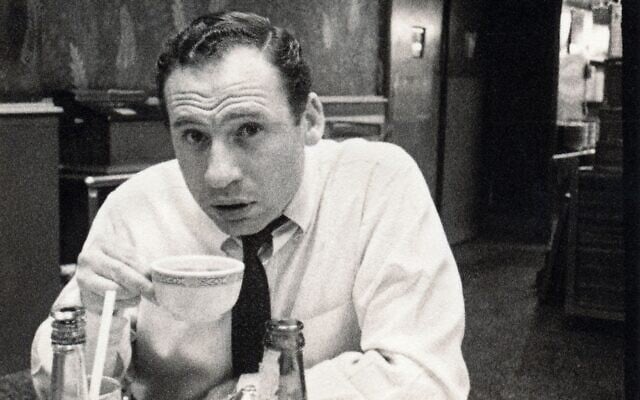
Mel Brooks said “I didn’t realize how good it was until there were no more Automats. I miss them.” Why do you think the film resonates with people who never went to one?
I think nostalgia brings comfort to people and I suspect people are looking for comfort right now.







The Times of Israel Community.