

Amid trauma fears, Eagles of Death Metal vow ‘regular’ Paris rock show
Experts say show could trigger panic in survivors of Bataclan massacre, but band, fans see Tuesday gig as form of catharsis
 Add ToI as a Preferred Source on Google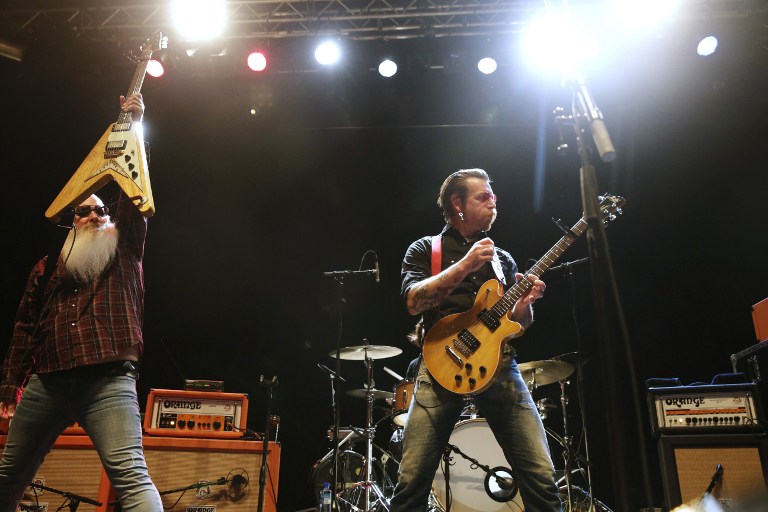
PARIS — Eagles of Death Metal return to Paris on Tuesday to play one of the most emotionally charged concerts in rock history in front of hundreds of survivors of November’s terror attacks.
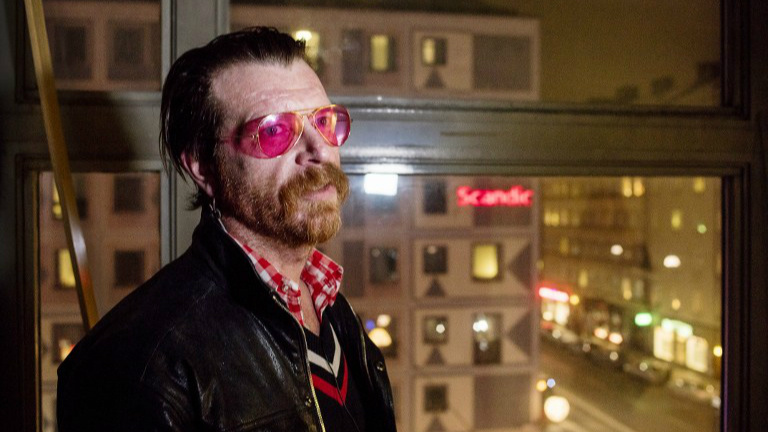
Despite the area around the city’s Olympia theater being locked down by police, and a psychologist who has been treating the victims warning the gig could trigger panic, the band’s singer Jesse Hughes vowed it would “be a regular rock show.”
“Rock and roll for me has always been fun and I am not going to let anyone take that away from me, or my friends,” he said, referring to the band’s fans.
Hughes, who will be joined on stage by Eagles co-founder and Queens of the Stone Age frontman Josh Homme, said he hoped the gig will be the first step to emotional recovery.
‘I don’t want to fall to pieces in front of everyone. That is my biggest fear.’
“I hope I can walk out on that stage and be stronger than I am being right now,” he told AFP tearfully.
“I don’t want to fall to pieces in front of everyone. That is my biggest fear.”
“This is therapy for me… I want to see all those smiles that greeted me in Paris that night. I really need to see those faces smiling again.”
Many of the survivors of the massacre, in which 90 people died at the hands of jihadist gunmen, also see the concert as a form of catharsis “to end the nightmare.”
Helene, who was in the front row when the killers burst in, said she hoped seeing the band again would bring some closure. “It will allow me to finish” the fateful Bataclan concert, said the 42-year-old.
Fear of panic, trauma
But others said they were still unsure whether to go or not.
Guillaume Munier, 29, who survived by hiding in a toilet for two hours, said: “I’m going to go to the Olympia, but I really don’t know if I’ll be able to go inside. I don’t know if I’ll have the strength.”
Eagles resumed the world tour in Stockholm Saturday that they halted after the Paris attacks, in which a total of 130 people died.
Hughes admitted he was “scared, really scared” by the weight of expectation on his shoulders.
“I understand what the people who cannot come are feeling. I know in my heart the right thing to do… the thing that is going to achieve the exponential amount of healing is the thing that is hardest,” he said.
But psychologist Carole Damiani, who leads a support group for the Bataclan victims, warned some people could panic if the situation is not handled correctly.
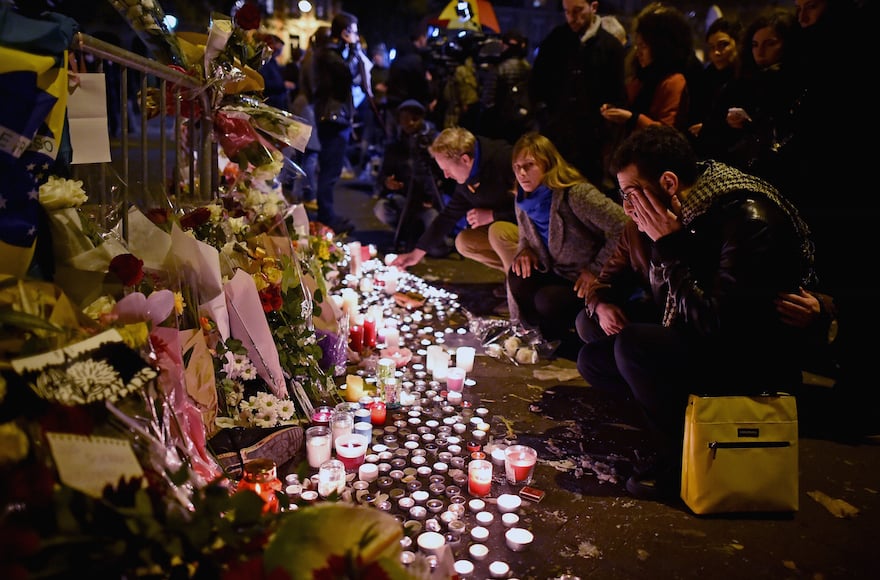
While some fans who were wounded are physically well enough to be in the audience, the mental scars were still painfully raw, she insisted.
“When one person is panicking it is one thing, but a collective panic is something else,” she said.
Going to the concert with “the same music and in a similar venue only three months later, they will be plunged into a similar sensory atmosphere,” which could trigger trauma, she warned. “For some that could be painful.”
A team of 30 volunteer counselors and psychologists will be on hand in the theater, she said, adding: “No one should kid themselves that this concert is going to cure them and put everything right.
“Some victims are under the illusion that they will find the same person next to them that they had (on November 13). That is pretty much impossible.”






The Times of Israel Community.