

Ex-Russian journalist says she quit state TV over war, fears Kremlin repercussions
Zhanna Agalakova speaks as Russian lawmakers approve a bill imposing up to 15 years in jail for publishing ostensibly false information about Russia’s actions abroad
 Add ToI as a Preferred Source on Google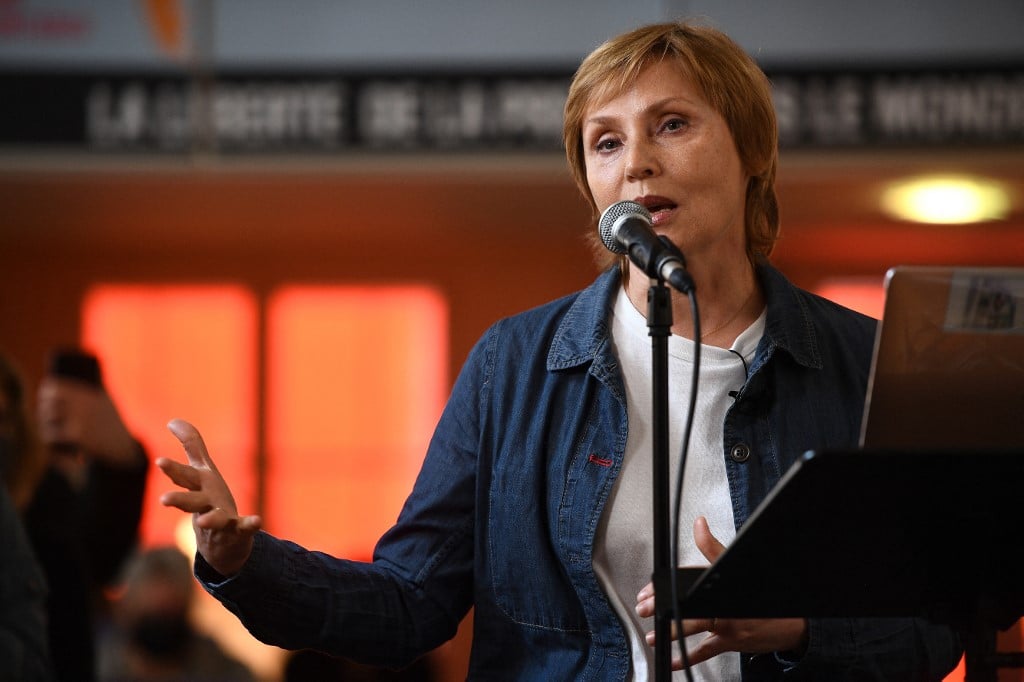
A former Paris-based Europe correspondent for Russian state-controlled broadcaster Channel One said on Tuesday that she resigned this month due to Russia’s war against Ukraine and voiced fears she’ll be accused of being “a highly paid spy.”
On the same day, Russian lawmakers approved a measure that would allow up to 15 years in prison for anyone publishing “false information” about Russian activity abroad.
Zhanna Agalakova quit as the war broke out in Ukraine, joining a string of colleagues from Russia’s strictly state-controlled network. She told a press conference in Paris that “when I spoke to my bosses, I said I cannot do this job anymore… I left Channel One specifically because the war started.”
The 56-year-old, who used to be a newsreader at the channel, said she believed Russian networks had been commandeered by the Kremlin to broadcast lies and propaganda for years now, leaving little remaining in the way of independent media. Russians, she said, were being “zombified” as a result.
Agalakova said that she expected a backlash from the Kremlin over speaking out.
“In Russia they will accuse me of being a highly paid spy for this declaration. That is how the propaganda works,” she told the press conference organized by media freedoms group Reporters Without Borders. Agalakova tendered her resignation on March 3, and left the channel officially on March 17.
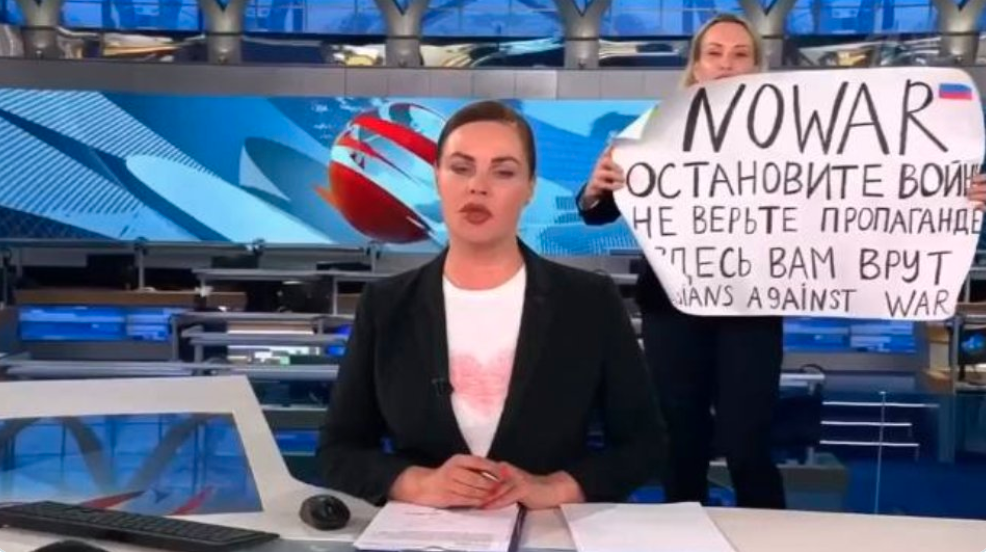
Marina Ovsyannikova, the Russian journalist who protested the war in Ukraine on live state TV, also worked for Channel One.
Speaking from hiding, Ovsyannikova has since told media of her resolve to stay in her country.
“I don’t want to leave Russia. I am a patriot,” she told German news site Der Spiegel.
Ovsyannikova turned down an offer of asylum from French President Emmanuel Macron, even as she feared severe repercussions from Russian authorities and called herself Russia’s “enemy No. 1” in anti-war dissent.
At least two journalists have also left rival station NTV, including Lilia Gildeyeva who had worked as a presenter there for 16 years, and longtime employee Vadim Glusker.
Also on Tuesday, Russian lawmakers approved legislation imposing jail terms of up to 15 years for publishing ostensibly false information about Russia’s actions abroad, as Moscow’s military operation in Ukraine approaches one month.
The bill, adopted after a third reading by the lower house State Duma, sets out jail terms and fines for people who publish “knowingly false information” about actions abroad by Russian government agencies.
If the false information “caused serious consequences,” it is punishable by up 15 years in jail, a release from the State Duma said.
The bill will need the approval of the upper house Federation Council and the signature of President Vladimir Putin before it becomes law.
The new bill expands on a law passed earlier in March that allows for up to 15 years in jail for publishing false information about the Russian army.








The Times of Israel Community.