

Foot-and-mouth disease outbreak closes two nature reserves to public
With two wild gazelles already dead, Nature and Parks Authority, Agriculture Ministry, draw line around northern Israel region hit by new strain of viral infection
 Add ToI as a Preferred Source on Google
Sue Surkes is The Times of Israel's environment reporter
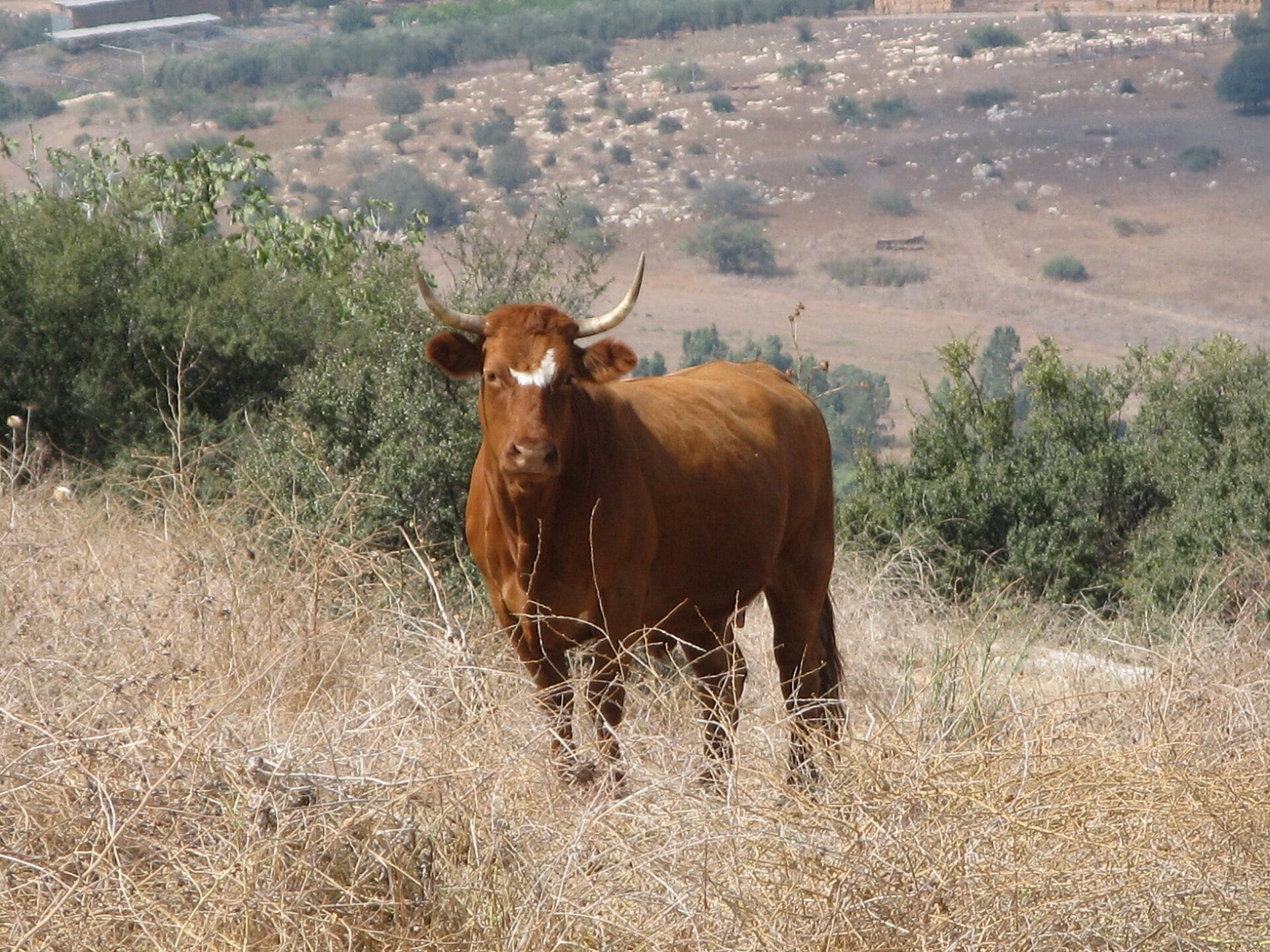
Two nature reserves in northern Israel were temporarily ordered closed on Tuesday following a nearby outbreak of a new strain of foot-and-mouth disease not covered by routine livestock vaccinations.
Since the beginning of 2026, the disease has been identified at 12 cattle-raising farms across northern Israel and the Golan Heights, the Agriculture Ministry said.
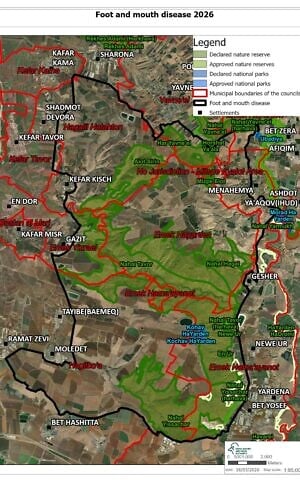
The Israel Nature and Parks Authority, which, together with the Agriculture Ministry, issued the order to close the Nahal Tavor and Yissachar reserves in the lower Galilee, is most concerned about the deaths of two wild gazelles from infection.
Foot-and-mouth disease has been identified at Kfar Kish, directly to the north, and at Moledet, to the southwest.
The public is asked to stay away from the reserves, as the highly contagious viral infection can spread through the movement of people and vehicles, and through contaminated objects.
It is also carried by the air and in secretions from infected animals.
The sickness does not endanger humans.
Tamir Goshen, the Agriculture Ministry’s Director of Veterinary Services, said that a new virus strain had entered Israel and the Middle East this year for which routine vaccines did not offer protection. Biological safety measures include controlling access to infected farms, decontamination, and emergency vaccination of the infected and other livestock.
Infected animals exhibit blisters in the mouth, on the tongue, and on the feet, along with excessive drooling. They may appear weak, limp, or move slowly.
Movement of animals into and out of each infected farm has been prohibited for two months, and quarantine zones have been imposed around each farm with a radius of up to ten kilometers (six miles), the ministry said.
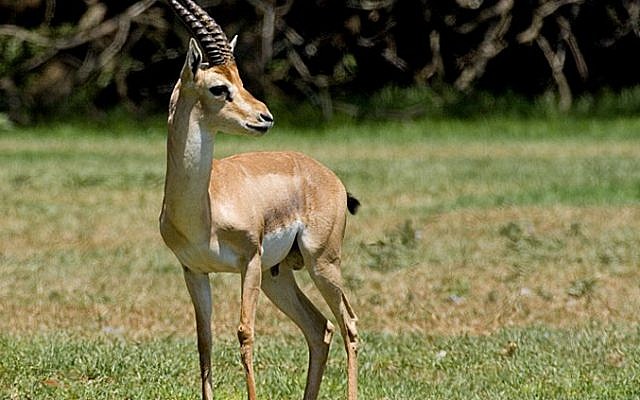
For mountain gazelles, a species classified as endangered, however, the virus can be fatal, according to Amit Dolev, Northern District Ecologist for the Nature and Parks Authority.
Around 5,000 gazelles live in Israel, facing dangers that include urbanization, poaching, collisions with cars, predation by feral dogs and other natural predators, and the division of their habitats by roads, railways, and fences.
The Nature and Parks Authority is patrolling the area daily to identify sick or dead wildlife.
The closure of the nature reserves will be reassessed at the end of this month.










The Times of Israel Community.