

France searches for remains of German soldiers said executed by resistance in WWII
Dig sparked by claims of French Resistance veteran Edmond Reveil, who has said that 46 Nazi prisoners of war were shot dead in a wooded hillside in 1944
 Add ToI as a Preferred Source on Google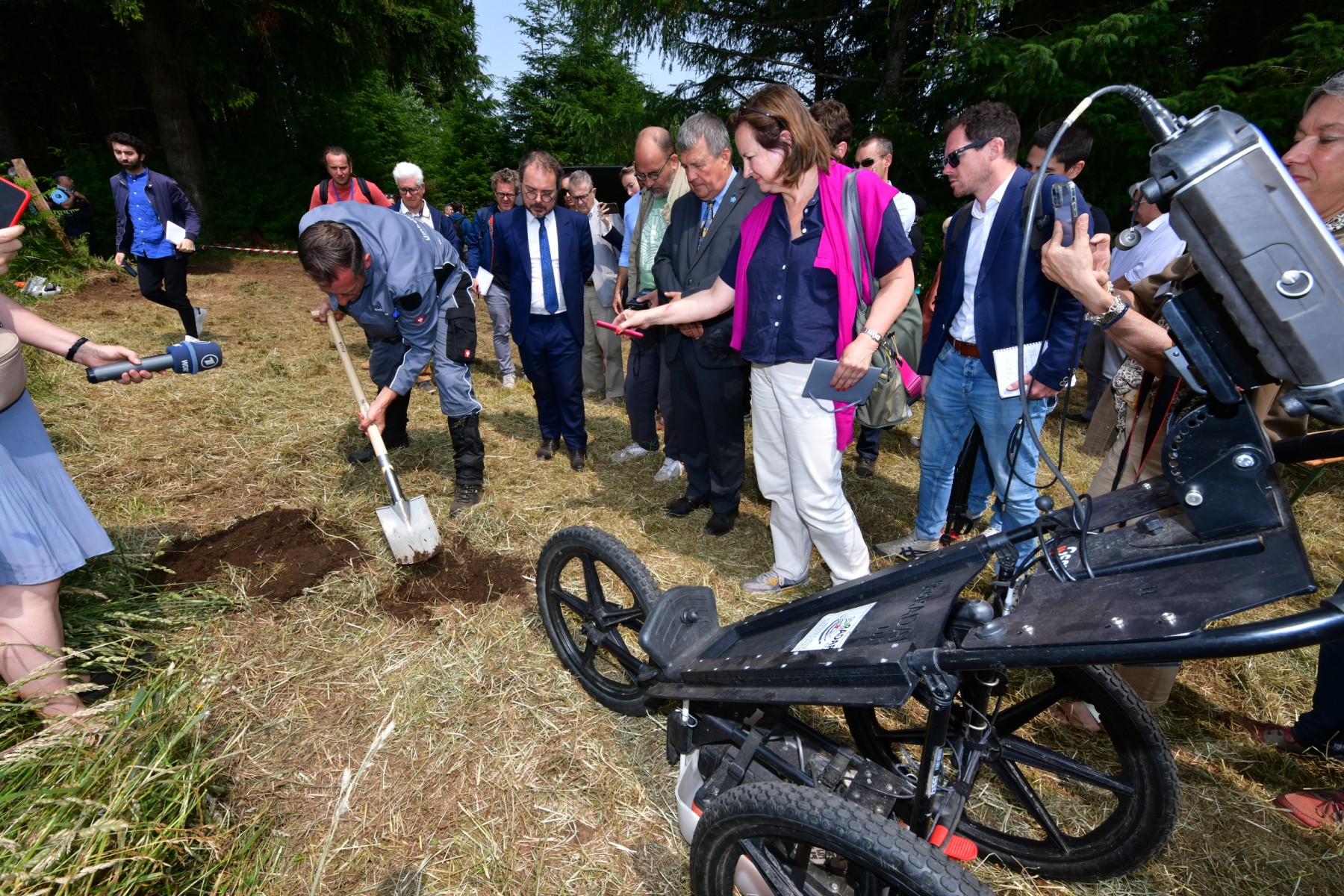
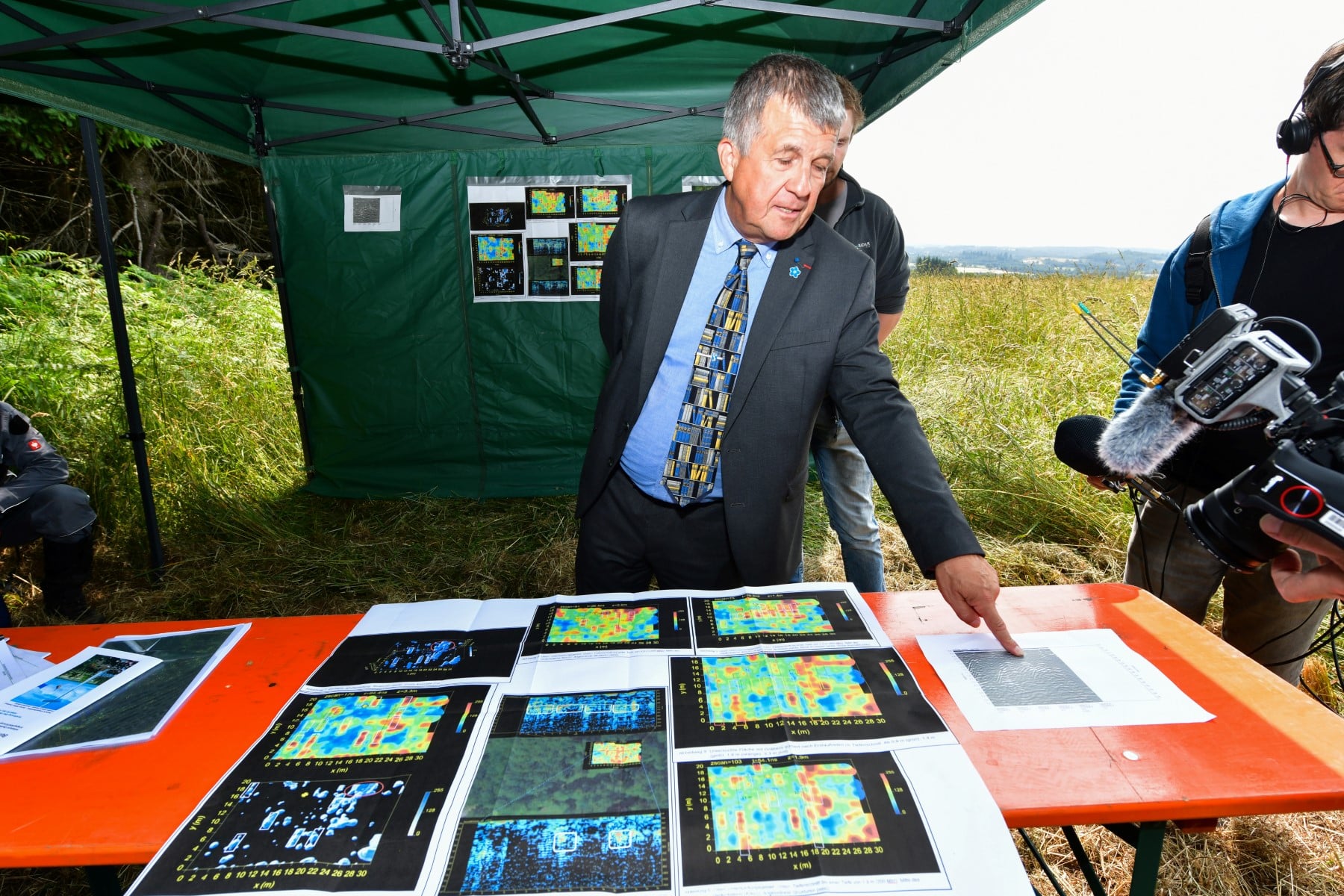
MEYMAC, France (AFP) — A search began in France on Tuesday for the remains of dozens of German soldiers said to have been executed by French Resistance fighters during World War II.
Coming 79 years after the alleged killings, the search was sparked by statements from a 98-year-old former resistance fighter, Edmond Reveil, who has gone public with the allegation in recent years.
Reveil was part of a commando unit that he said took 46 German soldiers they had captured, as well as a French woman suspected of collaborating with the Nazi occupiers, to a wooded hillside on June 12, 1944, and shot them dead.
The reason for the killings, in the southwestern Correze region, was that the members of the local resistance group, made up of around 30 militia and communist partisans, were too few to guard the prisoners, Reveil told AFP.
“If we had let the Germans go, they would have destroyed Meymac,” the nearby town, he said. He had previously told the local newspaper La Vie Correzienne: “We felt ashamed, but did we have a choice?”
The handful of people who knew about the incident mostly kept quiet over the decades, though historians told AFP that it was sometimes mentioned in private.
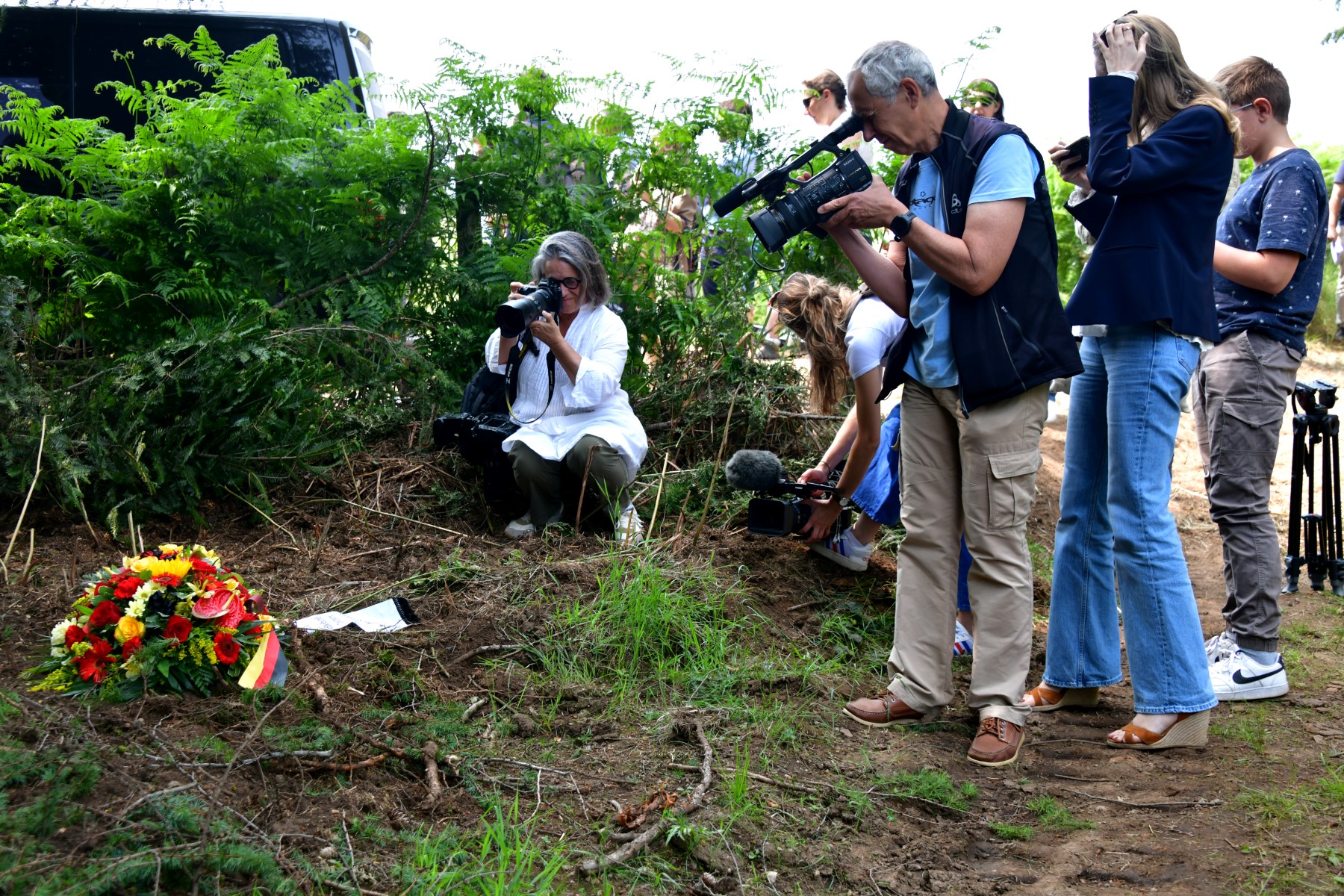
A dig was even started in the 1960s to shed light on the affair, but was quickly stopped, “perhaps because of pressure,” said Meymac’s mayor Philippe Brugere, who added that he had been unable to find any record of that search in the town archives.
A fresh investigation was launched when Reveil began to talk publicly about the incident in 2019, and started giving media interviews.
Brugere called the search for the truth “honorable,” saying it was necessary for people to “look at history with honesty.”
But the resistance veteran association Maquis de Correze deplored the “media buzz” sparked by the revelations, which it said could become a “pretext for sullying the memory of the Resistance.”
Reveil, who has not given his reasons for speaking out after so many years, said he recalled each of the German soldiers “taking out his wallet to look at a family picture before dying.”
After the killings, the shooters were “told not to talk about this,” he said. “It was a war crime,” he added.
But local historian Herve Dupuy said a better term for the executions was “a fact of war,” given that the German occupiers did not treat the French resistance fighters as combatants under the Geneva Convention, but as “terrorists.”
France capitulated to Germany in June 1940 and was governed as Vichy France, a German client state, until 1942, when the country was taken over completely.
The French Resistance, formed by groups of various political leanings, continued to fight against German forces and the Vichy collaboration.
The movement led a guerrilla war against Germans and supplied the Allies with intelligence, crucially ahead of the Normandy landings in June 1944.
Its precise impact on the outcome of the war is still the subject of debate among historians, as is the extent of French collaboration with Nazi Germany.





The Times of Israel Community.