

Weddings, yoga, medical care: Life goes on, somehow, in Israel’s underground shelters during war
Surreal images show country’s resilience; Tel Aviv’s Central Bus Station has become an impromptu home for a migrant community, while other shelters host kids’ play zones, prayer groups

 Add ToI as a Preferred Source on Google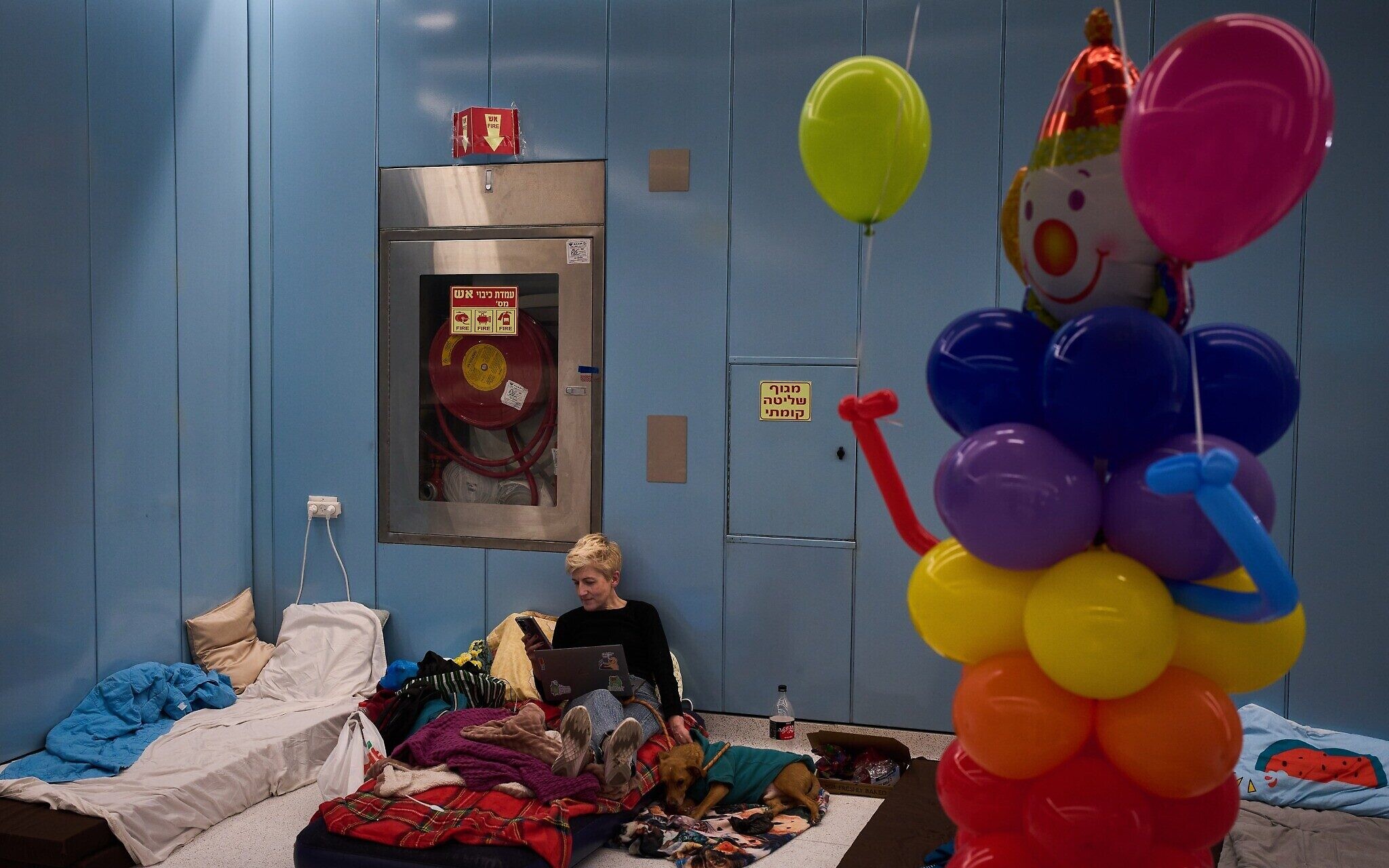
AP — When sirens and cellphone alerts blare warnings of missiles incoming from Iran and Lebanon, people in Israel stream into shelters, turning parking garages, metro stations, and basements into temporary communities.
These images show how surreal the scenes can become when life is interrupted at any moment, day or night, and how, after constant waves of conflict, Israelis have found ways to quickly adapt, snatching a few moments of relief even as tensions rise.
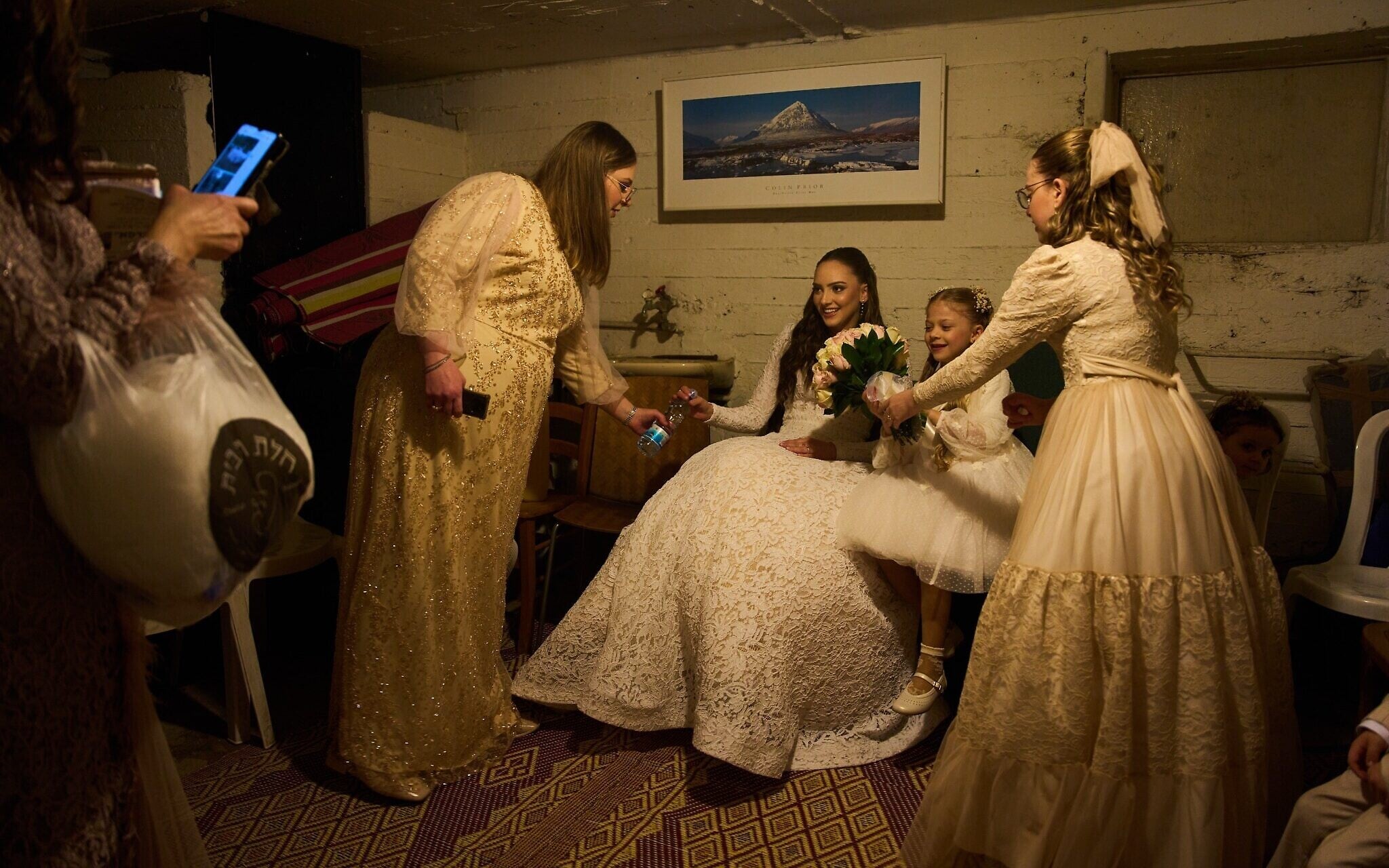
Inside one shelter, a bride-to-be poses with her family, continuing the wedding photo shoot they’d been doing above ground.
Their big dresses take up much of the dark, cramped space.
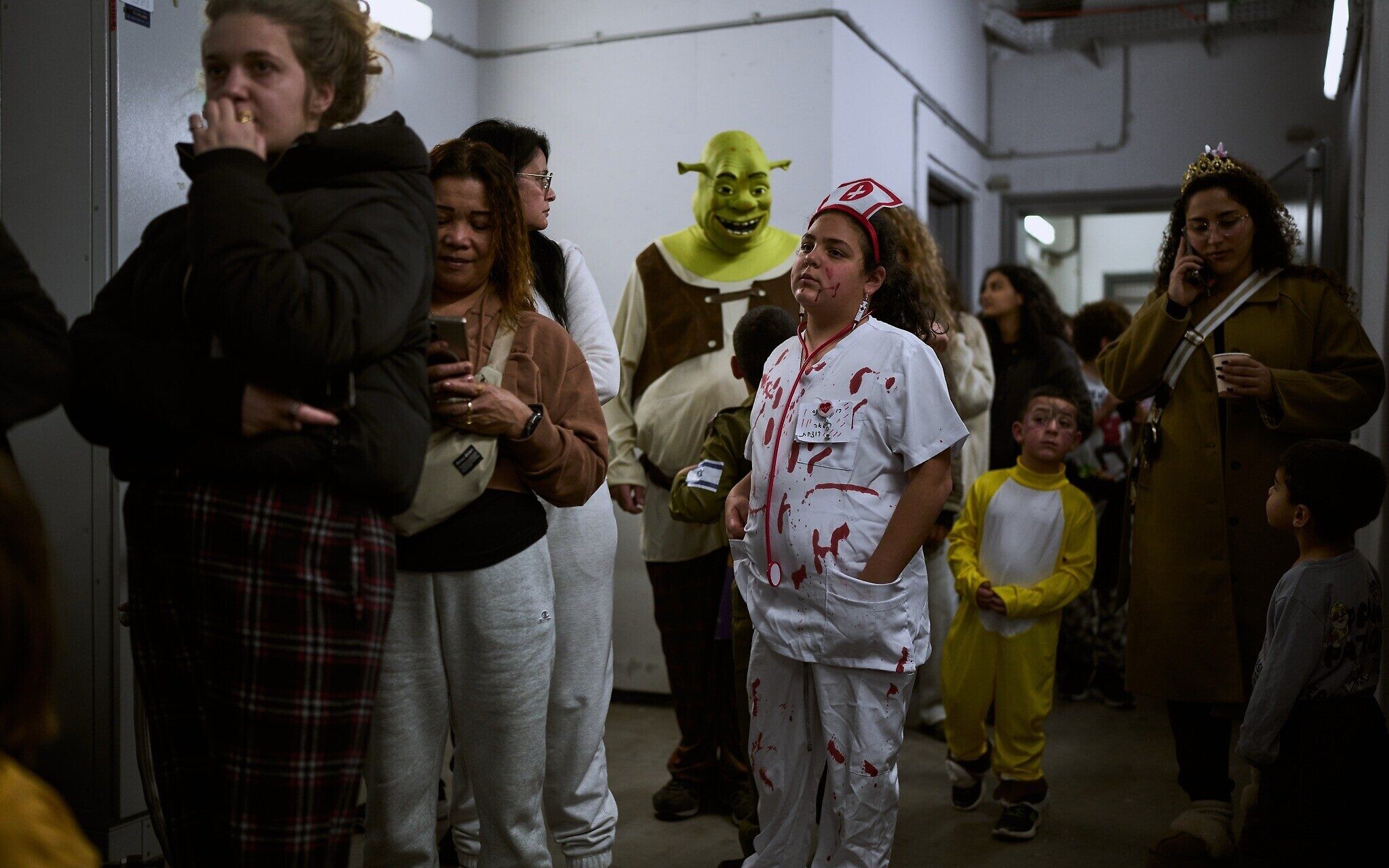
During the Jewish holiday of Purim, revelers in costumes — a Shrek, a horror-film nurse splattered with fake blood — crowd into an underground station, almost dreamlike against the gray walls.
For many Israelis, heading to shelters is a familiar response shaped by past wars. Israel has an extensive system of private safe rooms and public shelters, unlike other nations across the region, including Iran and Lebanon, where residents are also seeking shelter from strikes.
While the West Bank is not being directly targeted, missiles can pass above the territory, which has little access to shelters, and four Palestinian women were recently killed in an Iranian strike.
When warnings around Israel blare, shelters swell with people for 15 minutes, half an hour, however long the alert lasts.
Some people have moved completely underground because they don’t have access to shelters in poorer neighborhoods or have mobility issues.
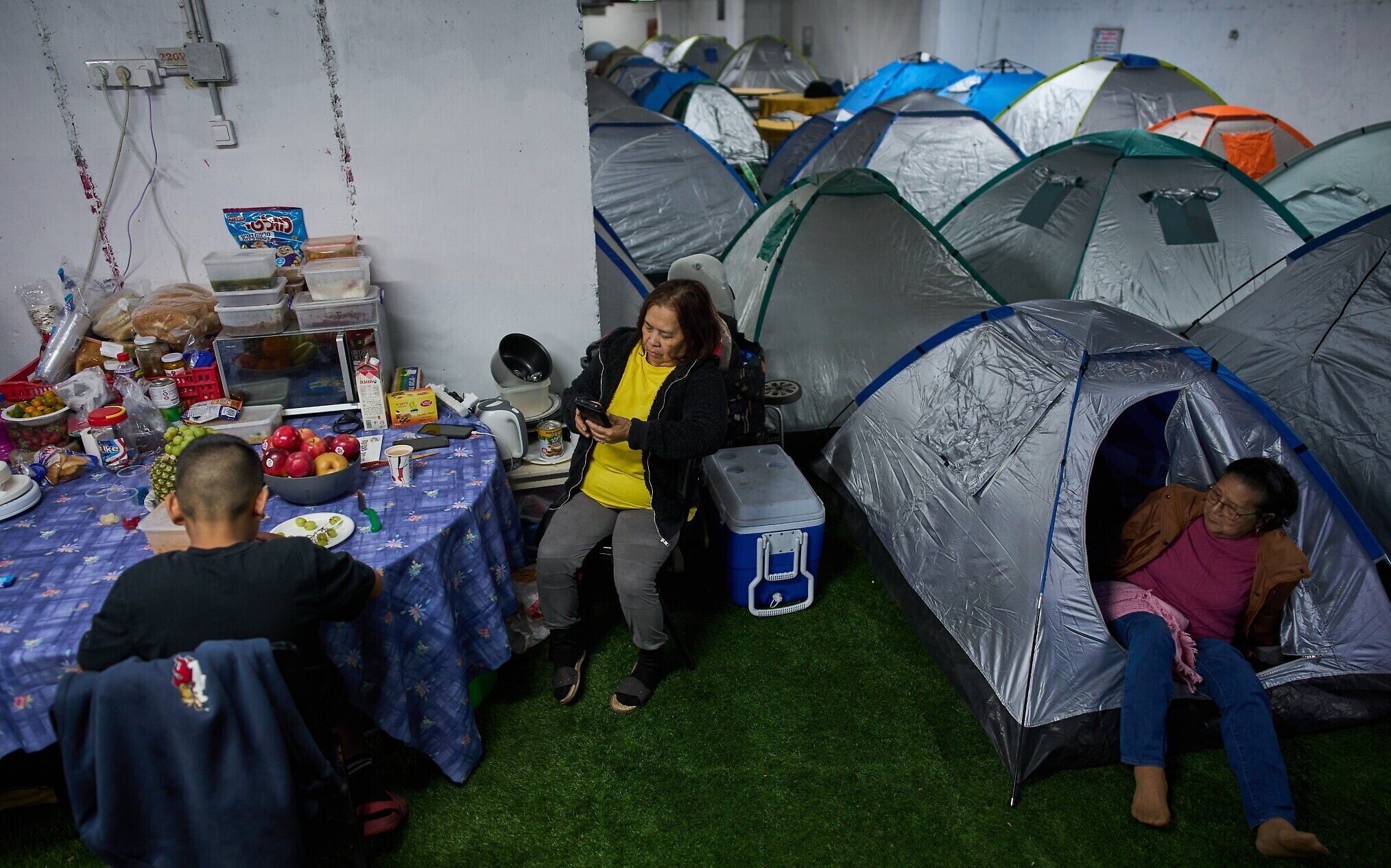
Under Tel Aviv’s decrepit Central Bus Station, dozens of families have moved full-time into tents. Many are Filipino and Eritrean migrants from the surrounding area, Tel Aviv’s most decrepit, which lacks sufficient shelters. They go home for a few hours every day to cook and bring it back to share with others, creating an impromptu soup kitchen with ice coolers, microwaves, and Tupperwares of food.
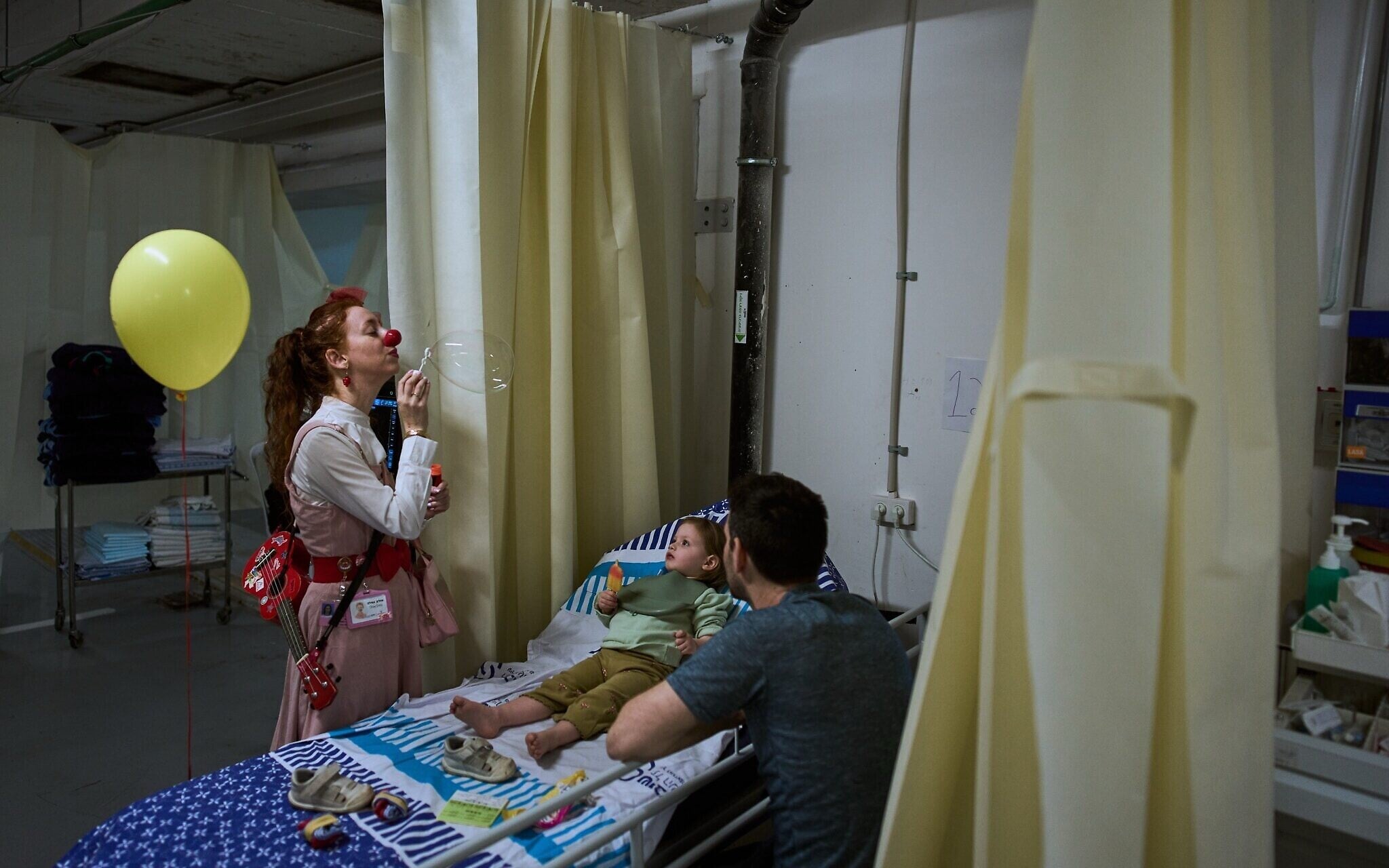
Israel’s hospitals quickly instituted their underground emergency procedures on the first day of the war with Iran. At Sheba Medical Center, a staffer blows bubbles to entertain a young patient in a makeshift ward set up on a parking level.
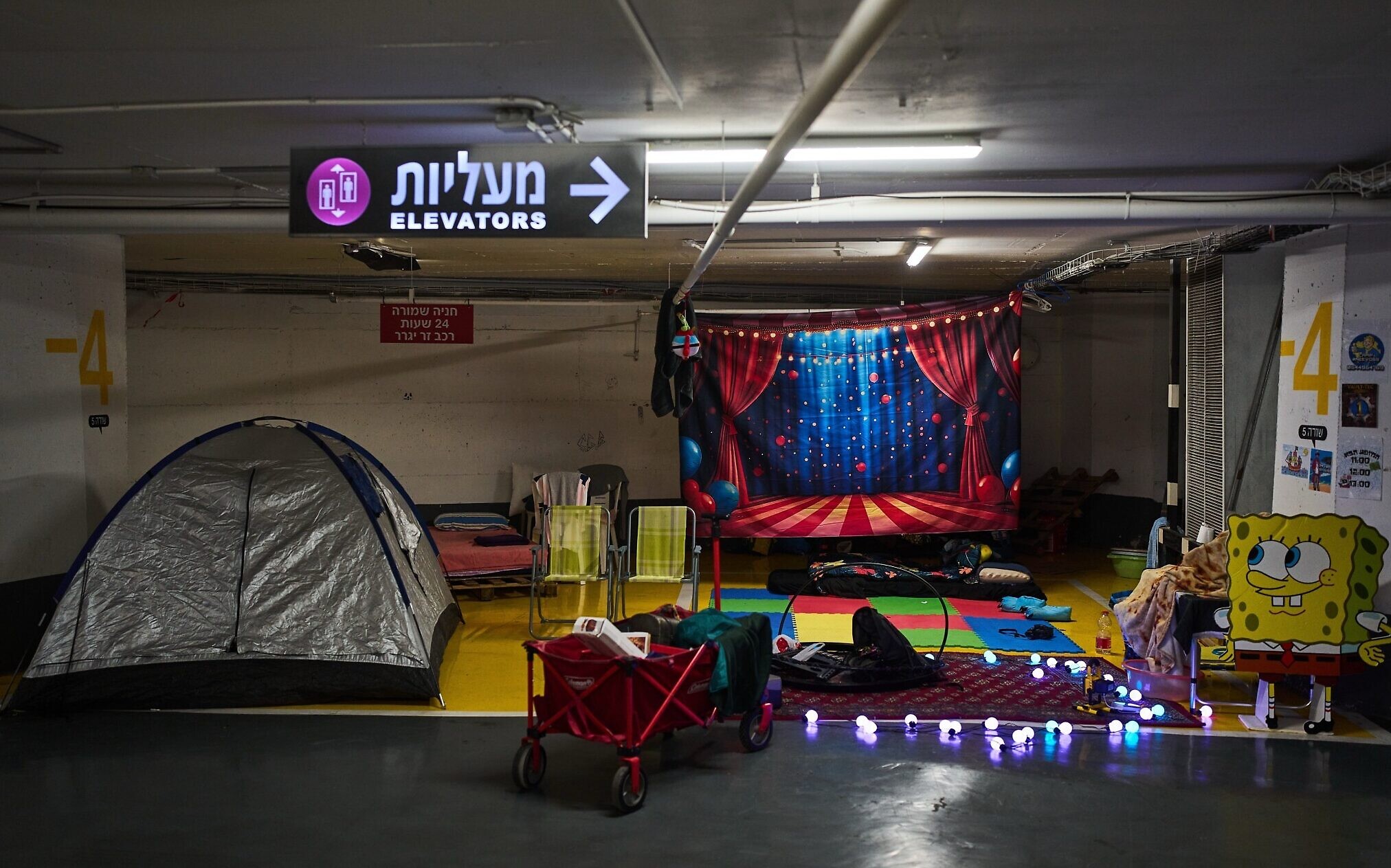
In the cavernous parking lot under Tel Aviv’s Dizengoff Center mall, each day brings new, incongruous moments as thousands crowd within the echoing, concrete walls and pillars, where in normal times, mallgoers wander in search of their cars.
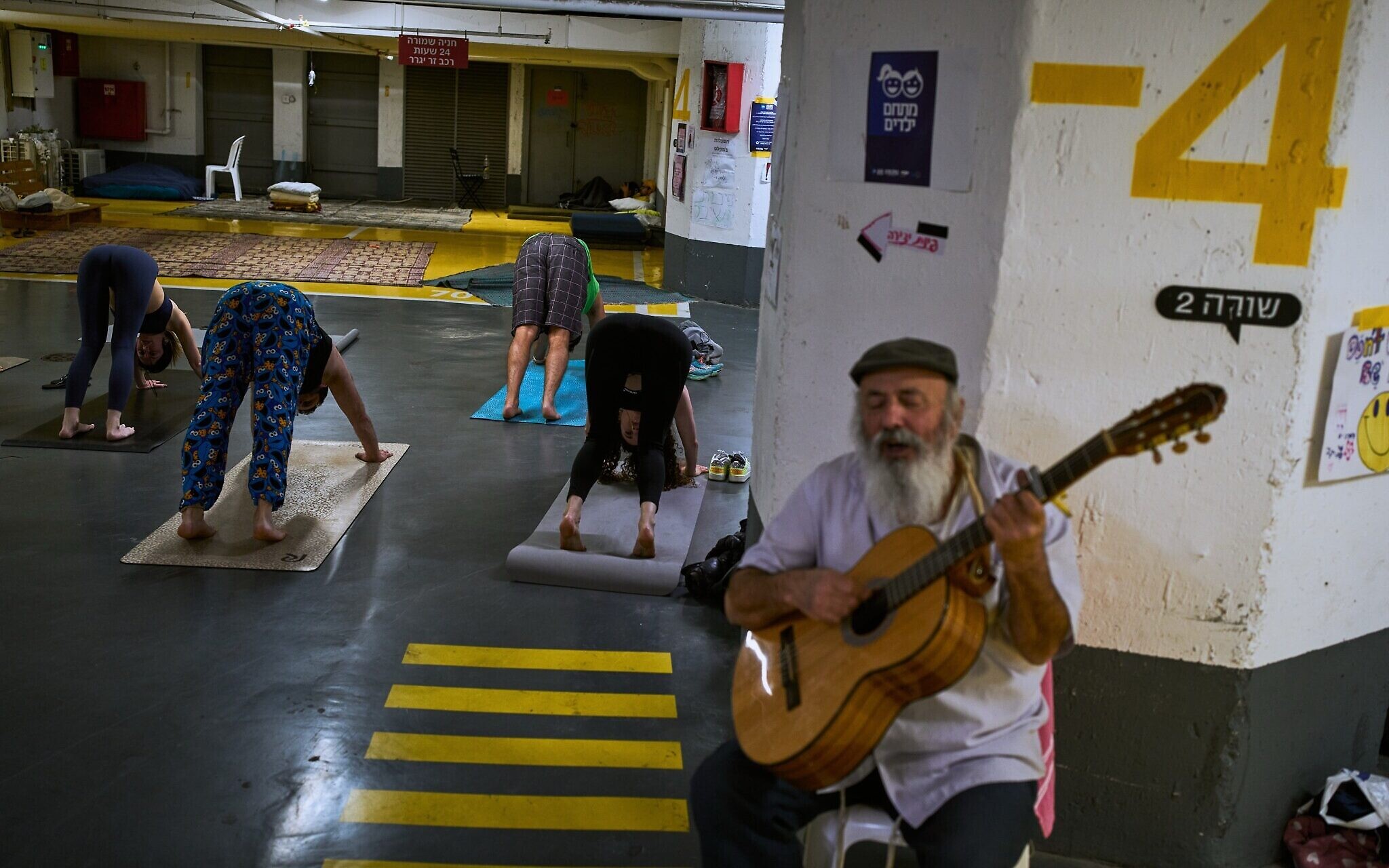
Women in a yoga class slide into downward dog pose on mats laid across parking spots as a man nearby plays guitar. Miri Kaftor, who in normal times teaches yoga in a quiet studio nearby, has had to adapt to holding classes here under fluorescent lights with screaming kids riding scooters nearby.
Later that night, a stand-up comedian hosts a singles event in which a hopeful woman dressed as a bride laughs and rides on the back of a man wearing a turtle costume.
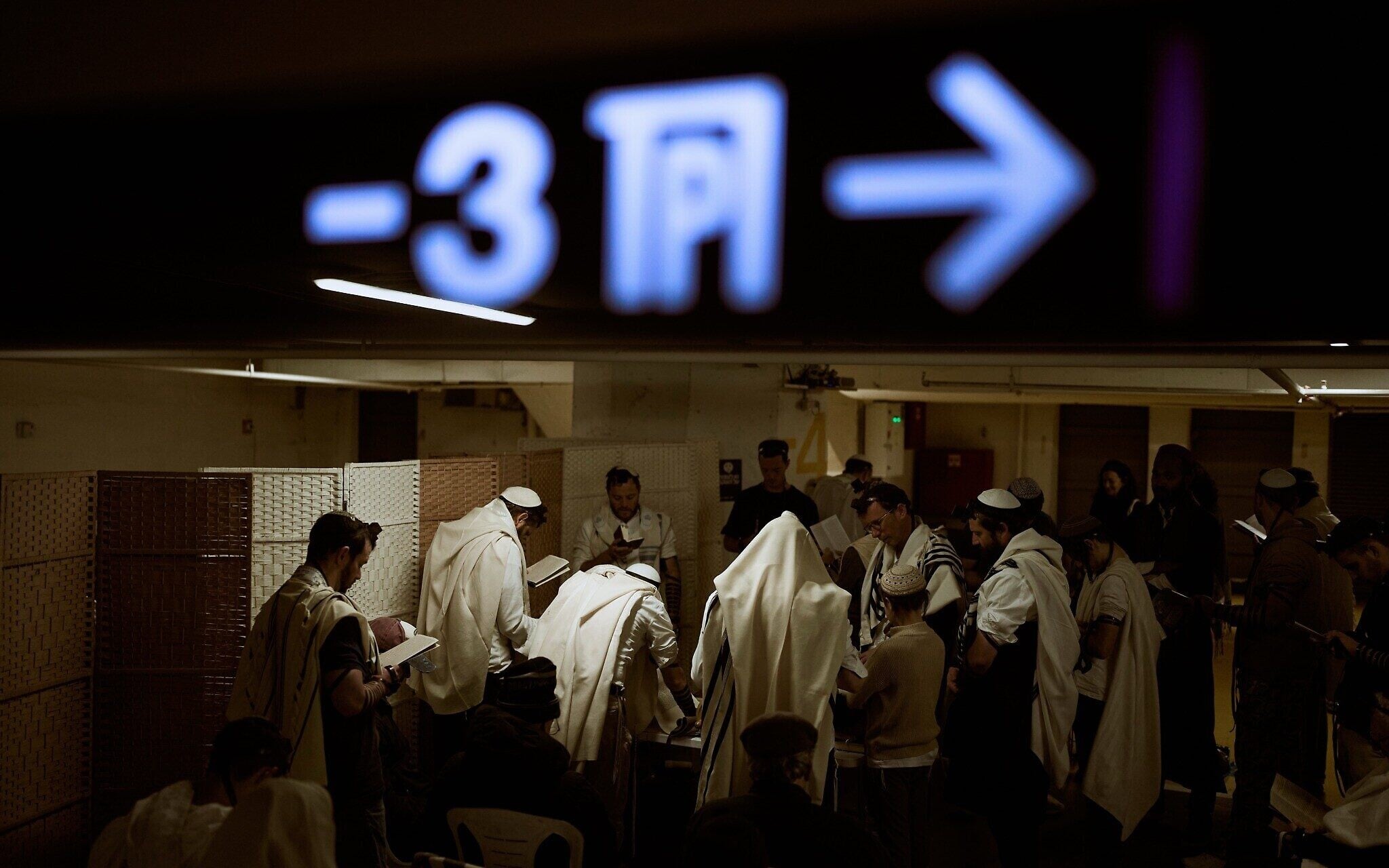
One corner becomes an impromptu prayer hall, where a circle of men in shawls bow their heads among the shadows. In another section, kids watch TV at a children’s play zone.
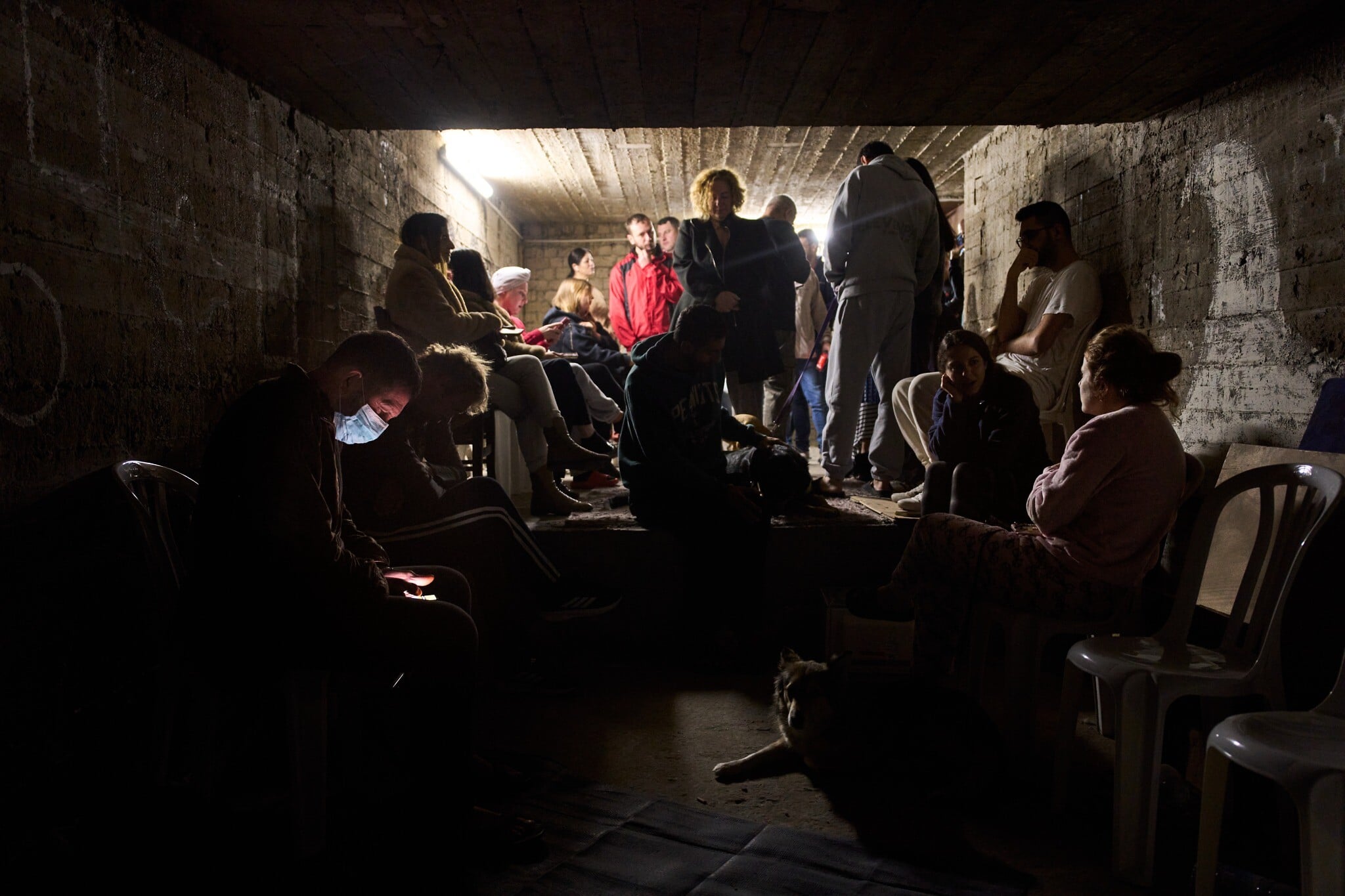
The photos give a look at daily life transplanted into sometimes claustrophobic spaces – down to the pets. A dog lies across the lap of a sleeping man. Another waits patiently in the darkness as people sit worried, bored, impatient, under a shelter’s neon light and the glow of a phone.



The Times of Israel Community.