

 From the Liveblog of
Sunday, April 26, 2026
From the Liveblog of
Sunday, April 26, 2026
Ahead of Tel Aviv vote, Eisenkot calls on mayors to oppose Haredi municipal rabbis opposed to draft
 Add ToI as a Preferred Source on Google
Sam Sokol is a former political correspondent at The Times of Israel. He was previously a reporter for the Jerusalem Post, Jewish Telegraphic Agency and Haaretz. He is the author of "Putin’s Hybrid War and the Jews"
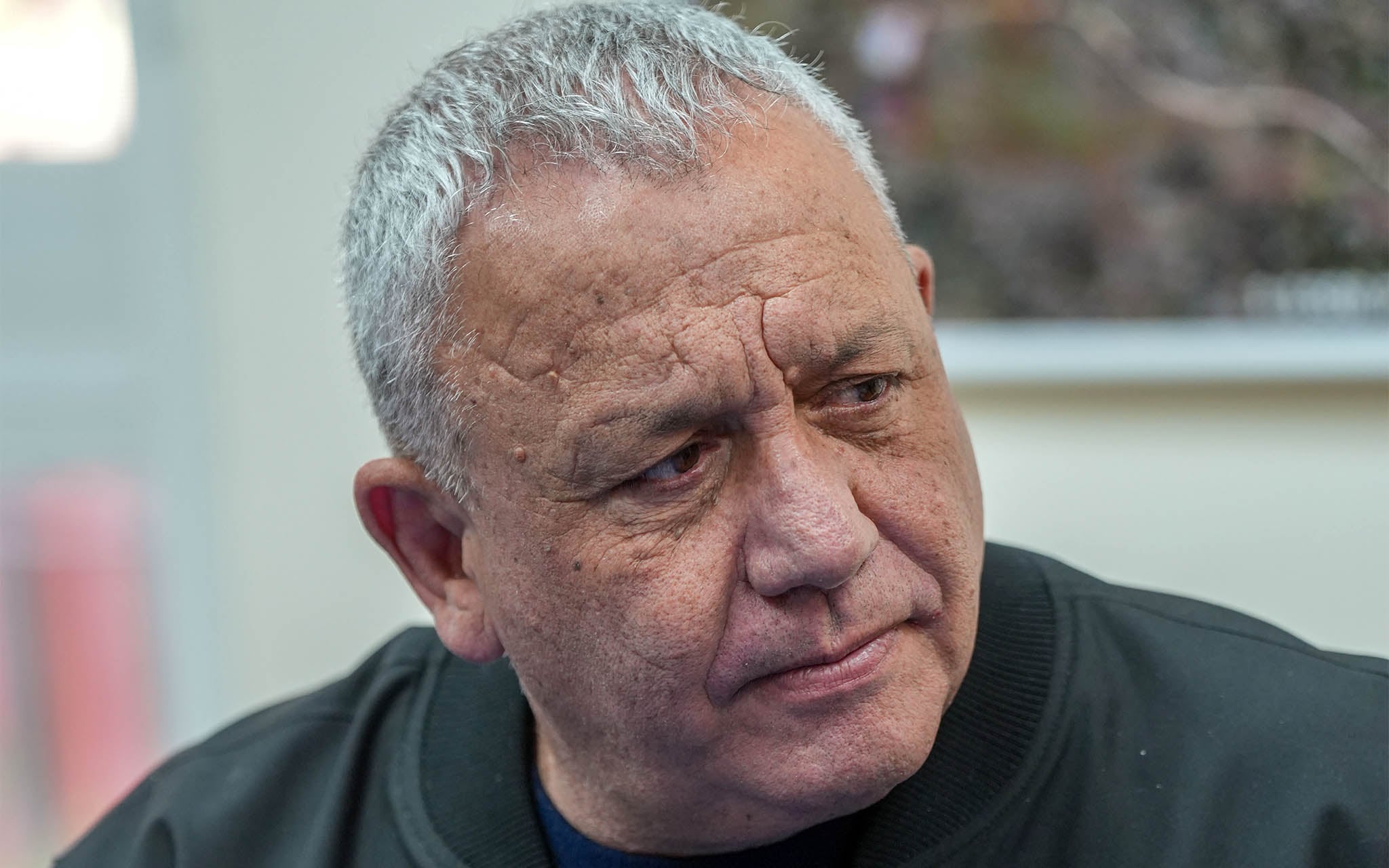
With a Tel Aviv committee poised to vote for the city’s first chief rabbi in nearly a decade, Yashar chairman Gadi Eisenkot calls on mayors across Israel to oppose the appointment of ultra-Orthodox municipal rabbis who are opposed to military service.
“Municipal rabbis, as well as the chief rabbis of Israel, must be leaders who unequivocally champion support for enlistment in the IDF and national service. I appeal to the mayors of Israel: Do not lend a hand to the selection of a rabbi who does not support enlistment in the IDF,” posts Eisenkot on X.
“The residents of the city who serve in the regular army and reserves deserve a city rabbi who represents them and the values of military service, mutual responsibility, and Israeli solidarity,” he says.
Shas-backed Rabbi Zevadia Cohen is considered the likely winner of today’s race in Tel Aviv. He is the head of the city’s rabbinical courts and is close to the Yosef rabbinical dynasty, and especially to former chief rabbi Yitzhak Yosef, son of the late chief rabbi, Sephardic sage and Shas founder Ovadia Yosef, and brother to current Chief Rabbi David Yosef.
Shas has long seen control of local rabbinates as key to growing and maintaining its political base and has pushed for legislation and regulations that would give it increasing influence over the appointment of municipal rabbis.
Municipal rabbis are meant to serve as the direct religious authority for the Jewish residents of their city or town, signing off on things like marriage licenses and kosher certificates for local restaurants.
However, the appointment process for the positions has long been beset by allegations of corruption and political horse-trading, prompting a number of appeals to the High Court over the years, along with highly critical state comptroller reports.
The next chief rabbi of Tel Aviv will be chosen by a 64-member committee that will cast a secret ballot — 50 percent of the votes go to to city council members and the municipality director general, with the rest of the ballots evenly split between public representatives chosen by the municipality and by the religious services minister.




The Times of Israel Community.