

More Israelis now define identity as ‘Jewish first’ amid shifting Diaspora ties, survey finds
Diaspora Ministry study shows a rise of Jewish identity and pride alongside a declining sense of responsibility for overseas Jews
 Add ToI as a Preferred Source on Google
Zev Stub is the Times of Israel's Diaspora Affairs correspondent.
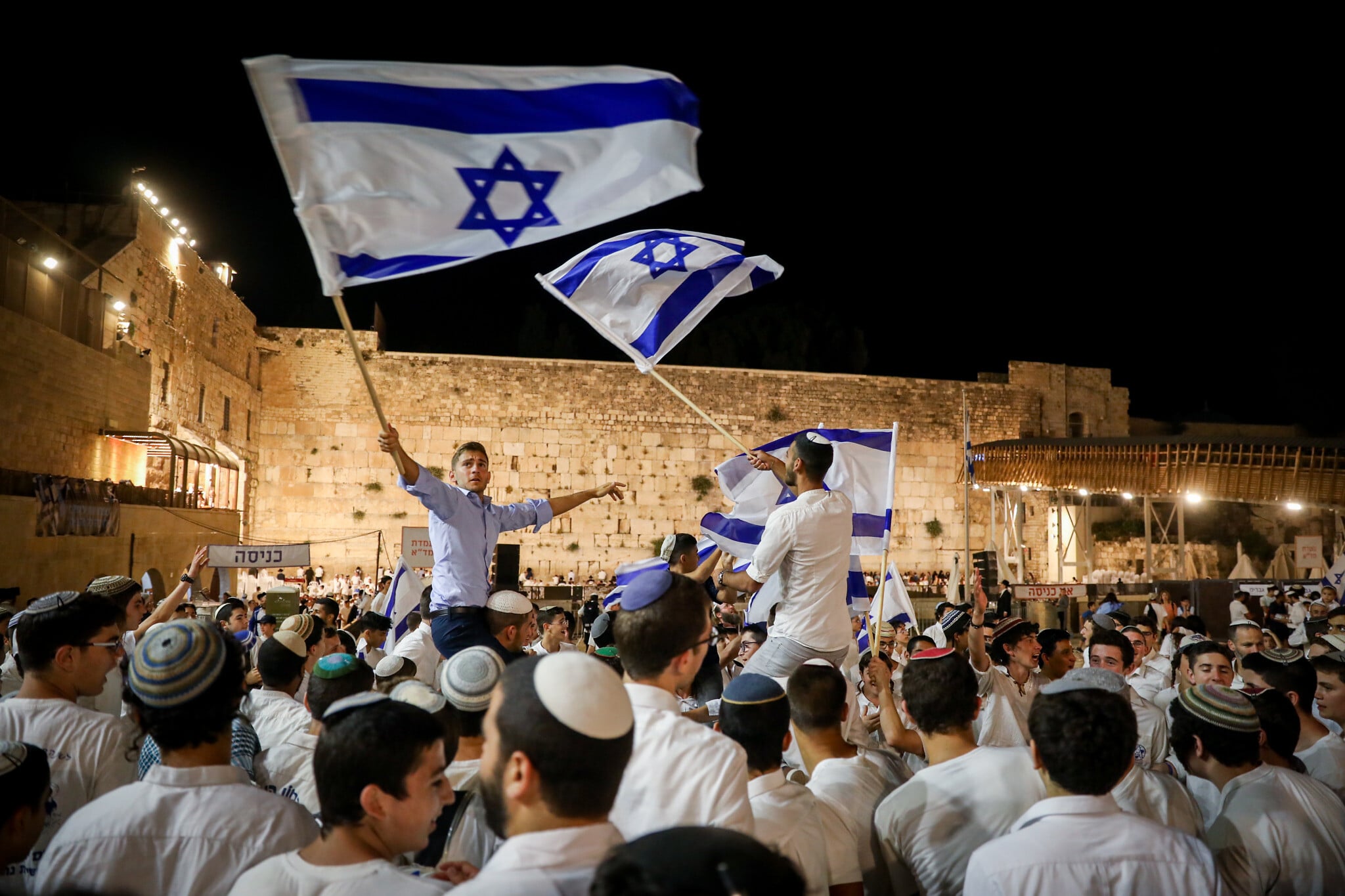
Israelis are increasingly defining their identity in Jewish rather than national terms, even as attitudes toward Diaspora Jewry become increasingly isolationist, according to a survey published by the Diaspora Affairs Ministry on Monday.
The study, published as part of the ministry’s Diaspora Week initiative, found that 57% of Israeli Jews now define themselves as “Jewish first,” compared with 34% in last year’s survey. That’s the highest level recorded in the past decade, and comes at a time when many fear that Israeli and Diaspora communities are drifting farther apart than ever on issues related to Israeli politics and security.
While Israelis increasingly view overseas Jewish communities as “brothers,” they increasingly expect the support of Diaspora Jews even as their willingness to support overseas initiatives declines, the survey found. Officials described the trend as a deepening of Jewish identity alongside a “contraction” in perceived mutual responsibility.
Some 94% of respondents said they expect Diaspora Jews to support Israel during times of war. At the same time, while 72% believe the State of Israel has a responsibility toward Jewish communities in the Diaspora, only 20% of respondents said Israel should allocate financial resources to assist Jews abroad. Just 22% said they would personally contribute financially to strengthening Jewish identity in Diaspora communities, the survey found.
Some 66% said they view intermarriage and assimilation in Jewish communities abroad as a significant threat to the Jewish people, with 54% saying the issue personally concerns them.
Meanwhile, 87% of respondents say they are proud of being Jewish and that their Jewish identity is meaningful to them. About 85% said that Judaism is more than a religion and represents a shared peoplehood with common history and roots. Support for that view was particularly strong among secular Israelis, at 82%.
The survey, based on a representative sample of 1,216 Israeli Jews aged 18 and older conducted in February, has a maximum margin of error of 3.1%, the ministry said.
It comes at a time when many overseas communities say they feel increasingly alienated from Israel due to policies of the right-wing government related to issues like conversion and access to the Western Wall. Israel’s conduct in the war against Hamas in Gaza and the treatment of the Palestinians has further deepened these feelings.
Only one-third of American Jews say they identify as Zionist, even as nearly nine in 10 say they support Israel’s right to exist as a Jewish and Democratic state, according to research published by Jewish Federations of North America earlier this year.
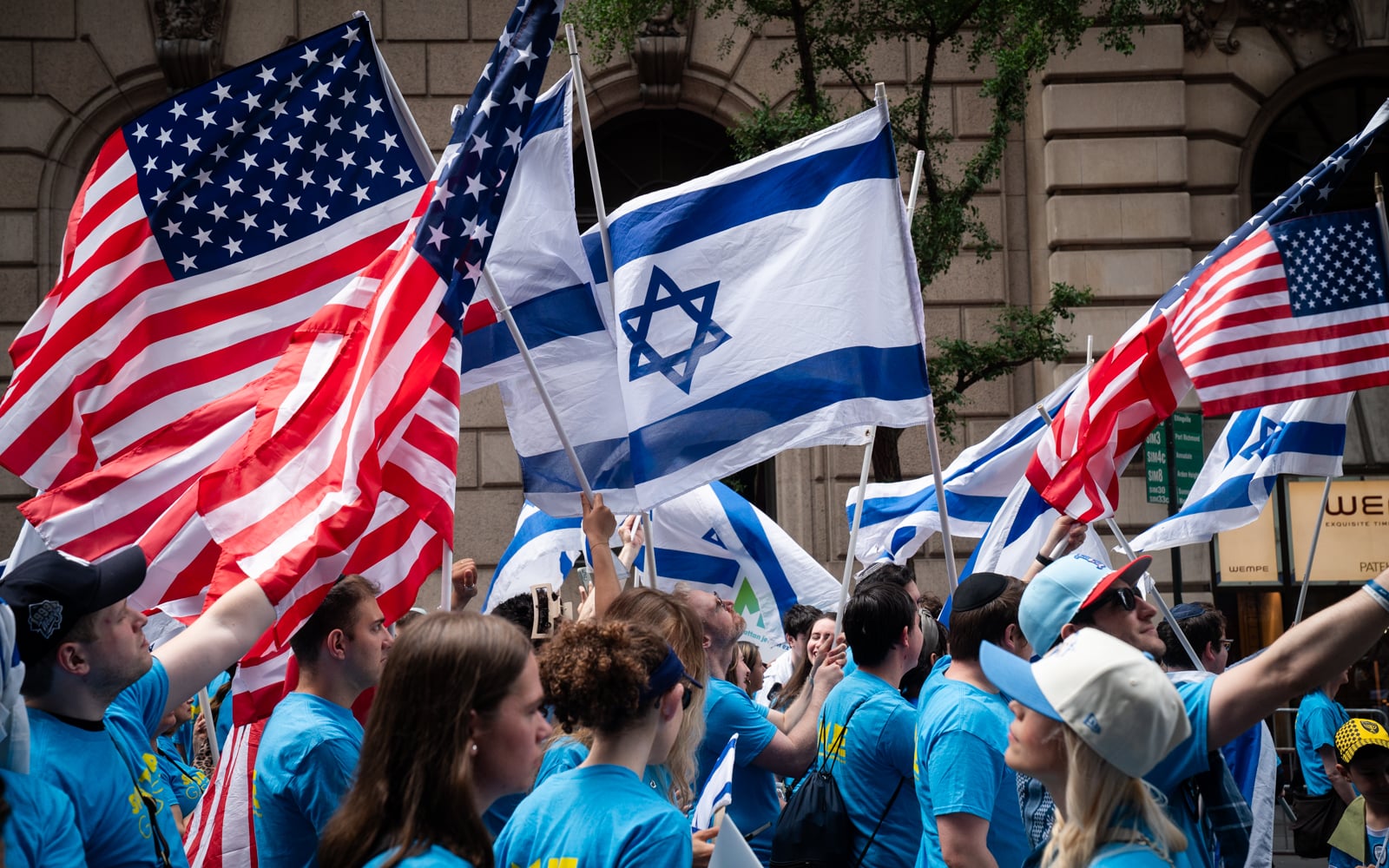
The report was presented to President Isaac Herzog on Monday during Diaspora Week, which aims to strengthen ties between Israelis and Jewish communities around the world through educational programs, public events and new government investments. As part of the initiative, the government has approved more than NIS 100 million ($28 million) in funding for programs to promote Jewish identity and connection to Israel among Diaspora Jews, the ministry noted.
“The State of Israel sees the relationship with Diaspora Jewry around the world as a value of the highest order and an inseparable part of the national identity of the country,” Herzog said. “It is our duty to continue to cultivate this deep connection, to strengthen the sense of mutual responsibility between the parts of the Jewish people, and to instill in future generations the importance of the connection between the State of Israel and Jewish communities around the world.”
During the week, school programs, teacher training workshops, youth activities and community gatherings will be held across the country, including special programs offered in communities on Shabbat, the ministry noted.







The Times of Israel Community.