

Medical aid group urges countries to take in tens of thousands of Gazan patients
Doctors Without Borders says current intake is ‘drop in ocean,’ pace of evacuations has slowed in recent months despite ceasefire; warns hundreds have died waiting for medical care
 Add ToI as a Preferred Source on Google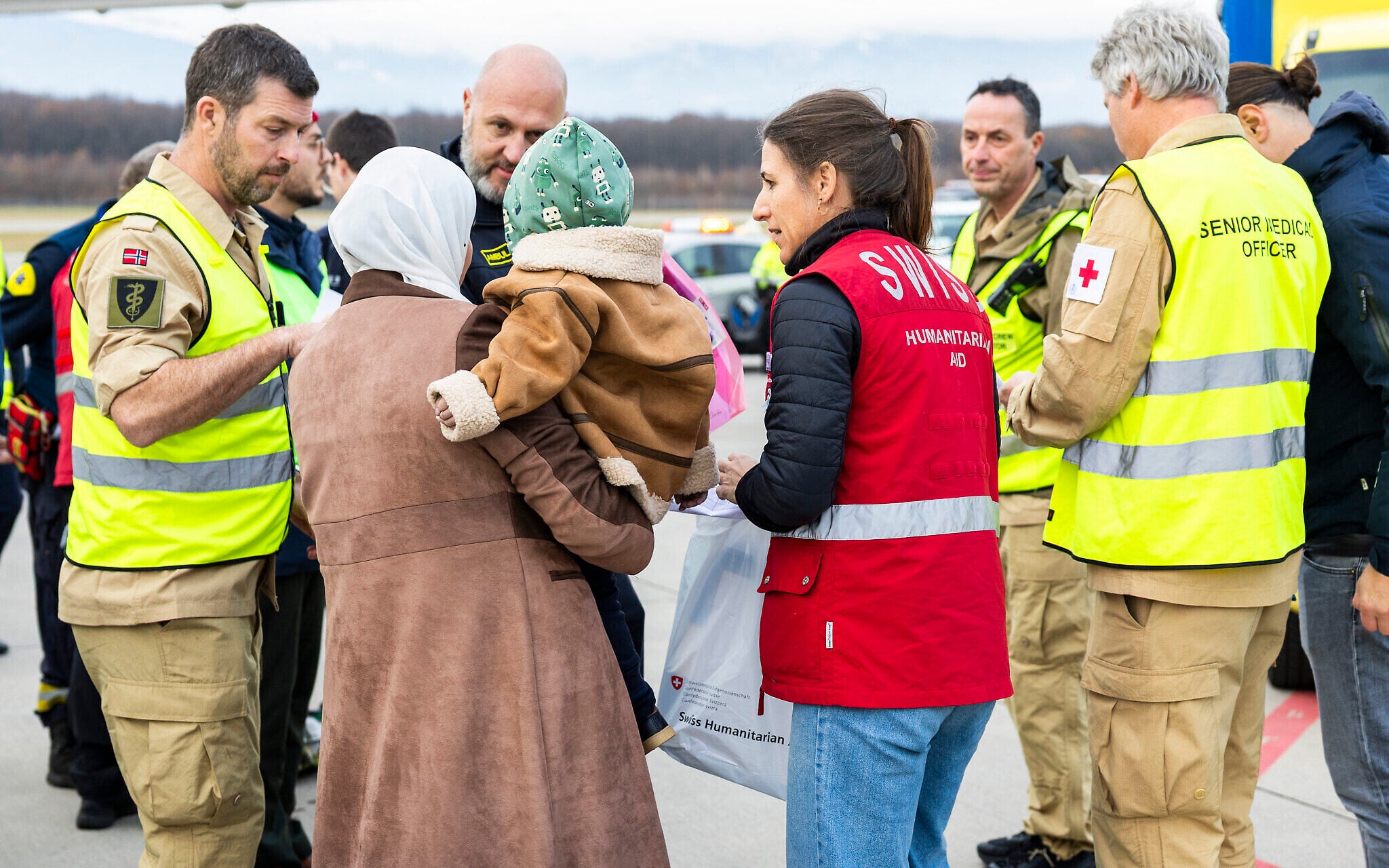
GENEVA, Switzerland — A Doctors Without Borders official has pleaded for countries to open their doors to tens of thousands of Gazans in dire need of medical evacuation, warning that hundreds have already died waiting.
“The need is really huge,” said Hani Isleem, who coordinates medical evacuations from Gaza for the charity, known by its French acronym MSF.
The numbers taken in by countries so far remain “just a drop in the ocean,” Isleem told AFP in an interview on Tuesday.
The World Health Organization estimates that more than 8,000 patients have been evacuated out of Gaza since the war erupted following the Hamas-led massacre inside southern Israel on October 7, 2023.
It says more than 16,500 patients still need to be taken for treatment outside of the Palestinian territory.
Speaking at the MSF headquarters in Geneva after accompanying seriously ill and injured Gaza children to Switzerland for treatment, Isleem said that the number was based only on patients registered for medical evacuation, and the true figure was higher.
“Our estimate is that it is three to four times that number,” he said.
To date, over 30 countries have taken patients, but only a handful, including Egypt and the United Arab Emirates, have accepted large numbers.
In Europe, Italy has taken over 200 patients, while large countries like France and Germany have taken none so far.
Evacuation pace slowing
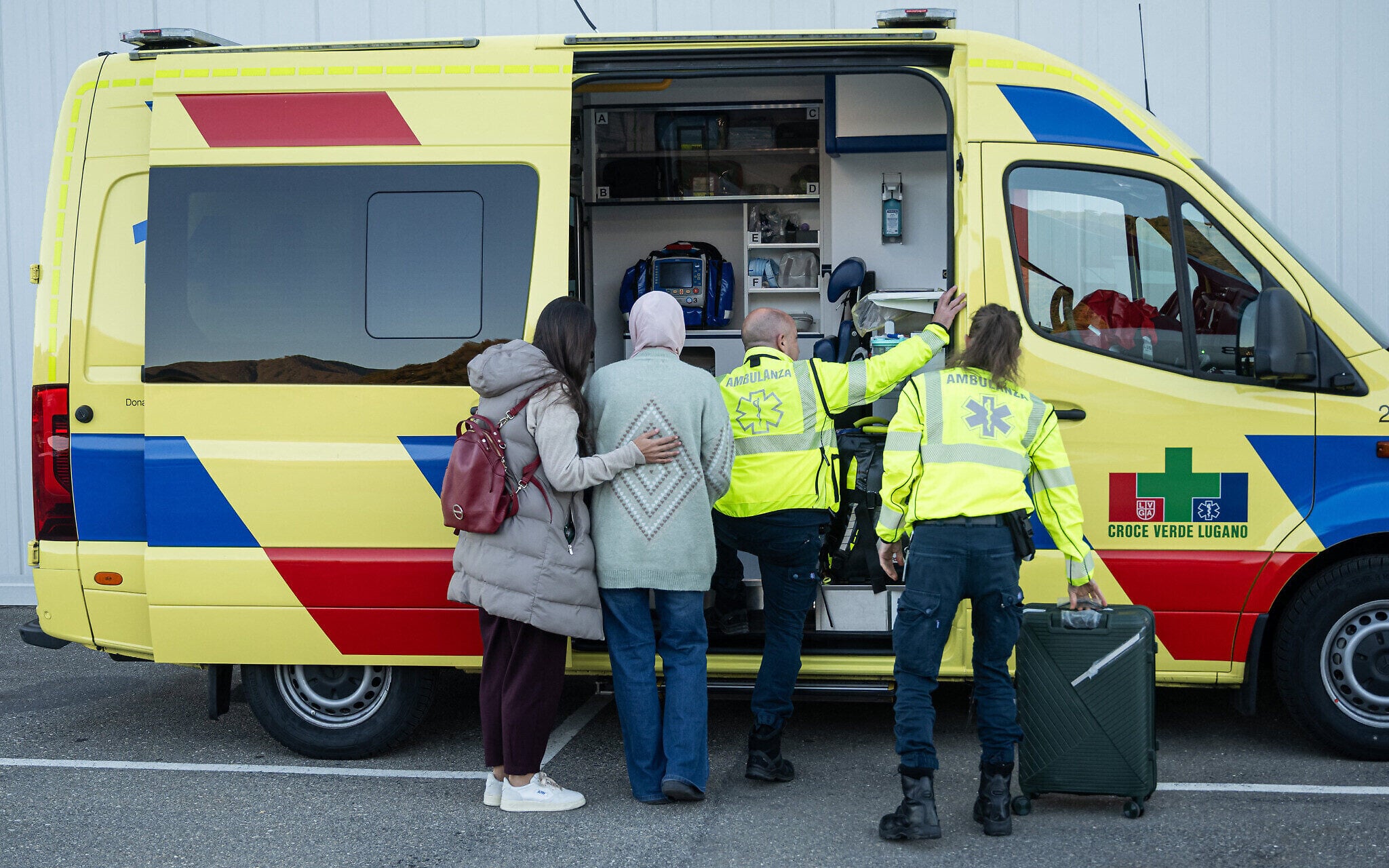
Switzerland, in November, took in 20 Gaza children who arrived in two batches.
The 13 children aged two months to 16 years whom Isleem accompanied last week included four babies with severe congenital heart disease, as well as cancer patients and children requiring complex orthopedic surgery.
Without the evacuation, some of those children would not have made it, he said, pointing out that the babies basically went straight to surgery after their arrival in Switzerland to avoid “irreversible damage.”
Isleem lamented that the pace of medical evacuations has slowed, even as conditions in Gaza become more desperate.
Initially, some 1,500 patients left each month on average, but after Israel closed the Rafah crossing into Egypt last May, the monthly average has dropped to around 70.
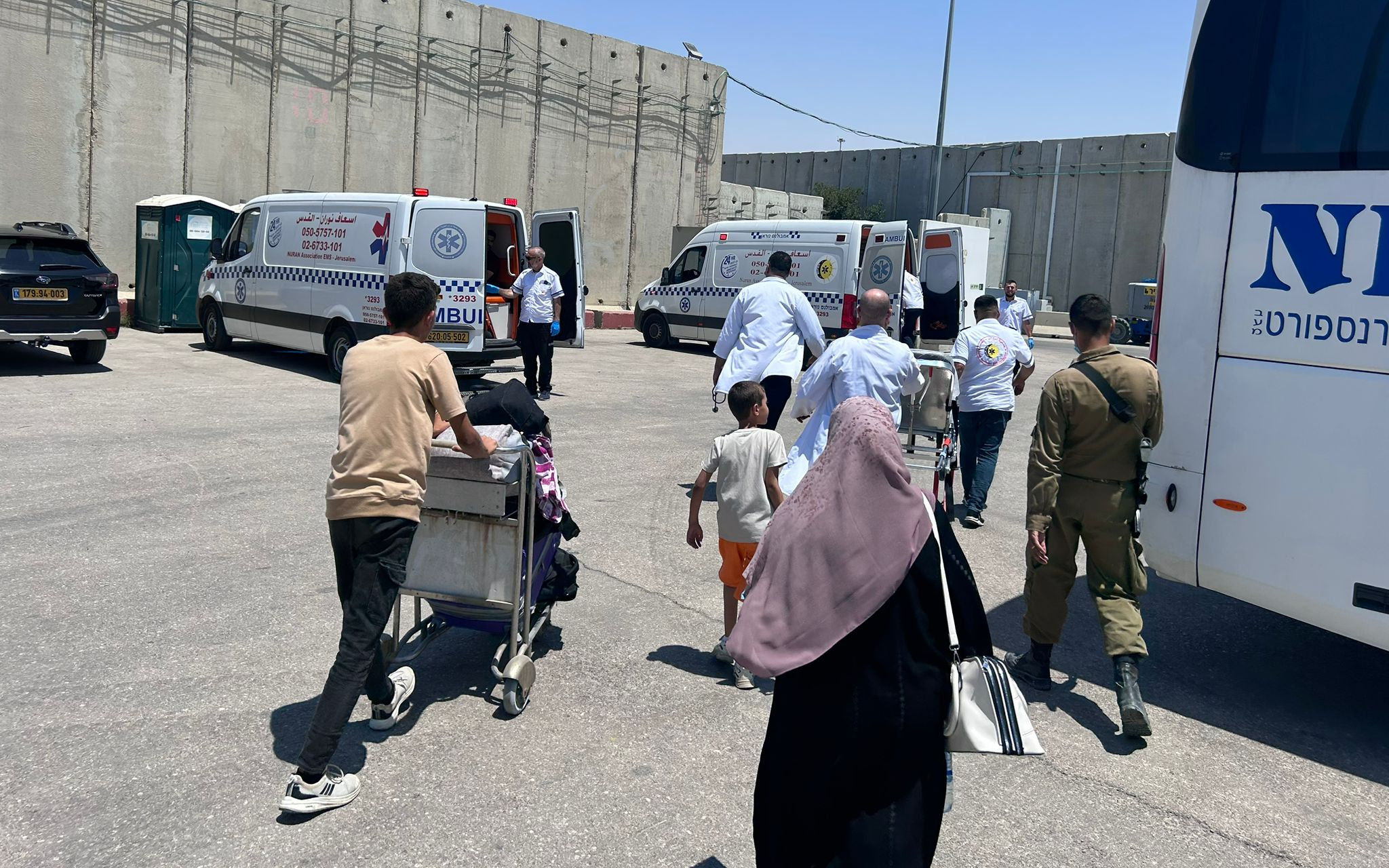
Israel has said the crossing would remain shuttered until Hamas “fulfills” its part in the US-brokered hostage-release ceasefire deal that came into effect in October. Hamas has yet to return the bodies of two hostages held in Gaza since October 7, 2023: police Master Sgt. Ran Gvili and Thai national Sudthisak Rinthalak. On Wednesday morning, however, Israel said the crossing would reopen within days.
Isleem also pointed out that the Israeli authorities’ denial rate had plunged from an average of around 90 percent to just 5% in recent months, adding that this was still too high.
They should not “block any patients from leaving Gaza to access treatment,” he said.
COGAT, the arm of the Israeli military that oversees aid flows into Gaza, has previously said that approvals are subject to security checks.
Stop the ‘shopping list’
Despite the ceasefire, there has been no big uptick in evacuations, with 148 carried out in October and 71 last month, with only around 30 expected to take place in December, Isleem said.
The problem, he said, was the long and often “politicized” process for nations to accept Gaza’s medical evacuees.
“Countries are taking a long time to decide or allocate the budget for these patients, but [they cannot] wait for this discussion to happen.”
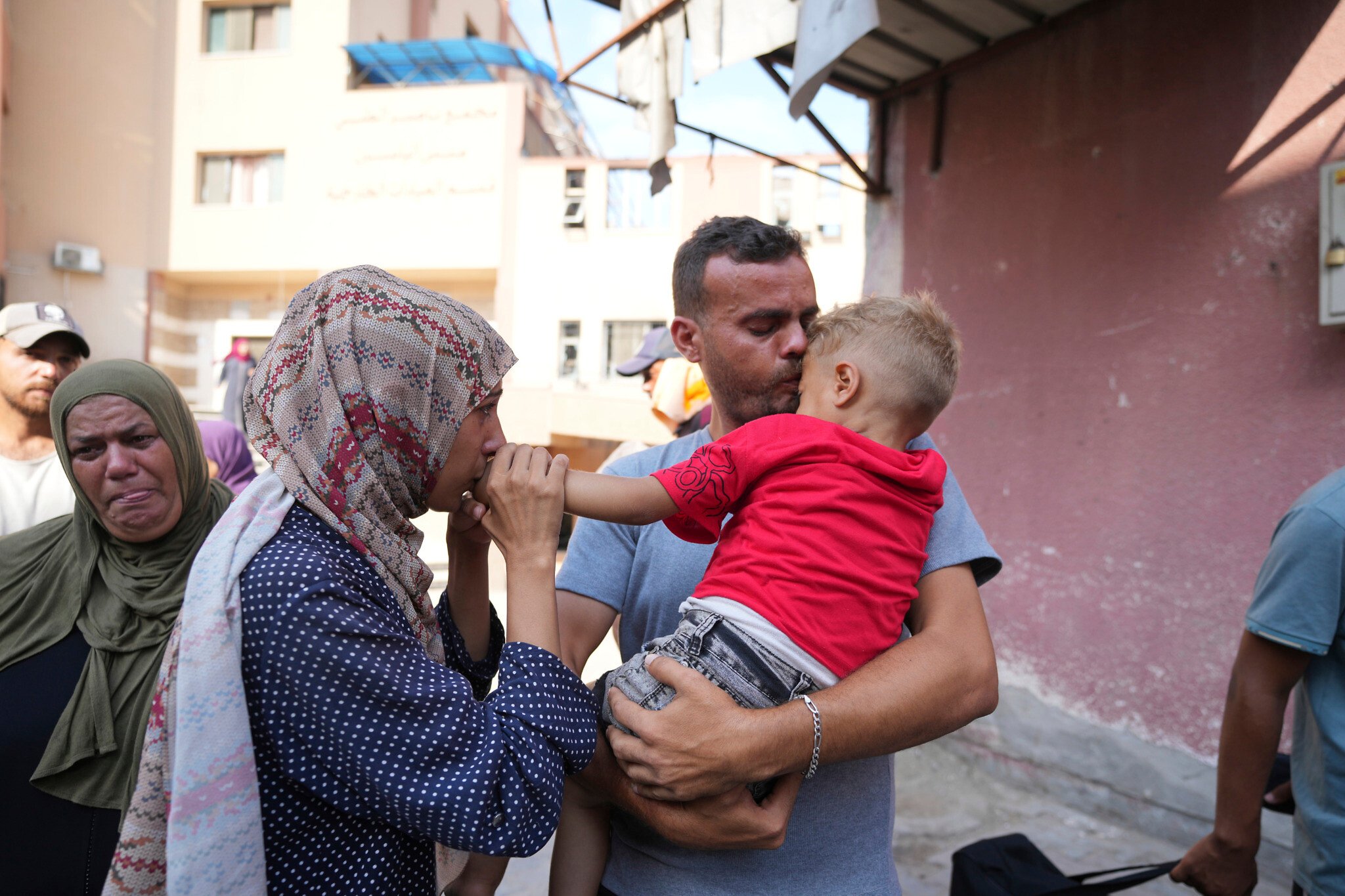
More than 900 people have died while waiting for evacuations from Gaza since October 2023, according to the World Health Organization, a figure Isleem said was an underestimate.
Another problem, Isleem warned, was that “99.9% of countries are asking for children.”
“They are ignoring completely the adults [who also] need support and lifesaving aid,” he said, pointing out that three-quarters of those waiting for medical evacuations were over 18.
Governments also impose other criteria, including refusing patients with accompanying family members, and especially with any male siblings over 18 — likely to avoid the entry of terror group members.
Isleem urged countries to “stop this selection shopping list,” and to “focus only on the needs and saving people’s lives.”
Times of Israel staff contributed to this report.




The Times of Israel Community.