

New Netflix series ‘Mo’ tells story of a Palestinian refugee family in Texas
The humorous and heartbreaking show from comedian Mohammed Amer is a heavily autobiographical tale about identity, belonging and displacement

 Add ToI as a Preferred Source on Google
Amy Spiro is a reporter and writer with The Times of Israel
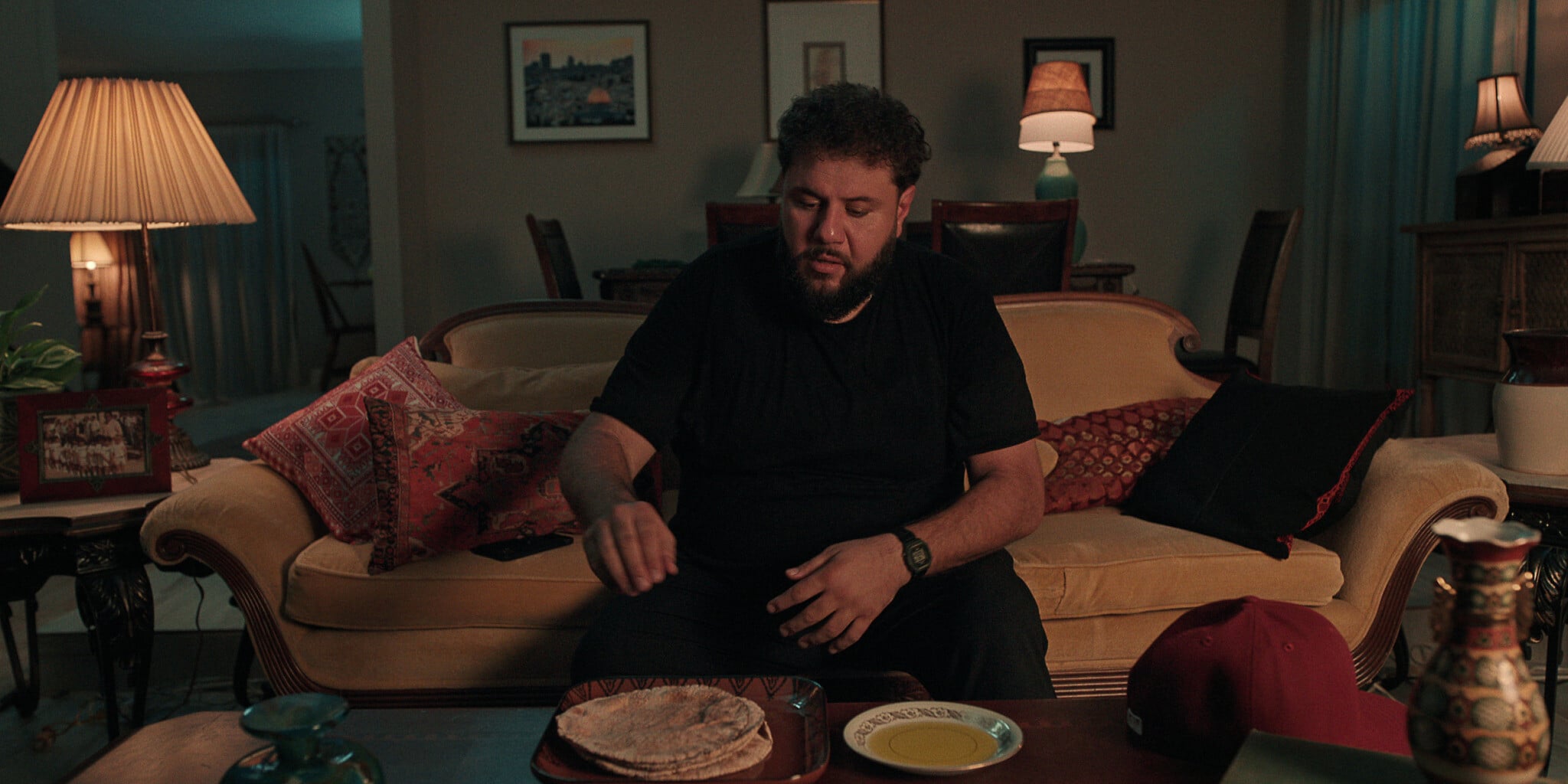
Mo Najjar takes his hummus seriously.
The protagonist of the new Netflix series “Mo,” which hit the streaming service on Friday, doesn’t take kindly to adulterations of his favorite food, calling snack-cup hummus a “damn war crime” and telling a woman hawking chocolate hummus: “You know what you just did, you just insulted my grandmother.”
It’s the kind of approach that can even unite Israelis and Palestinians behind a common cause.
The show, created by and starring stand-up comedian and actor Mohammed Amer, is heavily autobiographical, drawing on his complex identity and history. Like Mo Najjar, Mo Amer was born in Kuwait to a Palestinian family hailing from the village of Burin near Nablus in the West Bank.
His family fled Kuwait for Texas after the Gulf War in 1991, when Mo was 9 years old, settling in Houston, where they spent 20 years trying to gain legal residency while navigating the challenges of being undocumented and lacking both health insurance and working papers. Both the real-life and the fictional Mo had a relationship with a Mexican Catholic woman, complete with culture clashes and familial disappointment. And both struggled with the trauma of fleeing war as well as losing their father as a teenager.
Amer has also explored his complicated identity in two Netflix stand-up specials, 2018’s “Mo Amer: The Vagabond” and 2021’s “Mohammed in Texas.” He also co-stars in the Hulu series “Ramy,” about a first-generation American Muslim with Egyptian roots living in New Jersey.
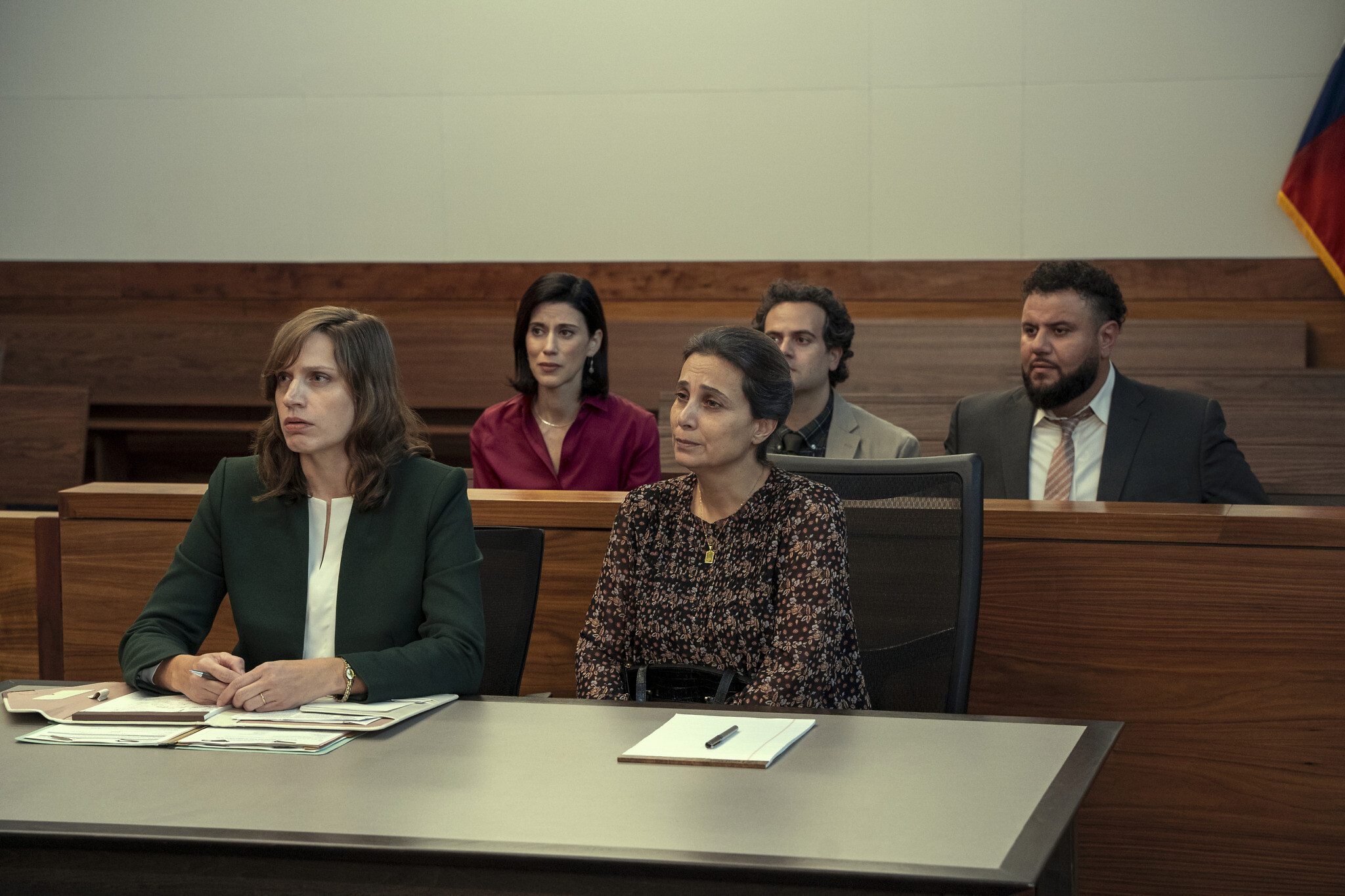
The comedian said he felt a great deal of responsibility when creating and filming “Mo.”
“This is the first-ever [American] show starring a Palestinian with a Palestinian family fleeing war,” Amer told CNN last week. “How do you handle that? How do you balance out all the stories that I’ve accumulated? We had an embarrassment of riches because it was based off of my life, and fortunately and unfortunately, it was a lot that we went through.”
Mo’s Palestinian identity is front and center in the sitcom, as he constantly asserts his strong connection to the place he notes he has never been able to visit. (After finally being granted US citizenship in 2009, Amer and his family were able to travel to the West Bank and Jerusalem in 2016).
Amer told NPR last week that “I definitely identify as Palestinian American, but I — you know, it’s one of those things that as a refugee-asylee in America, someone that’s trying to fit in and feel like — have some kind of sense of belonging, you kind of become a chameleon,” he said. “I definitely identify as a Texan Palestinian. I mean, I know this feels like a juxtaposition and kind of, like, two worlds that should be colliding, but I feel very much at home with those two worlds.”
“Mo,” which is at once heartbreaking and sharply funny, spotlights Amer’s identity as a Muslim, a Palestinian, a refugee and an asylum seeker and even a Houstonian. But references to the Israel-Palestinian conflict are more often played for laughs than dramatic effect.
Interrupting a pair of bickering Arab and Jewish friends in the show, Mo asks “Rabin, Arafat, you guys done recording your podcast?” Telling a Texan that he’s Palestinian and hearing “Shalom” in response, Mo replies: “Yeah, it’s a real branding issue.” And playing arcade games one night, he tells his friends, “It’s like throwing rocks, Palestinians should be the best at this.”
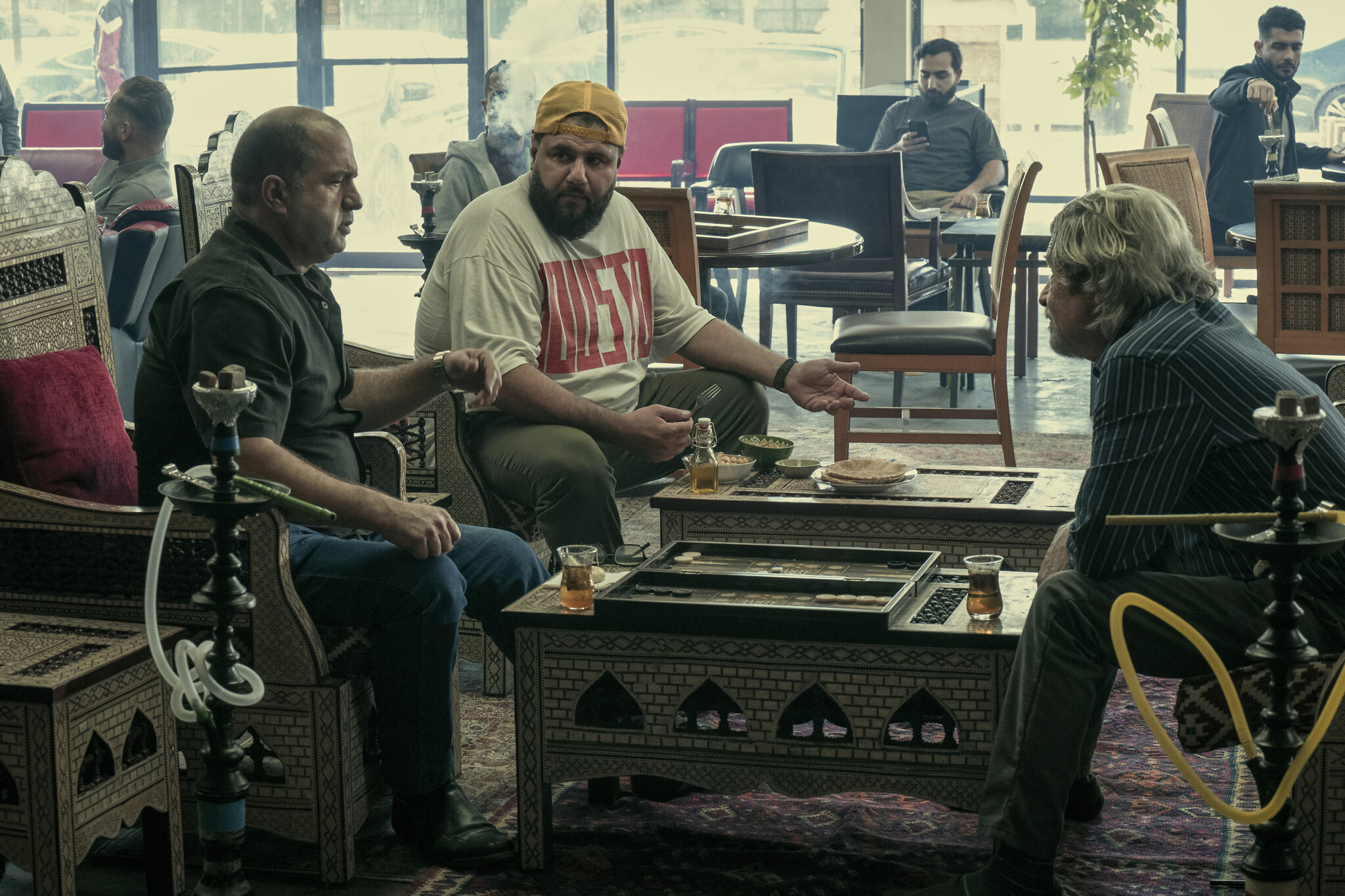
Swapping out the family’s longtime but ineffective Palestinian immigration lawyer for an on-the-ball Jewish attorney generates both some comedic and some heartfelt moments.
Amer said it was important for his identity to be a focus on the show without feeling like propaganda.
“Obviously, that’s part of our origin story,” he told Variety. “It was important to communicate that very clearly without being over the top. A lot of shows are filled with almost-propaganda and want to push so much in your face. Whereas this is just a really gentle tale of a family that’s struggling emotionally after being displaced a second time and trying to put the pieces back together.”
Ultimately, Amer said, he sought to tell his own very narrow story as a way to relate to much broader audiences.
“This story is uniquely mine, it’s an immigrant refugee story, but there’s many out there, there’s many people out there that feel the way I feel, or can relate to the story,” he told MSNBC. “This is a story about belonging, about feeling equal to the person next to you, anybody can relate to that.”




The Times of Israel Community.