

Palestinian cop who joined lynching of 2 Israeli reservists to go free in Gaza deal
Victim’s brother calls release of Raed Sheikh ‘inconceivable’ so close to 25th anniversary of Ramallah police station lynching, in which cop joined murderous mob
 Add ToI as a Preferred Source on Google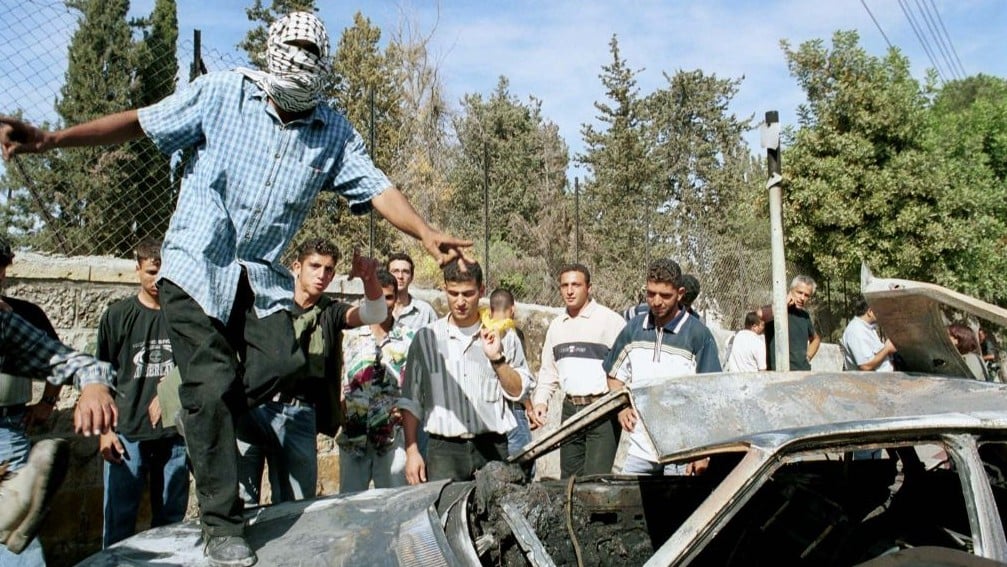
As Israelis on Sunday marked 25 years since a Palestinian mob lynched two Israelis in a Ramallah police station, one of its perpetrators was set to go free in the first phase of the hostage release and ceasefire deal.
Raed Sheikh was a Palestinian police officer who took part in the October 12, 2000, lynching of IDF reservists Vadim Norzhich and Yossi Avrahami after they accidentally entered the West Bank city and were taken into police custody.
A frenzied crowd quickly formed around the police station that morning as rioters called for their death. The rioters eventually stormed the building and murdered the two Israelis, mutilating their bodies and later parading them around Ramallah’s city center.
During the break-in, Sheikh took an iron rod to Norzhich, beating his head in until he bled profusely, according to the indictment. Sheikh was arrested months after the lynching and convicted by a West Bank military court in 2003, which sentenced him to two life terms.
“I took an iron pipe, about 25 centimeters long, and went to the room where the two reservists were placed,” Sheikh acknowledged. “I saw the Russian soldier alive and on his feet. I approached him with the pipe in my hand and I hit him across his body… five times, and his head. The soldier began making a grunting noise… I hit the soldier with pipe while others attacked him.”
Sheikh will be deported abroad following his release, according to the Justice Ministry.
Norzhich’s brother, Michael, called the terror convict’s pending release “inconceivable,” noting it is so close to the 25th anniversary of his sibling’s murder.
The bereaved brother said the victim left behind a pregnant wife, Irena, and a son, David, who never got to meet his father.
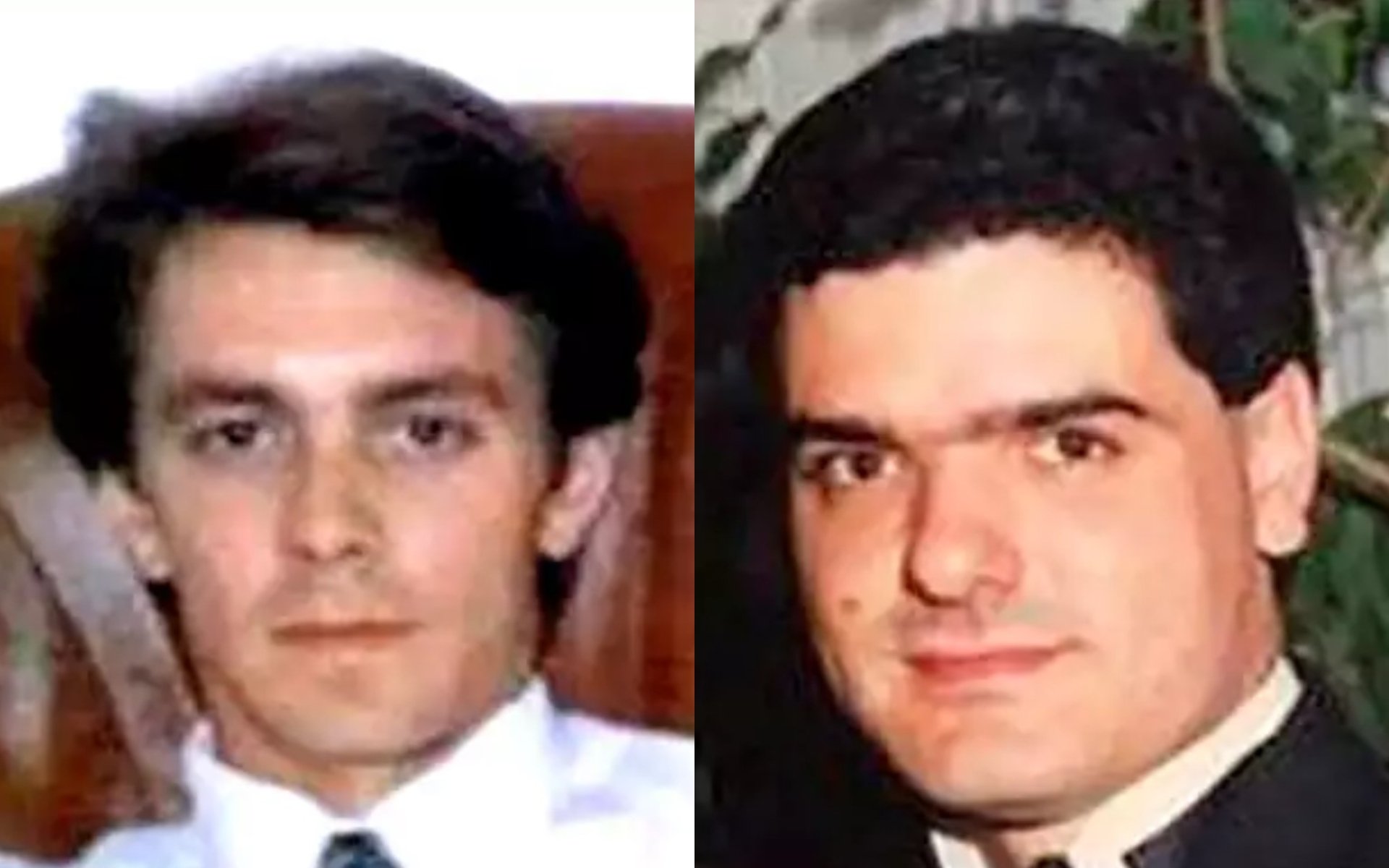
“If we are freeing the murderer, it should be clear — aside from the great pain of me and my family — the terrorist will return to terror,” Norzhich told Ynet. “They will go back to killing the Jews; this is their real goal.”
However, he added that he was happy for the hostages expected to return home to their families, calling their release “very important and moving.”
Aziz Salha, one of the main participants in the lynching, who was filmed, jubilant, hands covered in blood, at a window of the police station, was sentenced to life imprisonment in 2004, but released in the 2011 Gilad Shalit deal, deported to Gaza, and killed in an Israeli airstrike last October.

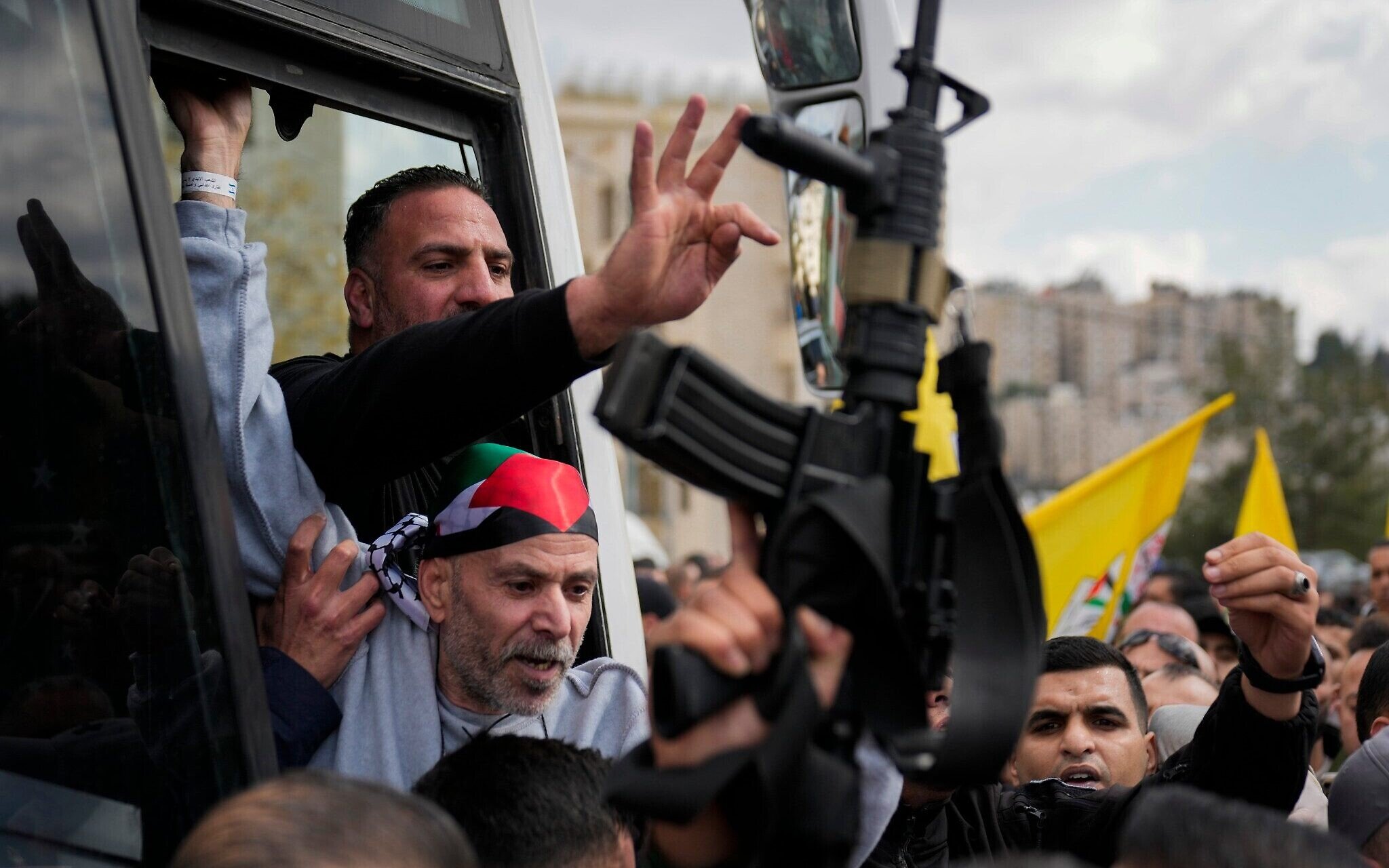
Sheikh is one of 250 Palestinian security prisoners expected to be freed in exchange for the release of the 48 remaining hostages held by terror groups in Gaza, including 20 believed to be alive.
All 250 prisoners are serving one or more life terms for severe terror offenses, including murder. They will only go free once all hostages — living and dead — are returned to Israeli territory.
Of the convicts, 115 will return to their homes in the West Bank and East Jerusalem, while another 135 will be deported to locations abroad, which could include Gaza.
Alongside the security prisoners, another 1,722 Gazans, including 22 minors, who were captured amid the war but were uninvolved in the October 7 massacre, will be released back to the Strip, alongside the remains of 360 dead Gazans.
Even though the Justice Ministry published Friday the names of the security prisoners expected to go free, Hamas negotiators are reportedly still disputing those to be included in the final list.
As of Sunday afternoon, the Palestinian Prisoners’ Media Office said “complex obstacles” remained in finalizing the names, claiming that discussions were still ongoing.
Hamas insisted that the list includes seven terror convicts regarded by Palestinians as senior leaders, sources close to negotiators tell AFP.
“Hamas insists that the final list include seven senior leaders, most notably Marwan Barghouti, Ahmad Saadat, Ibrahim Hamed and Abbas Al-Sayyed,” a source said, and similar details were provided by a second source.
Meanwhile, National Security Minister Itamar Ben Gvir was pressing the prime minister to make last-minute changes to the list, urging Benjamin Netanyahu to deport several convicted of murder or attempted murder, rather than releasing them to the West Bank, his spokesman said.
Palestinian media reported Sunday morning that the IDF conducted a series of raids throughout the West Bank on the homes of several prisoners slated for release in and around Nablus and Hebron.
Troops reportedly warned families against hosting receptions celebrating the release of their relatives, outwardly praising terror, or hoisting Palestinian flags upon their return, according to the Palestinian Prisoners’ Media Office.
The Palestinian prisoners have already been transferred to two detention facilities pending their release, Hebrew outlets reported.
Similar to the waves of prisoner releases under February’s hostage deal, West Bank-bound prisoners were taken to Ofer Prison north of Jerusalem, while Gaza-bound prisoners and deportees were gathered at Ketziot Prison in the Negev.
AFP contributed to this report.




The Times of Israel Community.