

Ran Gvili’s return marks the end of a movement that united Jews across the globe
In an era of polarization, a movement linking Jewish people across differences seemed unlikely, but ‘Bring Them Home’ activism showed they can still come together

 Add ToI as a Preferred Source on Google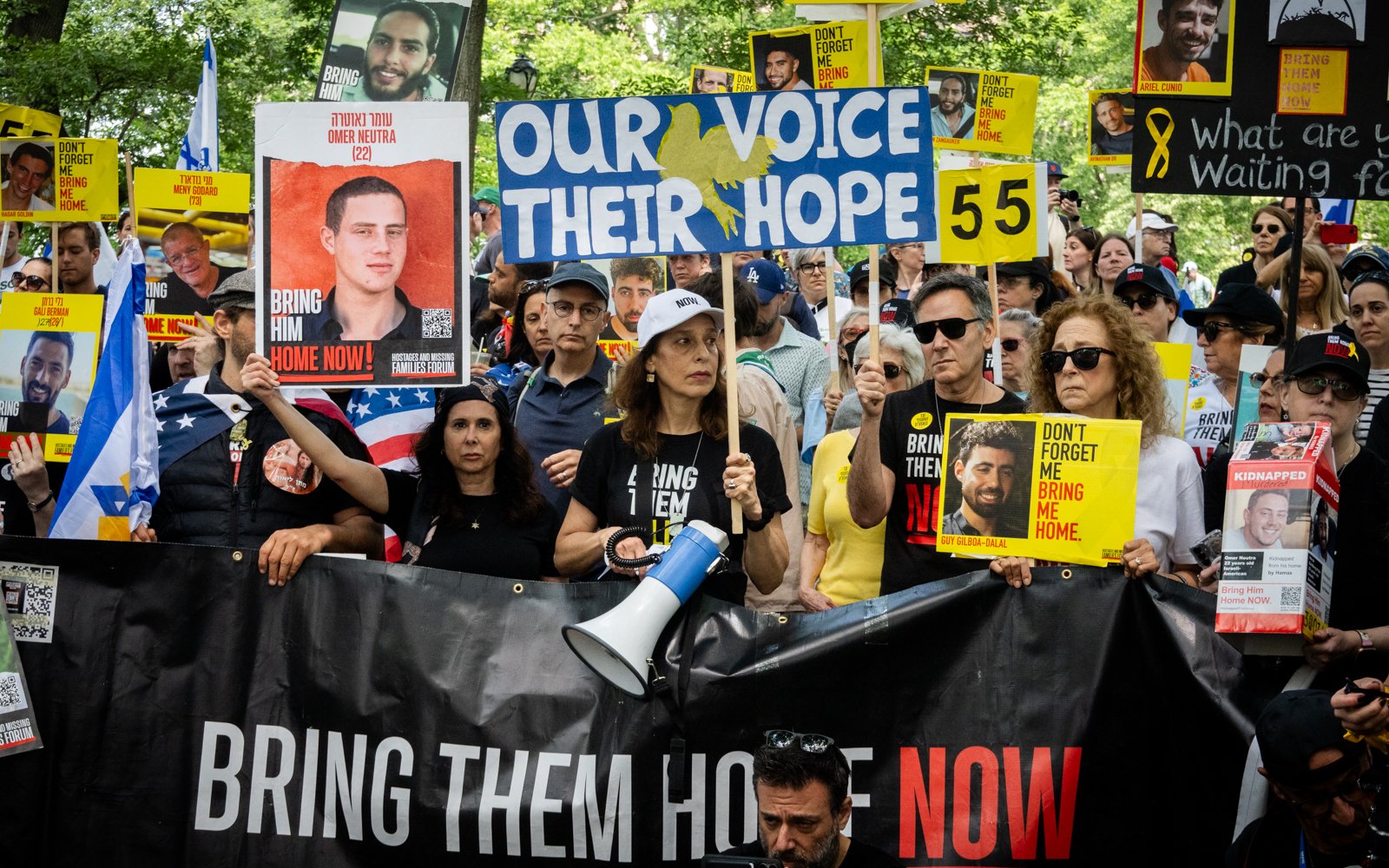
The rally in Washington was the stuff of legends.
A quarter of a million American Jews descended on their nation’s capital, left and right, Orthodox and Reform alike, to demand one thing: Freedom for Soviet Jewry.
That was in 1987. Decades later, that mass protest seemed to belong to a bygone era of comity and solidarity, when Jews could unite across differences to defend their people. In today’s era of hyperpolarization and bitter political feuds, such a gathering seemed unlikely.
Then came October 7, 2023, and the kidnapping of 251 people — Israelis and foreigners, children and the elderly, soldiers and civilians, living and dead — to Gaza at the hands of terrorists, who killed 1,200 more.
Seemingly immediately, Jews got their answer: unity was still possible. A mass, global movement, led from Israel and present in cities across the world, sprang up to “Bring Them Home.”
Yes, there were pockets of dissent, Jewish activists who aligned with the pro-Palestinian, anti-Israel movement and did not emphasize the hostages’ plight. But they were exceptions to a sweeping surge across Jewish communities, especially in the months after October 7, to push for the hostages’ release.
Rallies and runs took place globally. Hostage posters wallpapered cities in multiple languages, creating their own iconography of the crisis. Names such as Hersh Goldberg-Polin, Shiri, Kfir, and Ariel Bibas, Noa Argamani, and more, became familiar on the lips of Jews worldwide.
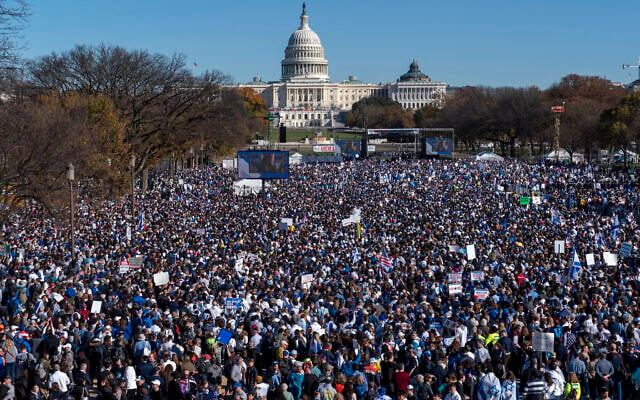
And yes, in November 2023, hundreds of thousands once again descended on Washington, DC, for a rally to support Israel, decry antisemitism, and call for the release of the hostages. Some estimates said the crowd exceeded the one that had filled the National Mall in 1987.
Against that movement, there was a stream of adversity and moments of tragedy.
Hostage posters were torn down, sometimes seemingly as fast as they were hung up. Rallies for the hostages drew counterprotests in Israel as well as in the Diaspora. And in June 2025, a small rally for the hostages in Boulder, Colorado, was firebombed, killing an 82-year-old woman.
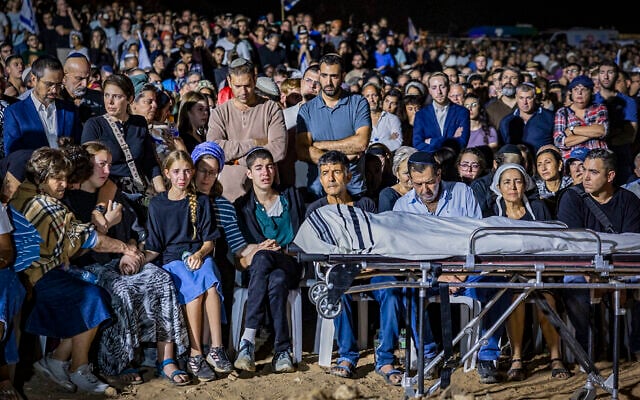
On Monday, after 843 days, the final slain hostage, Ran Gvili, was returned across the border from Gaza into Israel. The movement to bring them all home had succeeded.
By that time, however, Jews appeared far from united.
The war has riven Jewish communities in the US as well as Israel, pitting those of different generations and political views against each other. Israel has continued to be a source of tension at synagogues and Shabbat dinner tables across America.
With Gvili’s return, one consensus issue that cut through all that division is gone. But it is gone because the activists, improbably, achieved their painful, inspiring, and excruciating goal.

Now, the effort to free the hostages can be added to the annals of movements that united a usually fractious Jewish community, alongside the movement for Soviet Jewry and, before that, activism to support Israel in its earlier days.
In a 2017 interview marking 30 years since the Soviet Jewry march, Natan Sharansky, the most prominent refusenik, opined on whether another moment of such unity was still possible. He could not have known about the catastrophe that would occur some six years later. But he was adamant that, yes, Jews could still come together.
“If there’s a part of our people in danger, the level of solidarity is very high,” he said at the time. “From time to time we need to remind ourselves of what unites us. We always talk about what disunited us, but even when we are dealing with some big disappointments… we should not permit ourselves to forget for a moment that what unites us is much bigger.”






The Times of Israel Community.