

Terror in Tel Aviv, anger in Washington
A knife-wielding terrorist injures many in Tel Aviv, and PM gets invited to speak to Congress
 Add ToI as a Preferred Source on Google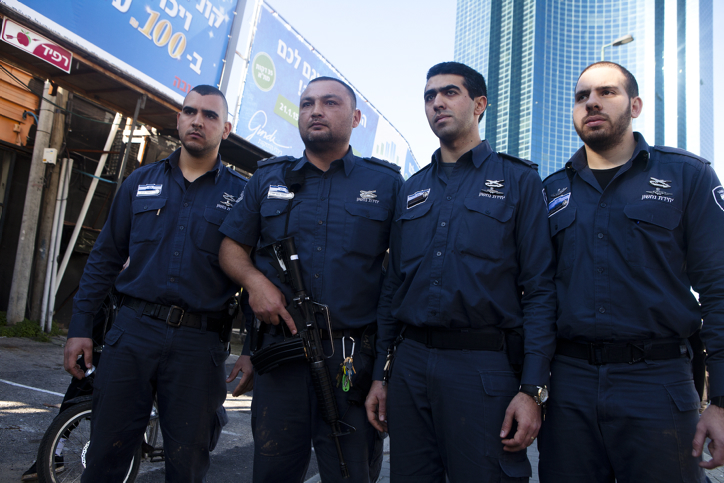
Gruesome images of the aftermath of a terrorist attack in Tel Aviv unite the front pages of Thursday’s Hebrew press.
A knife-wielding terrorist from the West Bank started indiscriminately stabbing people on a Tel Aviv bus line during Wednesday’s morning rush hour. If not for the heroics of the bus driver and others involved, the attack could have ended much worse.
Both Yedioth Ahronoth and Israel Hayom use their front page to honor heroes, with Yedioth using “The heroes of bus 40” while Israel Hayom goes with, “The driver’s heroics.” Haaretz has a longer, informational headline, “Seven severely wounded in a stabbing attack on a Tel Aviv bus, the terrorist was shot and captured.”
All the papers recount the horrific moments during the rush hour commute, but oddly, all papers have different figures of how many were actually injured in the attack. Yedioth writes 13 were injured, Israel Hayom puts the number at 20, and Haaretz says 12 were injured. Regardless of the number, the attack came as a surprise to the public as well as the security services.
Yedioth writes that 22-year-old Palestinian who entered Israel illegally from the West Bank had never been arrested before nor was he a known member of any terrorist group. The knife he used in the attack was only purchased the day before in Tulkarem. According to statements he made to the police, his motive for the attack was to get revenge for Operation Protective Edge.
Columnist Ben-Dror Yemini, who rides bus 40, writes, “It’s my bus, but our war.” Bus 40 weaves its way through both Tel Aviv and Jaffa, so both Jews and Arabs ride the bus. It is normalcy and coexistence that riders of bus 40 experience every day and it is that normalcy that the terrorist tried to destroy. This wasn’t an attack against the occupation; it was an attack against the normalcy that is Israeli life, says Yemini. But, he writes, despite the attack, the coexistence will continue for both Jews and Arabs.
In Israel Hayom, Yoav Limor writes about the threat of illegal entrants from the West Bank and how to stop them, but acknowledges that these types of “lone wolf” attacks are nearly impossible to prevent: “How can you read the minds of someone who doesn’t tell anyone of his plans and stop him before he reaches his destination?” Limor asks.
However, there is a bigger issue: that over 40,000 illegal workers sneak into Israel every day for work from the West Bank. While most of the illegal workers have nothing to do with terror, the uncontrolled flow of workers means that Israel doesn’t know who is entering. Limor writes that Palestinian incitement, a lack of coordination between Israel and the Palestinian Authority over work permits, and political battles over the security barrier mean there will be a constant security threat for the foreseeable future.
Mr. Netanyahu goes to Washington
Prime Minister Benjamin Netanyahu has already spoken twice in front of joint sessions of the US Congress, and now he’ll get a third chance. Speaker of the House John Boehner invited Netanyahu to speak in front of the Congress next month, but he didn’t clear it with the White House first.
“Behind Obama’s back,” is how Yedioth’s front page frames Boehner’s invitation to Netanyahu. The paper views the invitation as Republicans trying to help Netanyahu to speak a mere month before Israeli elections. The White House was “furious” with the invitation, saying it broke protocol.
Haaretz’s Barak Ravid writes that Netanyahu may want to be wary of the Republicans’ help. Yes, Netanyahu could bolster his credentials on the right at the expense of rival Naftali Bennett by making a half-hour speech to the world’s superpower with multiple applause breaks. But, Ravid writes, every word he speaks on the podium will be a finger in the eye of Obama on the most important foreign policy issue remaining in his presidency. “Whenever people think that Netanyahu brought the relationship with the White House to the worst slump ever, he is able to prove them wrong and to push it into an even deeper crisis,” Ravid writes.
Over in Netanyahu-friendly Israel Hayom, Boaz Bismuth dives into domestic US politics and writes that Obama dared the Congress to invite Netanyahu. When Obama said in his State of the Union address on Tuesday evening that he would veto any Iran legislation, he was challenging Congress to flex its muscles. And it did by inviting Netanyahu.
Bismuth rejects the idea that the Israeli elections have anything to do with the timing. “As if terrorism stops and centrifuges will stop rotating only out of consideration for the elections in Israel. Come on.” He warns that it would be dangerous for the White House to ignore Israel on Iran, since it might send the message that the Iranians’ nuclear program is just an Israeli problem, and not the world’s problem.
Who knew what?
Tension in the north is still high after a strike on Sunday killed an Iranian general and Hezbollah members in the Syrian Golan Heights. The attack is widely believed to be the work of Israel and reports surfaced from Israeli sources who said Israel didn’t know the Iranian general was in the attacked convoy.
But a front page story in Haaretz seems to contradict that version of the events. The paper reports that whoever ordered the assassination of Jihad Mughniyeh knew of the presence of the Iranian general in the convoy and still authorized the attack. It adds, though, that the general killed may not have been quite as high ranking as previously thought.
Finally, in a bit of election news, it seems that Likud party members are not so keen for a unity deal with the Jewish Home party. Yedioth reports that over the past few days Netanyahu has been pushing for a joint election list with Naftali Bennett’s party, but Likud members aren’t too enthusiastic. “We won’t let Netanyahu sell us out again,” said a party source, referring to the merged list in the last election with Yisrael Beytenu. From the other side, Bennett is reportedly open to a unity deal with Likud, but hasn’t made a final decision yet.






The Times of Israel Community.