

This Be’eri survivor knows Hamas is manipulating his community. He still wants a deal
Yaki Sagi’s sentiment reflects a broad segment of the population, as 100,000 demonstrators express frustration over delays in a controversial exchange
 Add ToI as a Preferred Source on Google
Canaan Lidor is a former Jewish World reporter at The Times of Israel
In the weeks that followed the October 7 Hamas massacre at Kibbutz Be’eri, Yaki and Hadas Sagi have focused on being supportive parents to their three teenage children and on saving and rebuilding their family business.
But on Saturday, Sagi became painfully aware of another role he has to play: that of a pawn, whose emotional state is dependent in no small degree on the decisions of the very same terrorists who masterminded the slaughter of many of his friends and the abduction of others at his kibbutz.
Sagi’s feeling of hopelessness is shared by many in Israel over a delay introduced by Hamas in the implementation of the second phase of a temporary truce deal. The Palestinian terror group had been scheduled to release 13 Israelis, most of them from Be’eri, at 4 p.m. on Saturday in return for 39 Palestinian prisoners. But the exchange ended up being delayed by about seven hours.
The public response to this delay and to the deal underlines both the vulnerabilities and strengths connected to Israeli society’s empathy with individual victims of the war with Hamas, which is evidently trying to exploit these sensitivities, possibly for its internal messaging within the Arab world.
“It’s our most painful spot. Children, mothers. You want them back so you become a pawn in the hands of Hamas, and you tell yourself you want them back at any price,” Sagi, a 52-year-old boutique baker, told The Times of Israel on Saturday night over the phone, shortly before the day’s exchange finally took place. “But then Hamas starts playing games and you have to accommodate their infuriating demands. It’s nerve-racking, outrageous, vulnerable. But you keep your mind on those kids.”
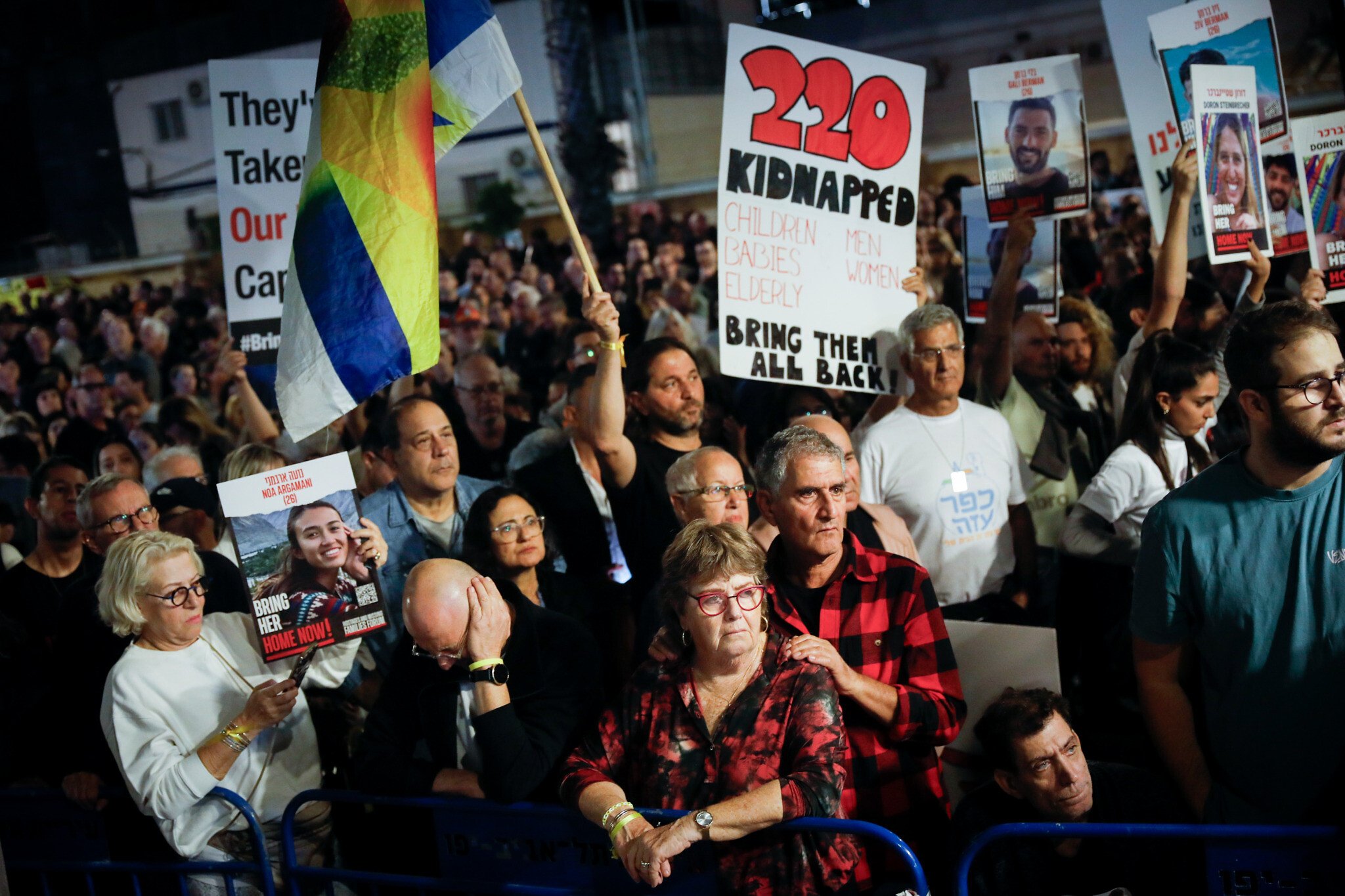
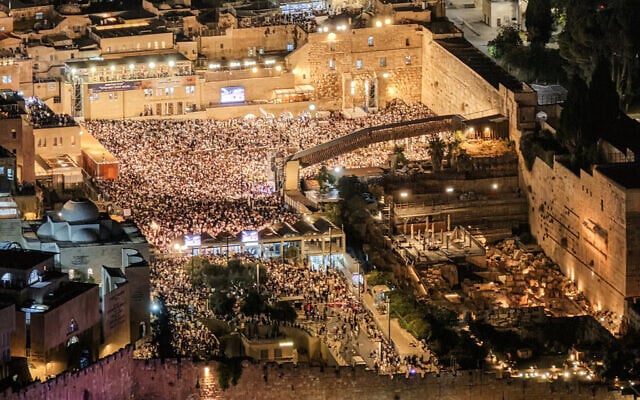
The sentiment may be more personal in the case of Sagi, whose oldest daughter has close friends who are presumed to be held hostage in Gaza. But it is widely shared. On Saturday night, some 100,000 people attended a rally in Tel Aviv that many had thought would coincide with the release of the second group of hostages. Repeatedly during the event, the crowd chanted “now” and “all of them.”
According to mediators, Hamas delayed the exchange because it claims that Israel was not letting in enough aid into northern Gaza, though Israel vehemently denied this and the Palestinian Red Crescent similarly indicated Saturday that the Hamas assertion was false. Another claim was that the Palestinian security prisoners were not being released in the order that was agreed upon.
Hamas has an interest in complicating the deal, according to Tzvi Yehezkeli, an Arab affairs analyst for Channel 13 news. “The talks with Israel are good for Hamas not only because it gets to bring back prisoners, but it’s proving that Israel is not succeeding in its mission to destroy it, because, if it did, why would Israel need to negotiate?” Yehezkeli said Saturday.
Hamas and the Israel Defense Forces are observing a four-day ceasefire that began on Friday to facilitate the series of exchanges, with the option of extending the truce by another day per each 10 hostages freed by Hamas beyond the 50 women and children agreed upon.
Sagi is aware of various cynical uses that Hamas has for the deal. But he still supports going ahead with it. “I’m committed to this deal despite everything, not only because I’m from Be’eri, but because the entire country is committed to it,” he said. “Look at the unity that backs up this deal, which is really an upsetting thing for everyone. This is how our country comes together in moments like this.”
Even among the parents of the hostages, not everyone is on board with making deals with Hamas.
“The most correct and effective way for retrieving the hostages is by applying uncompromising pressure on Hamas until the hostages become a liability for Hamas instead of an asset,” a spokesperson for Tikvah, a new forum of families of hostages that oppose exchanges with Hamas, told The Times of Israel on Friday. The forum’s founder is Eliyahu Libman, who heads the municipality of the West Bank settlement of Kiryat Arba near Hebron and whose son Elyakim is thought to be a hostage.
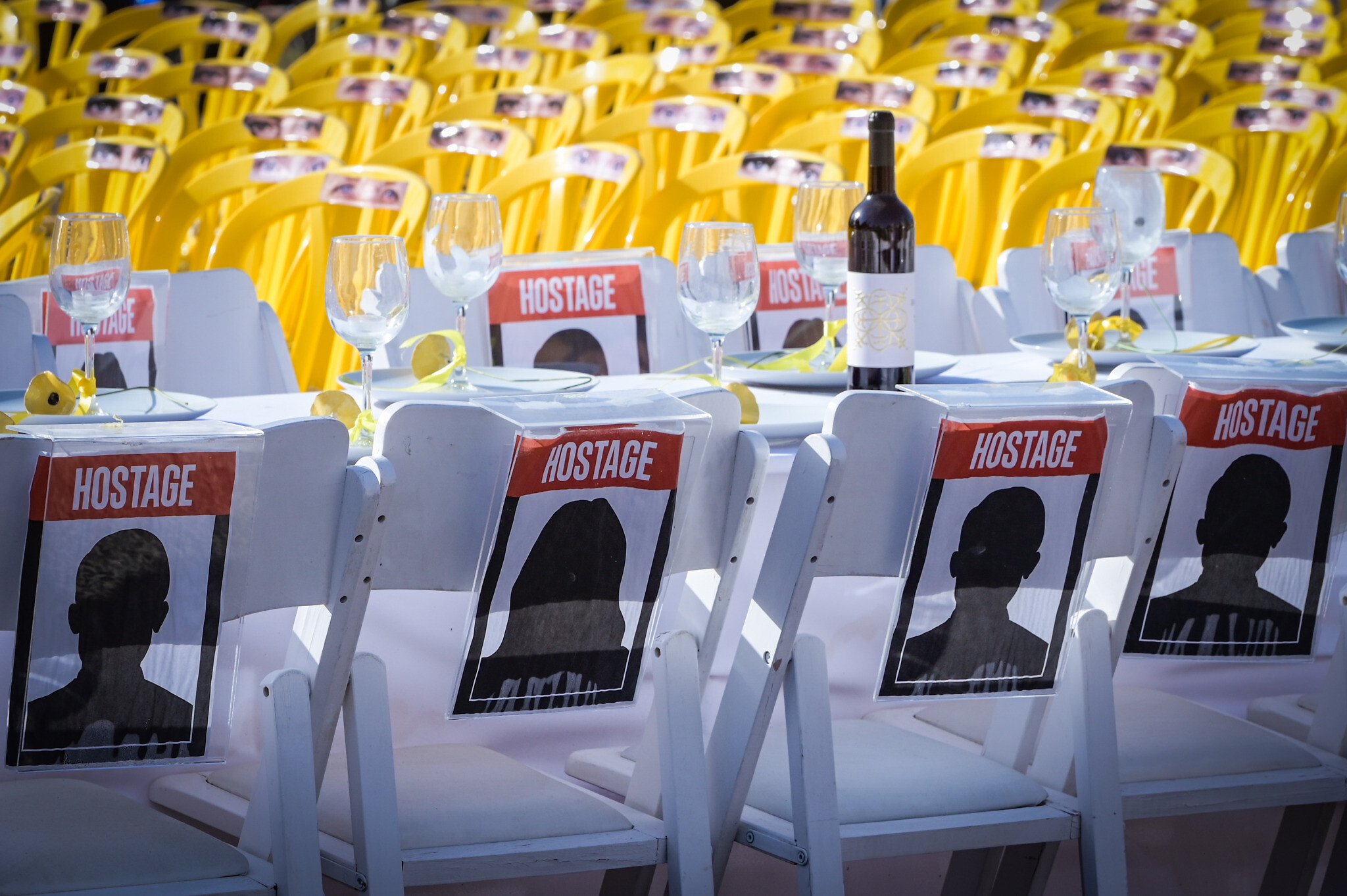
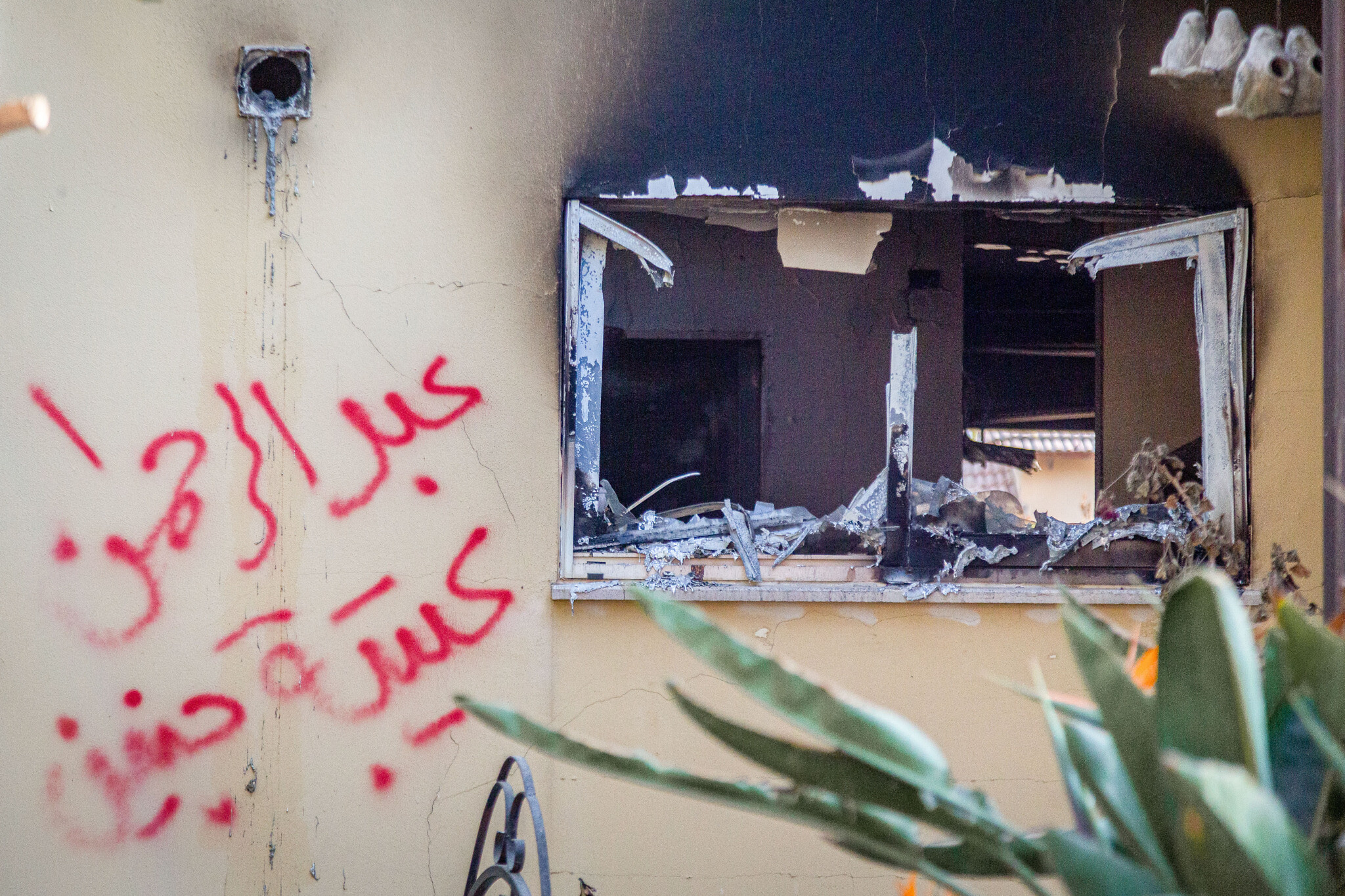
The Sagis were staying with Yaki’s in-laws near Haifa on October 7, when Hamas terrorists killed more than 80 members of their kibbutz and abducted more than 20, as part of Hamas’s murderous onslaught that claimed the lives of 1,200 people in Israel and ended in the kidnapping of 240 others.
His bakery, Lalush, was spared the massive devastation that the terrorists inflicted on Be’eri, which officials estimate will take months to rebuild. Sagi has set up shop at a bakery that belongs to Lechamim Bakery in Tel Aviv. There is considerable demand for his product, including by people who wish to buy from him to support Be’eri, a symbol of the October 7 war, he said.
But Sagi, who is currently living at a hotel near the Dead Sea with other survivors from his community, is itching to reopen back in Be’eri.
“We will return to our lives, which now seem so innocent, distant and full of joy,” Sagi said. “We will receive hostages and embrace them back into our community. We will restore our days of old.”








The Times of Israel Community.