

UN Security Council discusses Gaza, West Bank moves ahead of Board of Peace meeting
UN brings forward debate to avoid clash with inaugural meeting of Trump’s new board; Palestinian envoy calls for countries to halt Israel’s extension of control over West Bank
 Add ToI as a Preferred Source on Google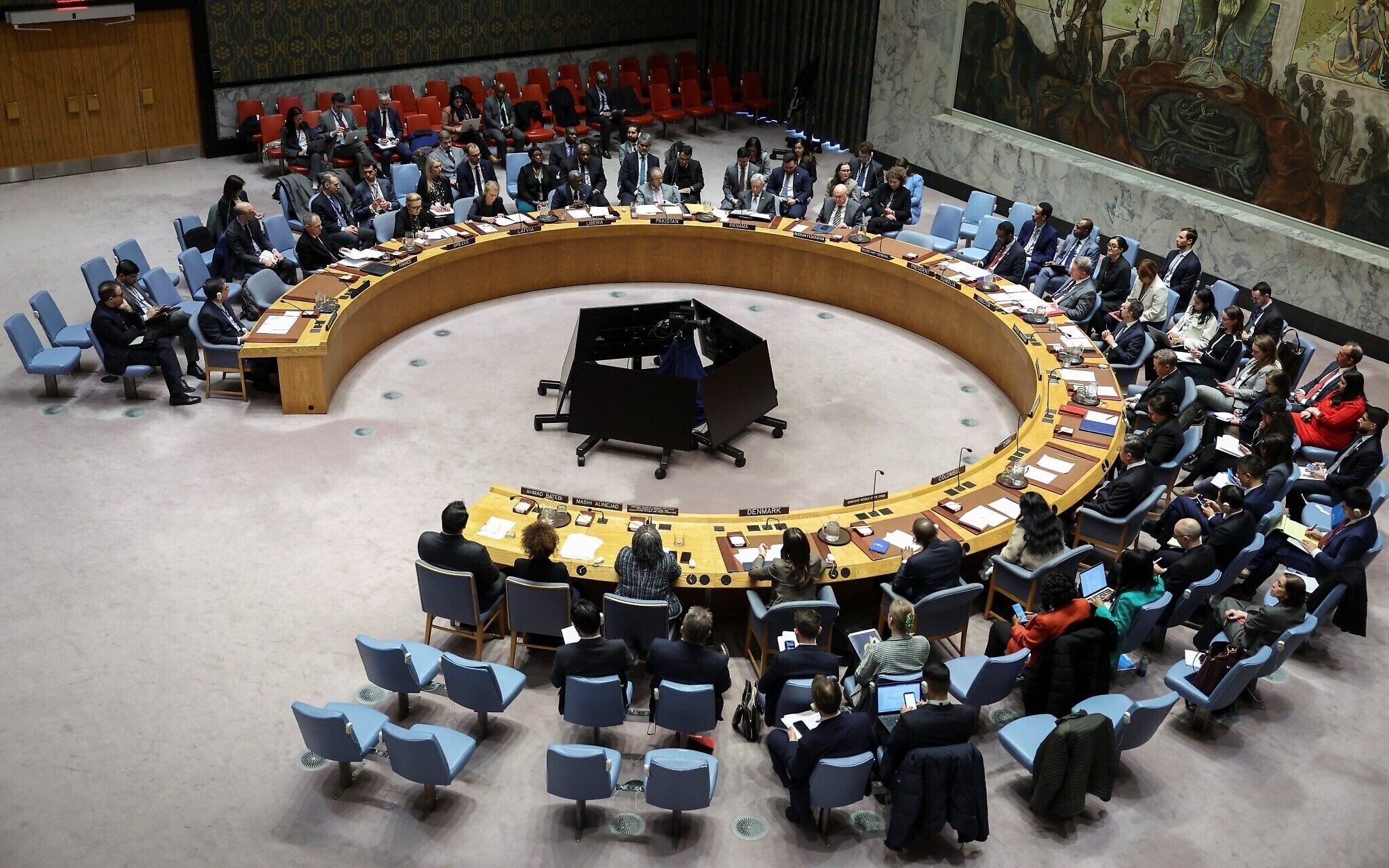
UNITED NATIONS — The UN Security Council held a high-level meeting on Wednesday on the Gaza ceasefire deal and Israel’s efforts to expand control in the West Bank before world leaders head to Washington to discuss the future of the Palestinian territories at the first gathering of US President Donald Trump’s Board of Peace.
The UN session in New York was originally scheduled for Thursday but was moved up after Trump announced the board’s meeting for that same date, and it became clear that it would complicate travel plans for diplomats planning to attend both. It was a sign of the potential for overlapping and conflicting agendas between the United Nations’ most powerful body and Trump’s new initiative, whose broader ambitions to broker global conflicts have raised concerns in some countries that it may attempt to rival the UN Security Council.
Pakistan, the only country on the 15-member council that also accepted an invitation to join the Board of Peace, denounced Israel’s contentious West Bank settlement project during the meeting as “null and void” and said it constitutes a “clear violation of international law.”
“Israel’s recent illegal decisions to expand its control over the West Bank are gravely disturbing,” Pakistani Foreign Minister Ishaq Dar said.
The foreign ministers of the United Kingdom, Israel, Jordan, Egypt and Indonesia also attended the Security Council’s monthly Mideast meeting after many Arab and Islamic countries requested last week that it discuss Gaza and the West Bank before some of them head to Washington.
“Annexation is a breach of the UN Charter and of the most fundamental rules of international law,” Palestinian UN Ambassador Riyad Mansour said. “It is a breach of President Trump’s plan, and constitutes an existential threat to ongoing peace efforts.”
Foreign Minister Gideon Sa’ar said that attention was not on the UN session and that the focus of the international world would be on the Board of Peace meeting.
Sa’ar also accused the council of being “infected with an anti-Israeli obsession” and insisted that no nation has a stronger right than its “historical and documented right to the land of the Bible.”
The Board of Peace, to be chaired by Trump, was originally envisioned as a small group of world leaders overseeing his 20-point plan for Gaza’s future. But the Republican president’s ambitious new vision for the board to be a mediator of worldwide conflicts has led to skepticism from major allies.
While more than 20 countries have so far accepted an invitation to join the board, close US partners, including France, Germany and others, have opted not to join yet and renewed support for the UN, which is also in the throes of major reforms and funding cuts.
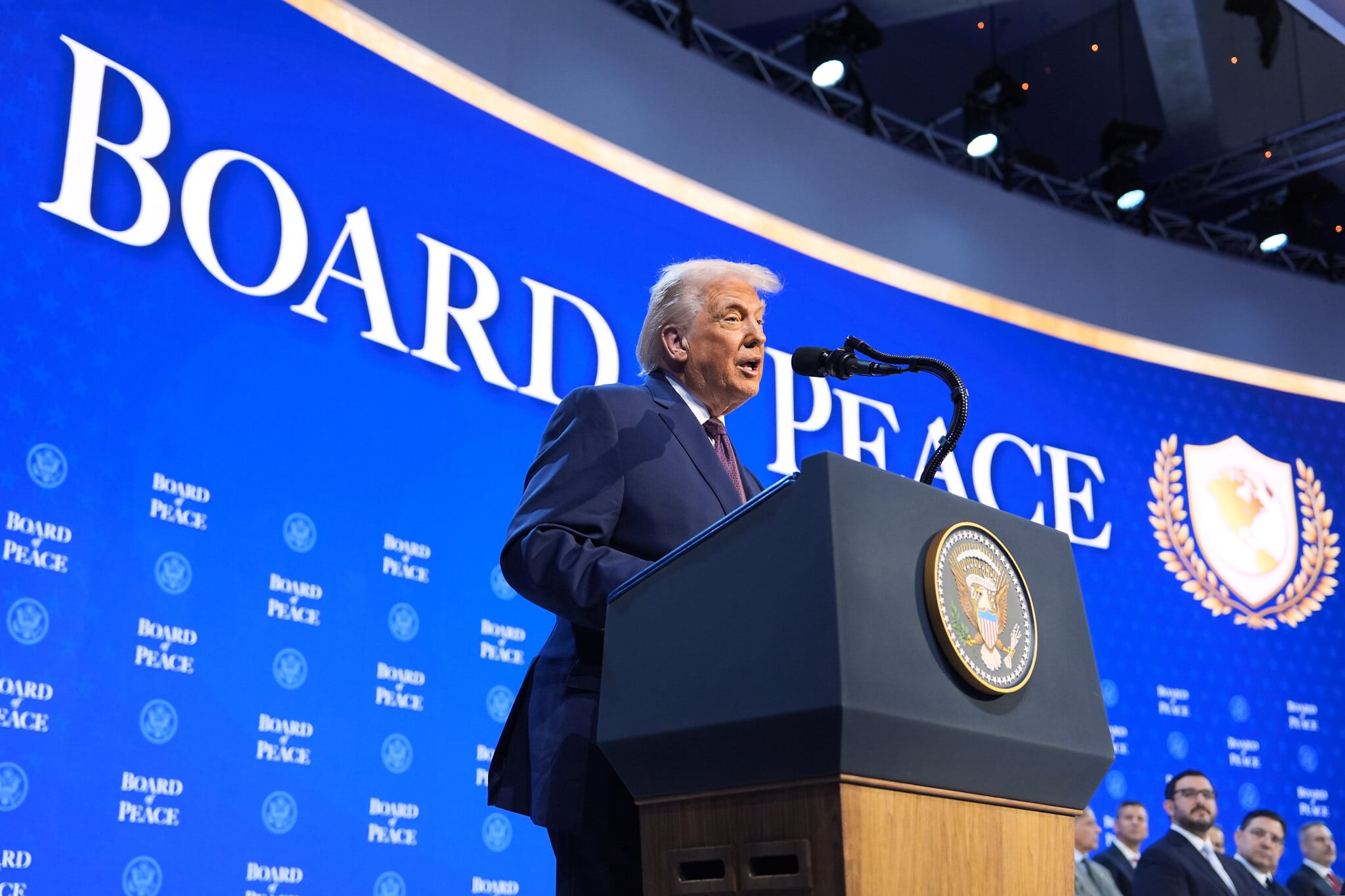
Mike Waltz, the US ambassador to the UN, dismissed concerns about the composition of the Board of Peace, telling conservative radio host Hugh Hewitt in an interview Monday that the most relevant countries, including Qatar and Egypt, which are in touch with Hamas’s leadership, have accepted the invitation.
“All of those countries are on the Board of Peace, singing the same tune as the United States,” he said.
The Security Council met a day after nearly all of its 15 members — minus the United States — and dozens of other diplomats joined Palestinian ambassador Mansour as he read a statement on behalf of 80 countries and several organizations condemning Israel’s latest actions in the West Bank, demanding an immediate reversal and underlining “strong opposition to any form of annexation.”
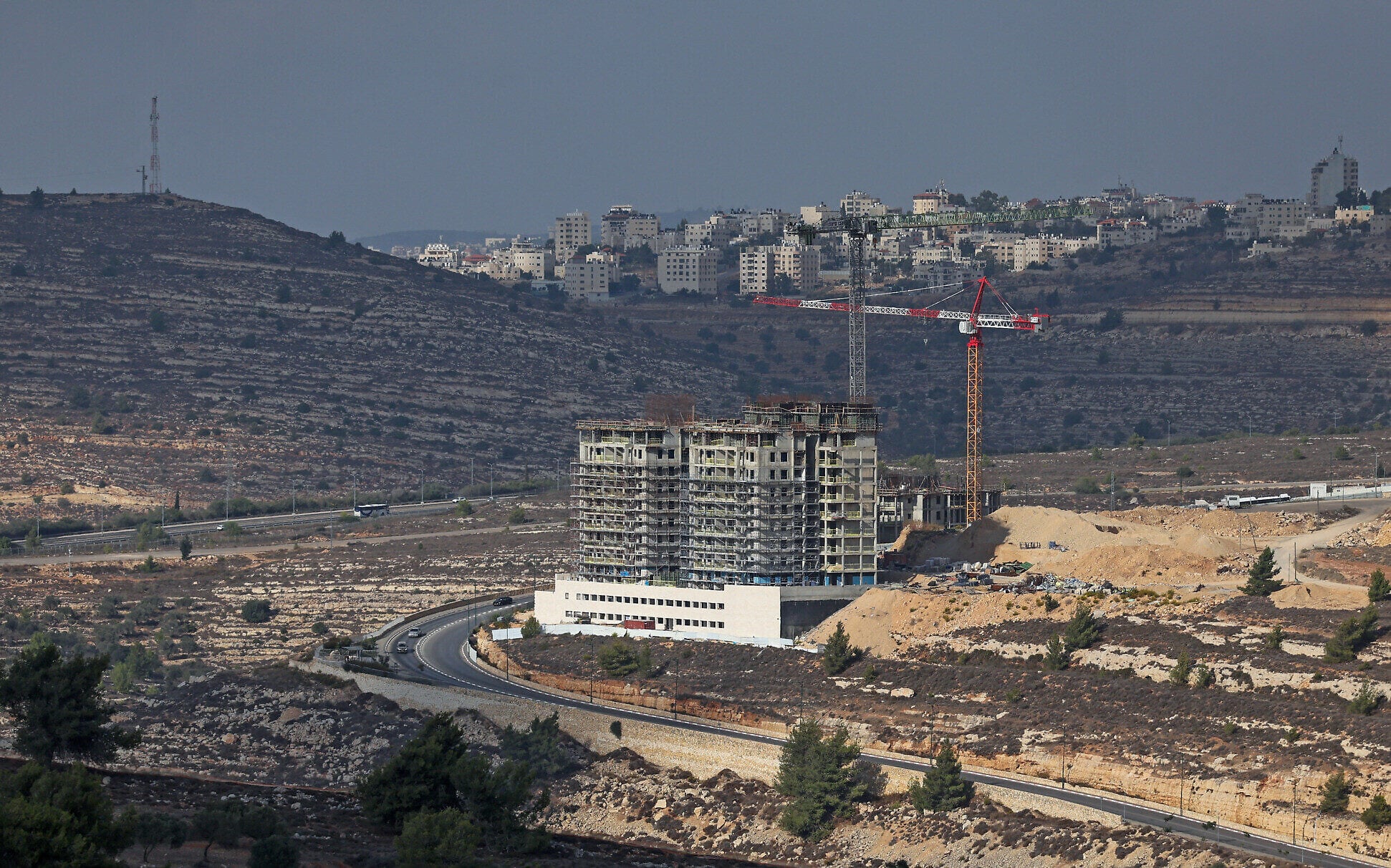
Israel is launching a contentious land regulation process that will deepen its control in the West Bank. Energy Minister Eli Cohen said it amounts to “de facto sovereignty” that will block the establishment of a Palestinian state.
Outraged Palestinians, Arab countries and human rights groups have called the moves an acceleration of attempts to illegally annex the territory, home to roughly 3.4 million Palestinians who seek it for a future state.
Prime Minister Benjamin Netanyahu has long objected to Palestinian statehood and once pledged to annex parts of the West Bank, though he has not followed through. Trump said he wouldn’t allow Israel to annex the West Bank, and his 20-point plan acknowledged Palestinian aspirations for statehood, though it did not lay out a pathway to that end.
The UN meeting also delved into the ceasefire deal that took effect on October 10 after more than two years of war between Israel and Hamas, which began after the terror group launched its October 7, 2023, massacre in southern Israel.
The meeting included briefings by UN political chief Rosemary DiCarlo and by Israeli and Palestinian civil society representatives for the first time since the October 7 onslaught.
Aspects of the ceasefire deal have moved forward, including Hamas releasing all the hostages it was holding and increased amounts of humanitarian aid getting into Gaza, though the UN says the level is insufficient. A new technocratic committee has been appointed to administer Gaza’s daily affairs.
But the most challenging steps lie ahead, including the deployment of an international security force, disarming Hamas, and rebuilding Gaza.
Trump said this week that the Board of Peace members have pledged $5 billion toward Gaza reconstruction and will commit thousands of personnel to international stabilization and police forces for the territory. He didn’t provide details. Indonesia’s military says up to 8,000 of its troops are expected to be ready by the end of June for a potential deployment to Gaza as part of a humanitarian and peace mission.







The Times of Israel Community.