

Iraq hails US plan for international coalition against IS
Iraqi foreign minister says support welcome after repeated calls for aid in combatting jihadist group
 Add ToI as a Preferred Source on Google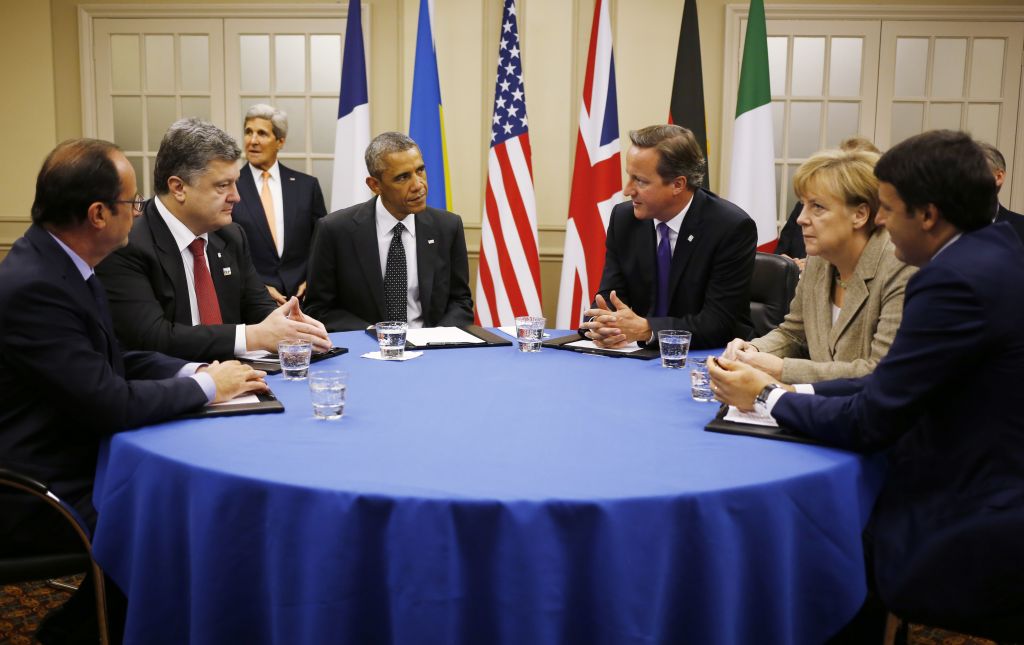
Iraq on Saturday welcomed US President Barack Obama’s plan for an international coalition against Islamic State jihadists as a “strong message of support,” after repeatedly calling for aid against the terrorists.
Obama outlined a plan at a NATO summit Friday for a broad coalition to defeat the jihadist group, which led an offensive that overran chunks of five Iraqi provinces in June and also holds significant territory in neighbouring Syria.
International concern has been building for some time over IS — which has carried out numerous atrocities including killings, kidnappings and attacks on minorities in areas it controls in Iraq and Syria.
But the beheading of American journalists James Foley and Steven Sotloff, which IS claimed, have sparked significantly more outrage in the West than its other abuses, providing increased impetus for action against it.
The United States has sent military advisers to Iraq and launched a campaign of airstrikes against the jihadists, while it and a string of other countries have promised arms for Iraqi Kurdish forces battling IS militants.
It carried out two more strikes on Friday and Saturday with a “mix of attack, fighter and remotely piloted aircraft,” the US military’s Central Command said in a statement.
The strikes destroyed four Humvees, one armoured personnel carrier and two trucks belonging to IS fighters, according to Centcom.
The strikes raised to 133 the total carried out across Iraq since August 8.
Obama said regional involvement was “absolutely critical” for the anti-IS effort, although the State Department added there were “no plans” for military coordination with Iran in the fight.
“We’re going to degrade and ultimately defeat (IS),” Obama said.
He said there was “unanimity” among NATO members that the group “poses a significant threat”.
But European allies of the United States, while supportive of Obama’s initiative, were more cautious.
Iraqi Foreign Minister Hoshyar Zebari praised Obama’s remarks as a strong response to Baghdad’s long-standing appeals for aid.
“We welcome that, and we have repeatedly called on our international partners for help and support because this threat is a very deadly threat… not only to the people of Iraq or the region, but to Europe, to America, to NATO,” Zebari told AFP Saturday.
“This is basically our fight… but we need the support — our capacity is limited, and we need the support to enhance our capacity.
“Nobody’s thinking of any ground troops at this stage — they are calling for air support, for tactical support, for arming the forces on the ground, like the (Kurdish) peshmerga, the Iraqi security forces, and also to provide… intelligence, reconnaissance,” said Zebari.
American officials were quick to distance the process of forming an anti-IS coalition from the heavily-criticized “coalition of the willing” that was formed ahead of the 2003 US-led invasion of Iraq.
“When we talk about what we are doing today, in no way do we want to resemble anything that was done in 2003,” State Department spokeswoman Marie Harf said. “We’re certainly not using that playbook.”










The Times of Israel Community.