

Knesset aides say unprepared MKs fail to oversee government
As Israel’s legislature returns from recess, parliamentary assistants offer insider insights into the work of its lawmakers
 Add ToI as a Preferred Source on Google
Raoul Wootliff is a former Times of Israel political correspondent and Daily Briefing podcast producer.
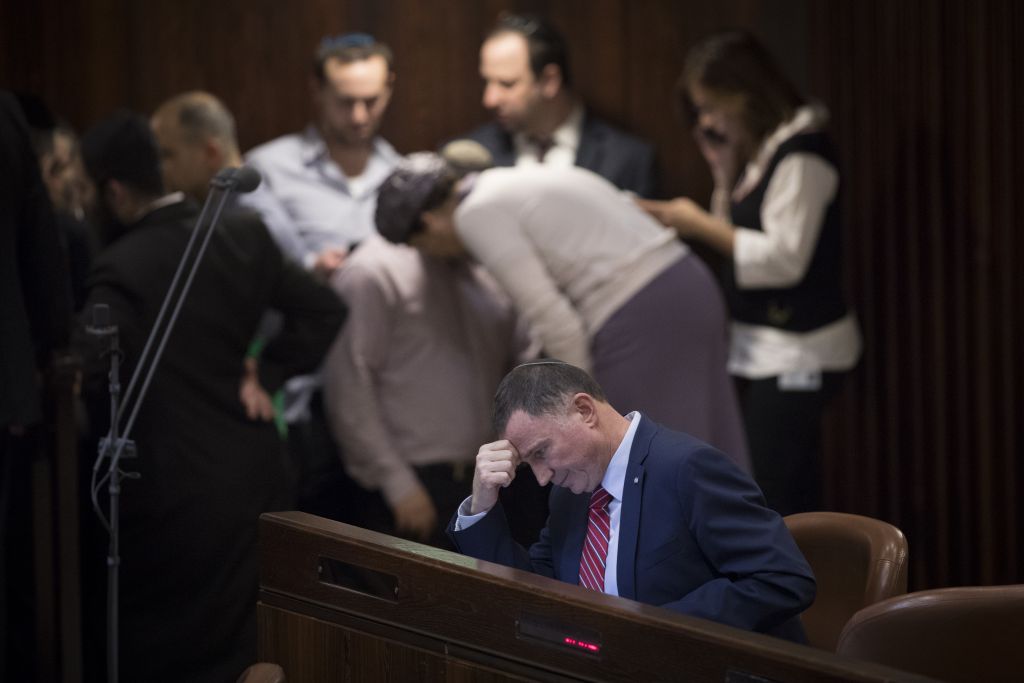
In a country where the nightly news consistently rates as the most-watched program on television, Israel’s parliament, the Knesset, can sometimes be the source of the most flamboyant and bombastic reality TV stars.
But behind the political scandals and fiery altercations, the Knesset, which returns Monday from a month-long recess, is also a place of somber legislative and constitutional work. And behind the Knesset members is a vast staff of parliamentary aides who provide backstage support to the on-screen talent.
While these assistants usually remain behind the scenes, only coming into the public light when they too are the center of a mini-scandal, a new poll of Knesset staffers, the first of its kind, reveals their insights into the work, good and bad, of their lawmaking bosses.
According to the survey conducted by the Guttman Center and released Sunday by the Israel Democracy Institute, a sweeping majority of parliamentary assistants think Knesset members are failing in one of the key roles of the institution — supervising the government.
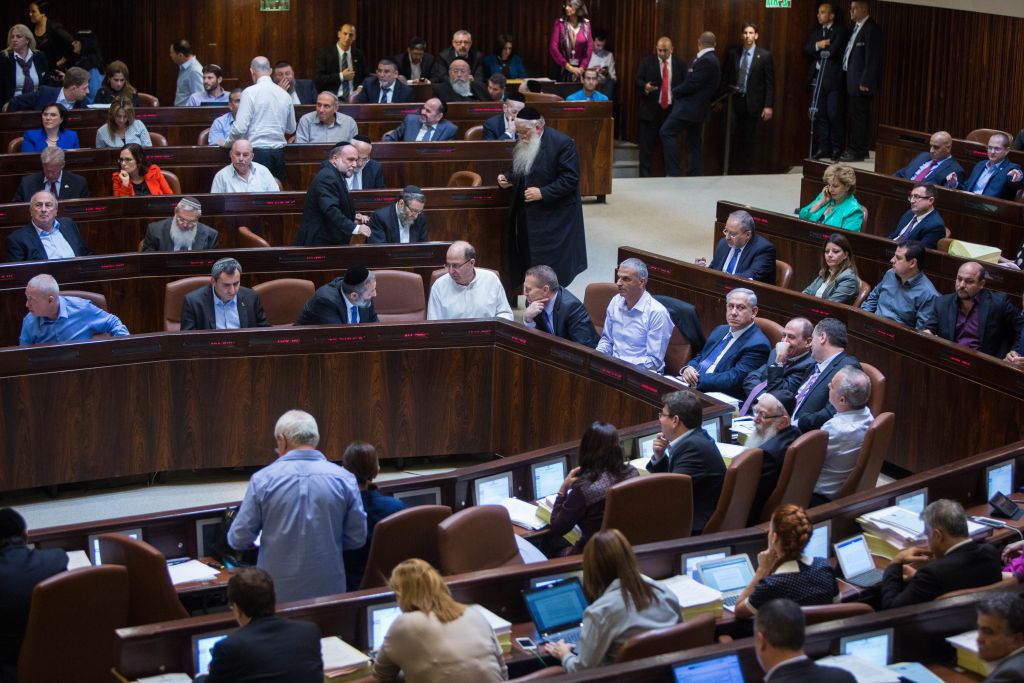
A staggering 92 percent of aides questioned say they think MKs do not come prepared for Knesset committee meetings, one of the key apparatuses of government oversight, and 95% said the Knesset does not sufficiently oversee the work of the executive branch, which comprises the prime minister, the cabinet and government ministries.
Despite this, some 65% of aides say the MKs they themselves work with invest the appropriate amount of time on meetings related to professional parliamentary matters, on party-related activities (57%), on public duties unrelated to parliamentary matters (67%) and on media-related activities (55%).
While holding the exclusive authority to enact laws as Israel’s legislative branch, the Knesset has a number of roles beyond forming and amending legislation. According to the Basic Law: The Knesset, the parliament is supposed to act as the “supervising body over the executive.” In recent years, however, with increased coalition control of key committees and stricter use of coalition disciplinary measures, some have argued that government oversight has all but disappeared.
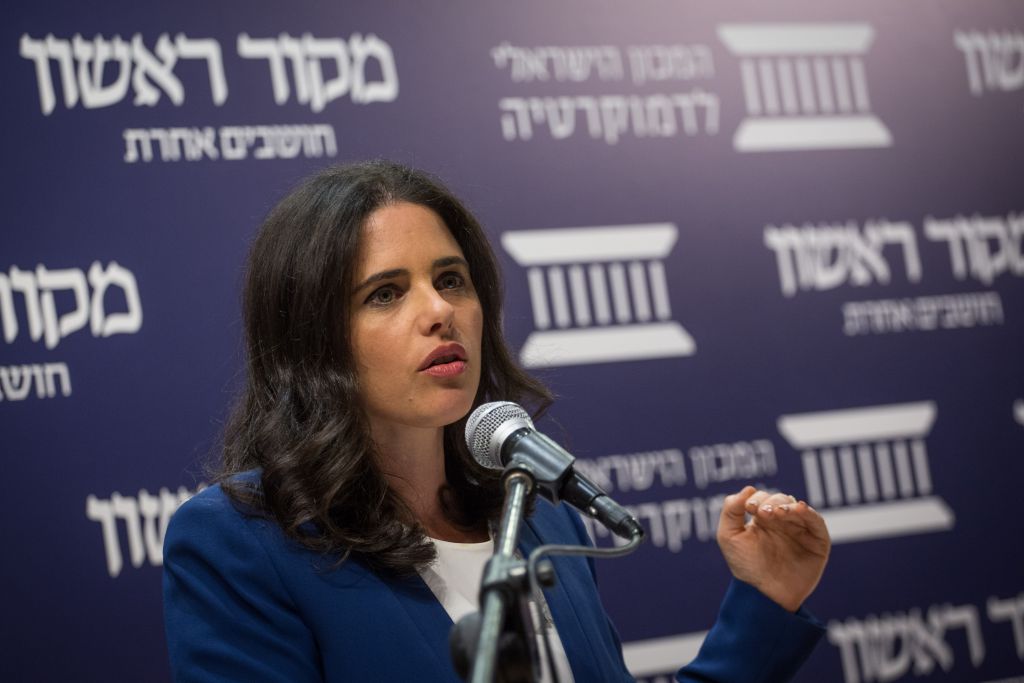
In February, Justice Minister Ayelet Shaked (Jewish Home) and Tourism Minister Yariv Levin (Likud), along with Knesset speaker Yuli Edelstein (Likud), presented a proposal to streamline and improve the work of the Knesset.
In what they dubbed “the legislative revolution,” they are seeking to limit the use of private members’ bills — a parliamentary apparatus that has seen a drastic increase in use in recent years as MKs seek a way to have their voice heard — in return for more tools to oversee the work of the government.
The Israel Democracy Institute has supported the proposal, writing in a March statement that the initiative was “a step in the right direction and is essential for Israeli democracy.”
The responses of Knesset aides in the poll show that while they believe MKs are investing time and effort in parliamentary work, they think that lawmakers lack the tools to successfully supervise the government.
In terms of the work of the Knesset, 57% of aides say MKs invest more than 10 hours drafting each bill, and 67.5% report they believe MKs are trying to fulfill their duties.
Aides were split, however, on the effectiveness of the tools available.
Sixty-two percent said that committee discussions were a good method to oversee government ministries and 60% praised Knesset question hours, recently reformed to allow MKs a full 60 minutes to grill ministers. But just 47% said that the regular channel of parliamentary queries was effective and only 37% said budgetary discussions provided adequate oversight of the government.
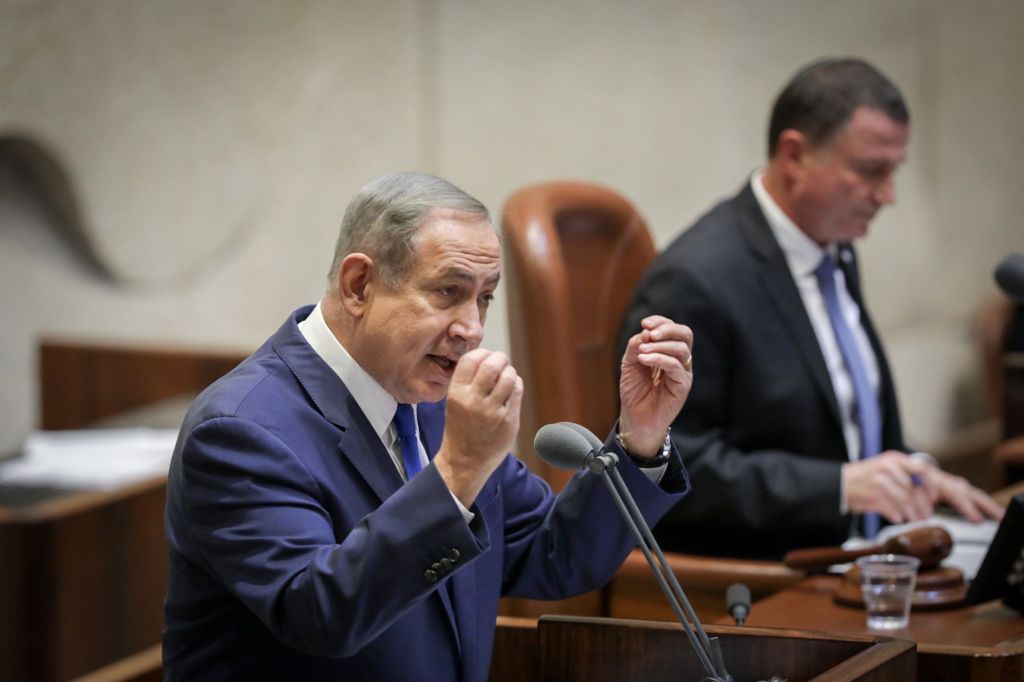
“The poll proves the problem is not just on the personal level or with regards to the public obligation of one MK or another,” Israel Democracy Institute President Yohanan Plesner said in a statement. “As long as no parliamentary reform is implemented – decreasing the number of committees and increasing the Knesset’s professionalism – we will continue to be disappointed by the quality of its work.”
Researchers surveyed aides to 40 of the 91 MKs who are not ministers or deputy ministers. Of the 40 total respondents, 12 work with MKs from the coalition and 28 with opposition lawmakers. While that represents a 70% split in favor of opposition lawmakers, the questions in the survey focus on the MKs each aide works with, and the general role of the Knesset, and did not solicit opinions on the actions of the government or the coalition.
As for the celebrity status of MKs and the “Big Brother”-esque Knesset often portrayed on evening newscasts, the aides, who spend much of their time working from the parliament chambers or sending notes from sidelines of the plenary, were in agreement: A near-unanimous 97% said they believe the media unfairly reports on MKs and is too focused on gossip.








The Times of Israel Community.