

Likud MK said booted from Knesset panel for backing Gaza war probe
Netanyahu reportedly concerned Oren Hazan will vote with opposition next fall to launch official inquiry; Hazan calls move ‘a beheading’
 Add ToI as a Preferred Source on Google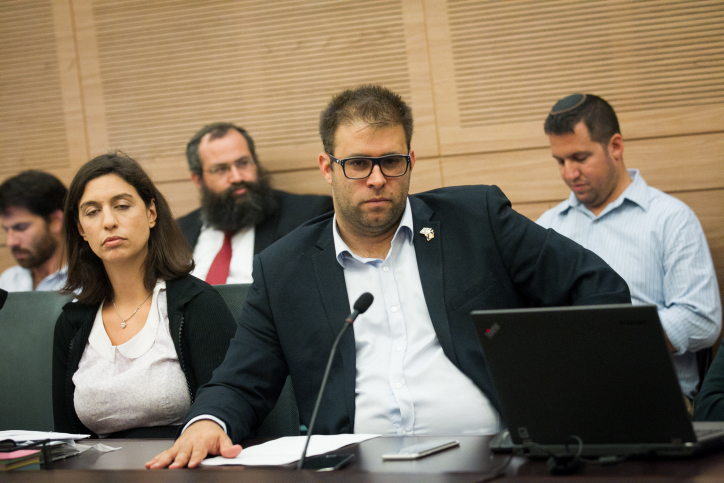
Prime Minister Benjamin Netanyahu will reportedly remove Likud MK Oren Hazan from the Knesset’s State Control Committee after the freshman lawmaker threatened to vote in favor of an official state inquiry into the 2014 Gaza war.
According to Channel 2, Hazan has threatened to side with the opposition and support a probe into the 50-day conflict, which is known in Israel as Operation Protective Edge. Netanyahu decided to replace Hazan on the panel to ensure a majority ahead of the expected committee vote on an inquiry when the Knesset reconvenes in the fall.
The TV channel said Netanyahu also doesn’t trust that Jewish Home MK Bezalel Smotrich, who is also on the State Control Committee, will vote against a probe. Smotrich’s party leader, Education Minister Naftali Bennett, has fiercely criticized Netanyahu’s handling of the conflict and may not oppose the investigation, it said.
The Likud party will announce Hazan’s removal on Wednesday, according to Channel 2.
In response, scandal-plagued Hazan — whose previous behavior has led to his removal from Knesset panels by both the Knesset Ethics Committee and his own party — dubbed the decision a “beheading.”
“There is no doubt that this is an act of beheading, which is popular in the Middle East, so that the rest of the Likud MKs continue to be afraid to talk or raise their heads,” Hazan said.
The Zionist Union on Tuesday also condemned the decision, saying Netanyahu was “afraid” of what an inquiry would unearth.
“Bibi [Netanyahu] is afraid of Hazan. He’s afraid of criticism, and he’s primarily afraid the criticism over Protective Edge will show him to be weak in the face of Hamas — that he is an internet commenter, not a leader,” a statement from the party said. “What failure is Bibi hiding? What is he afraid will be revealed?”
The chair of the State Control Committee, Yesh Atid MK Karine Elharar, said Tuesday that “all of Benjamin Netanyahu’s games won’t help him.”
“The prime minister is acting out of political considerations only and it’s unclear what he is afraid of,” she said.
Elharar pledged the committee would review State Comptroller Yosef Shapira’s report on the war, which has yet to be published and which is expected to excoriate Netanyahu and other senior defense officials over the Israeli leadership’s performance during the conflict.
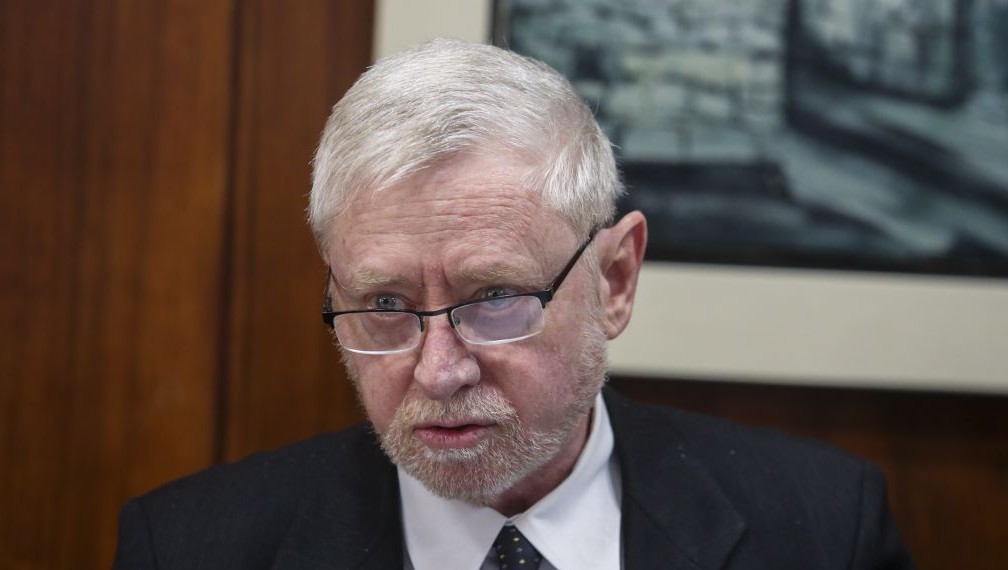
Shapira has reportedly warned Netanyahu that he will recommend a commission of inquiry into the government’s handling of the 2014 war against Hamas, should the prime minister refuse to make public the report on the conflict.
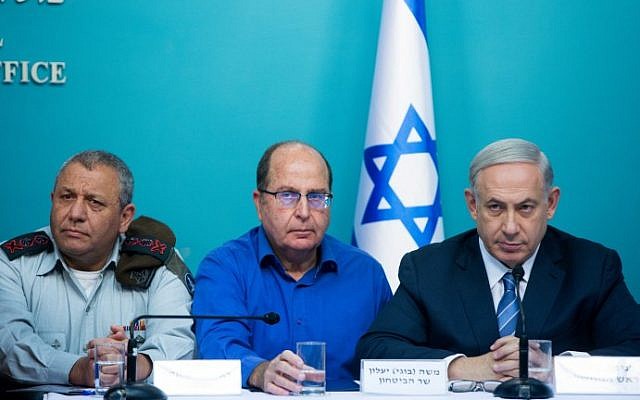
Leaks of the report’s contents earlier this year accused Netanyahu, then-defense minister Moshe Ya’alon, and then-IDF chief Benny Gantz of covering up information regarding the threat posed by the Hamas terror group, which rules Gaza, ahead of the 2014 war.
According to media sources who reviewed the 70-page document in May, Shapira accused Netanyahu and Ya’alon of failing to provide the security cabinet with real-time updates regarding the imminent threat of war with Hamas and the capabilities of the terror group’s cross-border attack tunnels.

The prime minister and the defense minister were also said to have concealed warnings from the Shin Bet security agency, which raised the potential for war with Hamas in early July 2014, according to Channel 10. The conflict began on July 8, 2014.
Members of the security cabinet were only apprised of the Shin Bet warning once the operation was underway, the report said.
Netanyahu has not publicly commented on the report, though a source close to the prime minister said earlier this year that he and Ya’alon dismissed Shapira’s findings as “not serious.”
A number of lawmakers have criticized Netanyahu for what they described as his mishandling of the conflict and for allegedly seeking to keep the war report under wraps.
The controversy over the report was revived last week when Bennett slammed Netanyahu for refusing to learn from past mistakes in the run-up to the Gaza conflict.
“Before the next conflict we are obligated to learn from the mistakes of the past and not to deny them. Drawing real conclusions is a sign of strength and self-confidence,” he wrote in a series of tweets. “Anyone who refuses to learn from the mistakes of the past is condemned to repeat them in the future.”







The Times of Israel Community.