Scenes of toil from Iran’s coal mines
International sanctions linked to dispute over nuke program have hindered all sectors, coal mining no exception
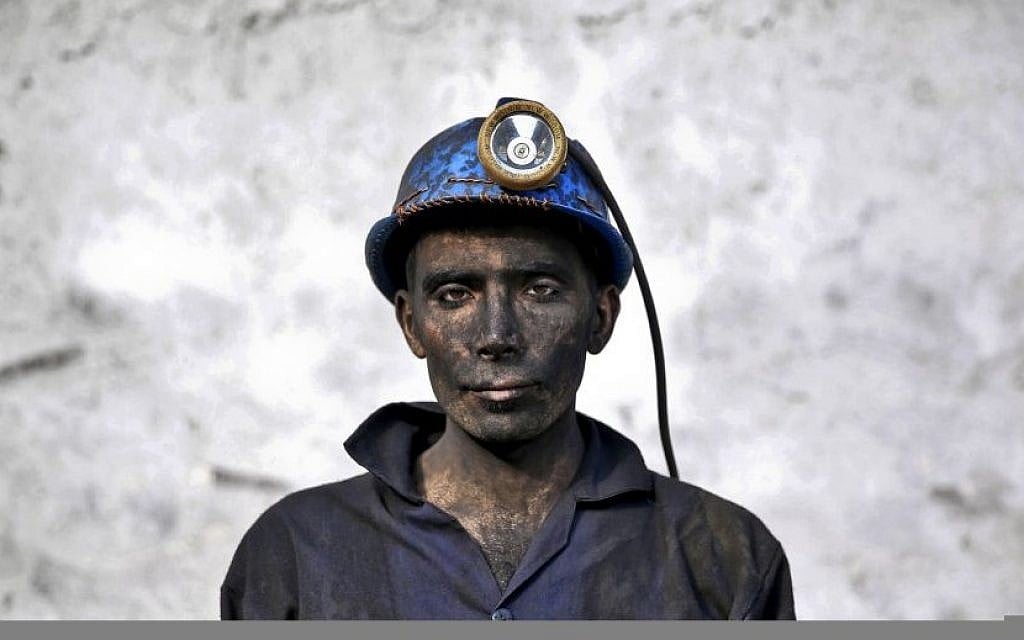
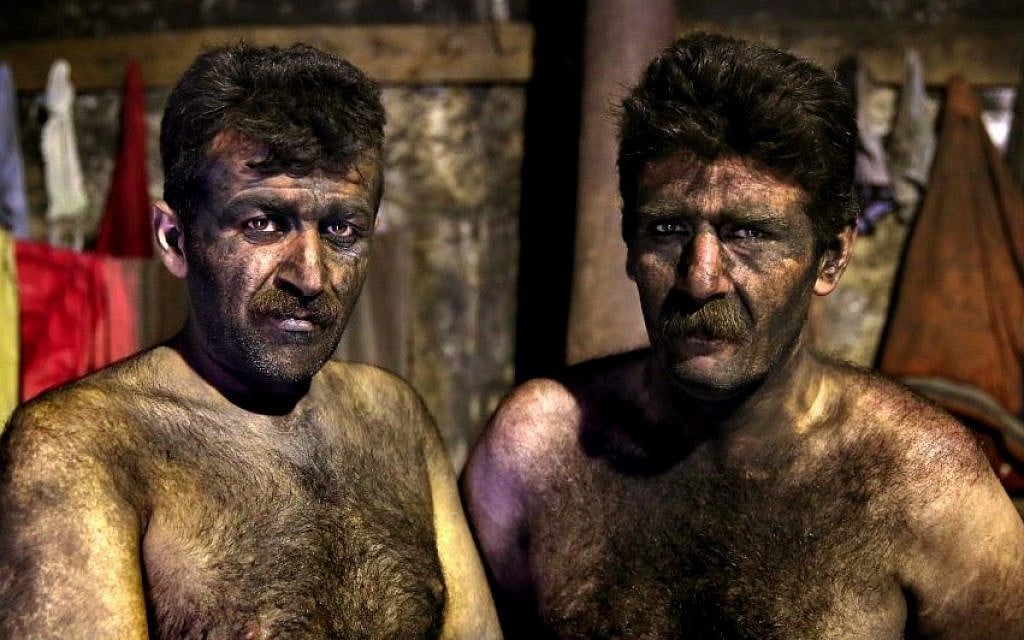
In this Wednesday, May 7, 2014 photo, an Iranian coal miner with his face smeared black from coal poses for a photograph at a mine near the city of Zirab 212 kilometers (132 miles) northeast of the capital Tehran, on a mountain in Mazandaran province, Iran. The workers who put in long hours in often dangerous conditions and make just $300 a month, little more than minimum wage. (Photo credit: AP/Ebrahim Noroozi)
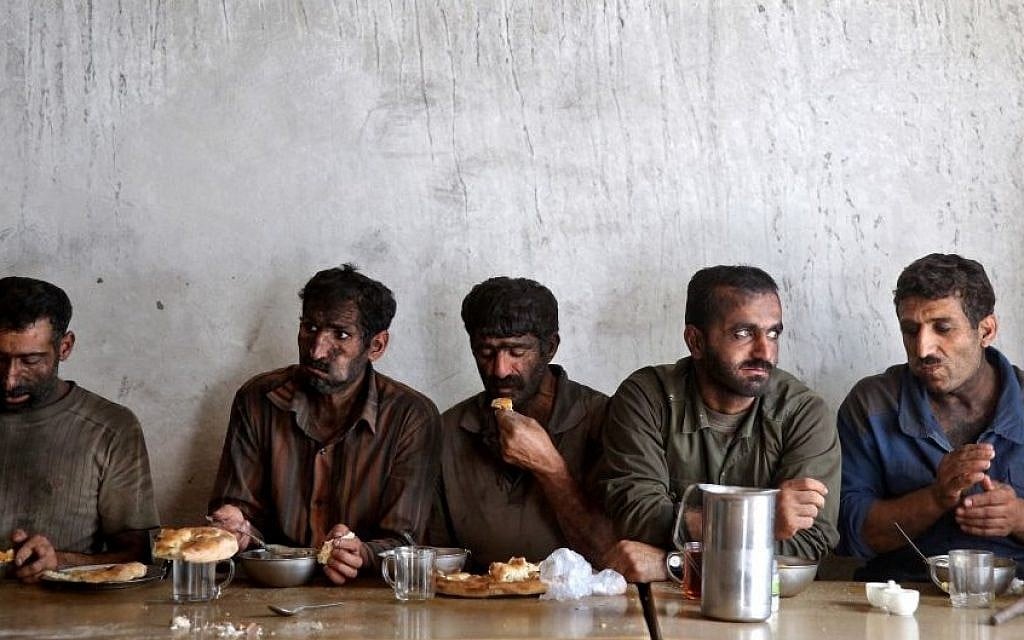
In this Tuesday, Aug. 19, 2014 photo, Iranian coal miners eat lunch at a mine near the city of Zirab 212 kilometers (132 miles) northeast of the capital Tehran, on a mountain in Mazandaran province, Iran. International sanctions linked to the decade-long dispute over Iran’s nuclear program have hindered the import of heavy machinery and modern technology in all sectors, and coal mining is no exception. (Photo credit: AP/Ebrahim Noroozi)
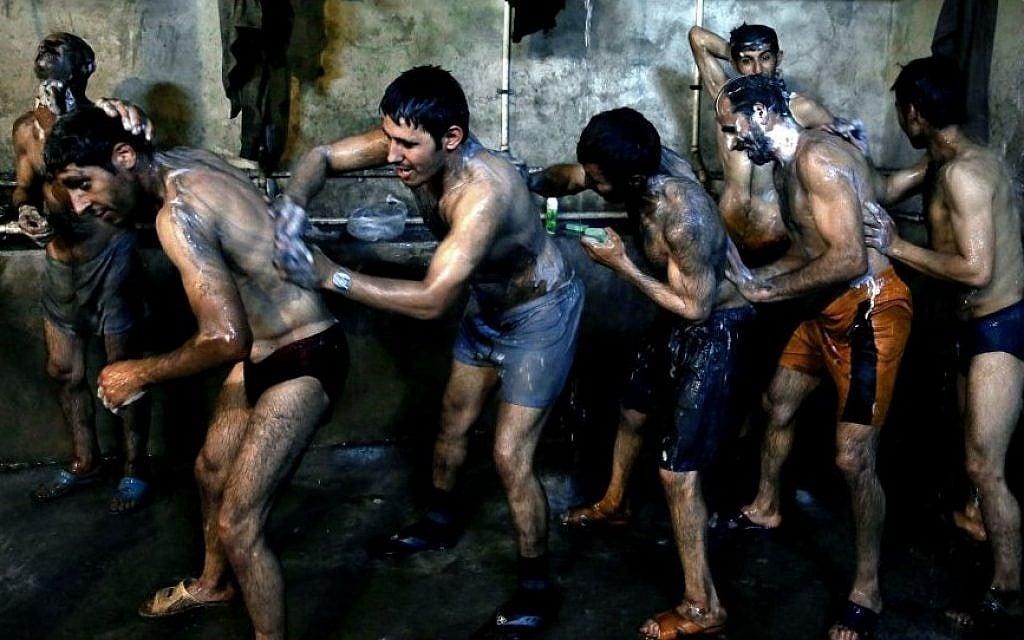
In this Tuesday, May 6, 2014 photo, Iranian coal miners shower after a long day of work at a mine on a mountain in Mazandaran province, near the city of Zirab, 212 kilometers (132 miles) northeast of the capital Tehran, Iran. (Photo credit: AP/Ebrahim Noroozi)
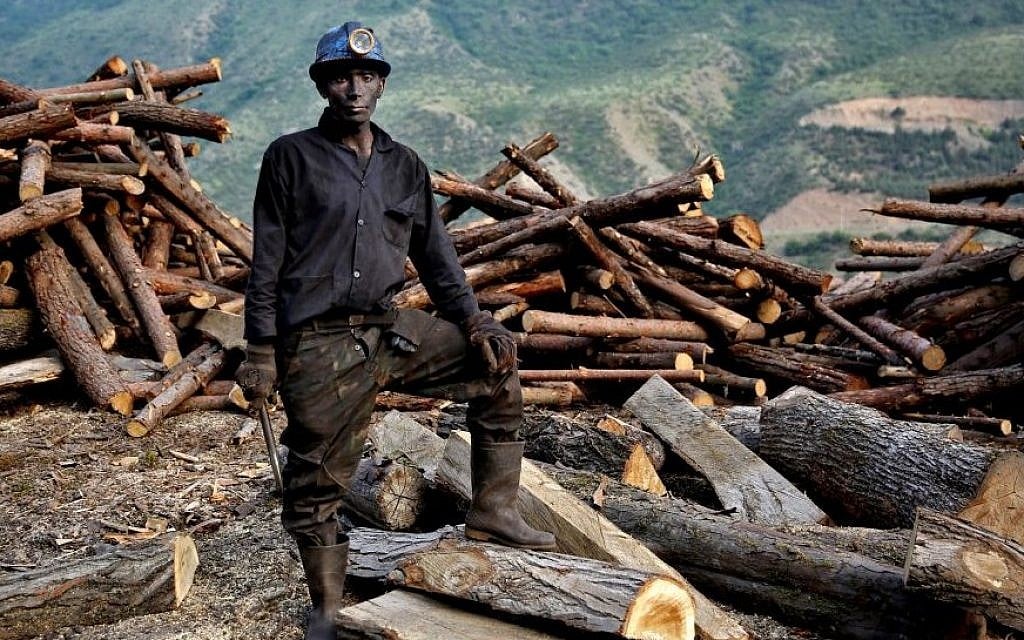
In this Wednesday, May 7, 2014 photo, an Iranian coal miner stops collecting logs to pose for a photograph (Photo credit: AP/Ebrahim Noroozi)
In this Wednesday, May 7, 2014 photo, Iranian coal miners pose for a photograph before taking a shower after a long day of work more than minimum wage.(Photo credit: AP/Ebrahim Noroozi)
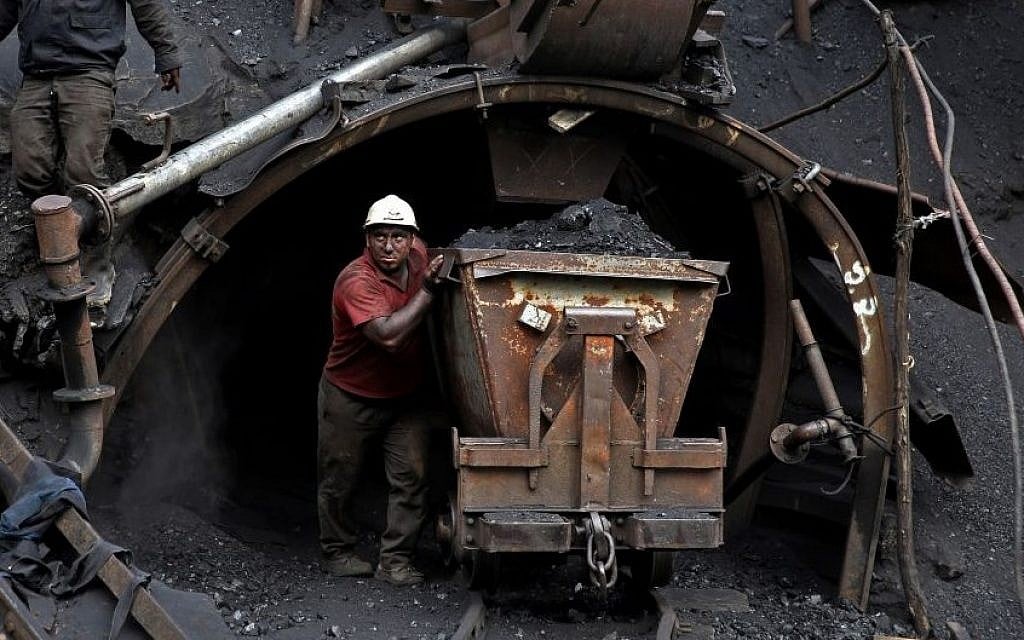
In this Monday, Aug. 18, 2014 photo, an Iranian coal miner pushes a metal cart loaded with coal.(Photo credit: AP/Ebrahim Noroozi)
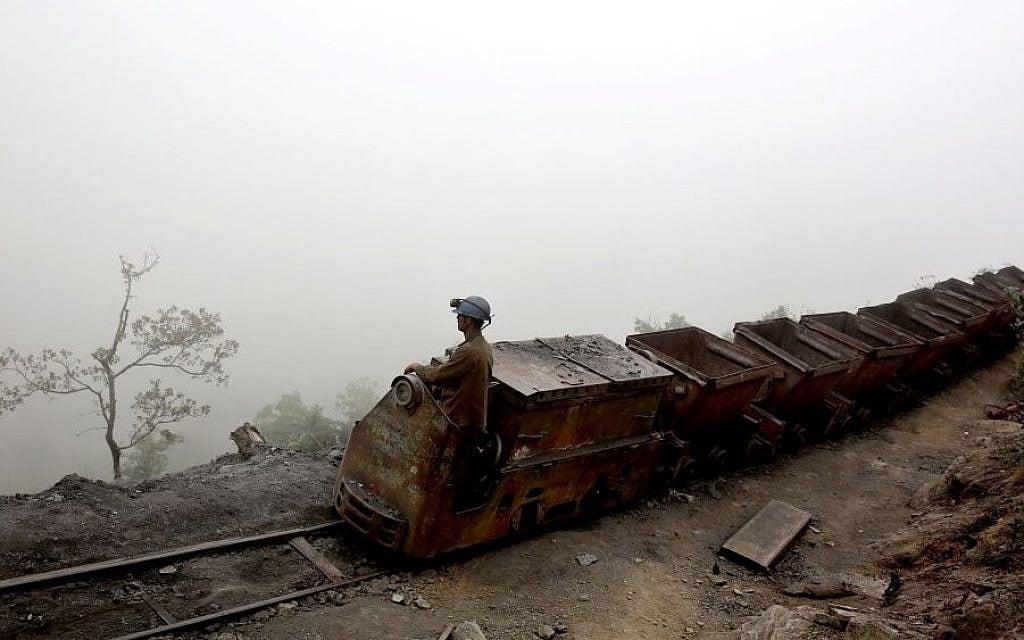
In this Thursday, May 8, 2014 photo, an Iranian coal miner moves wagons to be loaded with coal.(Photo credit: AP/Ebrahim Noroozi)
MAZANDARAN PROVINCE, Iran — In the coal mines of northern Iran men with their faces smeared black push rusty metal carts down into the earth in grim scenes that seem to belong to another century.
International sanctions linked to the decade-long dispute over Iran’s nuclear program have hindered the import of heavy machinery and modern technology in all sectors, and coal mining is no exception. The decision to privatize the industry 10 years ago has further squeezed workers, who put in long hours in often dangerous conditions and make just $300 a month, little more than minimum wage.
The miners tunnel deep into the mountains, working in dark, narrow passageways where the risk of toxic gases and cave-ins is never far from their minds. Above ground the men push old trolleys loaded with coal down rusty tracks. Hossein Alishah Kamandi says he moves up to 100 tons a day.
Around 1,200 miners work across 10 mines in the Mazandaran province, in a mountainous, verdant area more than 130 kilometers (80 miles) northeast of Tehran. More than 12,000 tons of coal is extracted from the mines each month, almost all of which is shipped south for use in Iran’s steel industry.
Iran’s ministry of industry, mines and commerce says it has plans for improving the working conditions of miners alongside a drive to boost the production of minerals. Deputy Minister Jafar Sargheini says the ministry will grant loans and aid as part of the four-year plan for the sector, which will include safety improvements.
Here are a series of images by Associated Press photographer Ebrahim Noroozi of coal miners in Iran.
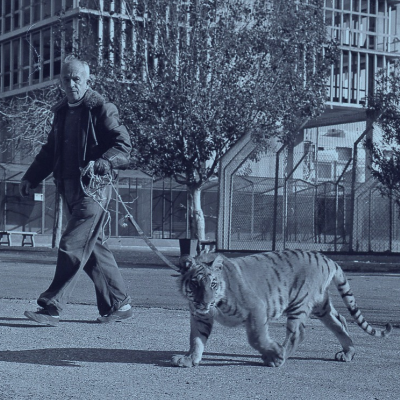
In 1935, Rabbi Max Shorenstein left Denmark to pursue his lifelong dream: building a zoo in Tel Aviv and teaching children to love animals. The Tel Aviv Zoo became one of the city’s greatest attractions, but envy, greed, and corruption drove Shorenstein from the paradise he created.
The film 'There Are No Lions in Tel Aviv' is available to screen November 19-26 for members of our reader support group, The Times of Israel Community. Join the Community today to support our work and watch our DocuNation series of outstanding Israeli documentary films.
We’re really pleased that you’ve read X Times of Israel articles in the past month.
That’s why we started the Times of Israel - to provide discerning readers like you with must-read coverage of Israel and the Jewish world.
So now we have a request. Unlike other news outlets, we haven’t put up a paywall. But as the journalism we do is costly, we invite readers for whom The Times of Israel has become important to help support our work by joining The Times of Israel Community.
For as little as $6 a month you can help support our quality journalism while enjoying The Times of Israel AD-FREE, as well as accessing exclusive content available only to Times of Israel Community members.
Thank you,
David Horovitz, Founding Editor of The Times of Israel
The Times of Israel Community.