

US attorney general under fire over Russian ambassador contacts
Jeff Sessions met twice with Moscow envoy last year, despite having denied under oath any Kremlin communication
 Add ToI as a Preferred Source on Google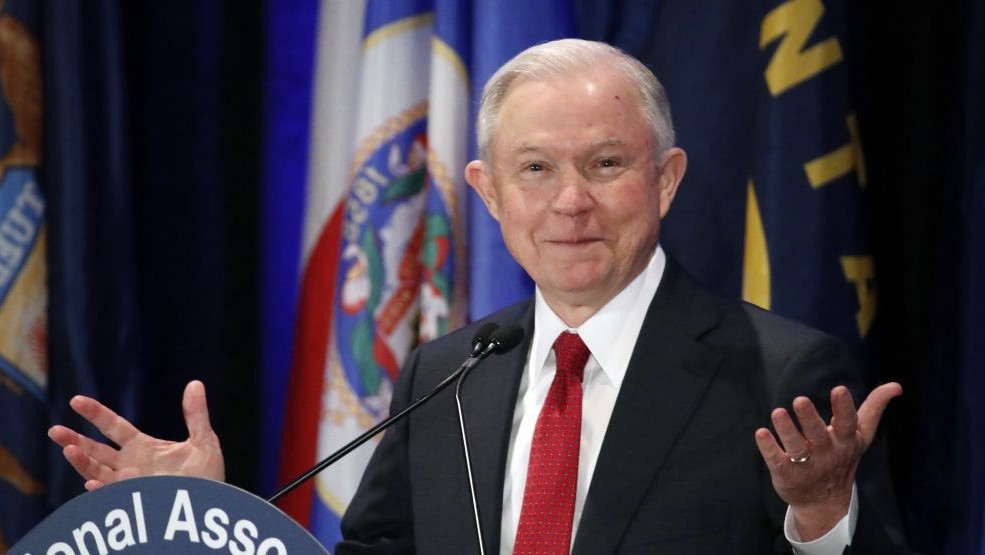
WASHINGTON, DC (AFP) — US Attorney General Jeff Sessions was under fire Thursday after it was revealed he met twice last year with Russia’s ambassador to Washington, seemingly contradicting statements he made in Senate confirmation hearings.
The revelation cast a fresh cloud over US President Donald Trump’s administration, which has repeatedly denied any suspected ties between members of his election team and Russia — which US intelligence says interfered in the 2016 campaign against Hillary Clinton.
The White House quickly labeled the report an attack by partisan Democrats, confirming the meetings but arguing Sessions did nothing wrong.
In a statement, the Trump administration’s top law enforcement official said: “I never met with any Russian officials to discuss issues of the campaign. I have no idea what this allegation is about. It is false.”
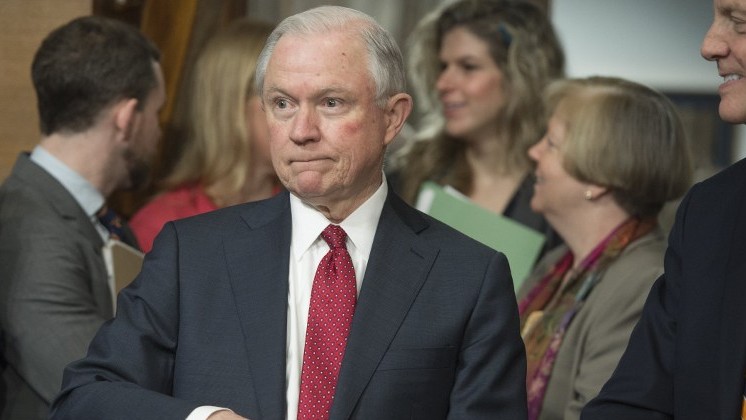
But with US intelligence agencies, the Justice Department — led by Sessions himself — and four Congressional committees examining the Russia scandal, Democrats demanded that Sessions recuse himself from the investigations and for Congress to name an independent special investigator to oversee a broad probe.
“Given AG Sessions’s false statements about contacts with Russian officials, we need a special counsel to investigate Trump associates’ ties to Russia,” said Democratic Senator Ron Wyden, a member of the Senate Intelligence Committee.
The Washington Post reported late Wednesday that Sessions — formerly a senator who advised Trump’s campaign on foreign policy and other issues — met Ambassador Sergey Kislyak in July and September, just as accusations of Russian interference in the election were mounting.
Sessions, however, told his confirmation hearing at the Senate Judiciary Committee on January 10 that he did not know of contacts between Trump campaign members and Russia.
“I did not have communications with the Russians,” he said under oath.
Sessions in January: "I did not have communications with the Russians."
Sessions today: I didn't talk about the Trump campaign to Russians. pic.twitter.com/621Ov4puYN— Keith Boykin (@keithboykin) March 2, 2017
Calls to resign
Nancy Pelosi, the top Democrat in the House of Representatives, called for Sessions to step down.
“After lying under oath to Congress about his own communications with the Russian, the attorney general must resign,” she said.
Democrat Elijah Cummings of the House Oversight Committee echoed that call.
“When Senator Sessions testified under oath that ‘I did not have communications with the Russians,’ his statement was demonstrably false, yet he let it stand for weeks,” Cummings said.
“Attorney General Sessions should resign immediately, and there is no longer any question that we need a truly independent commission to investigate this issue.”
A White House official dubbed the latest report an “attack.”
“This is the latest attack against the Trump administration by partisan Democrats,” the official said.
“Sessions met with the ambassador in an official capacity as a member of the Senate Armed Services Committee, which is entirely consistent with his testimony.”
Rep. Eric Swalwell, House Intel Cmte member, on Sessions: "He should probably resign." pic.twitter.com/AutJGgWgRs
— Kyle Griffin (@kylegriffin1) March 2, 2017
Republican Senator Lindsey Graham called for answers on Russian ties but cautioned that contacts between the Trump campaign and Moscow “may be legitimate.”
“If there were contacts between the Trump campaign and Russian officials, they may be legitimate; they may be okay. I want to know what happened between the Trump campaign, the Clinton campaign and the Russians,” Graham said at a CNN townhall late Wednesday.
Sessions was confirmed as attorney general on February 8, and sworn in a day later, moving in place to oversee Justice Department and Federal Bureau of Investigation probes into the alleged communications between Trump campaign officials and Moscow.
Interference
The New York Times reported two weeks ago, citing US intelligence sources, that three campaign staff — including campaign chief Paul Manafort — had communicated with Russian intelligence officers.
The White House also labeled that report “false” and has accused Democrats, the media and the intelligence community of a political effort to undermine the Trump administration.
The Post’s report emerged as Democrats had begun warning the White House and Republican lawmakers against trying to shut down any investigations of alleged Russian interference.
The warnings came after Trump’s staff sought to enlist the FBI, reportedly the CIA and two Republicans who head committees leading the Russia investigations, to knock down media reports on the alleged links.
US intelligence chiefs announced in December that they had concluded that Russian President Vladimir Putin was behind a hacking and misinformation campaign to hurt Clinton and boost Trump’s chances to win the November 8 presidential election.
But they have not made their evidence public, and the Kremlin denies it.
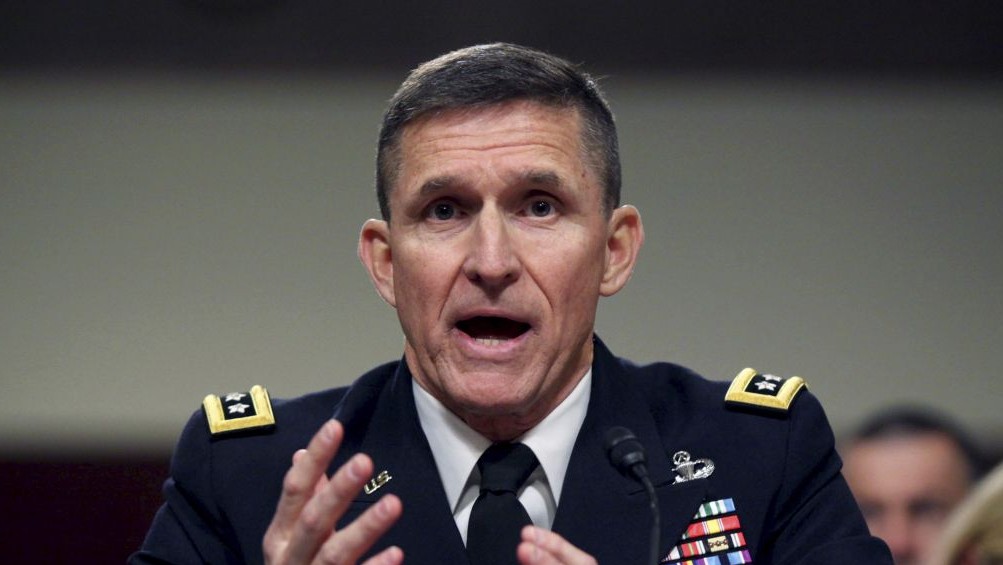
Former national security adviser Michael Flynn was forced to resign from the Trump administration last month after questionable contacts with the Russian government and revelations that he lied about them to the vice president and the FBI.




The Times of Israel Community.