

2 Jewish-American women banned from Israel for 10 years over olive harvest help incident
Women, along with other activists, were trying to assist Palestinian olive growers with harvest, but were told they were violating a closed military zone order imposed that morning
 Add ToI as a Preferred Source on Google
Jeremy Sharon is The Times of Israel’s legal affairs and settlements reporter
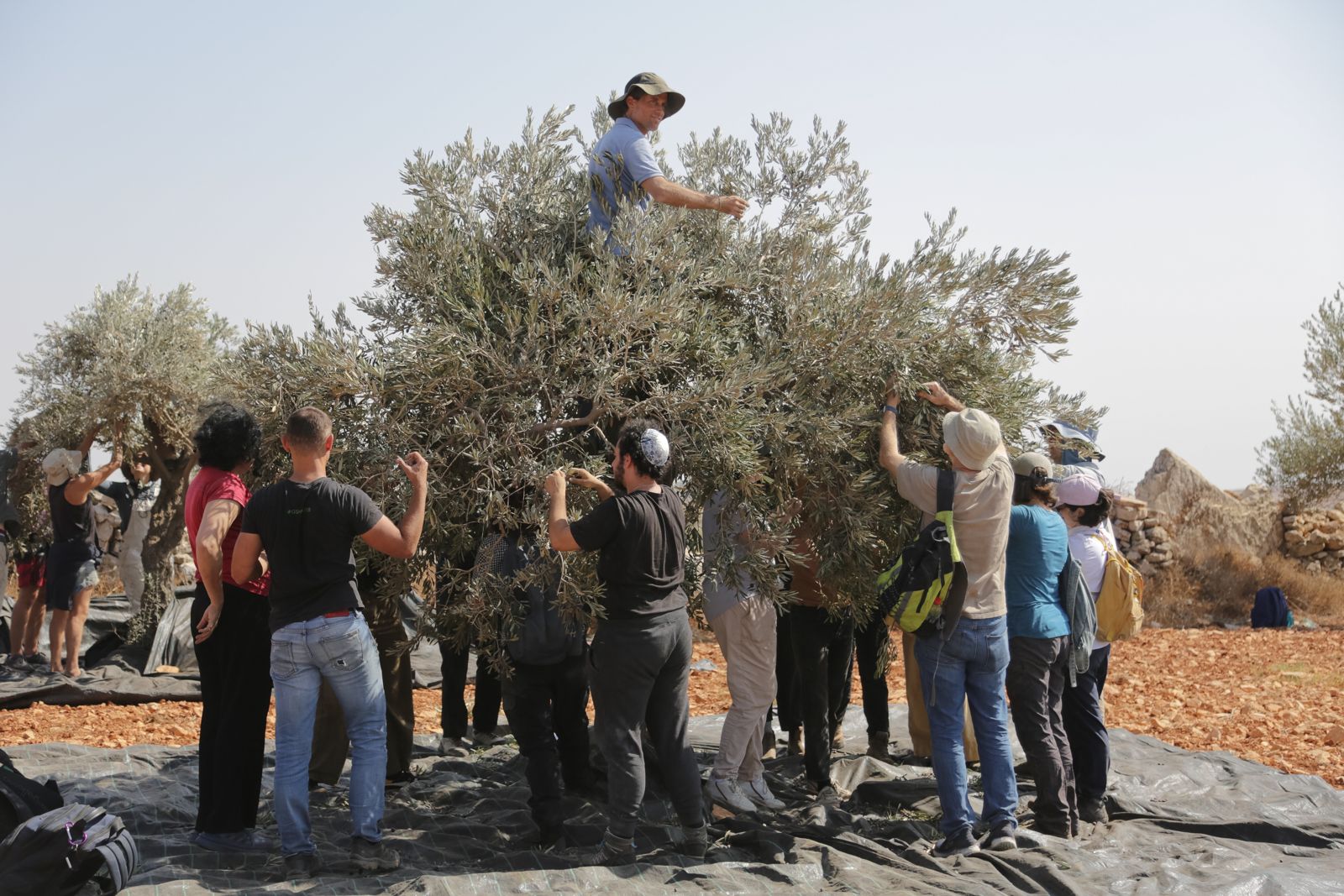
Two Jewish-American women who were deported from Israel for having entered a closed military zone in the West Bank to help Palestinian olive growers with their harvest have been banned from Israel for 10 years.
The women were detained on Wednesday for having entered a closed military zone imposed by the IDF over the Palestinian village of Burin on October 29, the same day the women and nine other activists went to volunteer picking olives in the region.
The two women were held in the Givon Prison in Ramle, and were deported on Friday.
The activists, one an 18-year old and the other in her 50s, were participating in a project run by the Rabbis For Human Rights organization to help Palestinians harvest their olives, as an act of solidarity against violence by extremist settlers which has erupted in the West Bank since the olive harvest season began in mid-October.
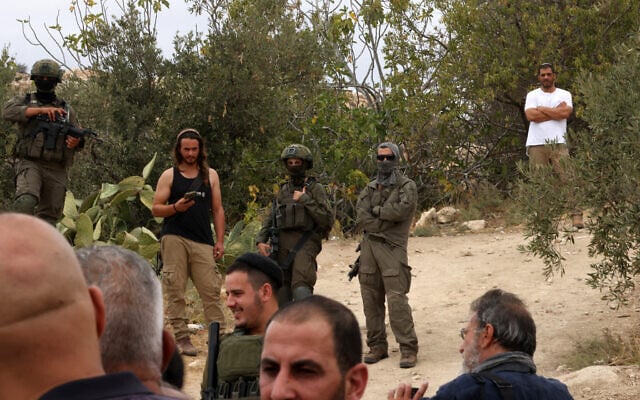
After a bus with 11 activists, including the two Jewish-American women, encountered an IDF checkpoint where they were told they could not continue in the direction they were going because it was a closed military zone, the bus went a different route to their destination. But after arriving, they were detained for violating the closed military zone order.
Following a hearing with the Population and Immigration Authority on Thursday, the agency canceled their visas on the basis that they had violated the closed military zone order, and issued them with an order barring them from entering Israel.
Although the order itself does not include a specific time frame, Michal Pomeranz, a lawyer who represented the women, said the default for such orders is 10 years.
The women may appeal the order banning them from Israel to a court of appeals within the Justice Ministry if they so wish, although they have yet to make a decision on that issue.
Pomeranz insisted that the activists, including the two women, did not know they had been in violation of the closed military zone order, which had only been issued that morning.
She also pointed out that the order covered the privately owned land of the Palestinian olive growers the activists were seeking to assist, and that the landowners had explicitly invited the activists to come to their land to help them with the harvest.
Pomeranz added that the High Court of Justice has ruled that closed military zone orders can only be issued for security purposes, and called into question whether stopping activists helping with the olive harvest could come under that definition.
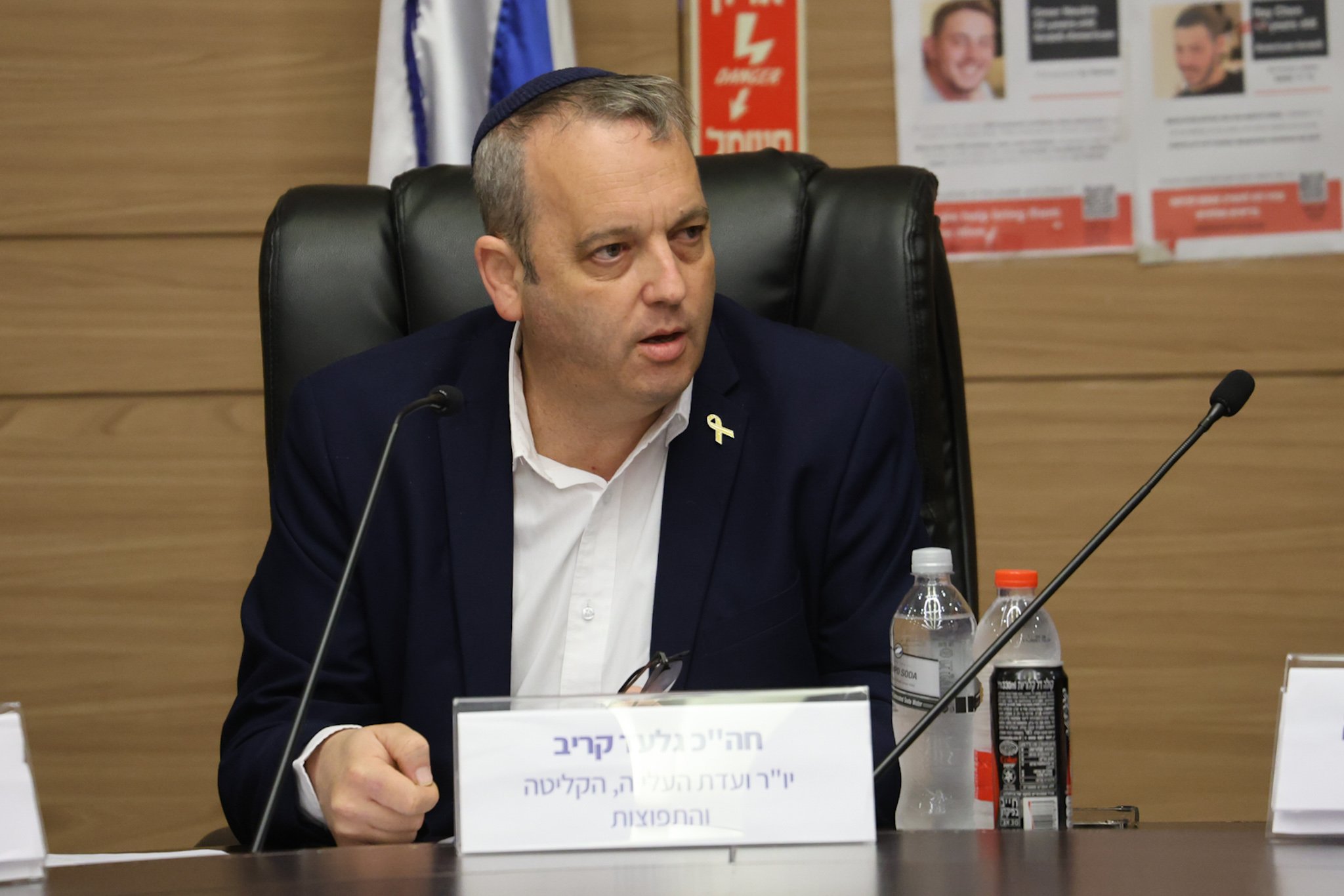
Democrats MK and chairman of the Knesset Diaspora Affairs Committee Gilad Kariv described the ban against the women from entering the country as “outrageous,” and said he intends to hold a hearing in his committee on the issue and summon the relevant officials to explain the decision.
“Beyond the injustice, this does direct harm to Israel’s relationship with Diaspora Jewry, and harms the legitimacy of liberal-Zionist worldviews,” said Kariv.
Director of Rabbis for Human Rights Avi Dabush says it is “anti-Zionist and anti-Jewish to ban Jews from Israel,” and insisted that his organization’s activities are non-violent and law-abiding.
“Two Jewish women came to Israel with Zionist values and for Zionist purposes, and to help people in distress, and the outcome is really crazy,” he said. “The fact that the police don’t stop the Jewish terrorists working against us and the Palestinian olive growers is also very frustrating.”
Becca Strober of the Solidarity of Nations-Achvat Amim organization, in whose educational program the two women were participating while in Israel, denounced the efforts by the state to criminalize assistance to Palestinian olive growers, while failing to deal with settler violence.
“We are in the midst of the most violent olive harvest in recent memory — settlers are able to carry out terror attacks with total impunity. The state has decided to make solidarity acts illegitimate and illegal as a means to allow the violence towards Palestinians to continue unabated,” said Strober.
Separately, the IDF stated on Sunday that several soldiers will be disciplined after video footage emerged showing them stealing olives from a grove in the West Bank Palestinian village of Sinjil, close to Ramallah, on Friday.
جنود الاحتلال يسرقون ثمار الزيتون من أراضي المزارعين في بلدة سنجل شمال رام الله، بعد طرد أصحابها منها. pic.twitter.com/ApgjbnQxkM
— شبكة قدس الإخبارية (@qudsn) October 31, 2025
The IDF said that the “conduct of the forces” seen stealing the olives “does not align with the values of the IDF,” adding that “the incident will be investigated and handled through disciplinary measures.”








The Times of Israel Community.