

50 years after massacre, Munich Olympic village now home to young families, retirees
Housing complex for athletes was transformed into residential district shortly after 1972 games; Israeli delegation’s apartments acquired by research institute
 Add ToI as a Preferred Source on Google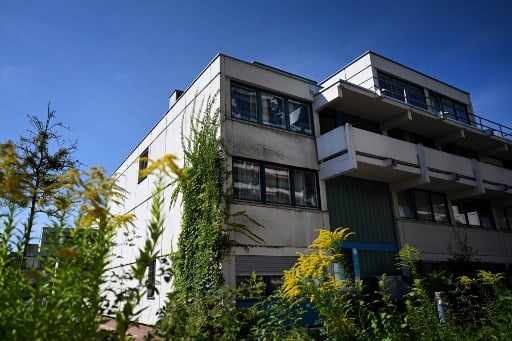
MUNICH, Germany (AFP) – Connollystrasse 31 may be seared in most people’s memories as the address where Palestinian gunmen took Israeli athletes hostage during the 1972 Olympic Games in Munich. But for Mechthild Foerster, it is her home.
When she and her husband found the apartment in 1986, they did not know it was located in the same building where the terror unfurled.
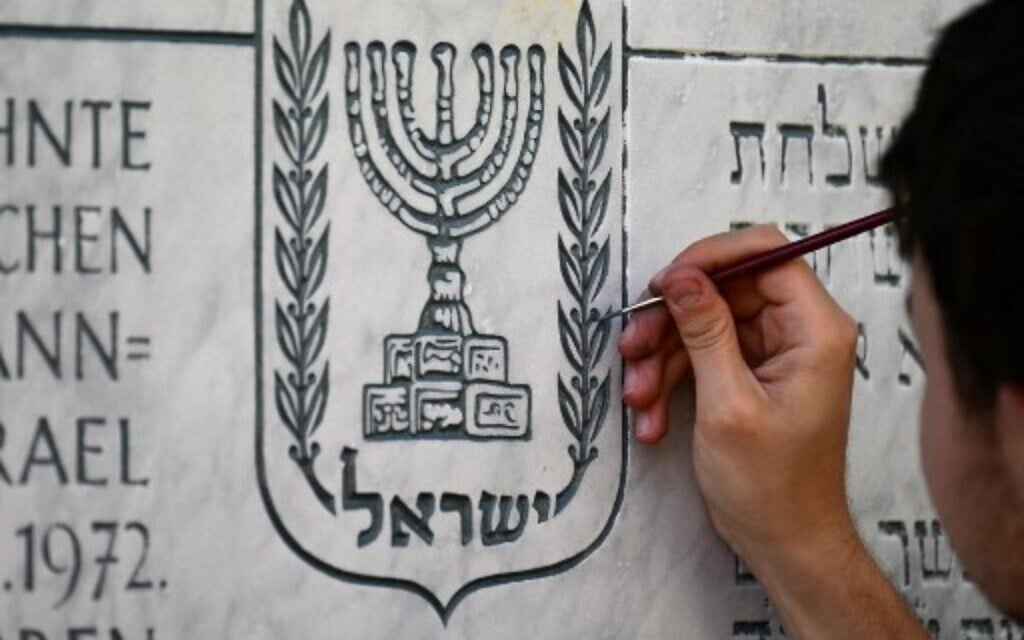
“We knew pretty soon afterward, with the plaque outside the building,” she told AFP, referring to the memorial plate in German and Hebrew commemorating the 11 members of the Israeli delegation who were killed 50 years ago.
“It is not as if I had the scary feeling of moving into a haunted castle. Life goes on and wounds must heal,” she said.
On September 5, 1972, members of the Palestinian Black September terror group stormed into the Israeli Olympic delegation’s lodgings, shooting two dead and taking nine others hostage.
West German police responded with a bungled rescue operation in which all nine hostages were killed in a shootout, along with five of the eight hostage-takers and a police officer.
‘Plants everywhere’
Despite the atrocities that unfolded at the site, the Olympic village was transformed into homes for locals barely a year after the Games.
Foerster, 85, already knew what life was like in the former Olympic village from visiting her sister-in-law, who moved in in 1973.
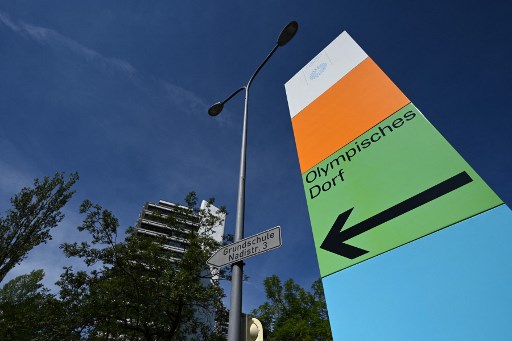
Today, the 40-hectare (99-acre) residential district adjoining the Olympic park is a thriving district popular with families and retirees alike.
In her block, the apartments once inhabited by the Israeli delegation have been acquired by the Max Planck Institute, which puts up visiting researchers there. Others are inhabited by longer-term residents like Foerster.
Recalling the early years at the village, Foerster said, “It was really hot inside, because it was really only a pile of concrete, a sort of mountain that heats up in the summer.”
“If we didn’t have plants everywhere it would really be unlivable. Now it’s very pleasant,” she said, having just returned from shops on her bike.
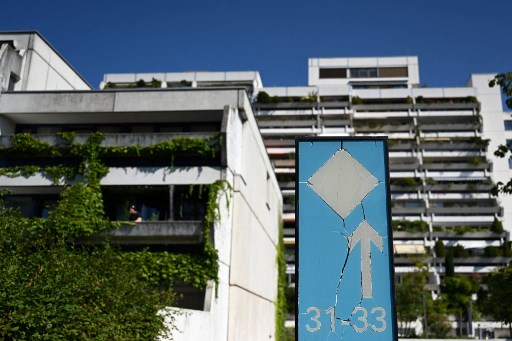
On every balcony of the apartment complex that faces the sun there are potted plants, ivy and small trees that bring a little freshness in summer.
Soon after the fateful Games in 1972, ramps were built to make the buildings more accessible to disabled people.
With all the roads buried underground there are no cars, no noisy traffic, and parents let children play in the street without fear.
‘Wouldn’t live anywhere else’
The local school is embedded in the village and no more than a 10-minute walk from home — another advantage for families.
“I don’t think I would live anywhere else in Munich with children,” said Charlotte Haupt, mother to an 18-month-old boy.
“Ours is just a year-and-a-half but the older he gets the more advantages there will be. We can let the kids play outside the house, there are no cars,” she said.
Haupt moved into the area in 2010 as a student in a shared apartment and has lived in the complex with her partner since 2016.
Tina Wild arrived in the Olympic village a week before giving birth 18 months ago.
“To be honest, I don’t know if we would have bought here had I not been pregnant. For a couple without children, there are more interesting neighborhoods,” Wild said.
“It’s a village but in the positive sense of the word. Residents help each other out, say hello in the morning, you know each other, especially when you have children,” Haupt said.
“Volunteers sometimes go and do the shopping for older people, go with people on a walk, visit them at home. It’s quite simple and when you live here a while, you get to know each other,” said Foerster.



The Times of Israel Community.