

Army says troops to remain on Gaza border amid fears of fresh attacks
After a day of violent clashes that saw some 30,000 Gazans protest, IDF says terrorists could still try to infiltrate border or launch rockets
 Add ToI as a Preferred Source on Google
Judah Ari Gross is The Times of Israel's religions and Diaspora affairs correspondent.
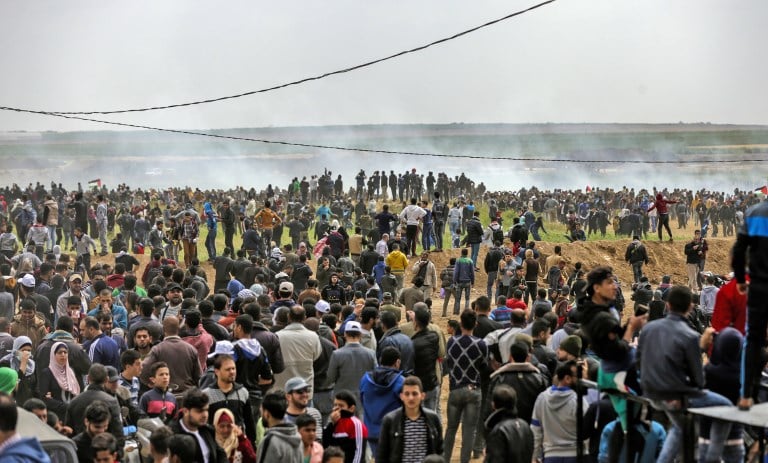
The Israel Defense Forces said Friday it did not expect the violent protests along the Gaza border to end soon, and would leave in place the current bolstered number of soldiers there, as darkness began to fall hours after the mass marches and clashes started.
“We are ready for any scenario,” an army official said as the Jewish holiday of Passover began Friday evening.
The official said this could include any number of things, including attempts to infiltrate the border, attacks with improvised explosive devices or launch rockets into Israel from the Hamas-run territory.
According to the army, some 30,000 Palestinians took part in the demonstrations along the border throughout the day. Protesters threw rocks and Molotov cocktails at the troops on the other side of the border and were seen trying to damage the security fence with fires and cutting tools, the official said.
As of Friday night, at least 15 rioters were killed and over 1,000 were injured by Israeli troops, according to the Hamas-run Gaza health ministry.
The IDF spokesman Ronen Manelis said the IDF faced “a violent, terrorist demonstration at six points” along the fence. He said the IDF used “pinpoint fire” wherever there were attempts to breach or damage the security fence. “All the fatalities were aged 18-30, several of the fatalities were known to us, and at least two of them were members of Hamas commando forces,” he said in a late afternoon statement.
In one incident, the IDF said, two gunmen approached the border and opened fire on troops, prompting return fire. No soldiers were hurt in that or any other incident, the army said.
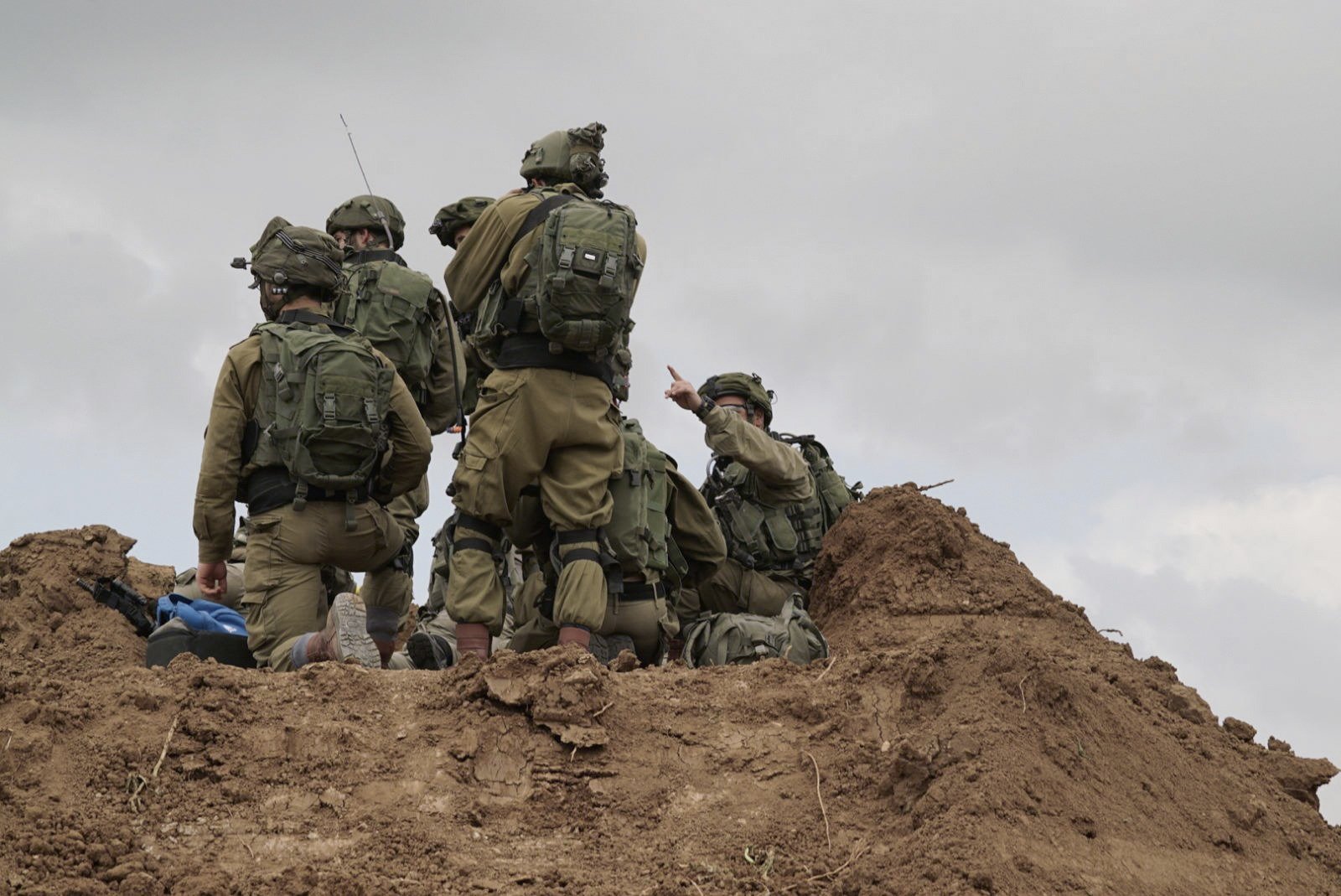
The IDF official defended the military’s use of live fire.
“The gunfire has been subject to serious, serious, serious consideration by the officers in the field,” the official said.
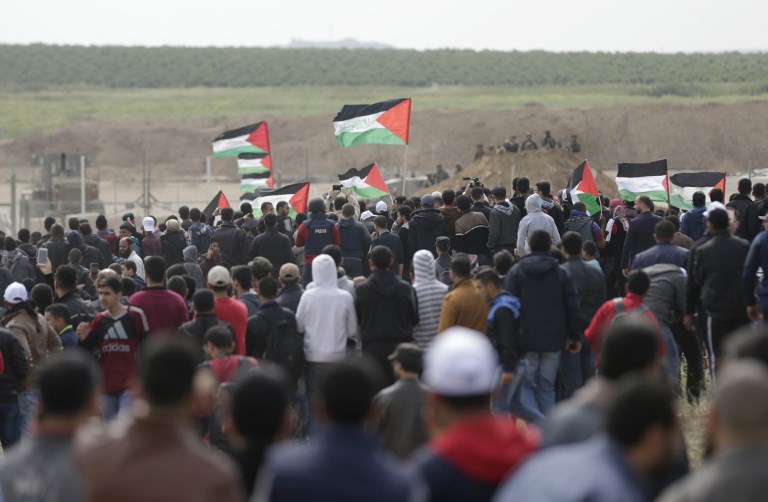
Officials had quietly expressed fears before the protest that the clashes could spark escalating violence and retaliatory attacks if the “March of Return” protest got out of hand.
The official said the army holds Hamas responsible for violence coming out of the protests.
The mass demonstrations and violence came amid rising tensions as the United States prepares to move its embassy in Israel to Jerusalem.
Organizers had said the protests would be peaceful but Israeli officials were wary of a fresh flare-up along the enclave’s border. Hamas, the key organizer of the campaign, is an Islamist terror group that seeks the destruction of Israel.
Defense Minister Avigdor Liberman warned earlier Friday that any Palestinians from Gaza approaching the security fence with Israel were putting their lives at risk.
“Those who approach the fence today are putting themselves in danger,” Liberman said in his post. “I would advise [Gazans] to go on with your lives and not engage in provocations.”
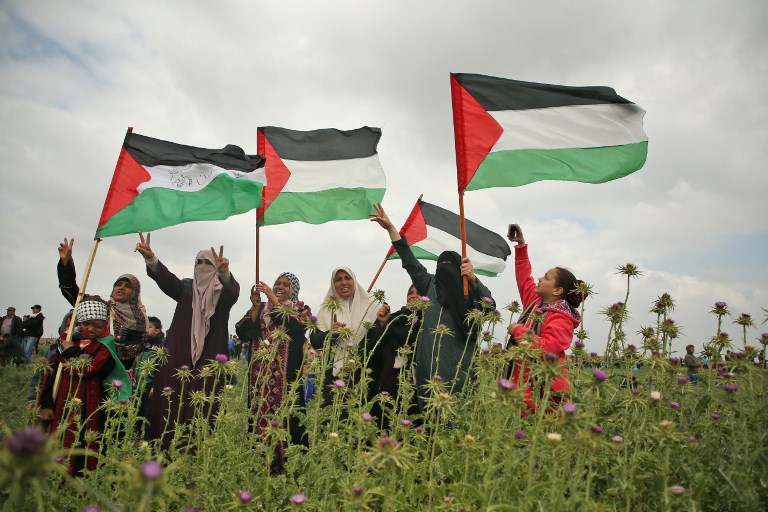
Protests and camping at a tent city erected along the border in Gaza are expected to continue until mid-May, around the time the US is set to inaugurate its new embassy in Jerusalem.
Mid-May will also mark the anniversary of what Palestinians call the Nakba, or catastrophe, which saw hundreds of thousands of Palestinians flee their homes during Israel’s 1948 War of Independence.
According to the United Nations, some 1.3 million of Gaza’s 1.9 million residents are refugees or their descendants.
Khaled al-Batsh, the leader of the Iran-backed Islamic Jihad terror group, which is also among the planners of the protest, said tents would be located 500 meters from the border, just outside the buffer zone between Gaza and Israel.
Water facilities were installed and medical teams deployed to allow people to stay for long periods.
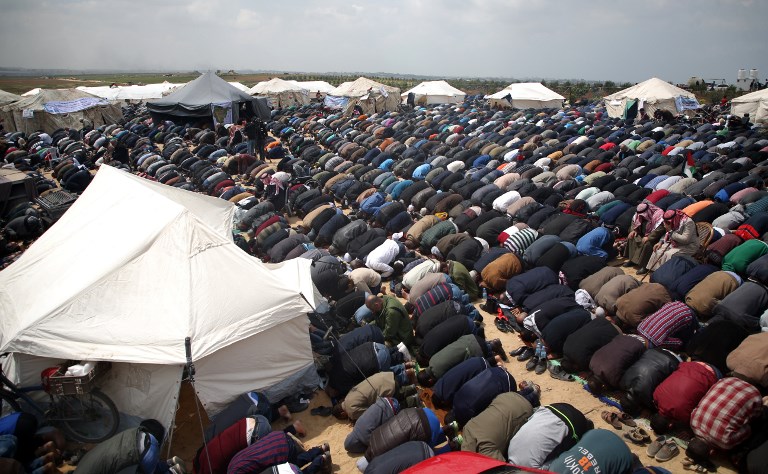
Batsh said protesters were calling for Palestinians to be allowed to return to land that is now inside Israel. “Seventy years ago we left and today we have decided to return to our country,” he told AFP.
At previous peace talks, the Palestinians have always demanded, along with sovereignty in the West Bank, Gaza, East Jerusalem and the Old City, a “right of return” to Israel for Palestinian refugees who left or were forced out of Israel when it was established. The Palestinians demand this right not only for those of the hundreds of thousands of refugees who are still alive — a figure estimated in the low tens of thousands — but also for their descendants, who number in the millions.
No Israeli government would ever be likely to accept this demand, since it would spell the end of Israel as a Jewish-majority state. Israel’s position is that Palestinian refugees and their descendants would become citizens of a Palestinian state at the culmination of the peace process, just as Jews who fled or were forced out of Middle Eastern countries by hostile governments became citizens of Israel.






The Times of Israel Community.