

Cities fight decision to allow rebuild of oil refinery plant destroyed by Iran missile
Accused of not considering cleaner alternatives, planners accept Energy Ministry request to allow Bazan oil refineries to fast-track construction of new Haifa power plant without permits
 Add ToI as a Preferred Source on Google
Sue Surkes is The Times of Israel's environment reporter

Cities in and around the Haifa Bay area in northern Israel vowed Tuesday to fight a decision by the National Planning and Building Council to allow the Bazan oil refineries — supposed to shut down by the end of the decade — to build a new power facility without a building permit.
The new gas-driven facility is intended to replace an old one damaged by Iranian missiles during Israel’s brief war with Iran in June.
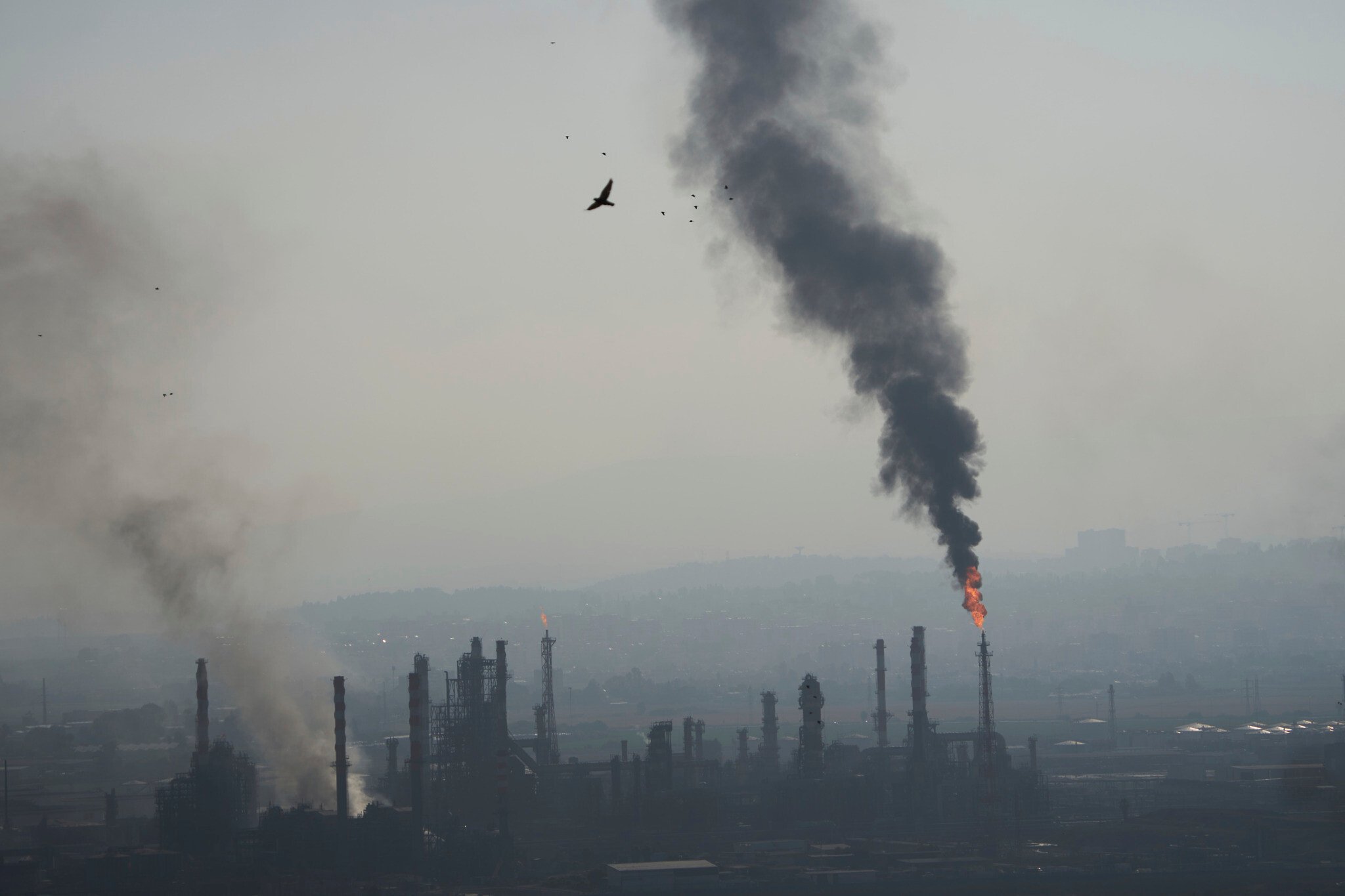
Two missiles hit the Bazan compound on June 15 and 16. Three workers were killed in a resulting fire, and pipelines and transition lines were damaged. The facility, which was closed for nearly two weeks, has been undergoing repairs and aims to return to full operation this month.
Central to the issue of exemption from a permit is a temporary order under the planning and building law, which allows the Interior Ministry to waive aspects of the national planning law to fast-track repairs and rehabilitation caused by the October 7, 2023, Hamas invasion of southern Israel, and subsequent war.
The order, known as Section 266E, has been employed in dozens of cases to help rebuild communities along the Gaza border.
In July, in response to an Energy Ministry request, the Interior Ministry proposed exempting Bazan from obtaining a building permit to repair the damage caused during the war with Iran. It explained that “significant damage was caused [by the Iranian attack] to essential facilities required for the refinery’s continued operation and production of its products, including the power plant responsible for generating electricity and steam used by the facilities in the complex, pipelines and operational infrastructure.”
That month, the planning and building council greenlighted the replacement of certain kinds of equipment, such as pipes and steam boilers, without a permit, but held off on approving a replacement power facility.
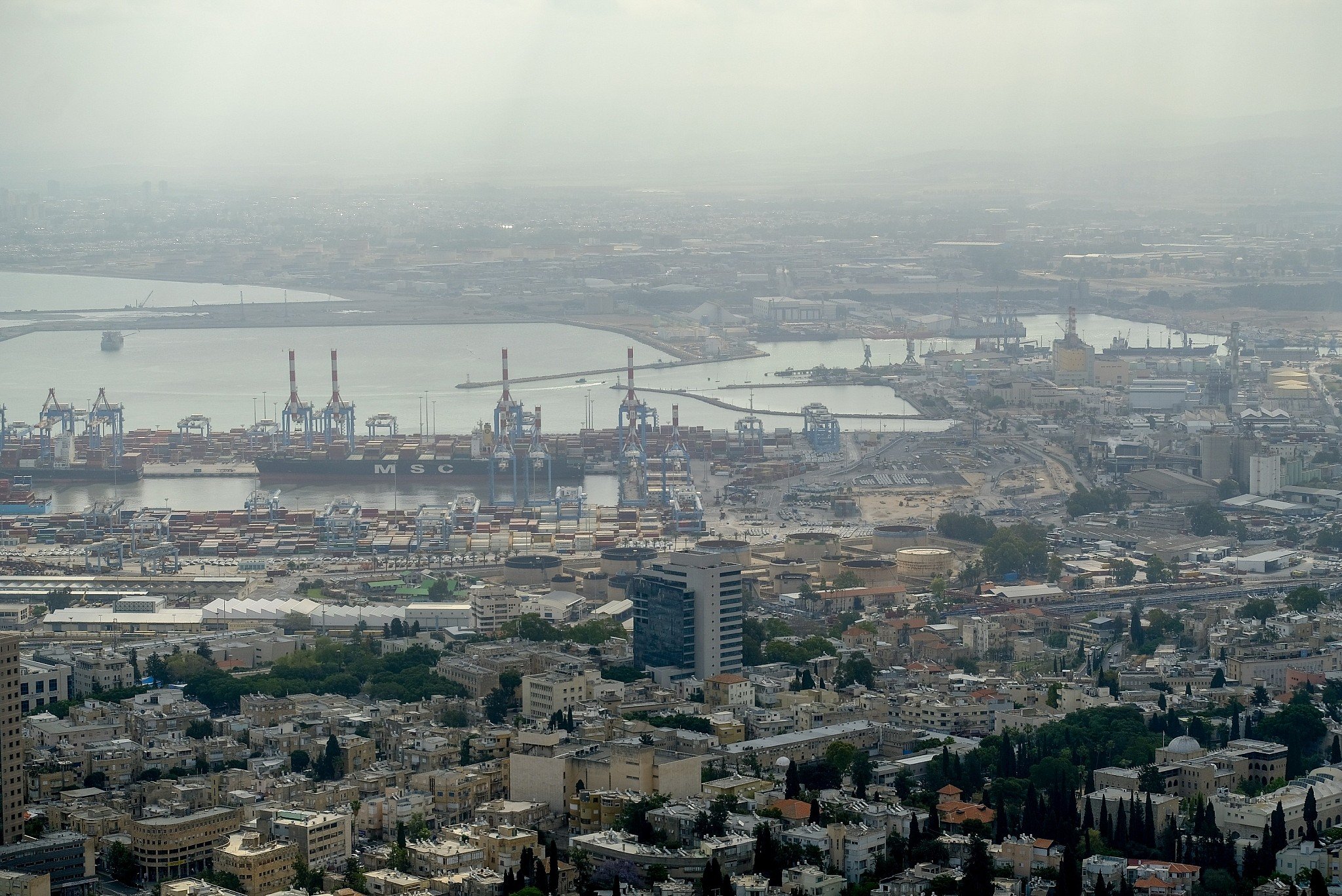
Residents, environmental activists and others have pressed for years to have the Bazan compound closed and the materials it produces imported due to the heavy pollution it causes in Haifa and its surroundings, a reportedly high prevalence of cancer and asthma, and fears of a missile attack, which materialized during Israel’s war with Iran.
Three years ago, the cabinet decided to shut down the refineries and related oil storage complex within a decade and instead import the materials they produce, known as distillates. A Directorate for the Development of Haifa Bay was established within the Prime Minister’s Office to undertake this task and plan the transformation of Haifa Bay from a polluted industrial area into a green residential and tech hub.
During Tuesday’s council discussion about the power facility, the Haifa Bay Cities Association for Environmental Protection argued that, as Bazan had successfully continued to operate from cleaner electricity supplied by the national grid, it could go on doing so, without the need for a new facility that would add to Haifa’s already over-polluted air.
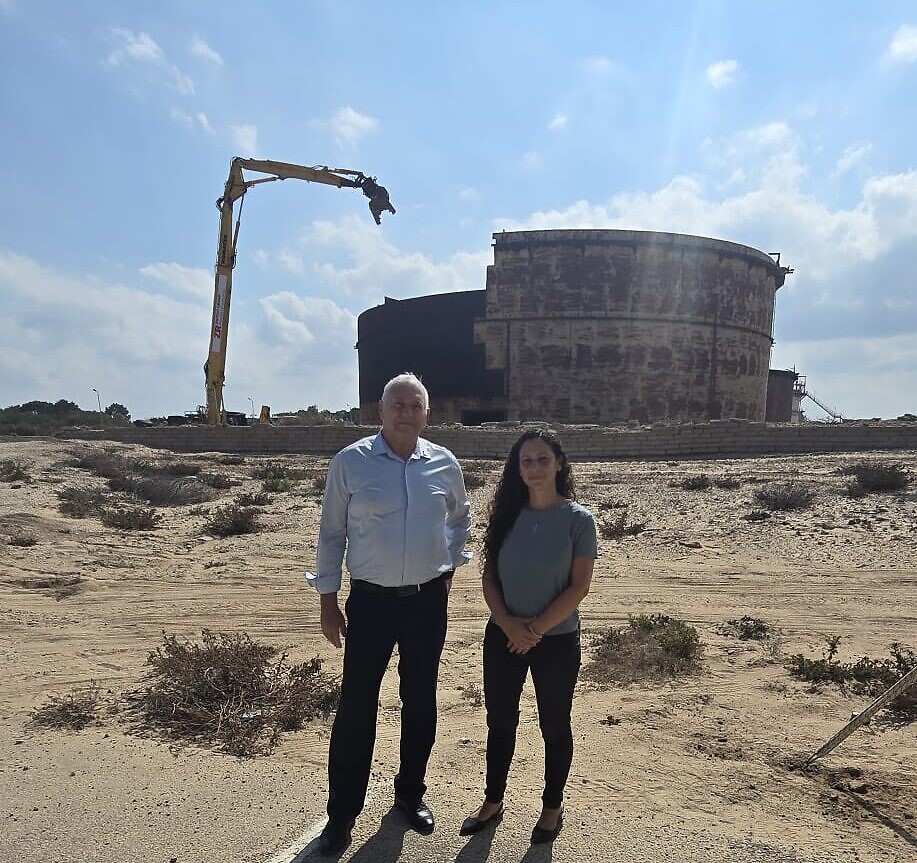
Saying the association would work with the Haifa Municipality to petition the High Court against the planners’ decision, Avihu Han, Deputy Haifa Mayor and Chairman of the association, accused planners of “playing into the hands” of Bazan’s attempts to torpedo its closure, while endangering the health and safety of a million residents of the Haifa metropolitan area.
Elad Pinchas, head of environmental planning at the Environmental Protection Ministry, said there had been no substantive discussion about the alternatives.
In a statement, the National Planning and Building Council said the Energy Ministry’s request was submitted in accordance with the law.
“After examining all existing alternatives, the Council selected the best alternative — one that would enable the replacement of the damaged facility with a facility featuring improved technology, while also allowing for the potential dismantling of the facility in the future when activity at the Bazan site ceases.”










The Times of Israel Community.