

Ex-president Katsav won’t appeal parole rejection
Convicted rapist who remains unrepentant pins his hopes on a presidential pardon amid claims of declining mental health
 Add ToI as a Preferred Source on Google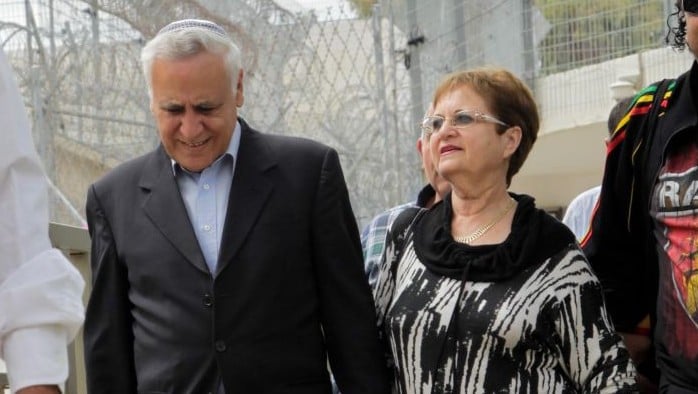
Former president Moshe Katsav won’t appeal a decision by the Israel Prisons Service parole board to turn back his request for early release from prison, where he is serving out a seven-year sentence for rape and other offenses.
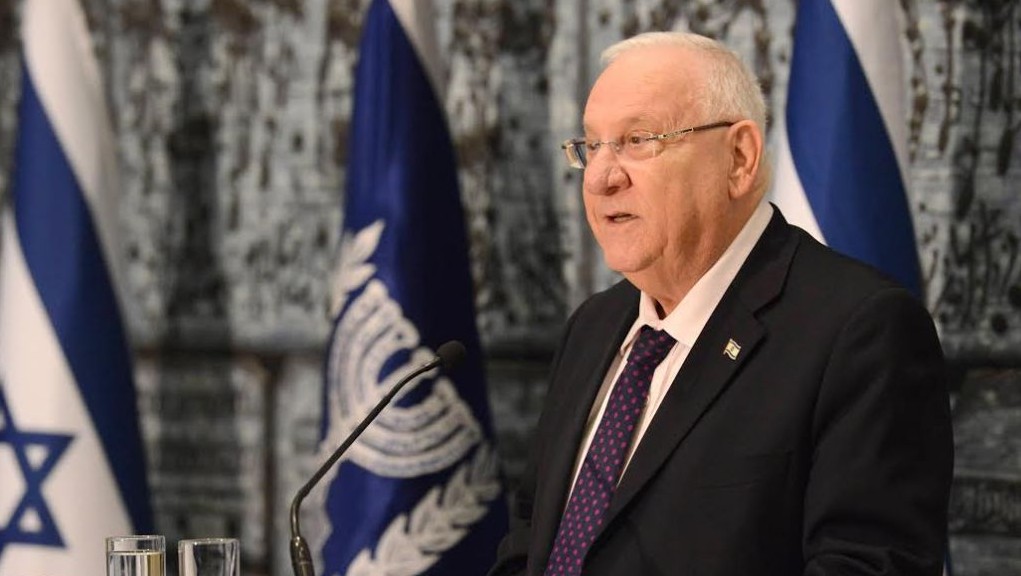
Katsav, who maintains that he has lost faith in the IPS parole process, has requested a presidential pardon from his successor, President Reuven Rivlin.
The ex-president informed his lawyer Zion Amir on Sunday, the final day he could appeal the decision, that he did not wish to submit the 22-page-long appeal document to the parole board, Channel 2 reported.
His pardon request was passed on last week to Rivlin’s legal team for processing and evaluation, which is the procedure for all clemency requests.
Katsav, 70, was convicted on December 30, 2010, on two counts of rape, among other charges. He began serving his sentence in December 2011, and is slated for release in December 2018.
The appeal request, penned by Katsav himself, cites the ex-president’s supposedly flagging mental health after the parole board rejected early in April his request to have one-third of his sentence knocked off for good behavior.
Prison guards have not reported any deterioration in Katsav’s mental health and have not requested the intervention of a psychologist, according to Channel 2 news.
Katsav’s wife recently met twice with Rivlin to discuss the possibility of clemency for her husband, according to Channel 10 news.
Katsav and Rivlin are former Likud colleagues who served in the Knesset together for years before Katsav won the presidency.
Rivlin agreed to meet Gila Katsav, according to the report, but made clear in the meetings that there was “very little chance” he would grant an early release to his predecessor.
In citing the reasons for its decision to deny Katsav early release, the parole board said that the former president remains unrepentant, consistently denying his guilt and showing no regard for the condition of his victims.
“In front of us is a prisoner who denies the crimes that he committed, who continues to claim his innocence, despite the court ruling in his matter, and continues to spend time trying to prove his innocence, as though there had been no legal process,” the decision read.










The Times of Israel Community.