

IDF chief: Israel beat Hezbollah militarily, but ‘true victory’ means reviving north
Meeting with Northern Command top brass in south Lebanon, Halevi calls on state to ‘step in’ to help region’s burden as some 70,000 residents set to remain displaced until March
 Add ToI as a Preferred Source on Google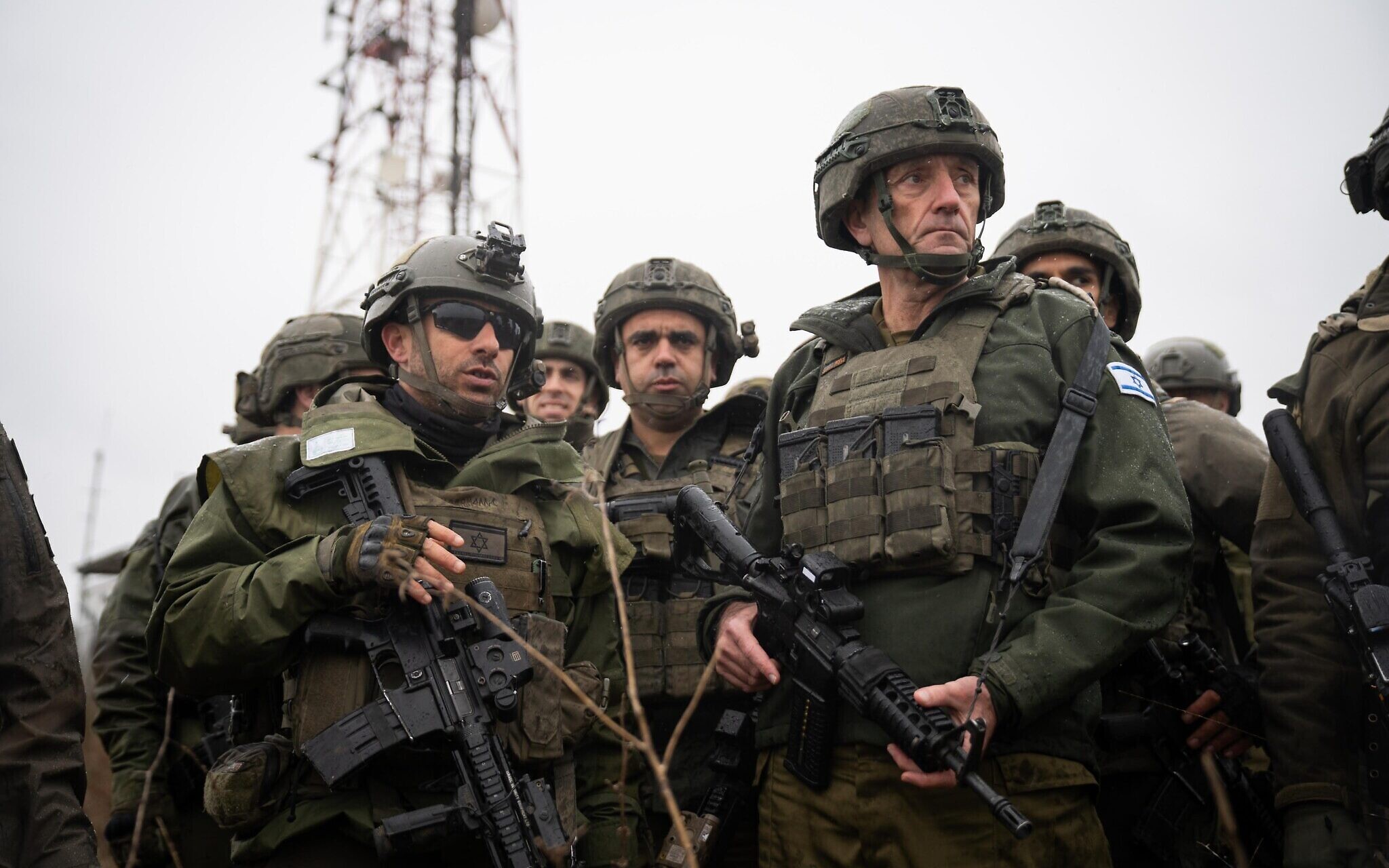
IDF Chief of Staff Lt. Gen. Herzi Halevi said Sunday that the military had won a “clear victory” over Hezbollah, but that “true victory” would be achieved only when Israel’s north is revived.
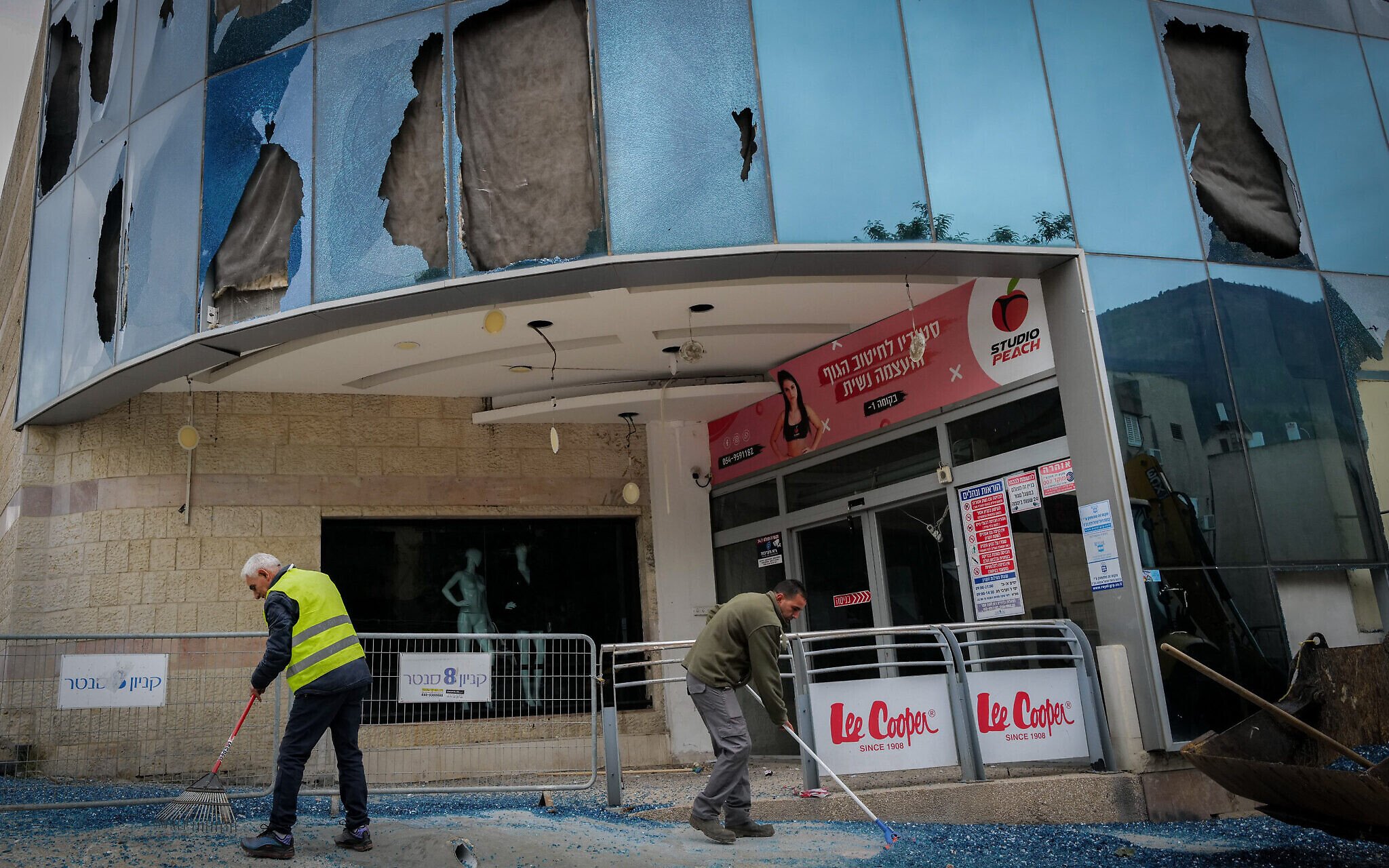
Nearly 70,000 northerners remain displaced after being evacuated last October. The IDF’s current estimate is that they will be unable to return until the end of February, and on Sunday the government okayed an aid package to continue funding the evacuation until then.
Speaking at a situational assessment on the Lebanon front, the IDF chief said that “a victory, in the long run, is that there will be a lot of citizens, a lot of tourism, that the restaurants that were here, and the cafes, and the people who come to ride bicycles, and the agriculture here, will all thrive.”
“And the state needs to step in, offer a very strong shoulder,” he added.
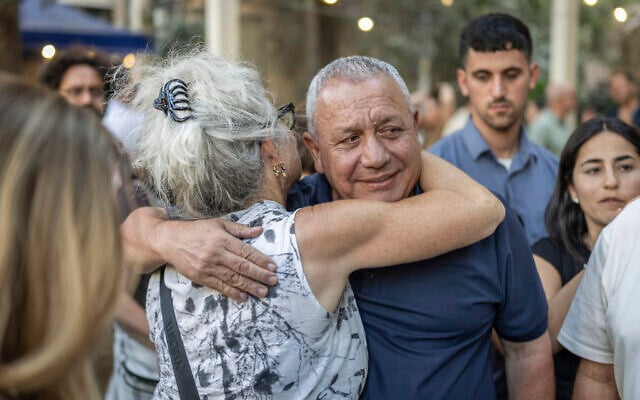
Maj. Gen. Ori Gordin, head of the IDF Northern Command, as well as Brig. Gen. Yiftah Norkin, the commander of the 146th Division, which participated in the ground offensive against Hezbollah, and Col. Omri Rosenkrantz, the commander of the 300th “Baram” Regional Brigade, which is tasked with the western portion of the Lebanese border, attended the assessment.
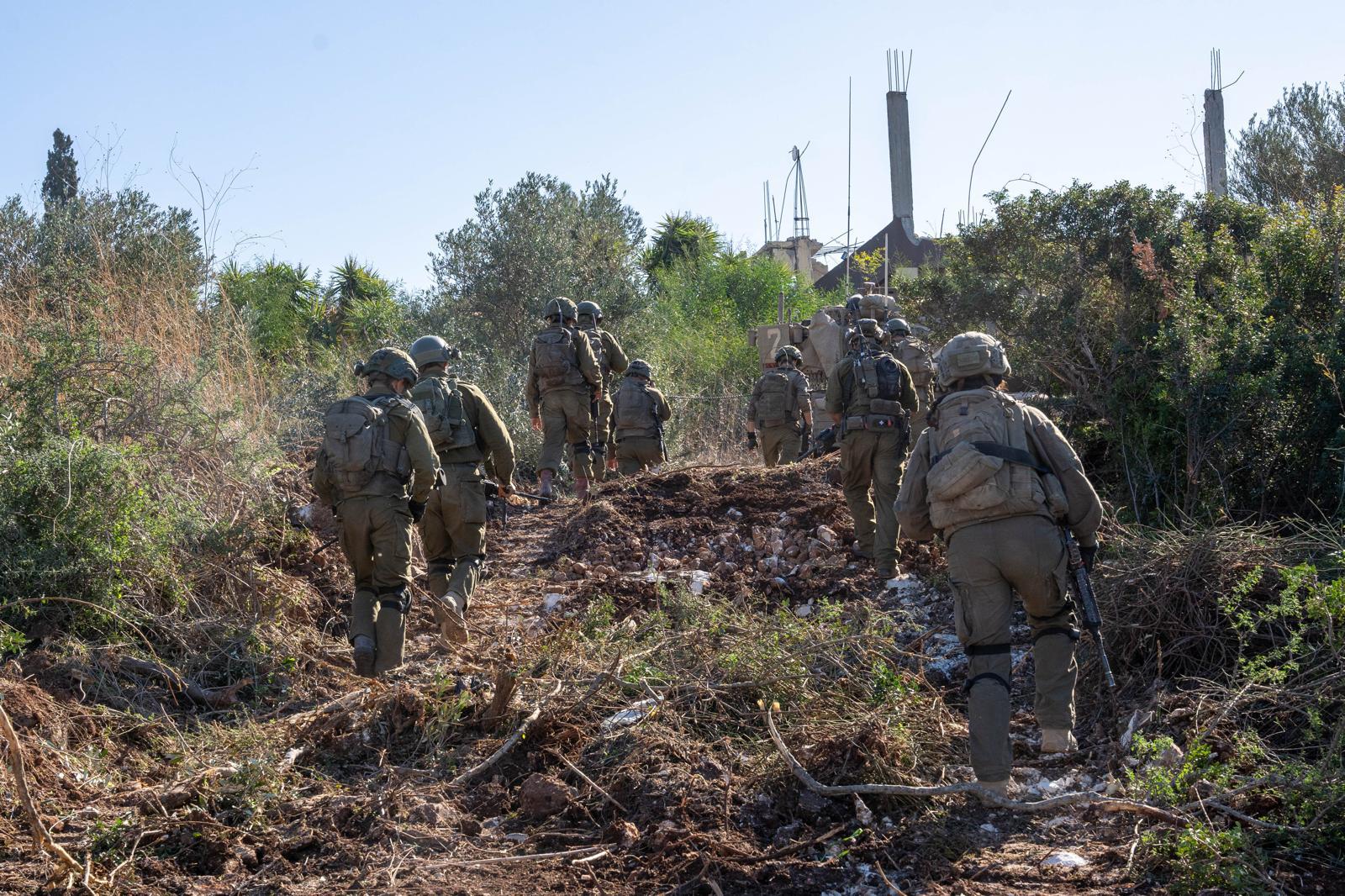
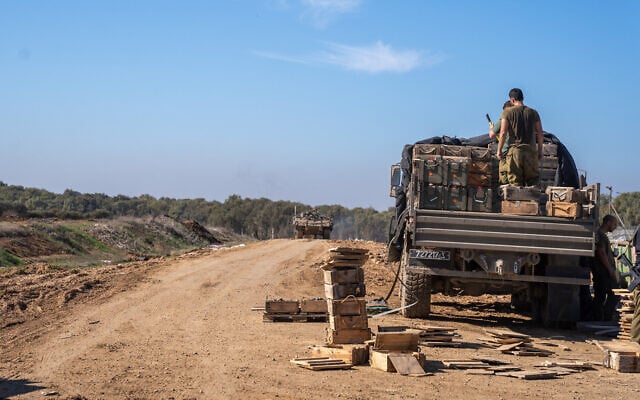
The IDF still has troops in southern Lebanon, which Israel is to vacate by the end of January under a ceasefire agreement it signed with Hezbollah on November 27.
The agreement stipulates that the IDF be replaced in southern Lebanon by the official Lebanese army and international peacekeeping force UNIFIL, while Hezbollah is to retreat north of the Litani, some 30 kilometers (18 miles) from the border with Israel.
Hezbollah and Israel have accused each other of violating the ceasefire. On Saturday, a Hezbollah mouthpiece opined that the “resistance” should resume hostilities with Israel over its attacks on southern Lebanon.
Israel has denied the attacks violate the agreement, saying they targeted Hezbollah fighters who themselves violated it by operating south of the Litani. The IDF says it has killed at least 44 operatives since the ceasefire came into effect.
Unprovoked, the terror group started firing rockets at Israel on a near-daily basis on October 8, 2023 — a day after fellow Iran-backed terror group invaded southern Israel to kill some 1,200 people and take some 251 hostages, sparking the war in Gaza.
Israel escalated operations against Hezbollah in September, all but decimating its leadership, in a bid to secure the return of home of some 60,000 northerners who had been displaced by the terror group’s persistent rocket fire.
Emanuel Fabian contributed to this report.


The Times of Israel Community.