

In Iran, the conflict is unresolved. But in the US, Israel is losing the war
Many Israelis see the war as a shared fight against an existential threat, but Americans take a poor view of both the conflict and Israel; amid it all, Netanyahu is relying on Trump’s fickle goodwill

 Add ToI as a Preferred Source on Google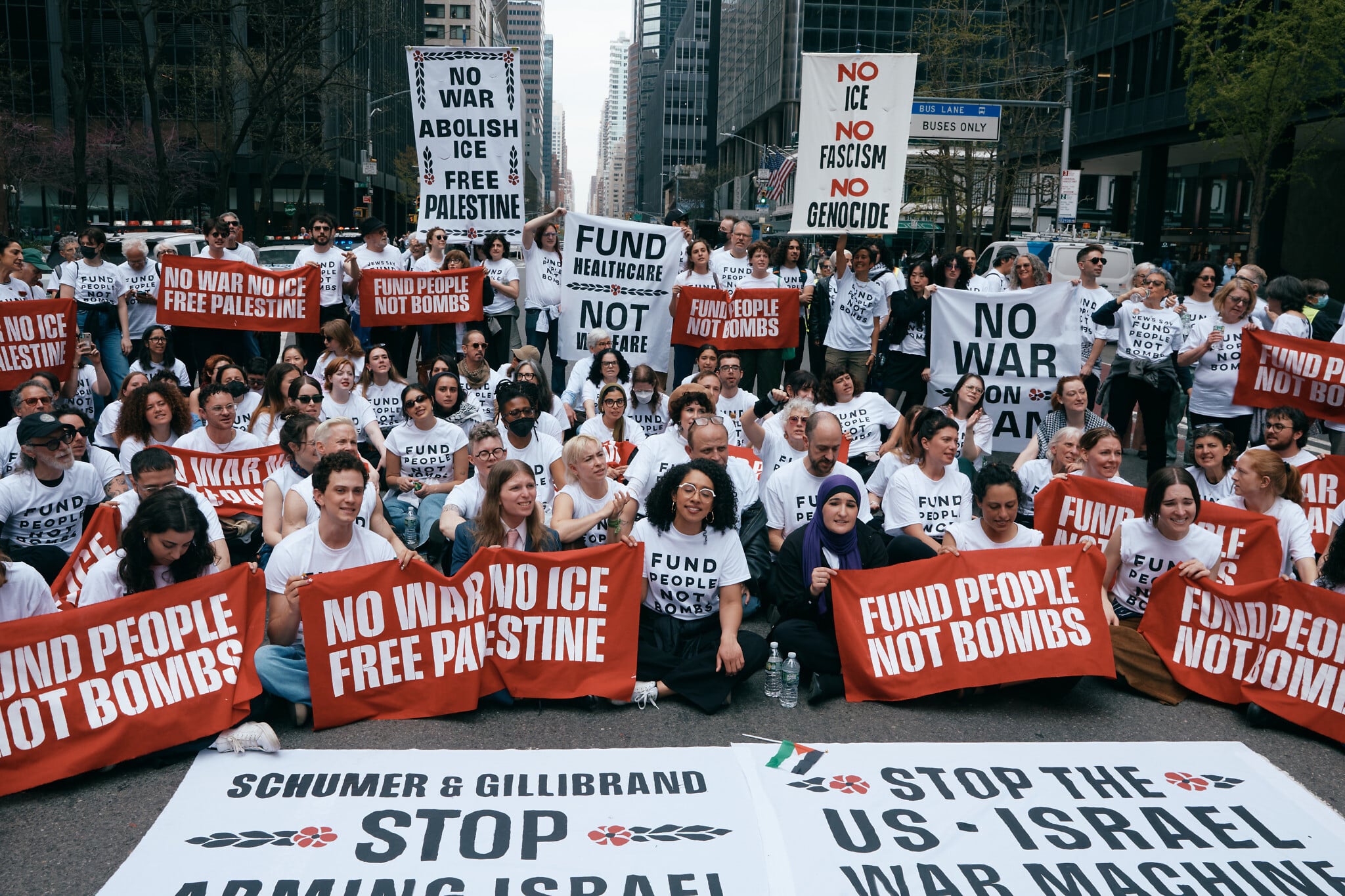
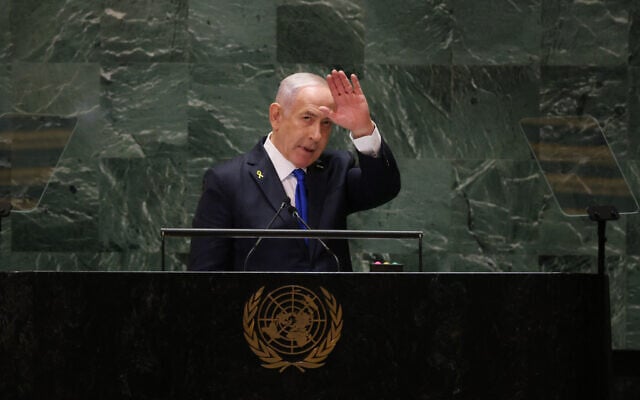
When Prime Minister Benjamin Netanyahu addressed Israel on the first day of the Iran war, an underlying theme of his remarks was that the campaign was being prosecuted, in his words, “in full coordination with our friends in the US.”
Almost seven weeks later, the war is in the midst of a shaky ceasefire, with some of its declared goals unmet. But one thing is becoming clear: Israel’s friends in the US are disappearing fast.
One year ago, Israel’s poll numbers in the US looked pretty bad, with a solid majority of American Democrats, and half of Republicans under 50, expressing unfavorable views of the country, according to a Pew survey.
Since then, a few developments could have indicated sunnier days ahead for Israel’s popularity among the citizens of its closest ally: A US-brokered ceasefire has been in effect in Gaza for more than six months; countries in the Middle East — from the Gulf to Lebanon — appear to be coming into strategic alignment with Israel; Jerusalem and Washington have jointly embarked on not one but two military operations against Iran, a country many Americans have described as a threat.
Amid it all, Israel’s polling numbers in the US have gotten even worse.
While in Israel, the Iran war is seen as a shared fight against an existential threat, in the US, many view it as an unnecessary conflict that’s going badly and costing the country.
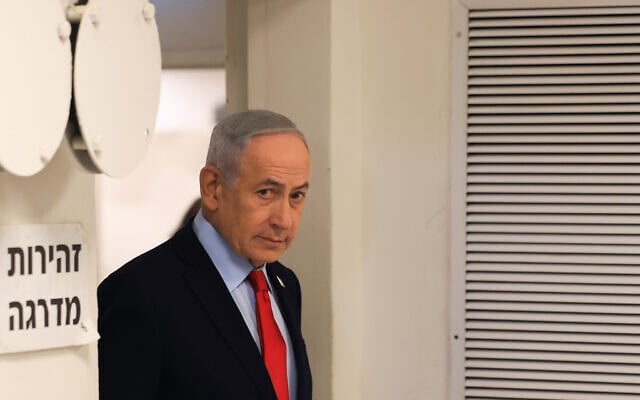
Meanwhile, Netanyahu appears to be relying increasingly on the goodwill of US President Donald Trump, who is also unpopular, and whose feelings are famously fickle.
Israel’s plummeting popularity
According to the latest Pew survey, 60 percent of Americans dislike Israel, including the majority of Democrats and independents, and more than 40% of Republicans. Most Americans under 50, across all parties, have unfavorable views of the country. More than a quarter of Americans have a very unfavorable view of Israel.
As in previous polls, the numbers are especially bad among Democrats. Nearly half of younger Democrats (47%) have a very unfavorable view of Israel, and the number is only a little lower among their elders, at 39%.
“This war has been like a precision strike to take out pro-Israel Democrats, and if it drags on longer it will eliminate the pro-Israel Republicans too,” center-left commentator Matt Yglesias wrote on X in a since-deleted post last week.
Overall, in the US, Israel is about as popular as the Iran war, according to Pew. In both cases, about 60% of Americans disapprove, with the numbers far higher among Democrats.
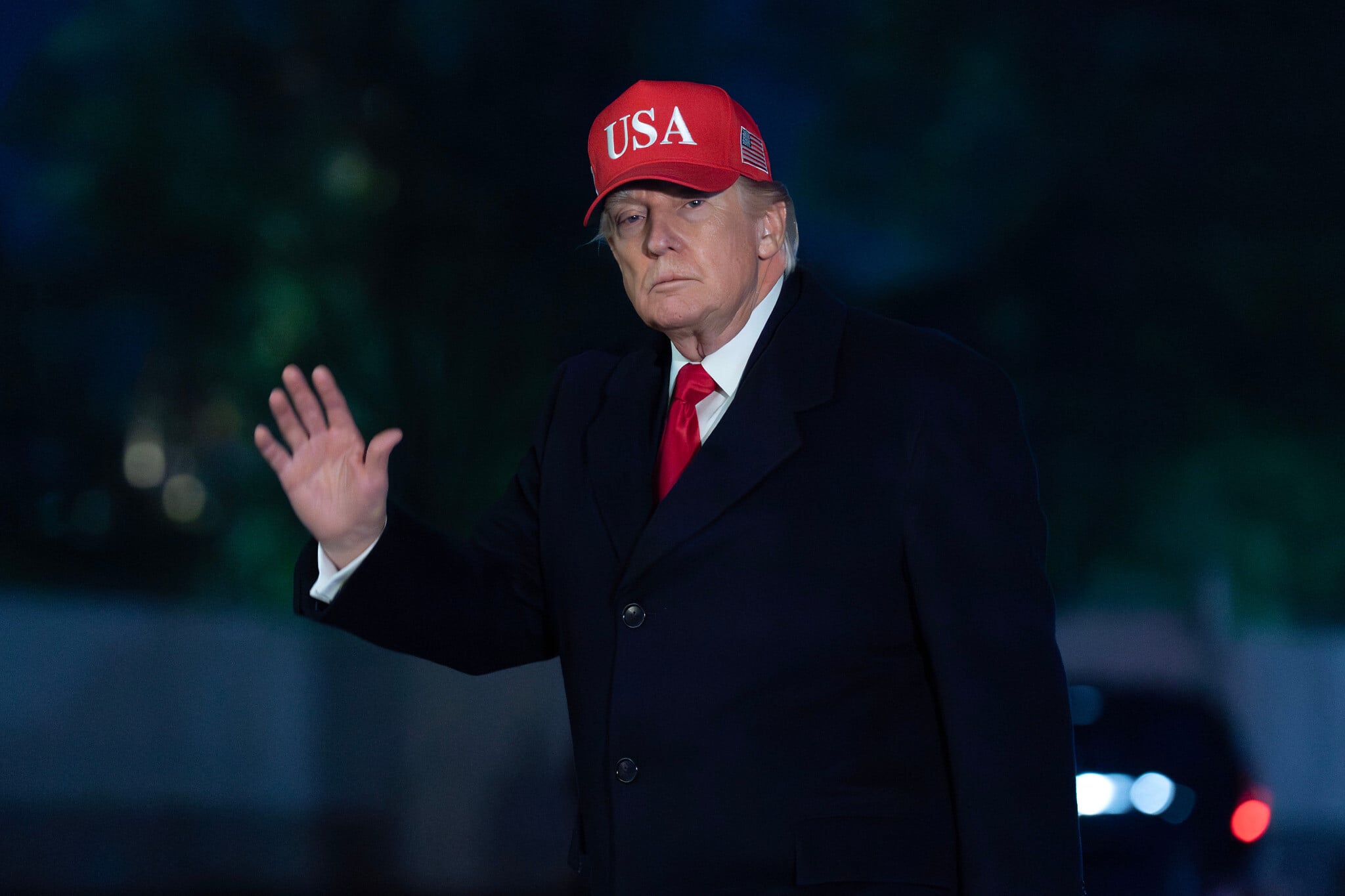
But Israel’s favorability isn’t suffering just on the left: Notably, among young Republicans, a majority approves of Trump’s handling of the war — but most also disapprove of Israel.
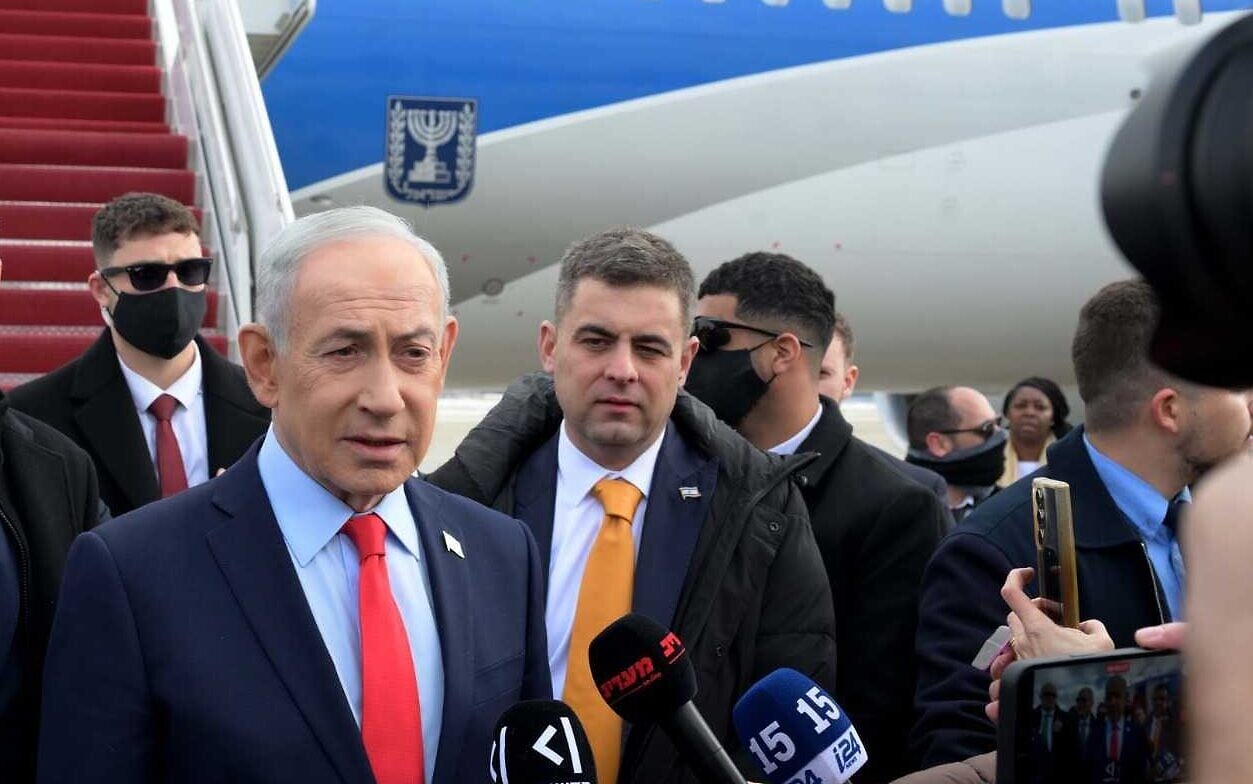
A New York Times report from last week that Netanyahu made a “hard sell” for the war in the White House Situation Room sparked a new wave of criticism, as it indicated that Israel had pushed the US into a fight that has cost it blood and money, and led Americans to pay more for everyday goods.
“People keep telling me it’s antisemitic to say Israel influenced [the] US on [the] Iran war,” Tim Miller, a former Republican strategist and prominent Trump critic, posted on X. He added later, “Obviously it is ultimately Trump’s call but… I think it would behoove supporters of the war to just be honest about it. If Israel hadn’t pitched this there is no chance Trump goes at this alone.”
Relying on Trump
In fact, according to the Pew poll, older Republicans are the only group that still largely supports Israel. And Netanyahu seems to be relying on the good graces of one older Republican in particular.
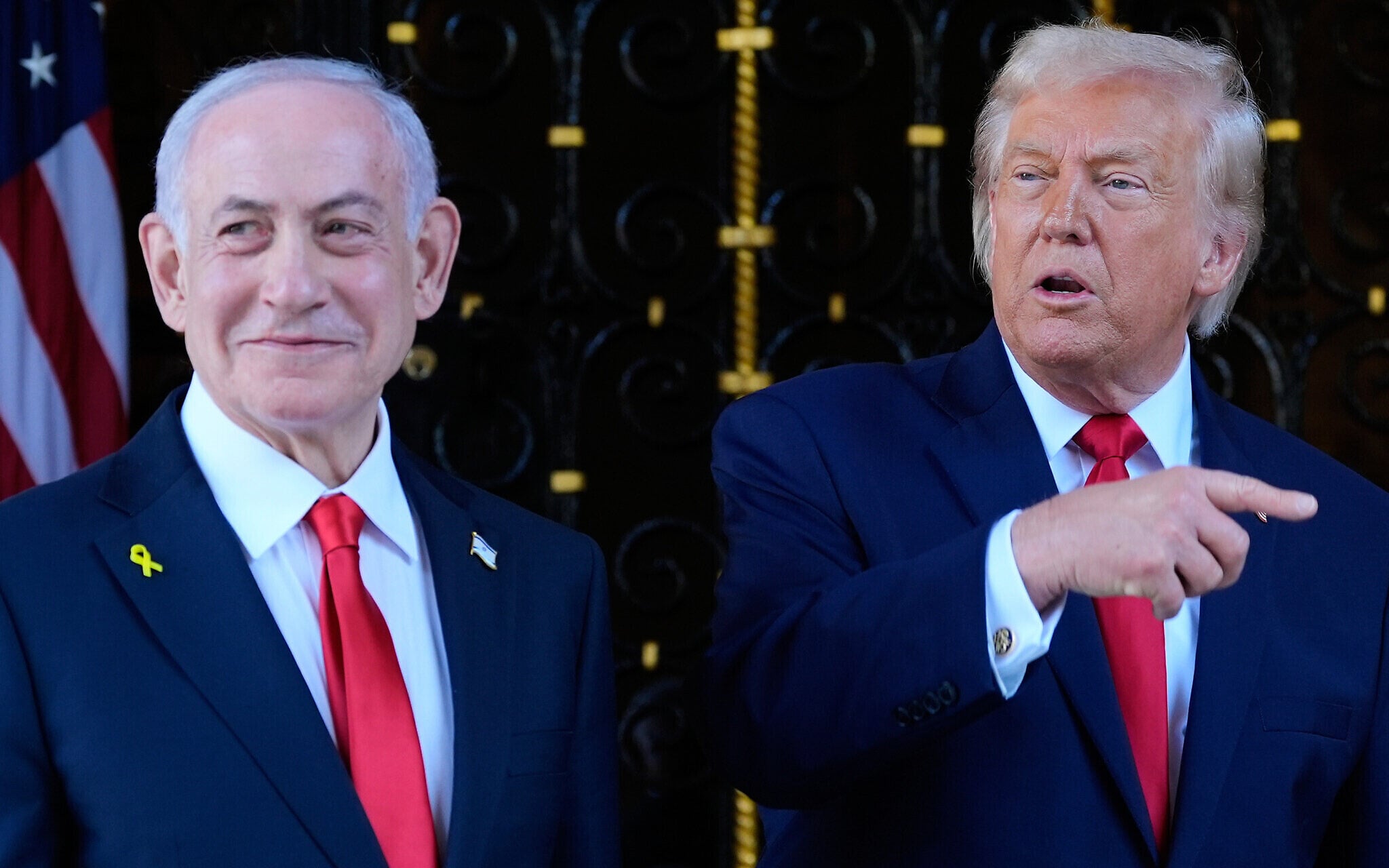
“President Trump is not only Israel’s greatest friend ever to sit in the White House; he is also a determined leader of the free world,” Netanyahu said in the February 28 speech. In remarks earlier this month, he added that he and Trump speak daily, and that they “smile” when they hear reports of tension between them.
Netanyahu and Trump have indeed had a close partnership throughout the president’s second term thus far. But the mercurial Trump has shown how fleeting his support can be, and he has often turned on his onetime allies.
The Israeli leader himself fell afoul of Trump when he recognized Joe Biden’s 2020 election victory, and Trump even cursed him in a 2021 interview, before the two eventually patched things up.
But come 2028, Israel may face a deeper problem. Absent a sharp reversal in the poll numbers, the candidates running to succeed Trump appear to have growing incentives to distance themselves from Israel.
Leading Democratic contenders have hardly been shy about airing their criticisms or disavowing AIPAC, the leading pro-Israel lobby. On the Republican side, Vice President JD Vance — reported to have vocally opposed the Iran war before it began — is himself a member of the young Republican cohort that is more skeptical of Israel, and he has been close with vociferously anti-Israel pundit Tucker Carlson.
In his February address at the war’s outset, Netanyahu said of Trump, “He looks to future generations, decides what is good for America, and then acts with responsibility and courage.”
The conflict remains unresolved. But in the US, those future generations are signaling that when it comes to Israel, they don’t want to follow Trump’s lead.







The Times of Israel Community.