

Jerusalem’s new Knesset Museum aims to tell the story of Israel’s democracy
Restoration, preservation and politics join in new downtown museum, established in historic Froumine House
 Add ToI as a Preferred Source on Google
Jessica Steinberg, The Times of Israel's culture and lifestyles editor, covers the Sabra scene from south to north and back to the center
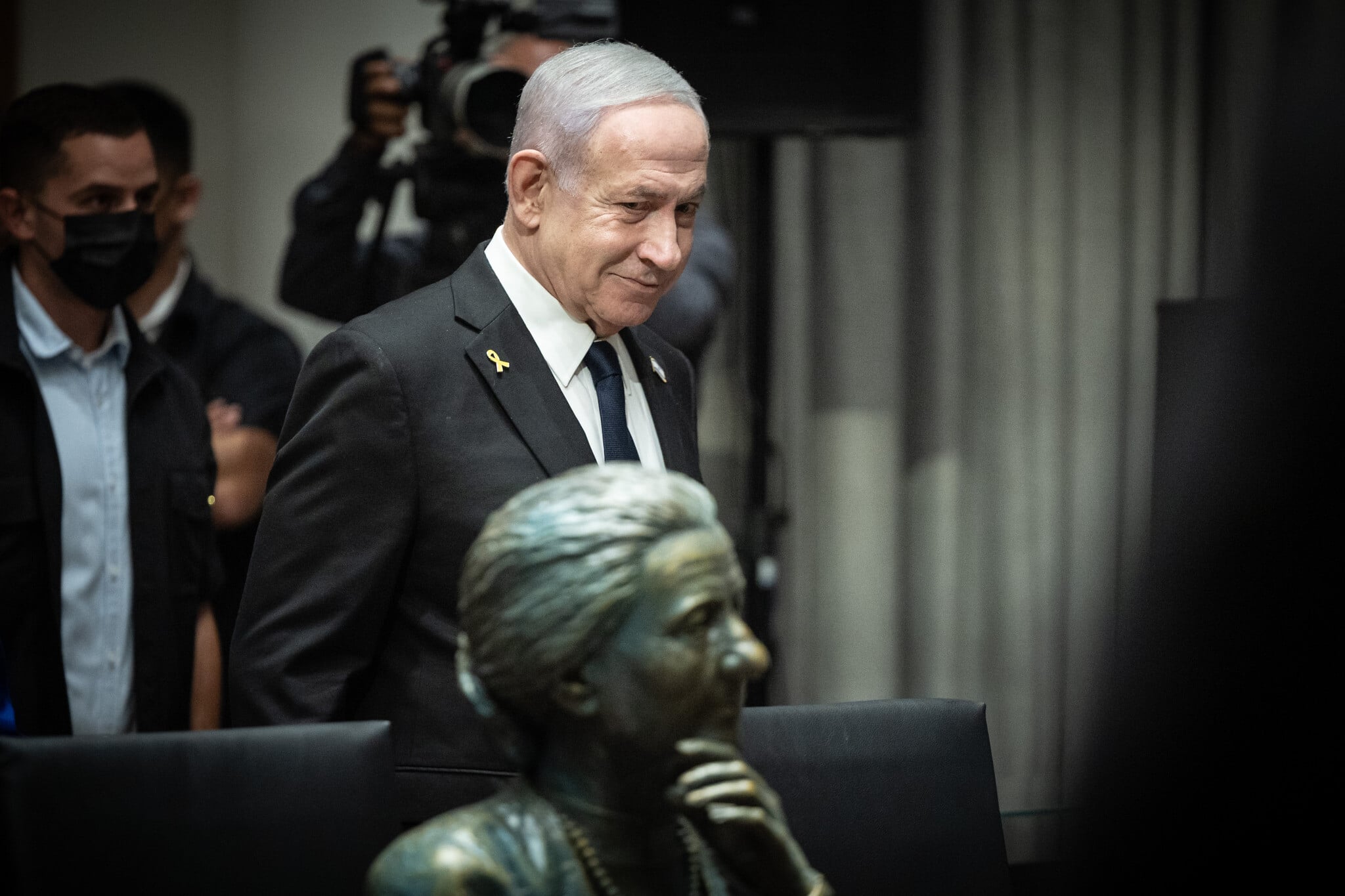
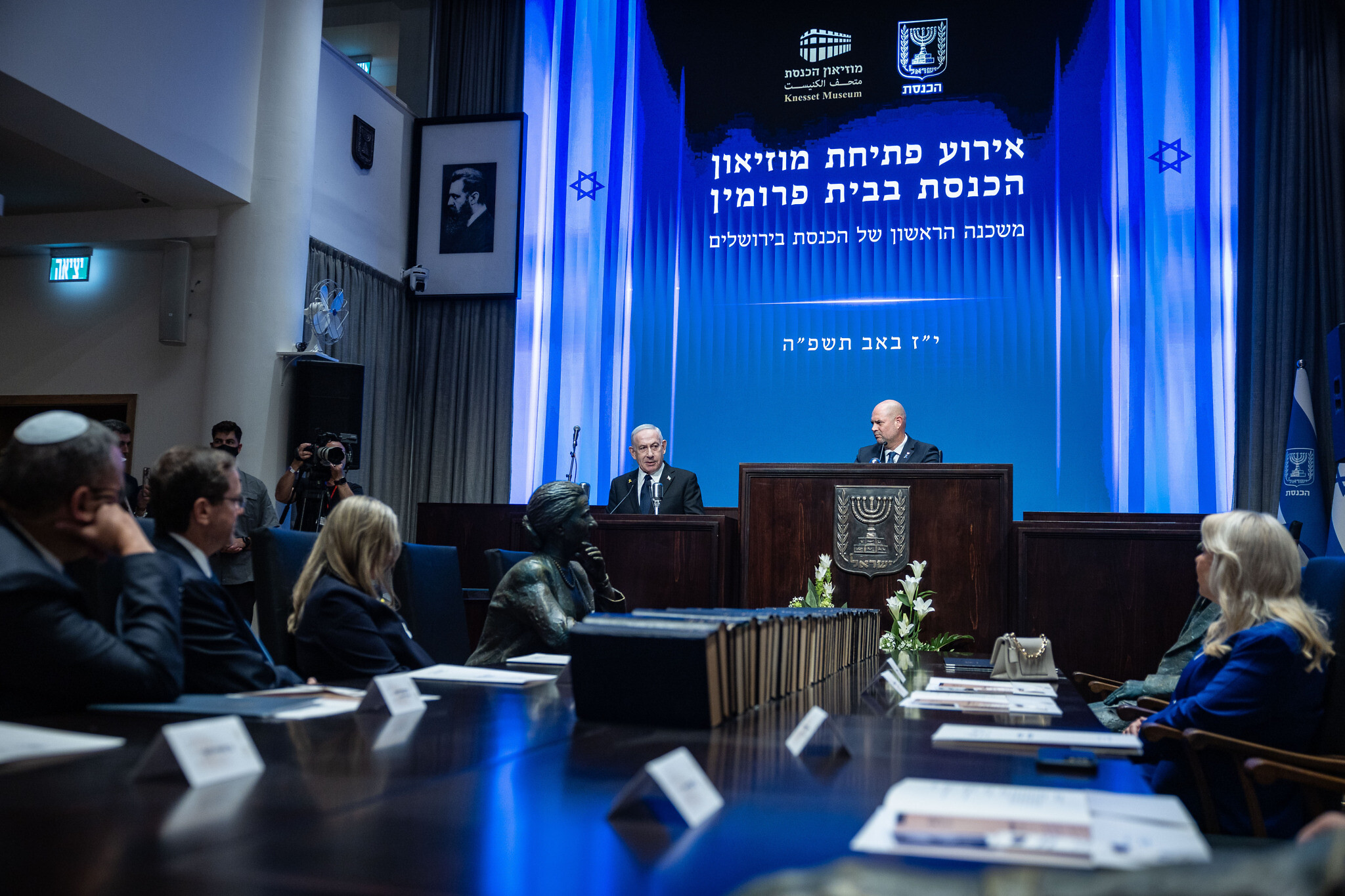
At a time when Israeli democracy is tested by war and a climate of political polarization, its history is being told in the new Knesset Museum, at the downtown Jerusalem building often known as the “Old Knesset.”
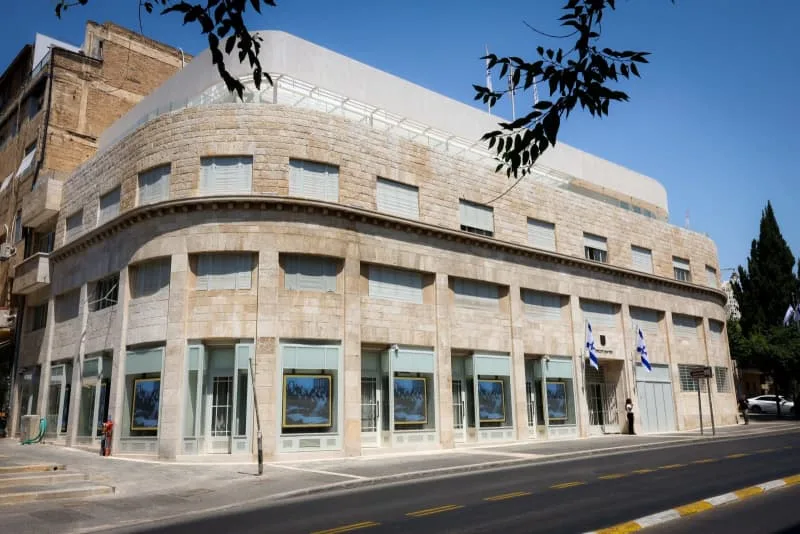
The museum opened in August in the historic Froumine House, a three-story, rounded facade building located on King George Street.
The building, originally owned by the Froumine family (who reportedly made their money by bringing Petit Beurre biscuits to Israel), temporarily housed the Knesset, Israel’s parliament, from March 1950 until the August 1966 dedication of the Knesset’s permanent residence on Givat Ram.
Now established as the Knesset Museum, the building was restored to its original appearance, while the staff undertook the task of telling the unabridged story of Israel’s democracy.
Visitors can experience the workings of the Israeli parliament, becoming Knesset members for the duration of their visit in an app-assisted and guided tour, with the idea of peering back into the past and learning from the historical events that shaped the face of the state in its early days.
The focal point of the museum is telling the story of democracy — and how it is told requires careful handling in this day and age.
The museum includes several videos and short films, with an initial introduction explaining the Knesset’s different homes before the Givat Ram building was constructed. More politically significant videos follow that delve into democracy and Israel’s Declaration of Independence.
One gallery explains the Declaration’s roots in the Torah and Book of Prophets, the ethical values of Israeli society and how the Knesset of 120 members was based on the Talmudic Sanhedrin, the supreme legislative and judicial body of the Jewish people during the Second Temple period.
It’s a room that has the feel and look of a beit midrash, or Jewish house of study.
From there, visitors learn how Knesset members legislate rules and laws, hear snippets of the political speeches of the early years, read over some of the media coverage, and learn about the roots of debate and discussion that have always been a hallmark of the Israeli parliament.
While the museum has plenty of photos, images, and reminders of the various Knesset members, speakers and prime ministers, museum director Moshe Fuksman-Sha’al has played it safe by referring only to parliament members who are no longer alive and not referring to any who are still in office.
“We’re the Museum of the Knesset, that’s in the law,” said Fuksman-Sha’al. “And we deal only with dead Knesset members, not the living. You can see the live ones at the Knesset.”
In fact, museum policy states that tales of Knesset members and their achievements can only be added to the exhibits once they are no longer alive.
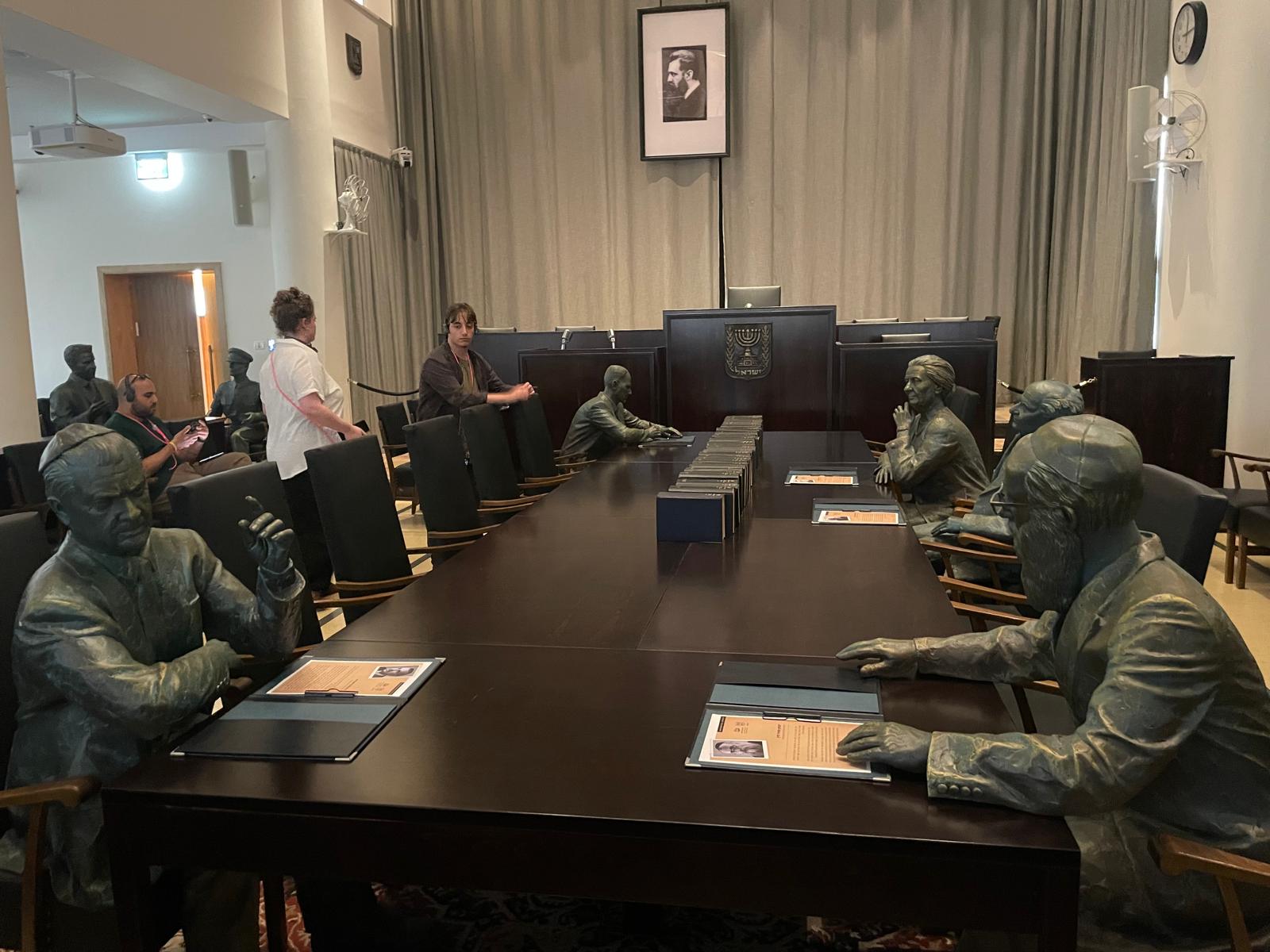
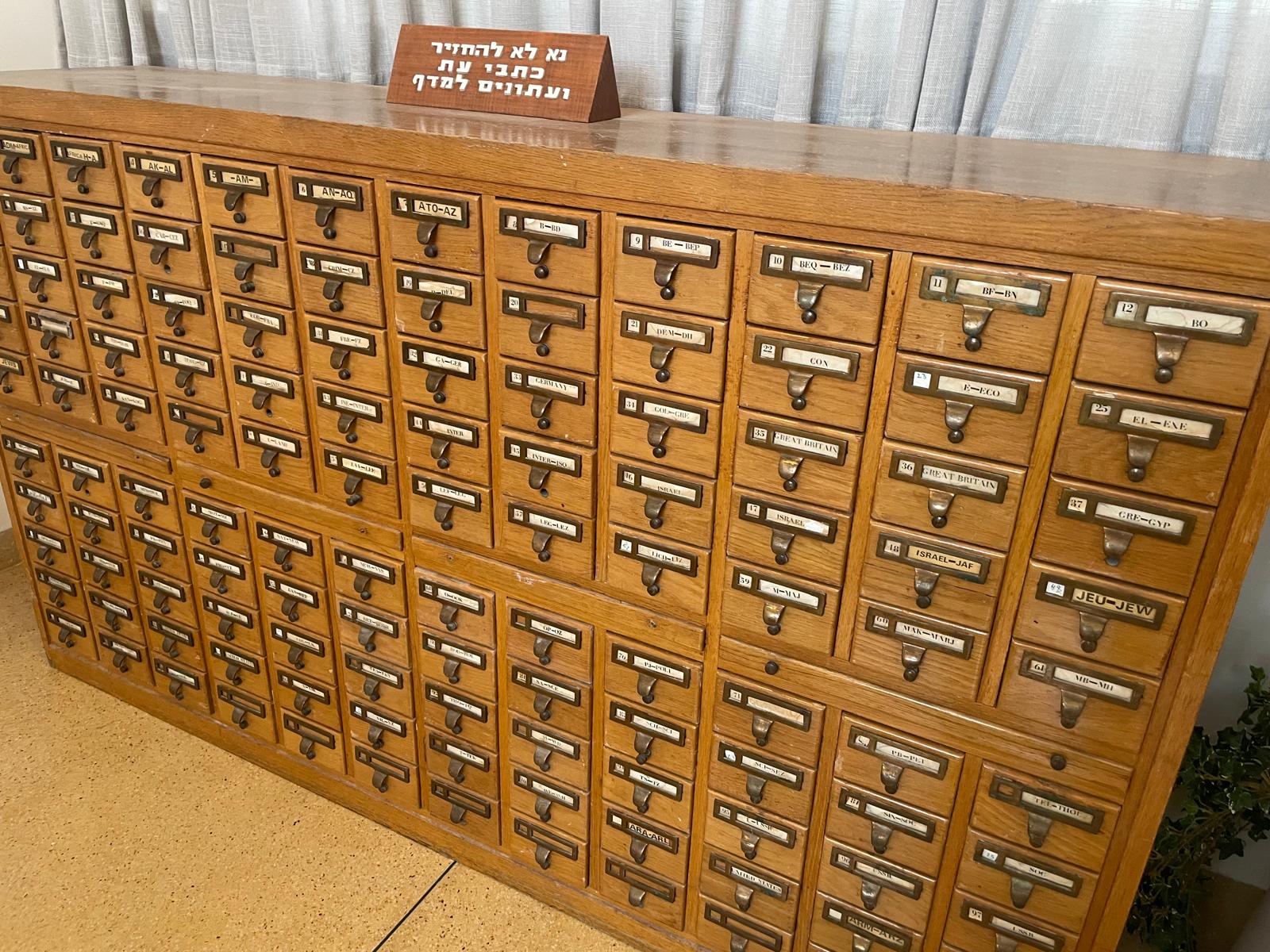
It’s a museum that works hard to bring the art of politics to life, with plenty of AI imagery, including Knesset speakers who sneeze and chat with one another, mixed with the carefully restored rooms that include the original desk fans and even combs that belonged to the politicians who once worked here, gathered from their families’ collections.
Developing the museum has been the work of many years for Fuksman-Sha’al, whose museum office was initially housed within the current Knesset building until the museum was readied.
Fuksman-Sha’al, who previously served as deputy director of the Menachem Begin Heritage Center and who researched the socioeconomic philosophy of the Herut movement, is familiar with every tile, doorknob, and media presentation in the museum.
He and his staff can share small, unexpected details, like the fact that the late prime minister Menachem Begin boarded with a local family in downtown Jerusalem when he was a Knesset member and commuted from Tel Aviv (as did other Knesset members). Another anecdote involves Moshe Shapira, a key politician in those early years, who was a relative of Aner Shapira, the unarmed heroic young soldier who defended a field shelter at the Nova festival against Hamas terrorists and was killed in the process.
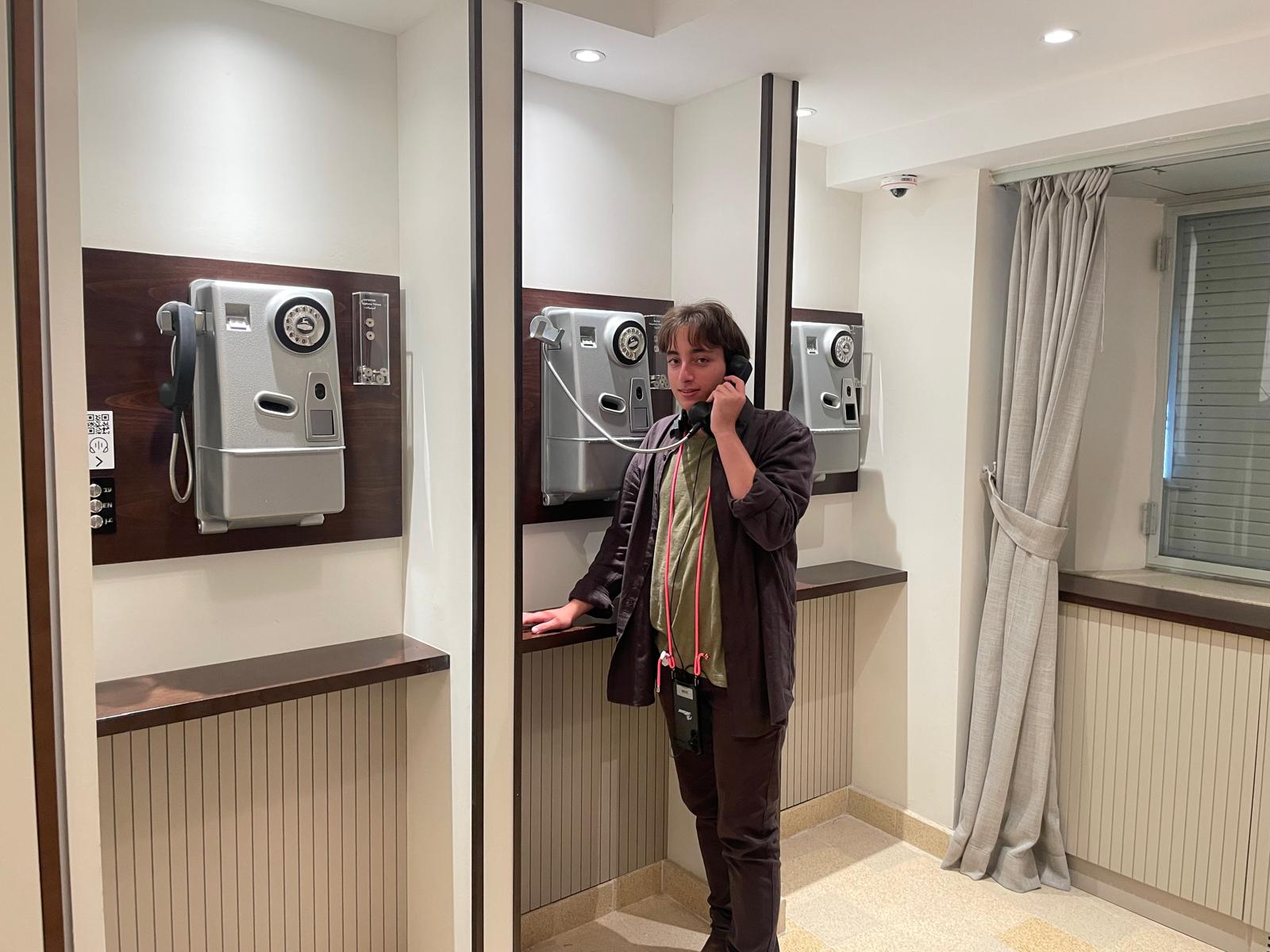
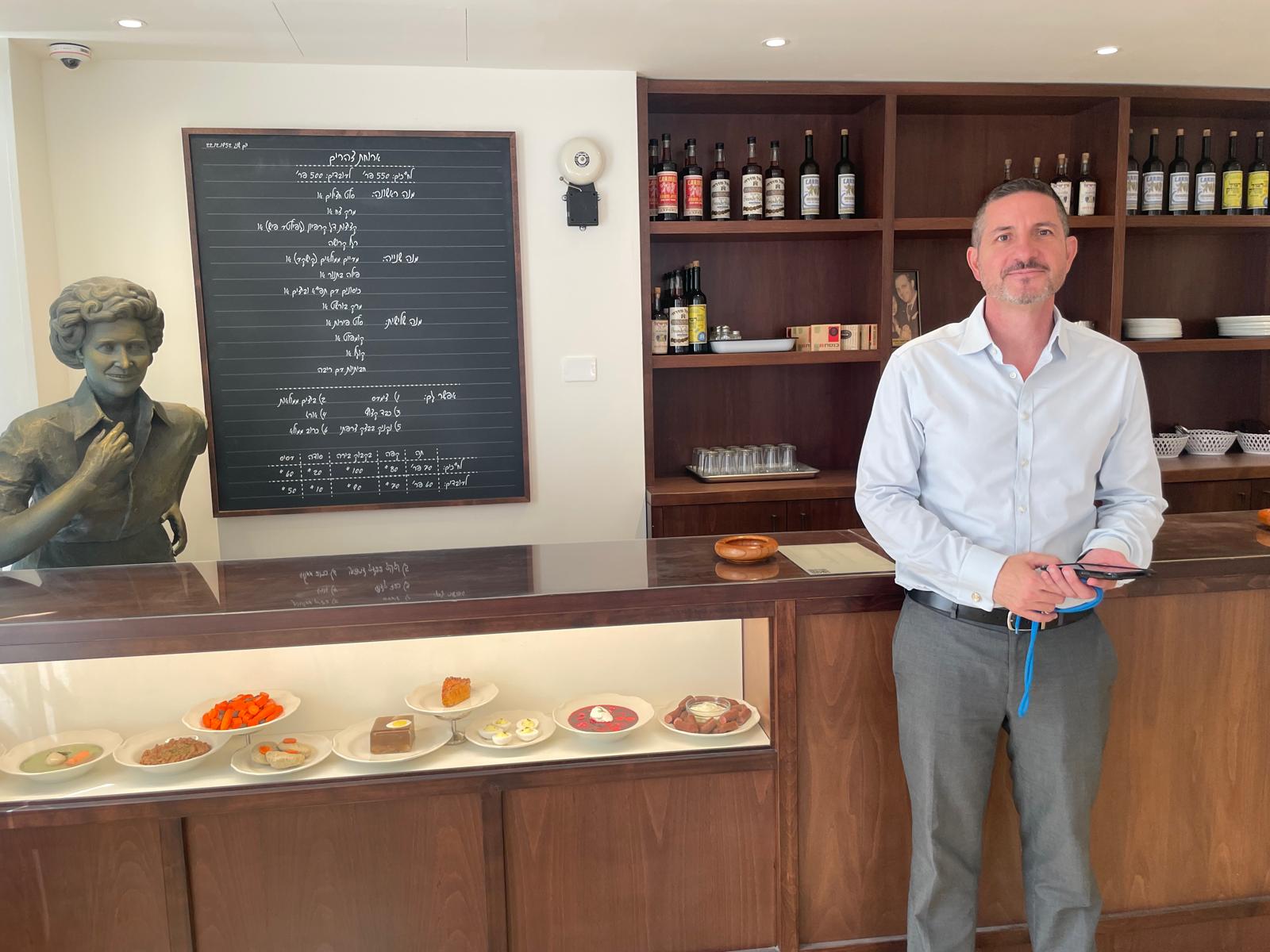
The museum is a combination of careful restoration and preservation work, including the reconstruction of the original facade and the plenum hall, as well as the cafeteria, down to the ashtrays on the tables and a menu that once upon a time included gefilte fish.
The original cabinet room, which seated 12, looks much as it did then, and historic moments unfolded there, Fuksman-Sha’al said — from Ben-Gurion’s announcement that Adolf Eichmann, a key figure in the Holocaust’s Final Solution, had been found, to deliberations during the 1967 Six Day War over the conquest of the Gaza Strip.
Visitors can come as groups or as individuals, with each visitor receiving an electronic device when entering that adds material and context to the visit.
The final gallery is the restored, original plenum, a semicircular room with all of the original seats and a film that allows visitors to look over Israel’s political history, watching the unfolding of the story of the State of Israel.
The Knesset Museum, 24 King George Street. Visits are by reservation only and each visit is guided, and recommended for visitors ages 13 and up. There will be tours in English, Arabic and other languages, starting in late October 2025.






The Times of Israel Community.