

Knesset advances bill subordinating police internal affairs unit to justice minister
Levin says legislation guarantees equality before the law, current system under state attorney flawed; Likud MK says it will end prosecutors’ ‘distorted conflict of interest’
 Add ToI as a Preferred Source on Google
Jeremy Sharon is The Times of Israel’s legal affairs and settlements reporter
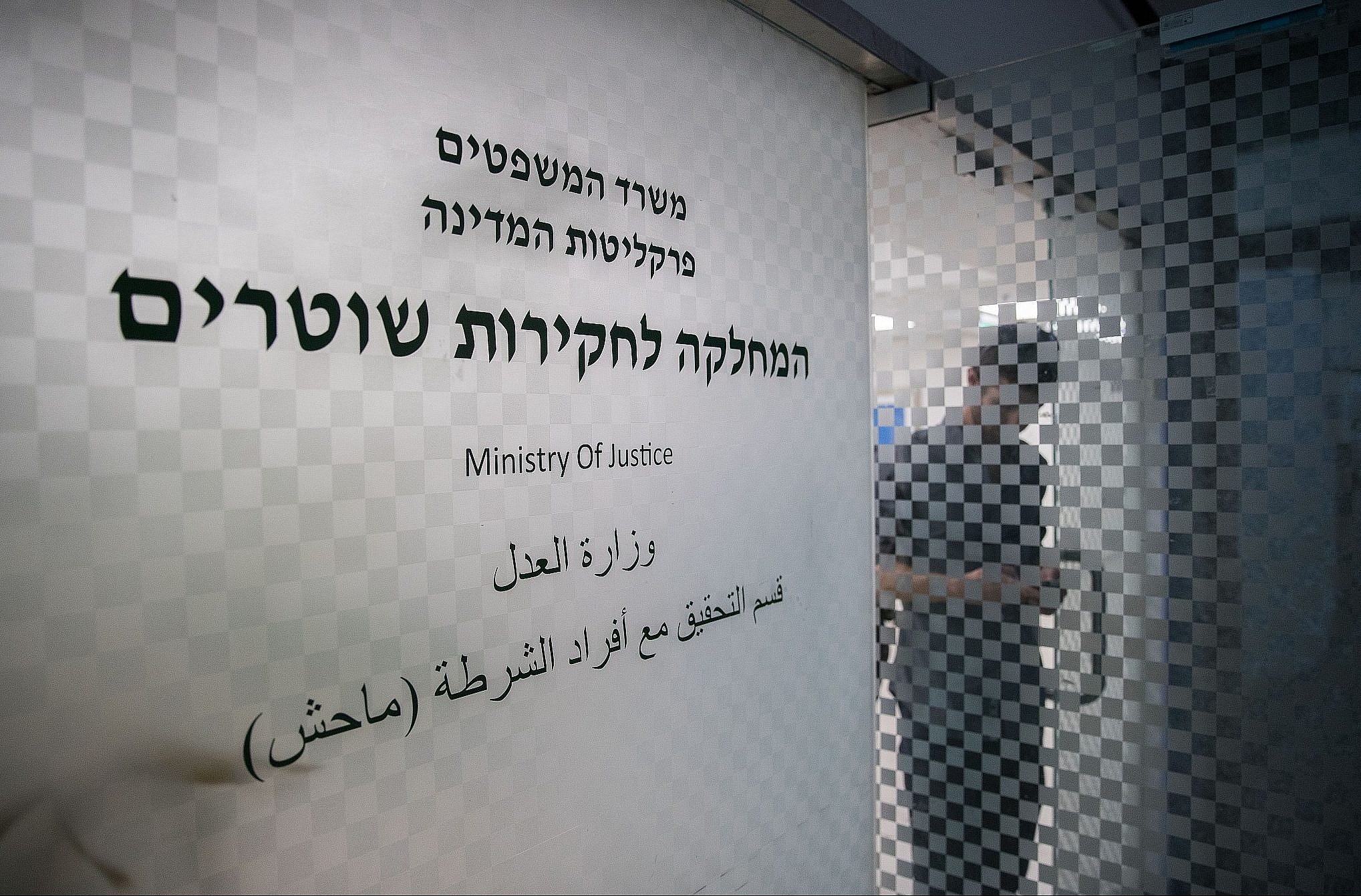
A bill that would give the justice minister effective control over the Department for Internal Police Investigations (DIPI) — the body authorized to probe alleged police wrongdoing in Israel — was approved in its first reading in the Knesset plenum on Monday.
The legislation would remove the department from under the authority of professional prosecutors and set it up as an “independent” agency within the Justice Ministry, according to Justice Minister Yariv Levin.
The bill would also see the director of DIPI appointed by a five-member committee, with the justice minister having control over the appointment of three members and input on a fourth. Currently, the director is appointed by a professional committee of the Civil Service Commission.
“The legislation is a central component of the [legal] reforms that will guarantee the equality of all before the law,” Levin contended, following the approval of the bill in the first of three readings.
“The current situation, in which DIPI is subordinate to the State Attorney’s Office, and is at the same time tasked with investigating police officers, is fundamentally flawed and creates a built-in conflict of interest,” he claimed.
Justice Ministry officials, the legal adviser to the Knesset Constitution, Law and Justice Committee — where the bill is being drawn up — and the opposition have all argued that the changes to DIPI’s structure, including the new authorities it gives to the justice minister, would compromise the department’s independence, politicize it, and politicize criminal probes of the police.

Right-wing politicians have long sought to remove DIPI from the State Attorney’s Office, claiming there is a conflict of interest in it being subordinate to that agency due to its close cooperation with the police.
Likud MK Moshe Saada, a former deputy head of DIPI, praised the passage of the “extremely important bill,” which he said would “end the distorted conflict of interest by which prosecutors make themselves immune and above the law.”
“In addition, the bill will ensure that DIPI will no longer act as a private militia for prosecutors and for [Attorney General] Gali Baharav-Miara,” he wrote on X.
The bill is part of a raft of measures being pushed by the government that would give it greater control over the judiciary and law enforcement. Critics of the judicial overhaul, which was largely in hibernation during the war, say that it is undermining democracy and destroying the country’s system of checks and balances, while proponents assert it is a necessary corrective against abuse of judicial power.










The Times of Israel Community.