

Likud denies ‘baseless lies’ that it tried to entice Lapid, Liberman into government
Reported offers presented to the opposition lawmakers include portfolio currently held by Itamar Ben Gvir and coveted war cabinet positions; Yisrael Beytenu confirms Likud offer
 Add ToI as a Preferred Source on Google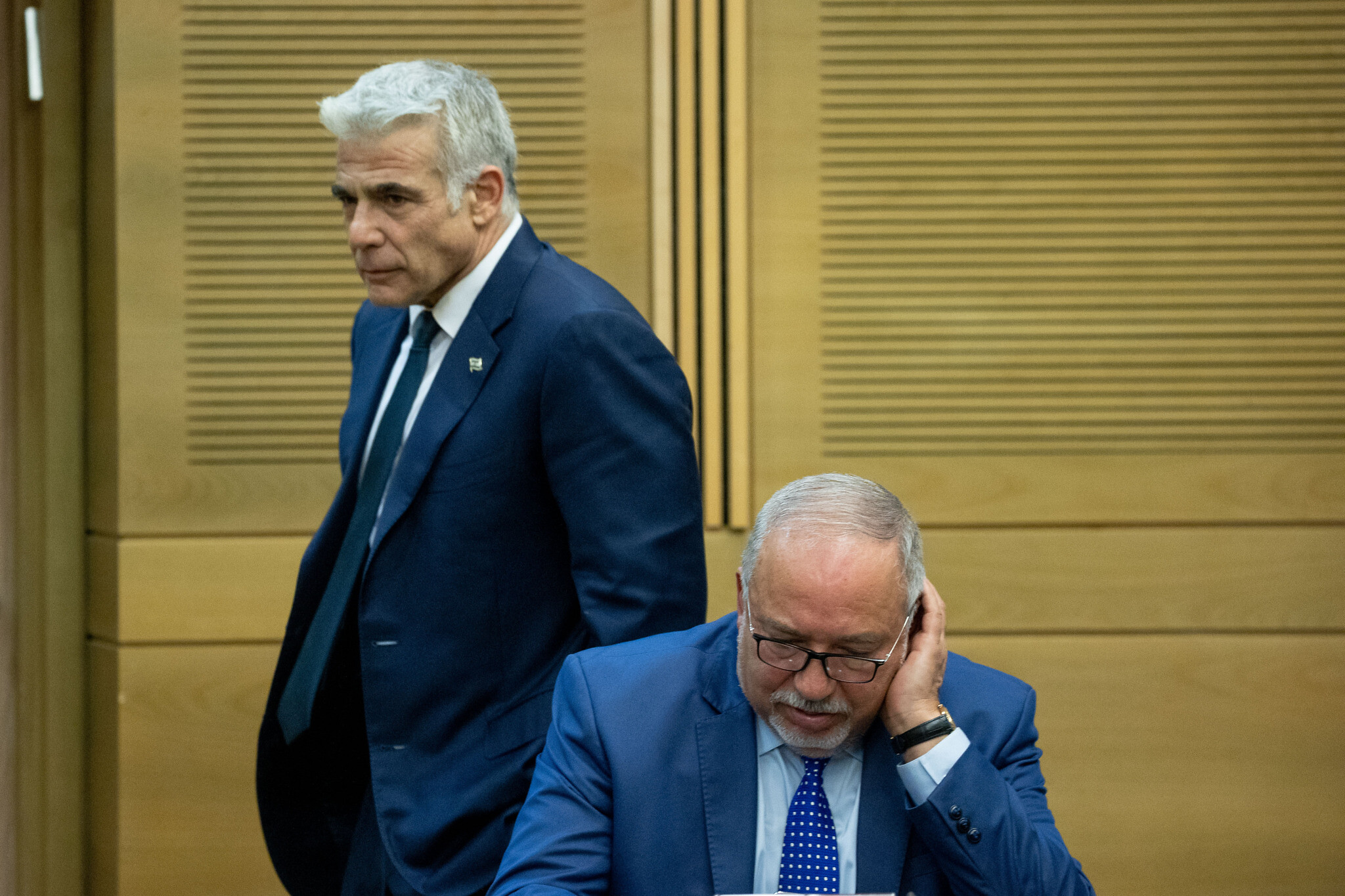
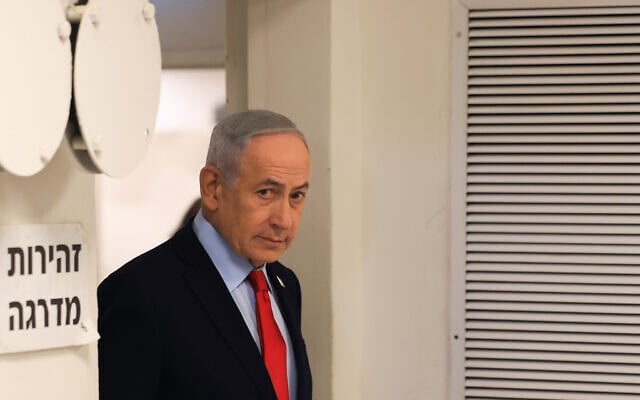
Prime Minister Benjamin Netanyahu’s Likud party has reportedly reached out to opposition factions about joining the wartime government in an effort to shore up the coalition, Hebrew media outlets reported Wednesday. Likud later denied this was the case, calling the reports “baseless lies.”
Citing unnamed political officials, the Ynet news site said Opposition Leader Yair Lapid and Yisrael Beytenu party head Avigdor Liberman had both been approached in recent days about the possibility of joining the government and war cabinet.
According to the report, the offer to Lapid included the demand that he stop calling for elections, while the proposal made to Liberman had a clause requiring him to agree not to resign from the government until the end of the war.
In addition, Lapid was reported by Ynet to have been offered the position of national security minister, a portfolio which is currently held by Otzma Yehudit chairman Itamar Ben Gvir. The report added that while Lapid could replace him as the head of the ministry, Ben Gvir would remain in government in a different role.
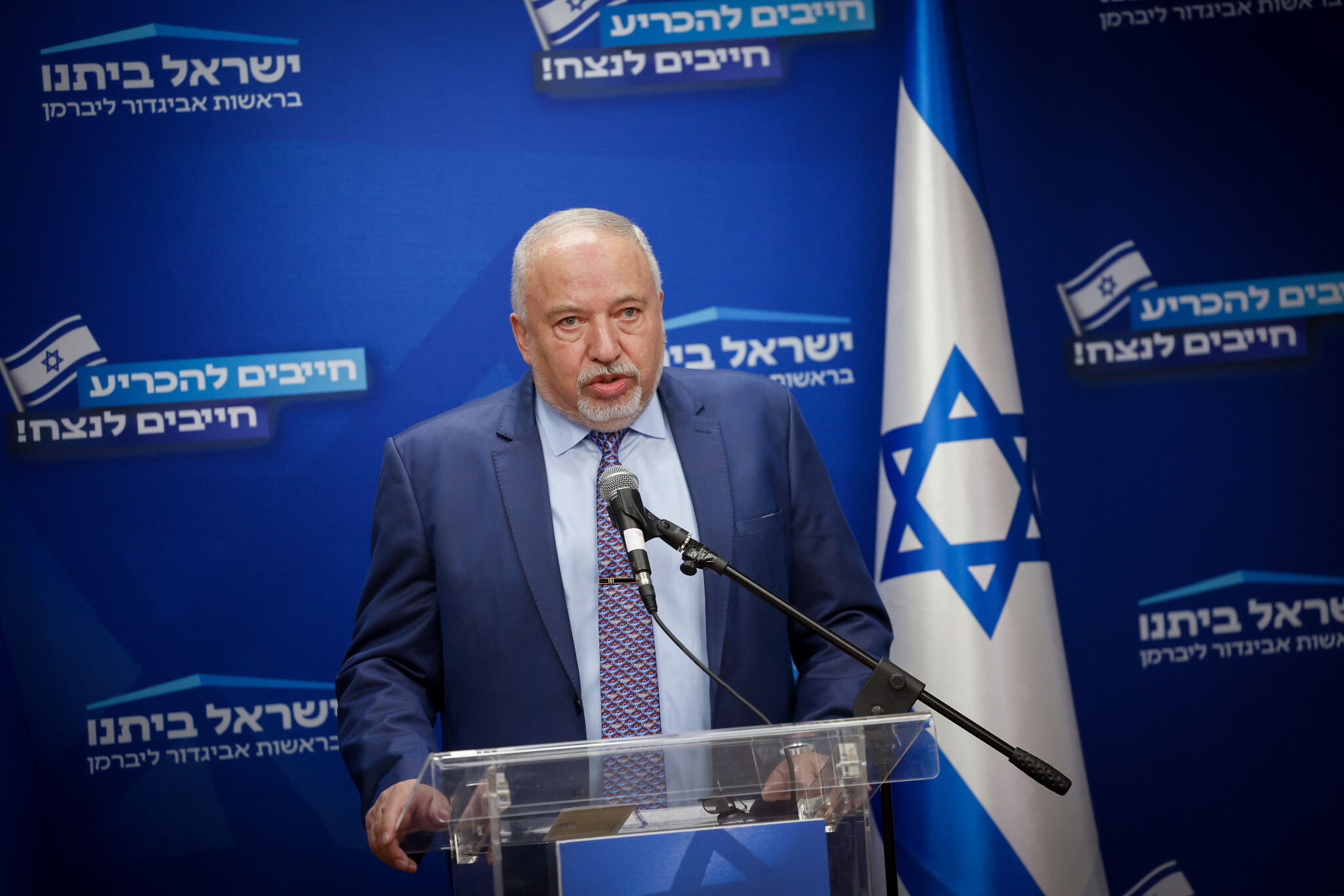
Despite the denials, Liberman on Thursday confirmed to Ynet that he was asked by Likud to join the government but rejected the offer: “There was an offer from Netanyahu, they wanted me to commit to not leaving during the war period. I told them that they were confused.”
He also criticized National Unity ministers Benny Gantz and Gadi Eisenkot, who joined the coalition with the onset of the war: “It’s unfortunate that Gantz and Eisenkot are giving legitimacy to the desire by Netanyahu to continue the war until the next election.”
Several days after the shock October 7 Hamas onslaught in southern Israel and the declaration of war against the Gaza terror group, Lapid said that he would consider joining a temporary unity government on the condition that the far-right Otzma Yehudit party and Finance Minister Bezalel Smotrich’s Religious Zionism party be booted from the coalition.
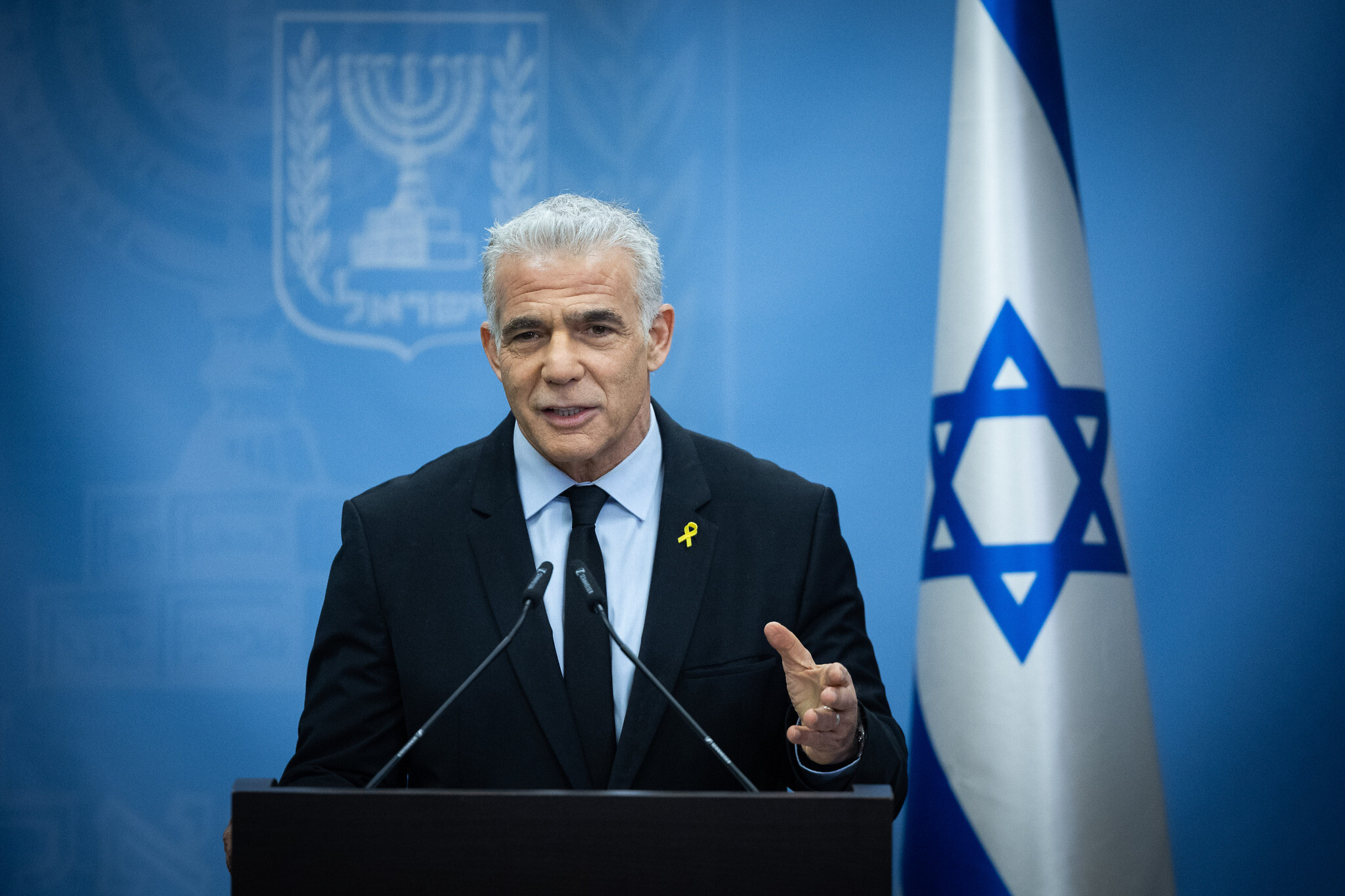
As the war progressed, Lapid has consistently called for an alternative temporary government to be established and for the country to go to elections. He has stated publicly that he would back either Gantz or Eisenkot, or even senior Likud MK Yuli Edelstein, as a suitable replacement for Netanyahu.
In response to the offer made by Likud representatives, Lapid was reported by Hebrew media outlets to have reiterated his stance on the matter, calling the proposal unrealistic and saying he would not sit in a government headed by Netanyahu.
Liberman, for his part, was also reported to have firmly rejected the proposal purported to have been offered to him. According to Chanel 12, Liberman was asked to bring Yisrael Beytenu into the government, but with the caveat that he would remain in government even after the war ended.
Liberman, a hawkish right-wing lawmaker whose policies often align with those of Likud and the other coalition members, has refused since 2019 to entertain the idea of sitting in a government led by Netanyahu.
The only former opposition party that has so far agreed to enter the coalition as a wartime measure was Gantz’s National Unity party, which entered close to the start of the war with the understanding that it would return to the opposition either when the war ends or when it determined that its presence in the government was no longer serving a purpose.
Likud vehemently denied offering any such deals to Lapid or Liberman, calling the reports “baseless lies” aimed at “fracturing the unity government during a war.”
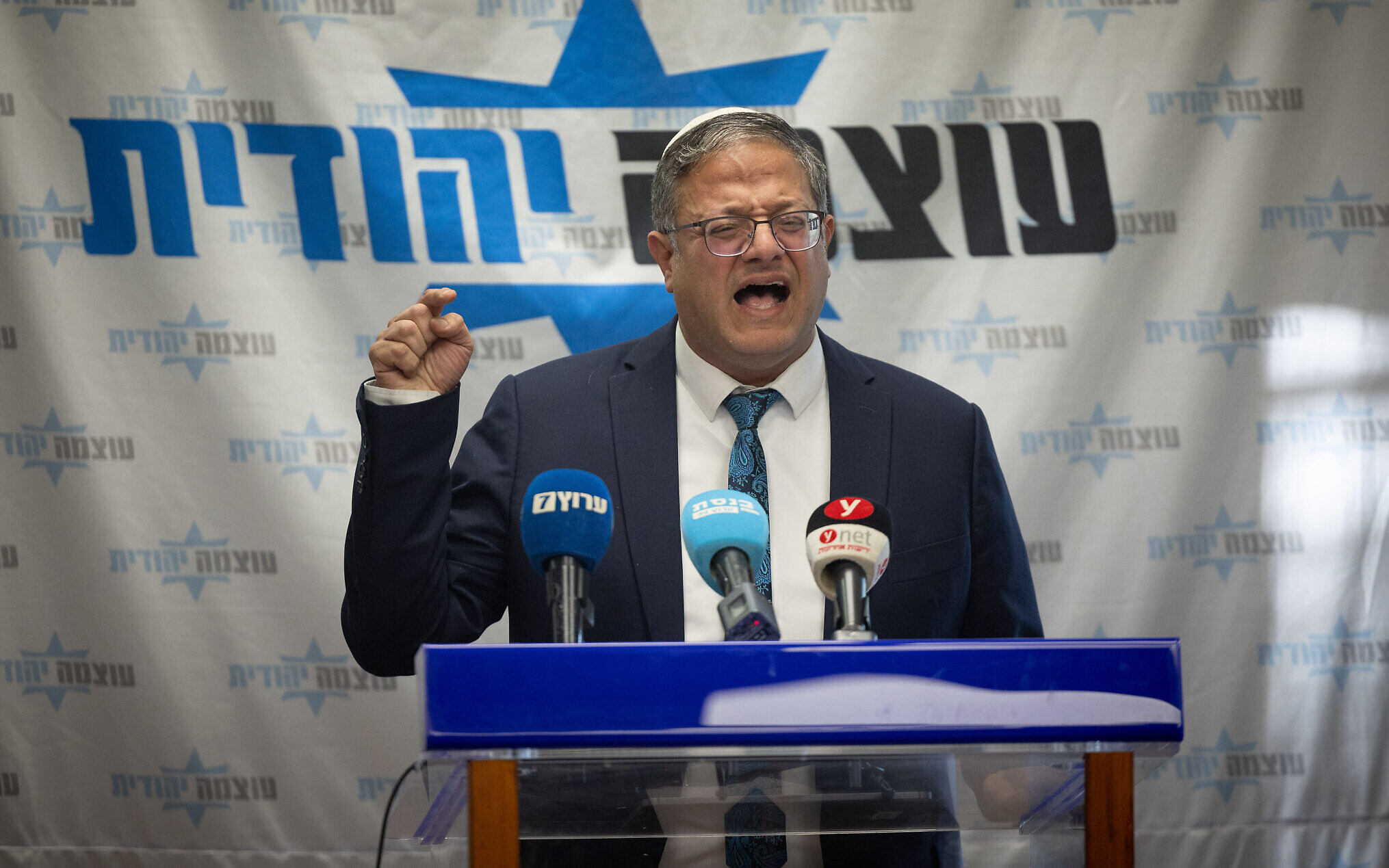
Despite Likud’s denial that any such offer was made, Otzma Yehudit rejected the notion of Lapid replacing Ben Gvir in the National Security Ministry, with a senior member of the party telling Ynet that the “offer for Yesh Atid to join at the expense of Otzma Yehudit is unsurprising.”
“In recent weeks, Likud has been letting Gantz lead the policy of the narrow [war] cabinet, and apparently Likud is looking for Yesh Atid’s backing. It really is time for that same senior member of Likud to decide if he wants the policy of Yair Lapid or the policy of Itamar Ben Gvir,” the party added, apparently referring to Netanyahu.
According to Ynet, the attempts to gain support from Yesh Atid and Yisrael Beytenu come as Likud seeks to stabilize its coalition, which finds itself on shaky ground.
Since the deadly Hamas assault on October 7, in which some 1,200 people were slaughtered amid scenes of horrific brutality and around 250 others were seized and dragged into Gaza as hostages, Netanyahu’s Likud party has crashed in public opinion polls.
A survey released last week indicated that Likud would win just 16 seats if elections were held today, compared to the 32 seats it garnered en route to election victory in November 2022.
Meanwhile, Gantz’s National Unity Party would win up to 39 seats, the polls indicate, up from the 12 seats it currently holds.
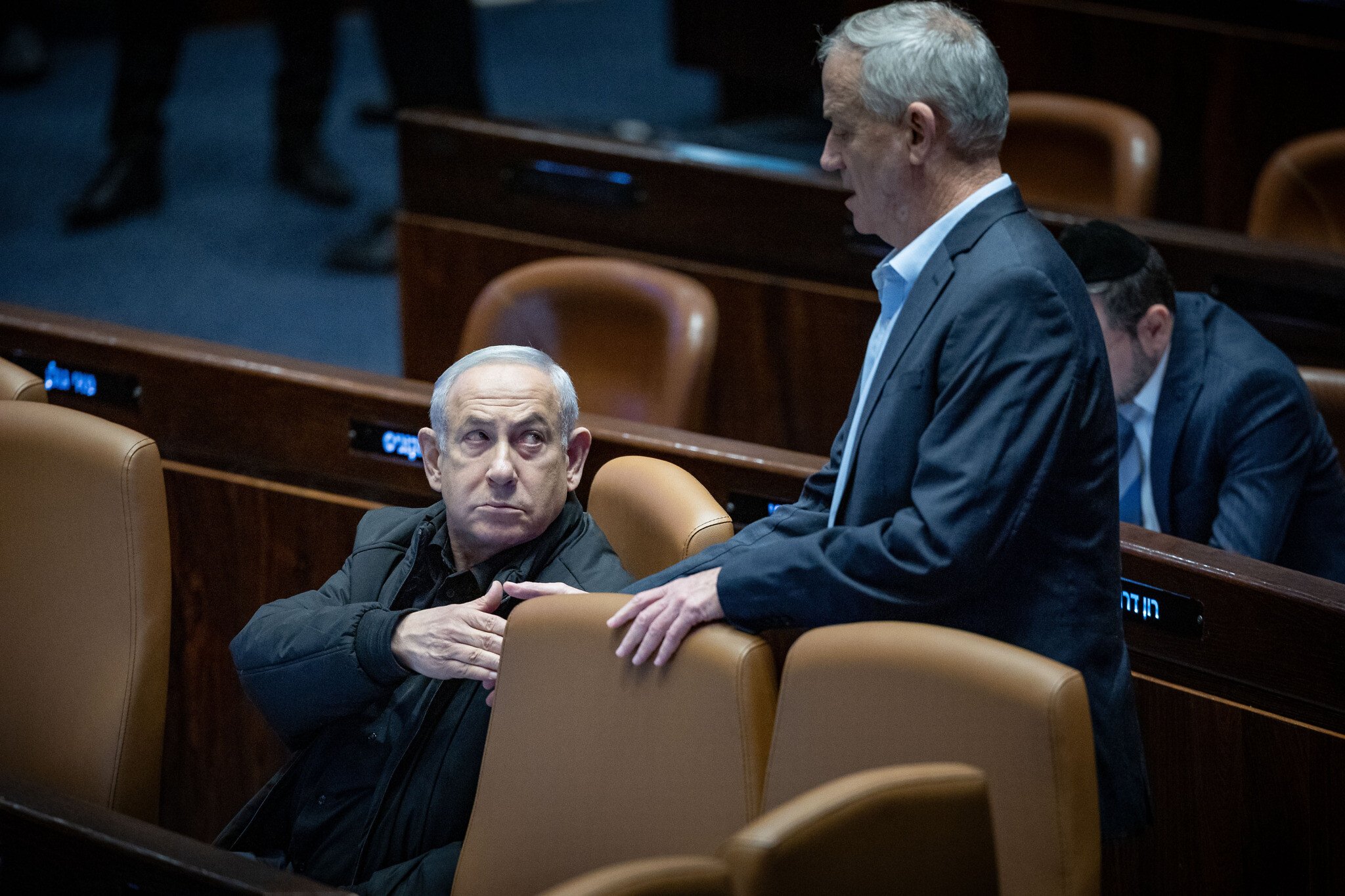
At the same time, Netanyahu has faced growing discontent from inside his governing coalition, particularly from Ben Gvir and his party.
The national security minister has threatened to vote against policies and actions he doesn’t personally agree with, including the 2024 wartime budget, although he did eventually vote in favor of it after securing an additional NIS 2 billion in funding for his ministry.
He has also broken with Netanyahu’s stance on Gaza on multiple occasions, contradicting the premier’s assurance that Israel is not seeking to displace Palestinians by vocally endorsing the idea of encouraging voluntary migration for Gaza’s war-battered civilians.






The Times of Israel Community.