

 From the Liveblog of
Thursday, October 23, 2025
From the Liveblog of
Thursday, October 23, 2025
Food supplies into Gaza not meeting nutritional needs on the ground, aid groups say
 Add ToI as a Preferred Source on Google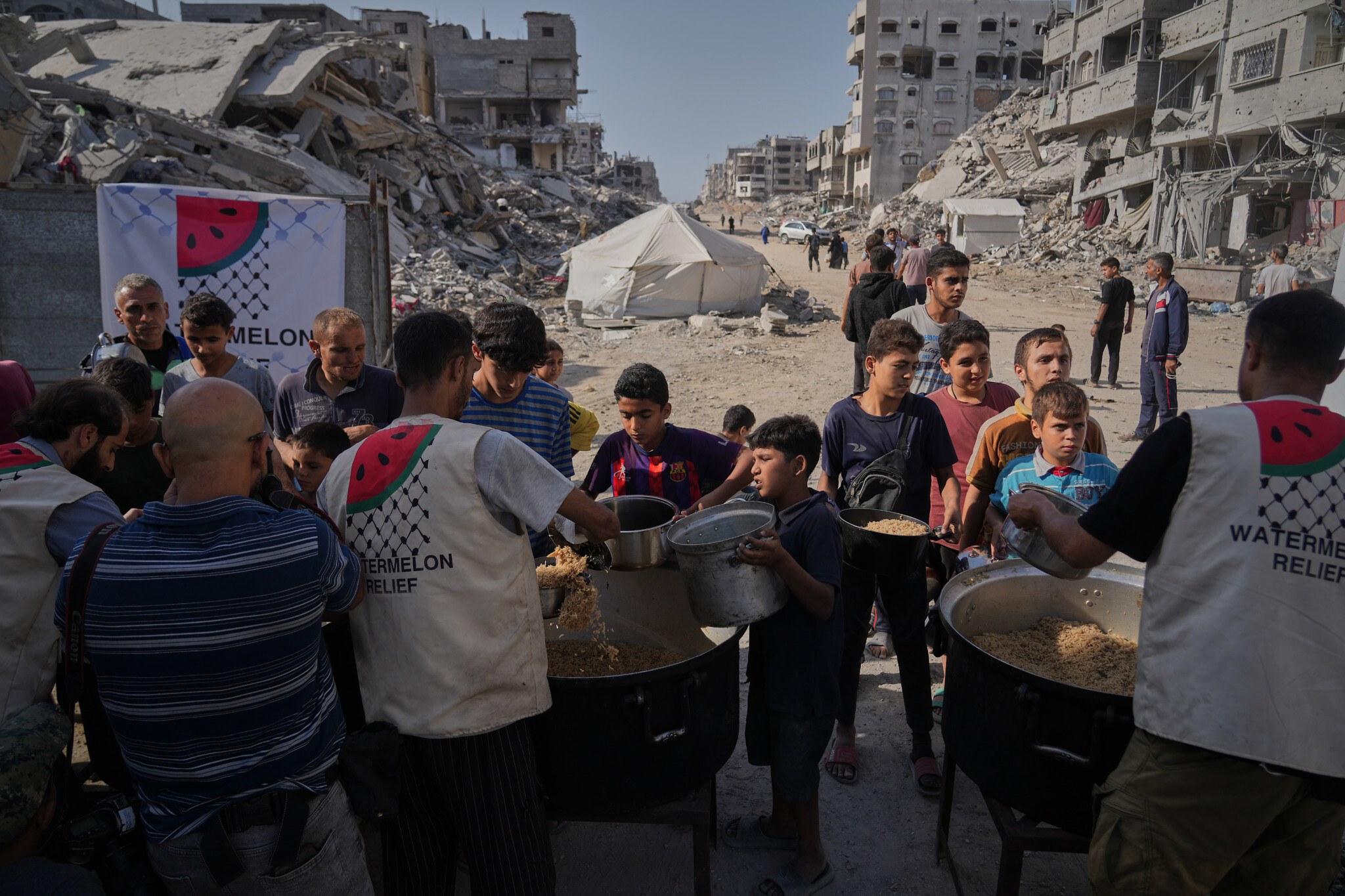
Supplies of food into Gaza are not meeting its population’s nutritional needs despite a ceasefire having taken effect earlier this month, aid groups say, adding that some parts of the territory are experiencing famine.
“The situation in the Gaza Strip remains catastrophic, even two weeks after the ceasefire began,” Bahaa Zaqout, director of external relations at Palestinian nonprofit group PARC, says via video link from Deir Al Balah in Gaza.
Aid groups, including Oxfam, say the delivery of aid into Gaza is facing major hurdles, with many international nonprofits still restricted from getting supplies in, while commercial goods that have entered are not meeting nutritional needs on the ground.
Oxfam and 40 other aid organizations, including Medecins Sans Frontieres and the Norwegian Refugee Council, publish a joint letter today raising alarm about sustained restrictions on aid because of ongoing registration issues.
COGAT, the Israeli agency that oversees the flow of aid into the Gaza Strip, did not immediately reply to a request for comment. Israel has rejected allegations of famine in the territory.
Zaqout cites examples of biscuits, chocolate and soda being allowed in on commercial trucks, while items such as seeds and olives remain restricted from entering.
“Unfortunately, these do not respond to the minimum nutritional values required for children, women and the most vulnerable groups,” Zaqout says.
He also says that though some fruits and vegetables are getting in, prices remain high and out of reach of most people.
One kilogram of tomatoes costs around 15 shekels (about $4.50), and previously used to cost one shekel.
The UN World Food Program said on Tuesday that supplies into Gaza were ramping up but were still far short of its daily target of 2,000 tons because only two crossings are open, and none to the north of the Strip.
The ceasefire plan brokered by US President Donald Trump envisages “full aid” being sent into Gaza.
“We expected Gaza to be flooded with aid the moment the ceasefire began, but that’s not what we’re seeing,” says Bushra Khalili at Oxfam.










The Times of Israel Community.