

 From the Liveblog of
Thursday, November 19, 2026
ICJ Rohingya ruling will ‘muddy waters on what genocide is,’ top Israeli expert says
 Add ToI as a Preferred Source on Google
Jeremy Sharon is The Times of Israel’s legal affairs and settlements reporter
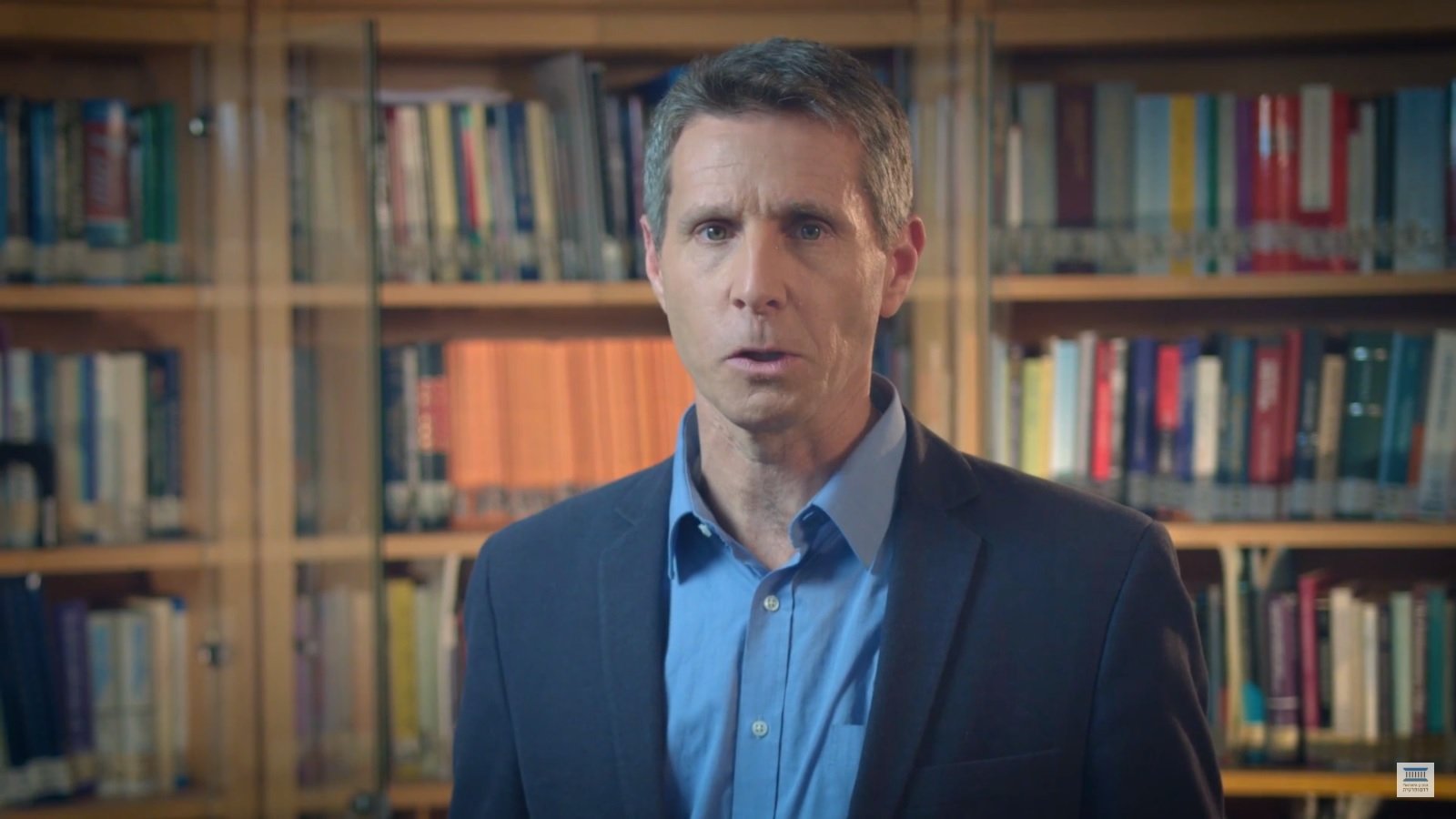
Aspects of the landmark ruling by the International Court of Justice that Myanmar committed genocide against its Rohingya minority “do not bode well” for Israel’s fortunes in its own genocide case at the court, and change the definition of the term, says Prof. Yuval Shany, an expert in international law at the Hebrew University of Jerusalem.
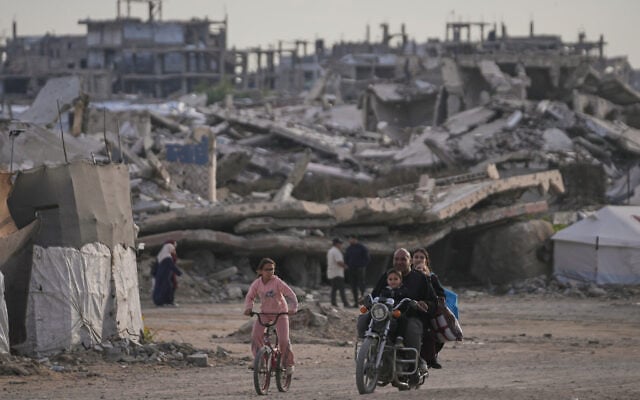
In late 2023, South Africa brought genocide charges against Israel at the ICJ, over its conduct in the war against Hamas in Gaza. The case is still pending.
In the Myanmar case, the ICJ found that the country violated three clauses of the 1948 Genocide Convention by intentionally killing large numbers of Rohingya, causing them serious bodily or mental harm, and imposing measures on the Rohingya intended to prevent births.
Shany says that the court looked more expansively than in past cases at “broader contextual factors” and the “circumstantial evidence” of the results of Myanmar’s actions against the Rohingya, which included deaths of infants, the mass rape of women, people shot as they fled, and villages burned down.
“This allows the court to develop a holistic evaluation, and to then ask itself if genocide is the only reasonable inference to understand everything that has happened from that evaluation,” says Shany.
He also points out that the ICJ ruled that genocide could be committed alongside counter-terrorism operations. Myanmar argued in its defense that it did not have genocidal intent, and was instead conducting military operations against terrorist elements.
Israel says its war is against the Hamas terror group, following its October 7, 2023, invasion and massacre in Israel, and has fervently rejected charges of genocide.
Shany adds that also problematic for Israel could be the ICJ’s finding that a country’s compliance with the international laws for armed conflict does not automatically mean that that country did not commit genocide.
“This interplay between the laws of war and the Genocide Convention creates a lot of room for uncertainty,” says Shany.
“The more holistic reading adopted by the ICJ will introduce a lack of clarity in the laws of genocide and expand the range of factors that can be looked at, and will introduce a lot of confusion as to what genocide is,” the professor adds.
“In terms of justice, it may have been a just decision; the Rohingya have been severely harmed by Myanmar and the atrocities that were committed might qualify as genocide, but it appears that the court has brought a lot of ambiguous factors into the mix which may muddy the waters, rather than clarify what genocide is.”




The Times of Israel Community.