

 From the Liveblog of
Monday, December 1, 2025
From the Liveblog of
Monday, December 1, 2025
Retired IAF chief says Oct. 7 was ‘tasting menu’ of future threats, urges defense innovation
 Add ToI as a Preferred Source on Google
Stav Levaton is a military reporter for The Times of Israel
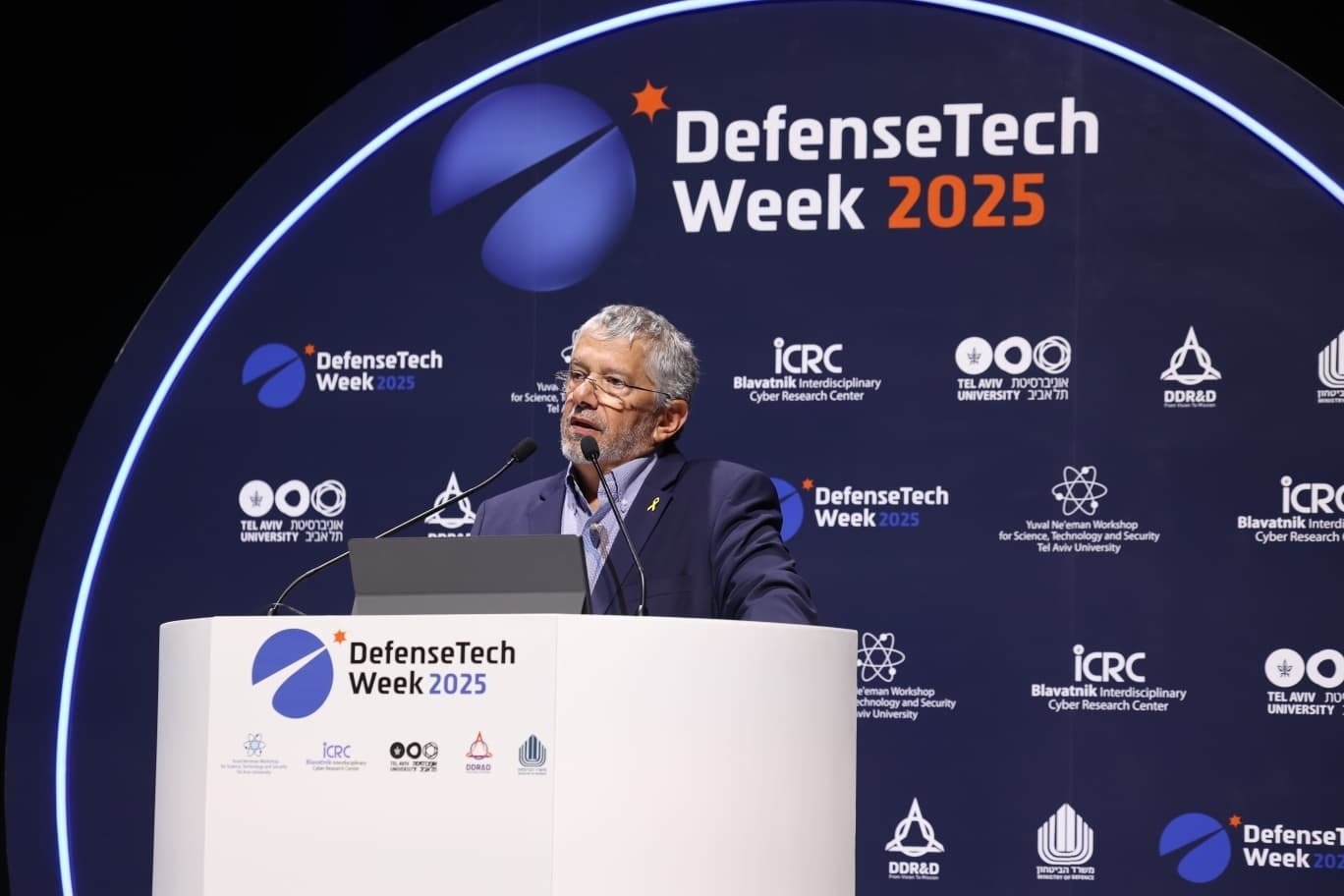
Retired Israeli Air Force commander and former Defense Ministry director general Amir Eshel warns that the threats Israel faces in the coming years will be far more severe than those seen in the Hamas-led October 7, 2023, attack, and calls for urgent national preparation and large-scale investment in defense innovation.
“October 7 was experienced in Israel as a modern war and a successful one, which is true. I want to argue that we went through, in some aspect, a tasting menu,” Eshel says at the DefenseTech Summit, held by the Defense Ministry’s R&D directorate and Tel Aviv University. “The next wars – ours and everyone else’s – will be orders of magnitude more challenging. We must prepare now.”
Eshel outlines a future battlefield flooded with “magnitudes [more threats] than the Iranian attack on October 1, 2024,” including stealth and AI-powered autonomous drones, along with electronic warfare, directed-energy weapons, cyber operations, and attacks on critical civilian and military infrastructure. “It will be a different ball game,” he says.
Modern armies, he warns, “currently lack effective defensive solutions against those evolving threats.”
Despite rising global demand for security technologies, Eshel says commercial investors remain hesitant due to fears of tech bubbles and past experiences in the offensive cyber sector.
He urges a national focus “to acquire ‘good enough,’ mass-produced, and affordable offensive and defensive capabilities,” adding that Israel’s defense exports will become increasingly vital as new US regulations on emerging technologies take effect.
“Israel remains one of the global leaders, but competition is first,” he says. “Israel’s qualitative military edge is based on US support and genuine Israeli technology. We should boost our efforts to preserve and extend the edge… This is the moment.”








The Times of Israel Community.