

Moving to shut Army Radio, Katz declares war on an unlikely pillar of independent media
Planned closure of iconic military station marks latest in series of government efforts to reshape Israel’s news landscape, raising fears of shrinking press freedom

 Add ToI as a Preferred Source on Google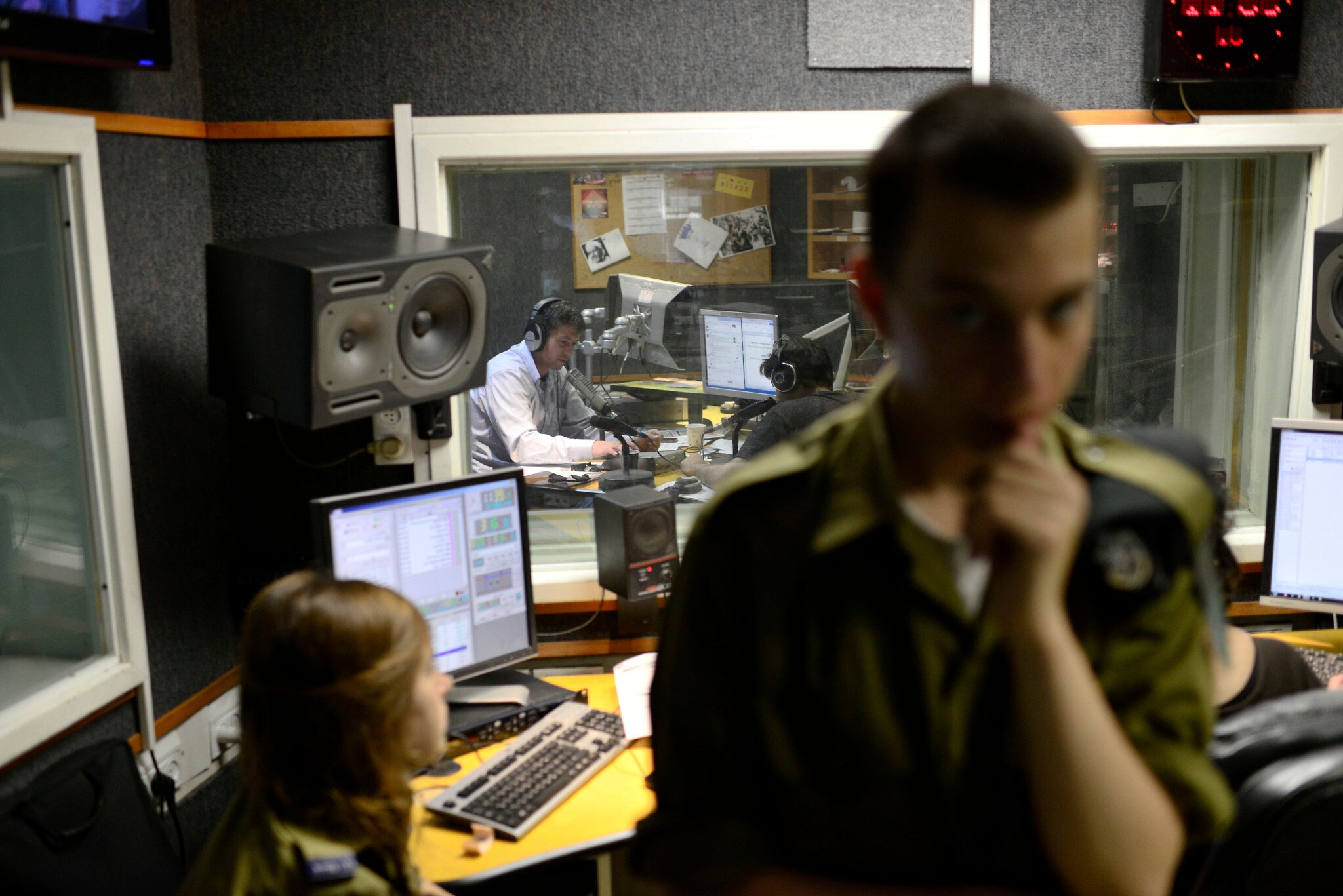
As the government advances sweeping efforts to reshape the country’s media landscape, Defense Minister Israel Katz’s decision to shutter Army Radio marks one of the most symbolic and contentious moves yet.
To critics, the planned closure of the 75-year-old military-run broadcaster represents not just an internal defense shake-up but part of a broader push to silence independent or critical journalism. Supporters say it’s a long-overdue correction of a station that has strayed from its original purpose.
Katz announced Wednesday that Army Radio — a military-run station and an iconic fixture in Israeli culture — will cease broadcasting by March 1, 2026. He argued that its civilian-style journalism “harms the war effort and morale” and is incompatible with the military’s nonpartisan mandate.
In a statement, Katz characterized the closure as necessary, claiming that Army Radio had drifted from its founding mission of serving as a voice for soldiers and their families, instead becoming a platform for opinions critical of the Israel Defense Forces.
“What was will no longer be,” Katz said. “Army Radio was established by the Israeli government as a military station to serve as a voice and ear for IDF soldiers and their families — not as a platform for opinions, many of which attack the IDF and its soldiers.”
Invoking national security concerns to justify the decision, he added that “enemies interpret these messages as if they are being conveyed by the IDF itself.”

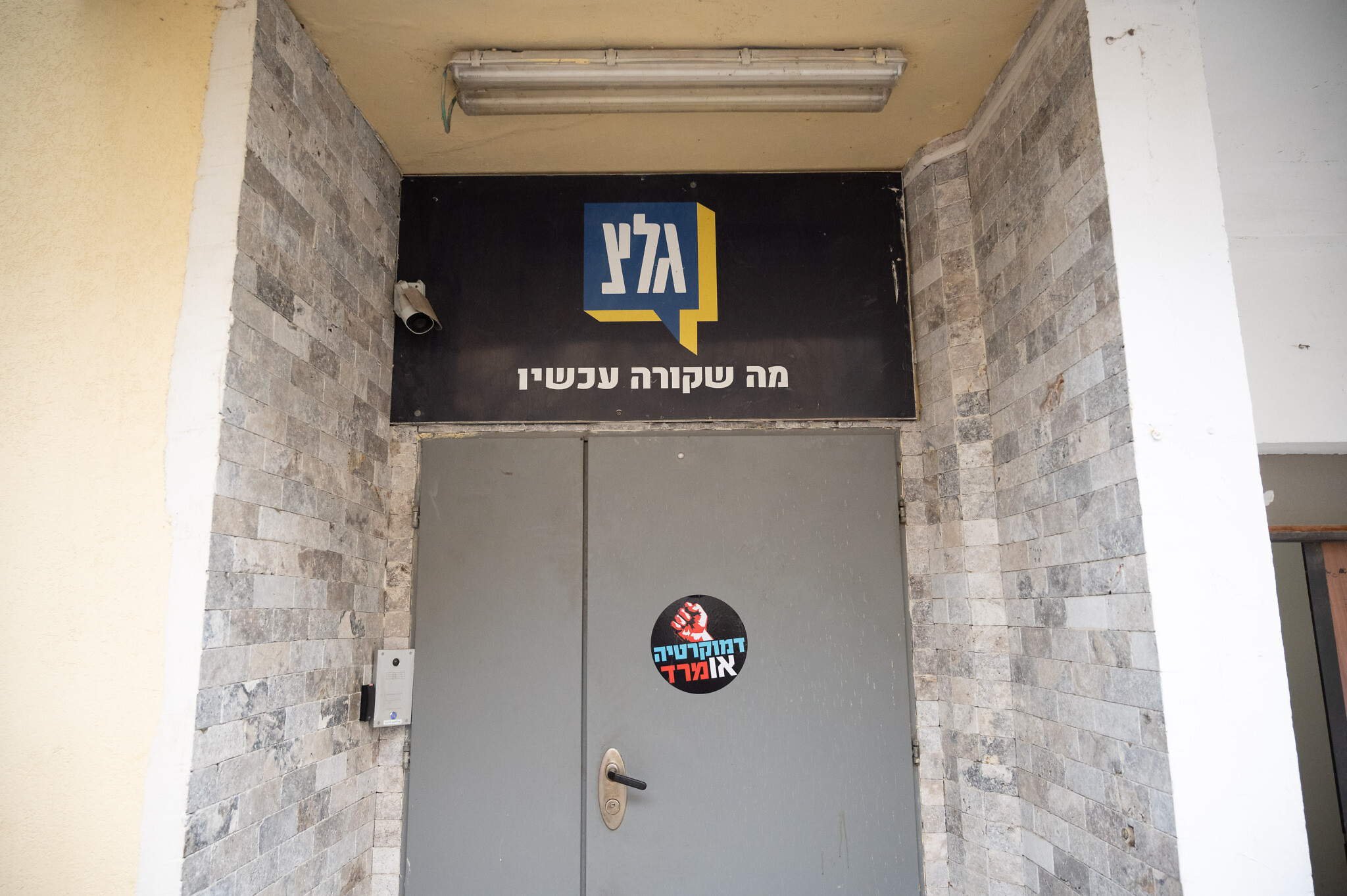
The defense minister said he would submit the proposal for government approval and establish a professional team to manage the shutdown, handle staff rights, and ensure the continued operation of sister network Galgalatz, a Top 40 music station whose traffic reports are the closest it gets to news.
Part of a broader media shift
Katz’s move comes amid growing concern among journalists, media watchdogs and legal experts about Prime Minister Benjamin Netanyahu’s government’s broader campaign to consolidate influence over Israel’s media environment.
Taken together, they suggest a concerted effort to rein in media outlets that the government perceives as hostile or unaligned with its messaging.
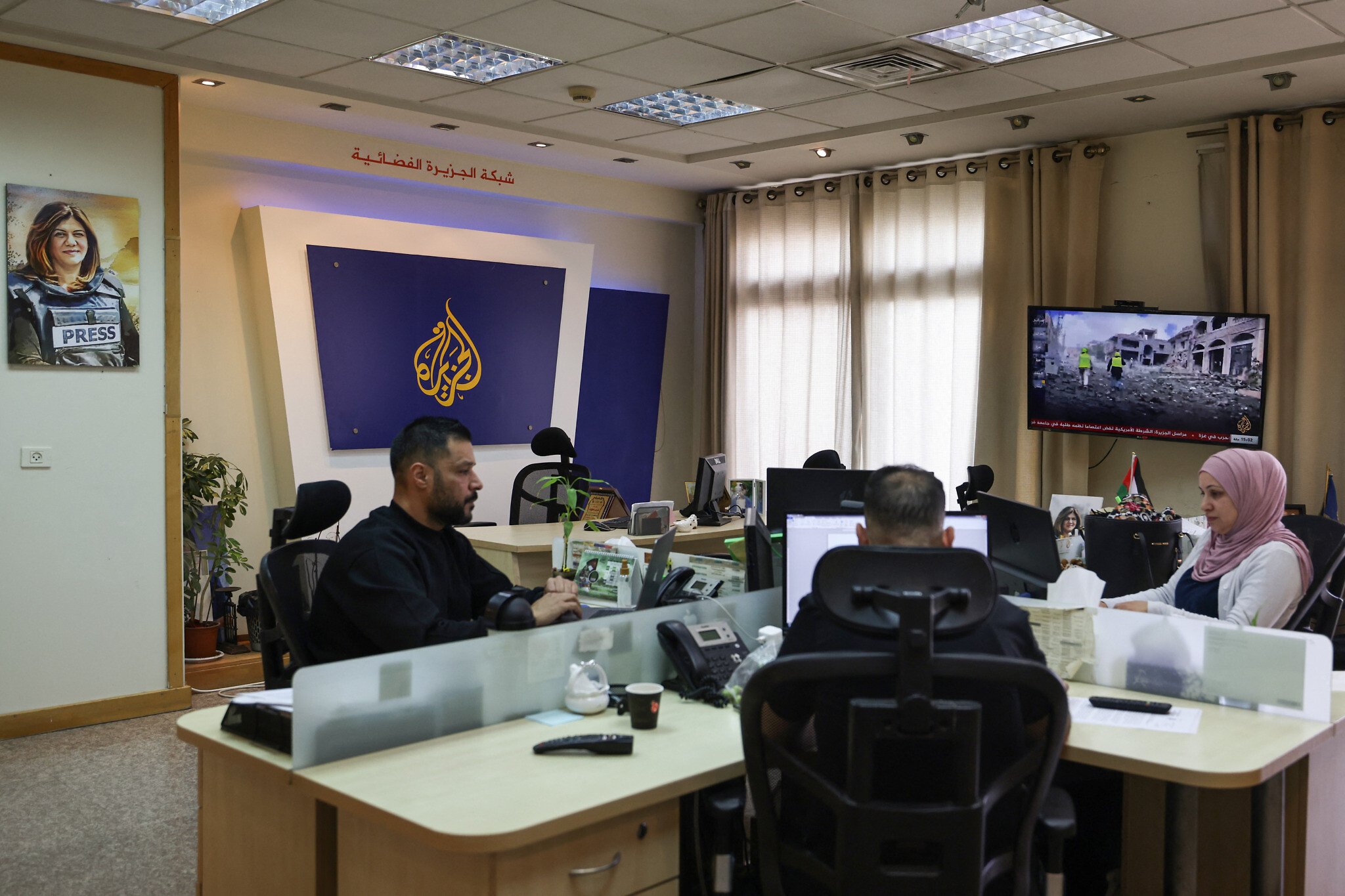
Earlier this week, Likud MK Ariel Kallner’s proposal to make the so-called Al Jazeera Law permanent passed its first Knesset reading.
The law, initially enacted as a temporary wartime measure, allows the government to shut down foreign media outlets in Israel under certain conditions. If Kallner’s bill passes, that authority would become permanent, enabling the Communications Ministry to close outlets at any time, and would also remove the requirement for judicial oversight, allowing the communications minister to shutter foreign media without court approval.
Days earlier, Communications Minister Shlomo Karhi succeeded in advancing a sweeping media reform bill, saying it will increase competition and reduce costs for consumers. The legislation, which passed its first reading, would weaken long-standing safeguards designed to keep news content independent from commercial and political interests — changes that critics warn could open the door to greater bias and interference in newsrooms from political or corporate interests.
Analysts argue that publicly funded news outlets form an essential safeguard against a media sphere becoming beholden to the whims of private owners.
Netanyahu has long been accused of seeking a tighter leash on the media: He has railed against media outlets as being biased against him, has boycotted news networks following staffing decisions he disagreed with, and allegedly sought to use his office to intervene in media coverage.
Two of the three cases in his current corruption trial revolve around efforts to sway media coverage. In recent years, he has also essentially boycotted mainstream Israeli news media, including Army Radio, reserving interviews for friendly outlets in Israel or abroad.
Members of the government have also put crosshairs on the Kan public broadcaster for acting like an independent news outlet. “What good is public broadcasting if we can’t control it?” Transportation Minister Miri Regev, a former IDF spokesperson, asked in 2016.
A pillar of Israeli culture
Army Radio has occupied a unique and influential position in Israel’s media ecosystem since it began broadcasting on September 24, 1950, as a continuation of the Haganah’s transmissions during the 1948 War of Independence. Its inaugural broadcast opened with a trumpet blast and the Israeli national anthem from an improvised studio in the central Israel city of Ramat Gan.
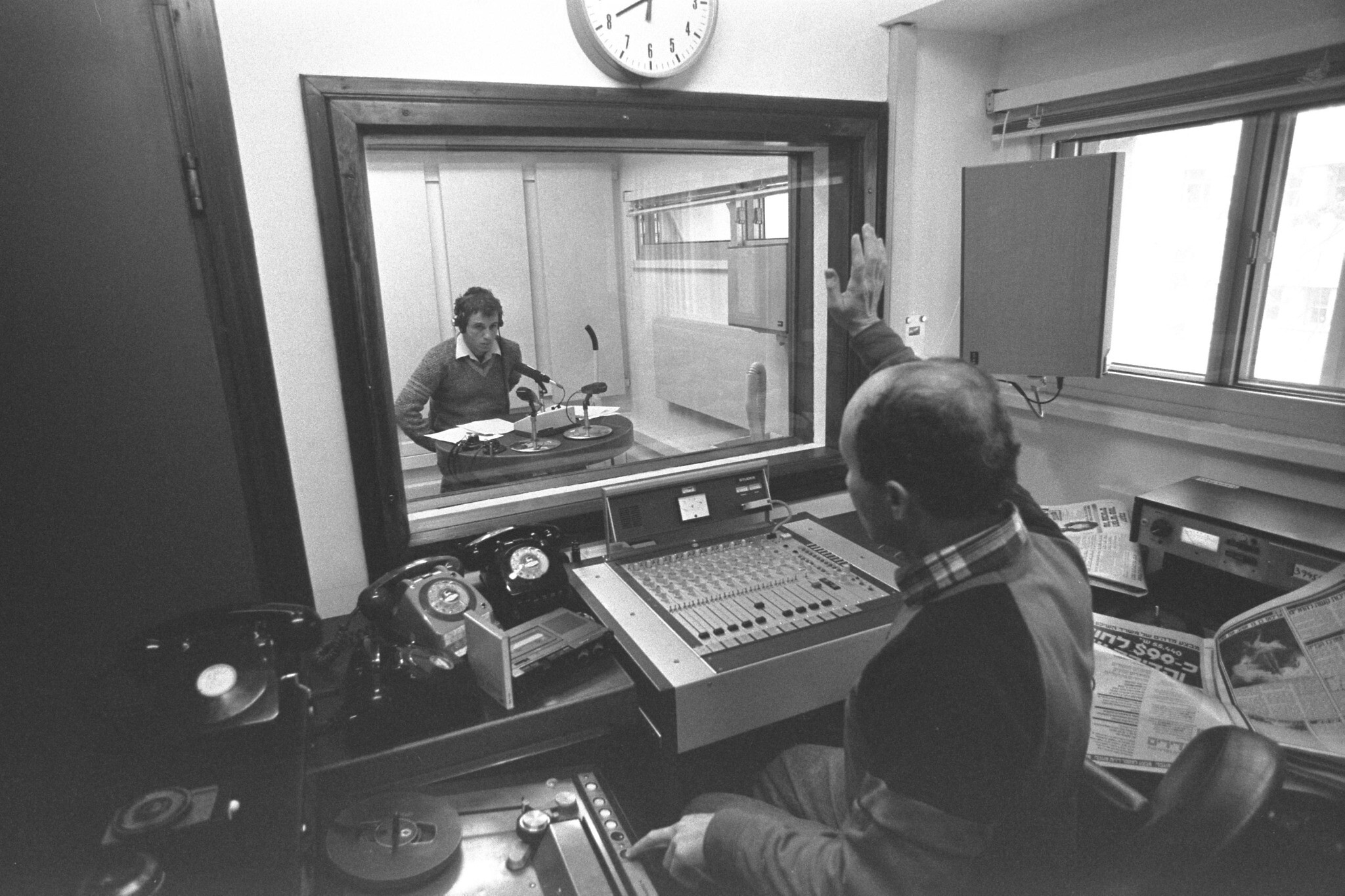
Over the decades, the station has combined military-focused programming with broader public broadcasts, including news, music, traffic updates, and educational programs. Its apolitical offshoot, Galgalatz, established in 1993, has achieved high listenership — particularly among young audiences.
Beyond its military mission, the station has become a fixture in Israel’s cultural landscape, shaping musical tastes, popularizing colloquial Hebrew in broadcasting, and providing a platform for social dialogue and national reflection. Many Israelis, both soldiers and civilians, have grown up listening to Army Radio, making it a touchstone of national identity and a bridge between the military and the public.
The station has also been notable for staffing soldiers in journalistic roles, giving relatively young servicemembers professional experience that often propels them into senior positions at other major media outlets after their service.
Army Radio’s news department includes seasoned journalists and serving soldiers, creating a dual identity: the station functions as both an independent news organization, able to critique the government and military, and as a military broadcaster meant to build morale and present the IDF positively. This dual role has been a constant source of tension, particularly during wars or politically charged periods.
Years of oversight debate
Katz’s announcement is the latest chapter in a decade-long debate over Army Radio’s role and oversight.
In 2016, then-defense minister Avigdor Liberman criticized the station for airing a program on Palestinian poet Mahmoud Darwish, labeling it a serious breach of patriotic norms. A year later, Liberman approved a plan to move Army Radio from the IDF to the Defense Ministry, though opposition from staff and unions brought the transfer to a standstill.
During his time as defense minister in 2021, Benny Gantz similarly announced intentions to remove Army Radio from military control, citing ethical concerns about a military-operated station investigating the IDF and politicians. He formed an interagency team to propose either separation from the IDF or closure, but the process was repeatedly delayed.
Subsequently, in 2023, then-defense minister Yoav Gallant reversed earlier plans to shut down or privatize Army Radio, opting instead for reforms and appointing a permanent commander with a military background to head the station.
His office aimed to reduce soldiers’ involvement in political coverage while maintaining the station’s military and social reporting. Gallant’s position conflicted with that of defense officials who preceded him, as well as the IDF’s chief of staff at the time, Herzi Halevi, who advocated for moving the station to civilian oversight.
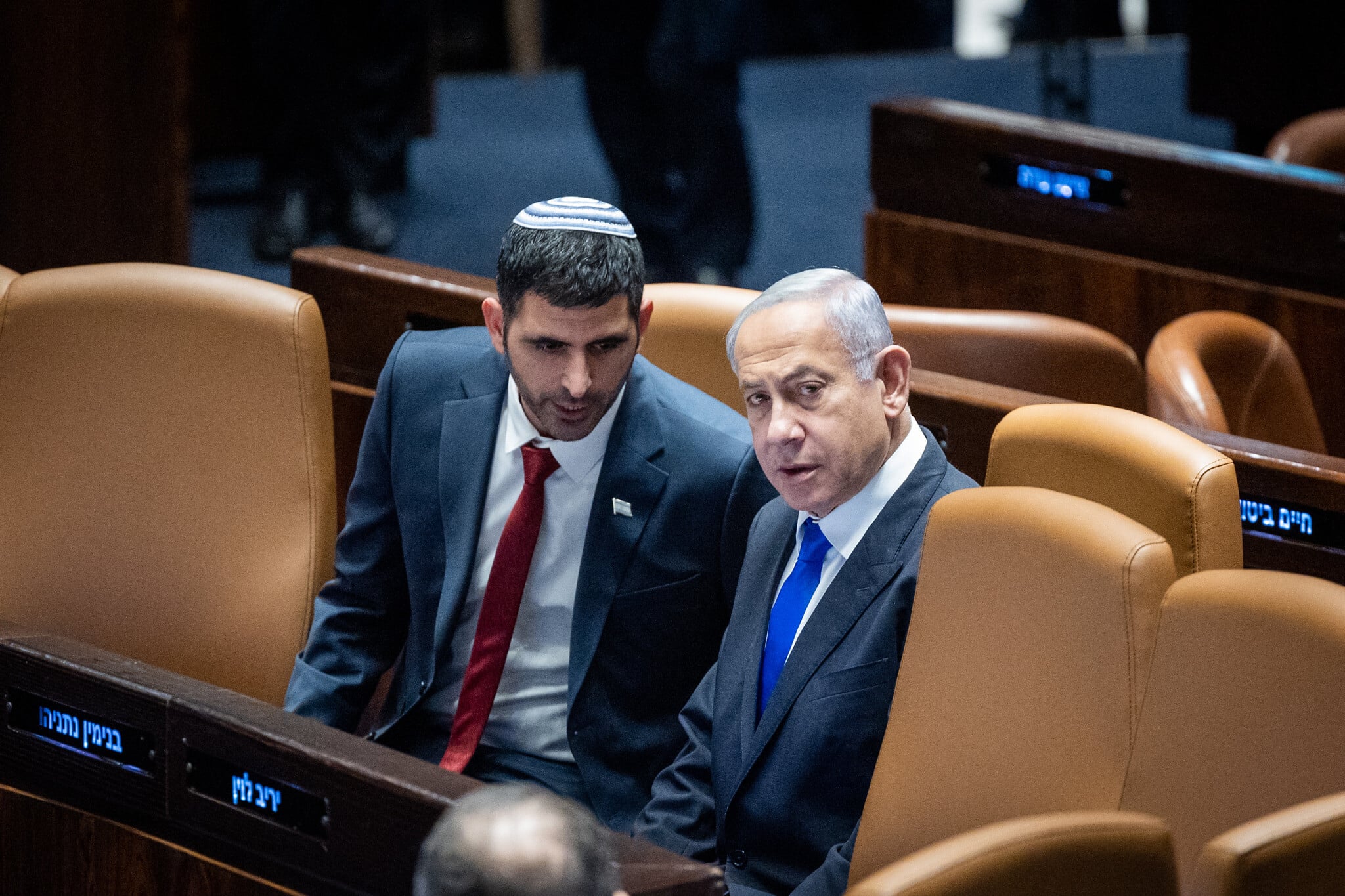
Katz’s Wednesday announcement followed months of renewed scrutiny of the station’s role and oversight. Between August and October, a Defense Ministry committee examined whether Army Radio should remain under IDF control, presenting its findings and recommendations to the defense minister on October 28.
The examination followed an appeal by Karhi appeal to Katz — and Netanyahu’s own remarks questioning the need for the station. The exchange reignited the long-running debate over Army Radio’s journalistic independence and political tone — and set the stage for Katz’s decision.
Strong pushback against closure
Just as in past attempts to shut down or reform Army Radio, Katz’s announcement has already been met by strong opposition from the station’s leadership and journalists’ groups.
Station head Tal Lev Ram called Katz’s decision “a real, unfortunate, and dramatic blow to the people’s army, Israeli society, and the freedom of the press in a democratic state.”
Lev Ram criticized the ministerial committee whose report recommended closure, alleging conflicts of interest, biased membership and manipulated information. He vowed to fight the decision “by all possible means” and insisted that Army Radio would continue serving soldiers and the public.

The Union of Journalists in Israel also pledged resistance, declaring that Katz “will not close any media outlet in the State of Israel” and promising legal challenges. The station’s closure, the union said, would constitute an erosion of press freedom, and the group signaled that a court battle is likely.
Adding to the opposition, the Israel Press Council called Katz’s decision “invalid and illegal.” The council emphasized that the station’s status is “anchored in primary legislation, and only legislation can change the status of the station.”
“The Israel Press Council will act in every way to prevent the closure of the station, protect freedom of the press, the diversity of the media, and the right of the public to know,” its statement said.
Legal and political hurdles ahead
Katz’s decision is not final and must receive government approval before any legal proceedings can take place. Should the cabinet vote in favor, Army Radio and press freedom groups are expected to file legal challenges, which could ultimately bring the case before the Supreme Court.
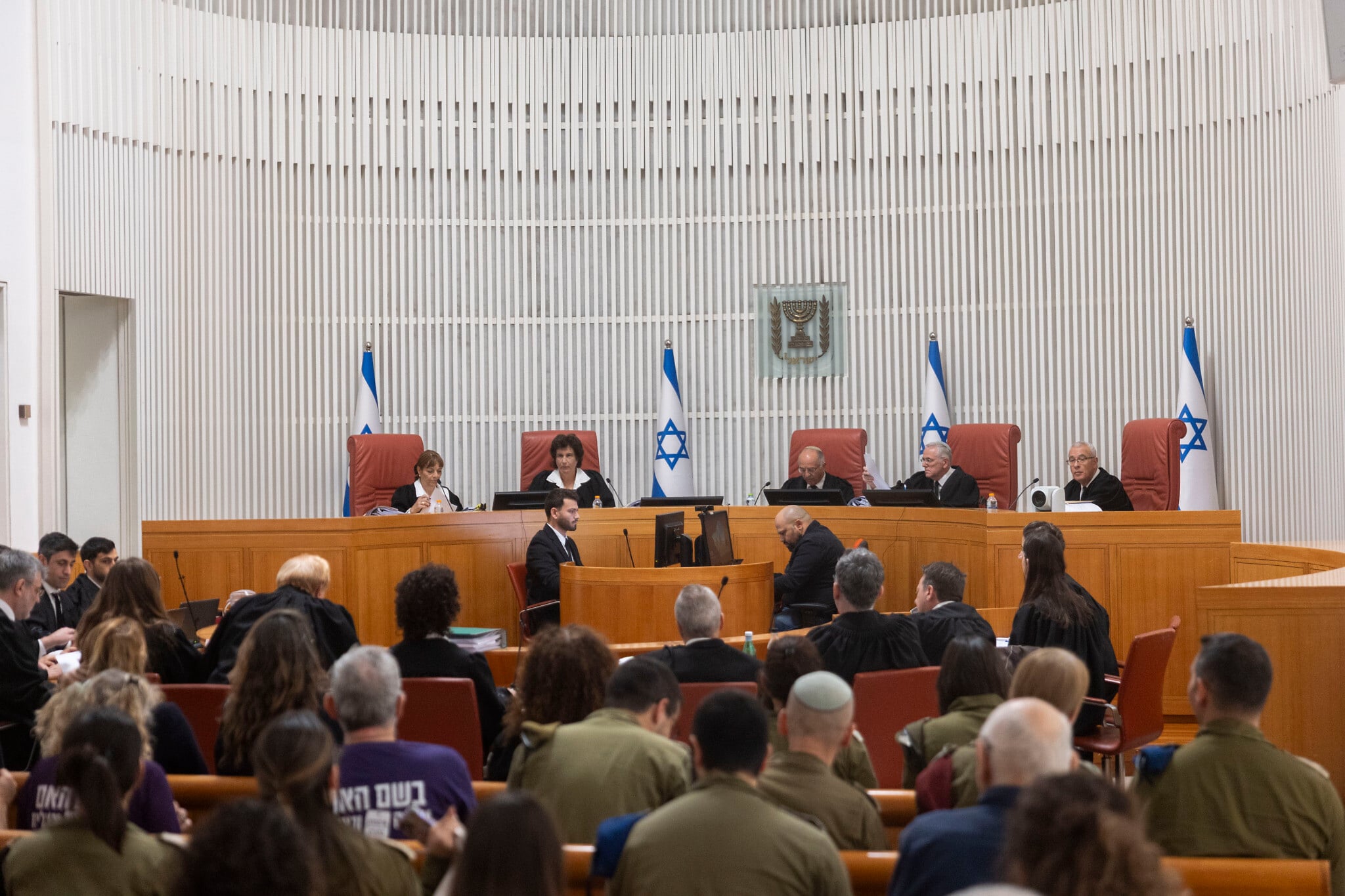
With the Israel Press Council already arguing that the station’s closure would be illegal under current law, the government could face formal legal challenges. In that scenario, the Knesset would likely need to pass legislation to authorize the closure fully.
The upcoming election cycle adds another layer of complexity. Cabinet deliberations, legislative processes, and potential court cases could all be delayed by political uncertainty, campaign considerations or shifts in coalition priorities.
Army Radio’s fate now stands as a litmus test in Israel’s broader struggle over the boundaries of state control and press independence. For many, the question is no longer whether the government can close the station — but what such a move says about the state of democracy itself.





The Times of Israel Community.