

Netanyahu dismisses probe of his chief of staff, accuses critics of ‘hunting’ him
In social media video, PM accuses unnamed opponents of ‘extortion,’ says law enforcement wants to search his aides’ phones for ‘something embarrassing’
 Add ToI as a Preferred Source on Google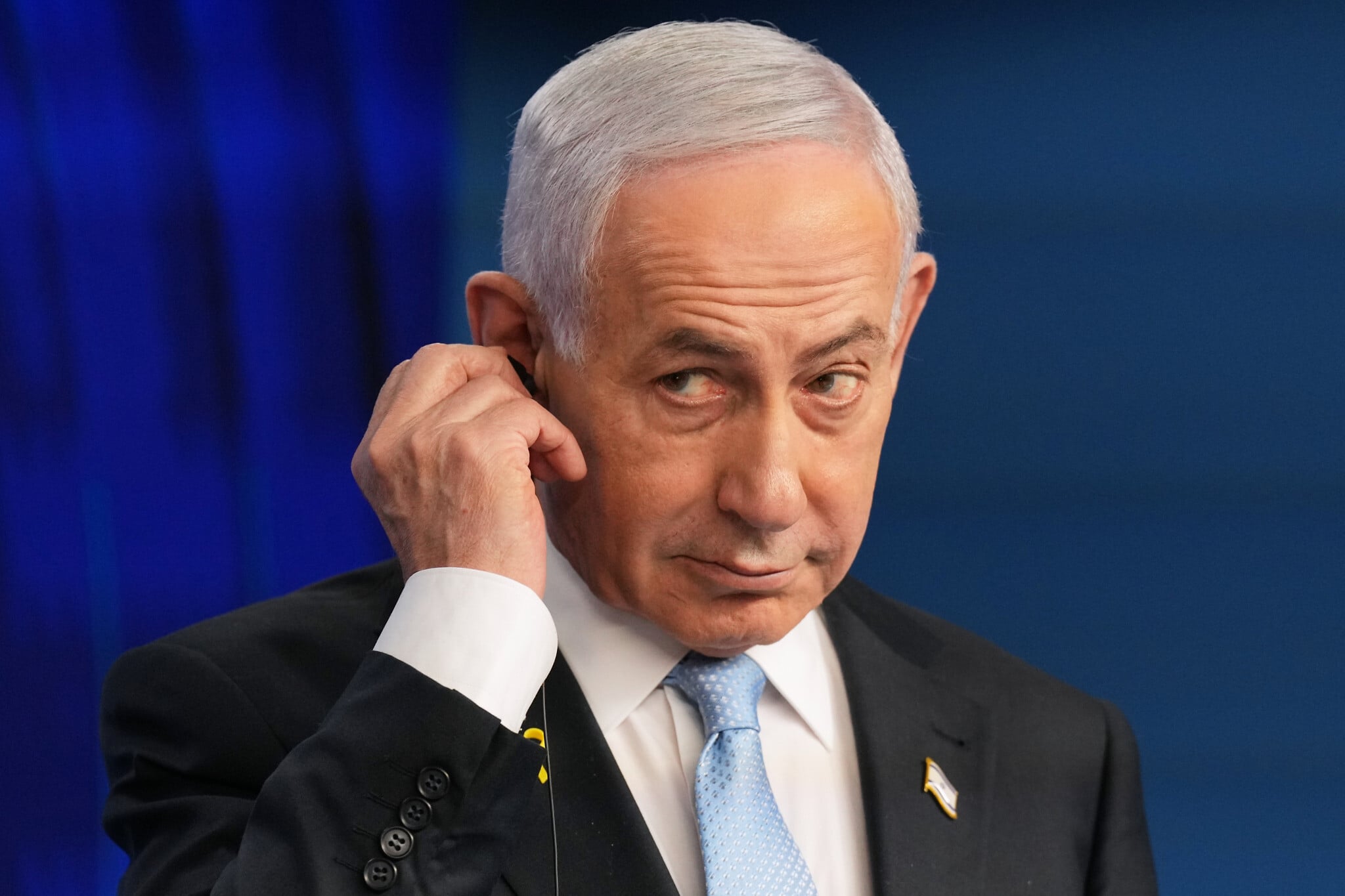
Prime Minister Benjamin Netanyahu appeared to brush off the police investigations of his chief of staff and other aides on Monday evening, posting a social media video in which he claimed the various suspicions against several of his staffers were the result of unnamed opponents “hunting” him to remove him from office.
Netanyahu posted the minute-long video a day after his chief of staff, Tzachi Braverman, was released from police custody following a lengthy interrogation. The senior aide was questioned as part of a wider investigation into an alleged leak of classified material.
In the video posted on Netanyahu’s social media, the latest of a series in which the prime minister answers questions from someone off-camera, he was asked whether he’s agitated by the investigations.
“I’m not stirred up,” he said, calling the interrogation the “same enterprise, same hunting.”
He repeated an accusation he has made frequently — that the criminal and court proceedings involving him and his staff are a political attempt to oust him from office by rivals who have failed to beat him at the ballot box.
“This is just happening because they aren’t able to defeat me in elections,” he said. “So they put me on trial, the trial collapses, they bring in every which aide of mine and try to extort them.”
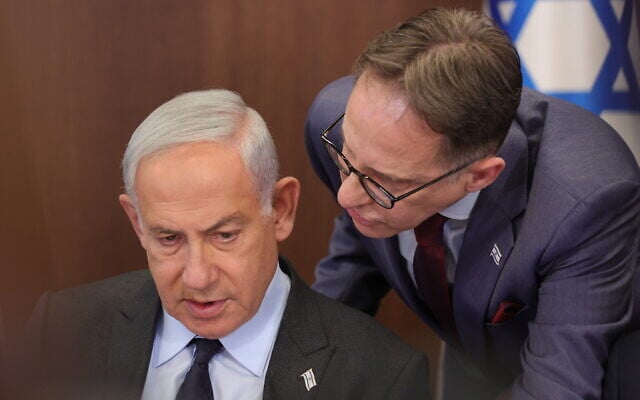
Netanyahu’s office has found itself lately in a web of allegations and investigations. The prime minister has been on trial for corruption for years in a trio of cases whose accusations he flatly denies. The attorney general who indicted him, Avichai Mandelblit, was not a political rival but a longtime associate whom the prime minister had tapped as cabinet secretary and, later, attorney general.
On Monday, members of Netanyahu’s coalition put forward a bill that would repeal the charge of fraud and breach of trust, which Netanyahu faces in all three cases. He also faces one charge of bribery.
In addition, a few of Netanyahu’s current and former aides are suspects in the leaking of classified material to the German tabloid Bild. And some are suspects in the scandal known as Qatargate, in which aides to Netanyahu are accused of working as paid lobbyists for Qatar while employed in the Prime Minister’s Office.
Braverman is suspected of trying to obstruct a probe into the Bild leak, and is now barred from leaving the country, contacting Netanyahu or entering the Prime Minister’s Office. One of the premier’s spokesmen, Omer Mansour, was also questioned and faces similar restrictions.
In an appeal filed Monday against those conditions, Braverman called the probe a “delusional political investigation.” The allegations against Braverman stemmed from claims made by another suspect in the Bild leak as well as Qatargate, former Netanyahu spokesman Eli Feldstein, who gave a multi-part interview recently to the Kan public broadcaster.
Braverman is set to become Israel’s ambassador in the UK.
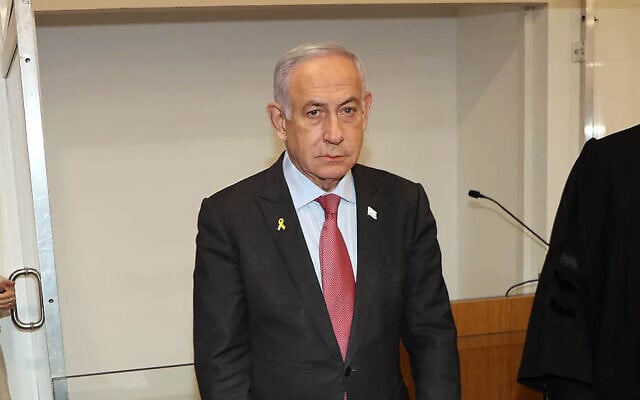
In the video, Netanyahu dismissed the investigations as politically motivated, claiming that unnamed opponents were fishing for incriminating material on the cellphones of suspects.
“They know there’s nothing there, but they want to get to one thing… the phone,” he claimed. “So on the phone, we’ll look for something, maybe there’s something embarrassing, and so on.”
He continued, “They never find anything, but that makes no difference. But they do it time and again.”
He then expressed confidence that Braverman and Mansour would handle the investigation, saying, “So it’ll pass. Omer and Tzachi, I’m sure they’re not stirred up. It really doesn’t matter.”
As he has done in previous public-facing appearances, Netanyahu then brandished a prop — in this case, a sheet of paper on which he wrote, “The public doesn’t buy it anymore.”
“What matters is one thing. You know what that one thing is?” he asked. “A simple truth. You see this? The public doesn’t buy it anymore. We understand this performance — we see the attempt at extortion. It doesn’t work.”









The Times of Israel Community.