

Now in English, ‘Class of 95’ anthology brings elegies for Rabin to wider world
New edition of first-of-its-kind poetry collection memorializing prime minister aimed at galvanizing Diaspora Jews 30 years after his assassination, its editor says
 Add ToI as a Preferred Source on Google
Jessica Steinberg, The Times of Israel's culture and lifestyles editor, covers the Sabra scene from south to north and back to the center
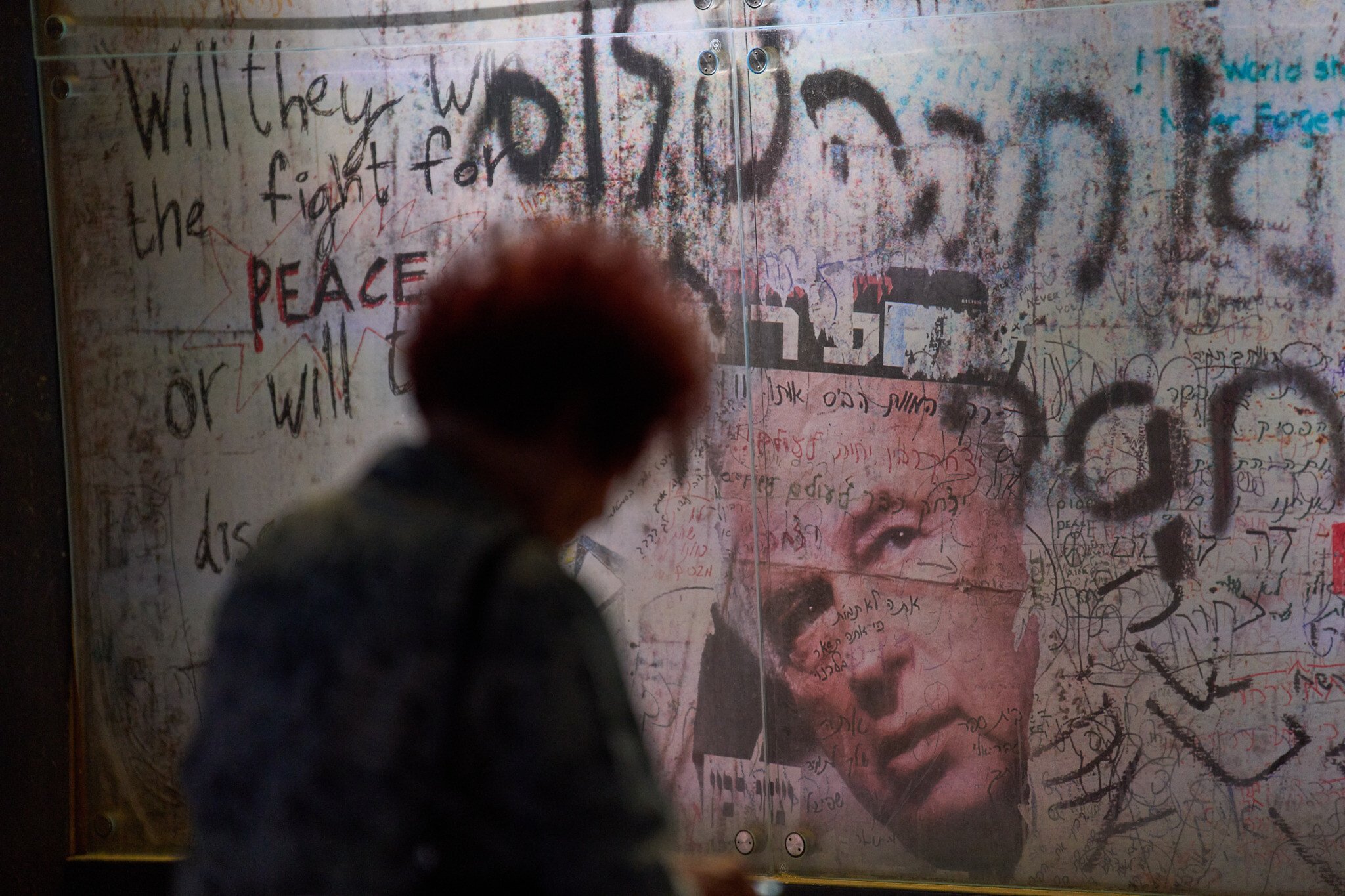
Barak Sella was 10 years old when prime minister Yitzhak Rabin was assassinated on the night of November 4, 1995.
Thirty years later, Sella, an activist, educator, and community organizer, views that seminal event as the catalyst for his political awakening, forming the foundation of his work on Israel-US relations and world Jewry in the context of the Middle East.
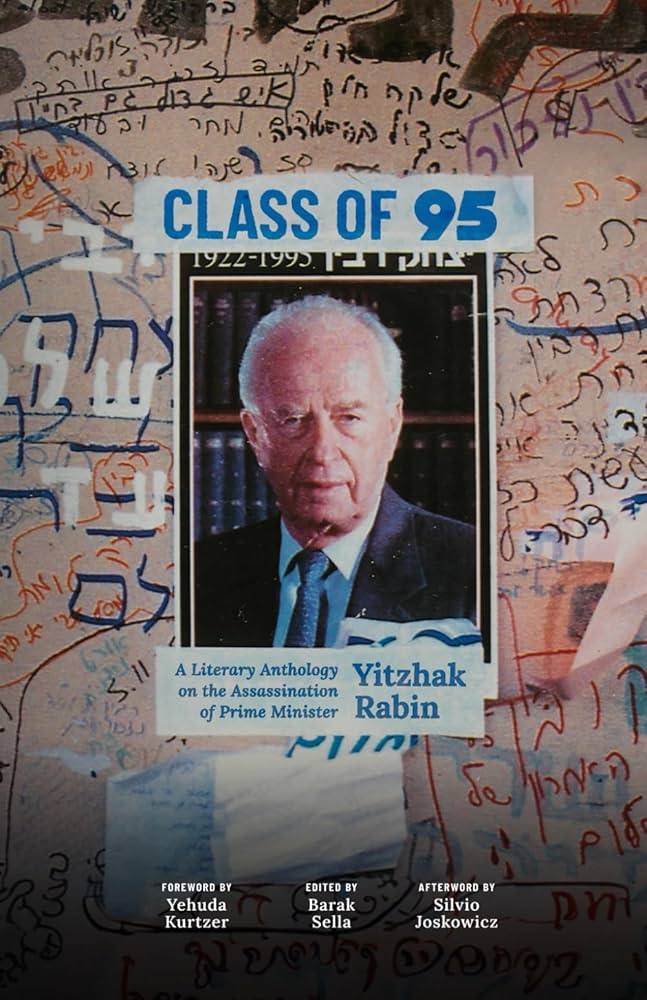
He edited the first-ever literary anthology about the assassination, titled “Mahzor 95,” which was released in Hebrew in 2013 and is now available in English as “Class of 95,” timed to mark the 30th anniversary of Rabin’s death.
The book includes a foreword by Yehuda Kurtzer, president of the Shalom Hartman Institute, and was translated by Yoni Hammer-Kossoy.
“My dream was always to put out an English version,” said Sella, who served as an emissary for the Jewish Agency in New York in 2017 and was surprised to learn at the time that there were no local Rabin memorial events.
“The whole idea of the book is that beyond articles and ceremonies, this book helps create a long-lasting narrative, with stories and texts that can allow people to connect to this event,” said Sella.
The English edition of “Class of 95” doesn’t include any new material, but draws on a 2022 edition of “Mahzor 95,” with 40 poems chosen by Sella to create a more complete narrative aimed at world Jewry.
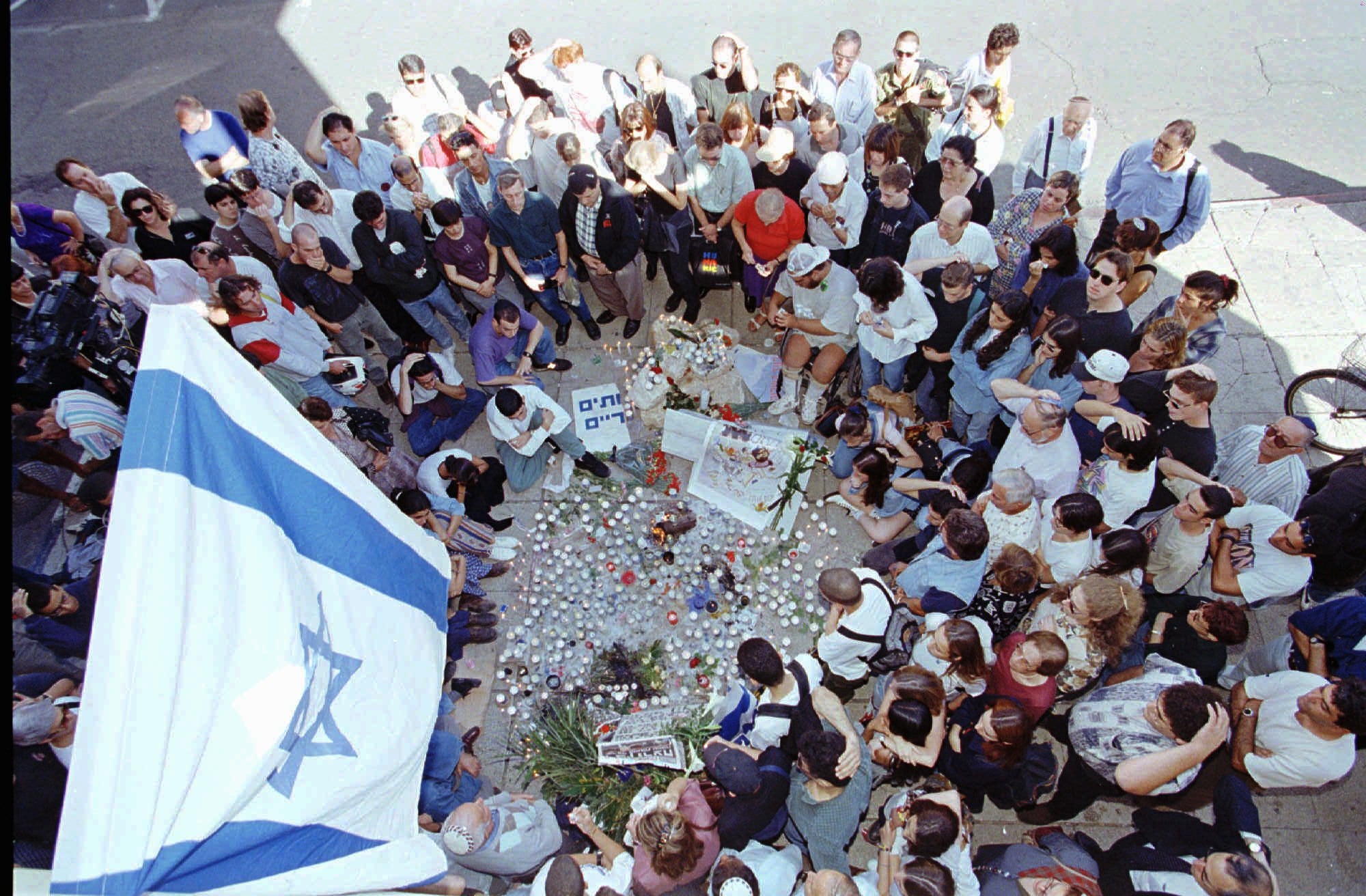
The poems are collected into five chapters representing five stages of Jewish mourning, including death until burial; shiva, or the seven days of ritual mourning after burial; shloshim, or the 30-day period after burial; the first 11 months of mourning during which the kaddish prayer is said for a parent; and historic mourning, referring to national grief.
The anthology is part of an initiative called the Rabin Way, supported by the Department of Zionist Enterprises at the World Zionist Organization, working to promote Rabin’s memory in world Jewry.
Sella, a recent graduate from the Harvard Kennedy School for Government who previously served as executive director of the Reut Institute, an Israeli think tank for strategy and leadership, sees the Rabin assassination as a wound that is still festering, as seen in Israel’s internal politics, and believes it has to be turned into an event that belongs to everyone.
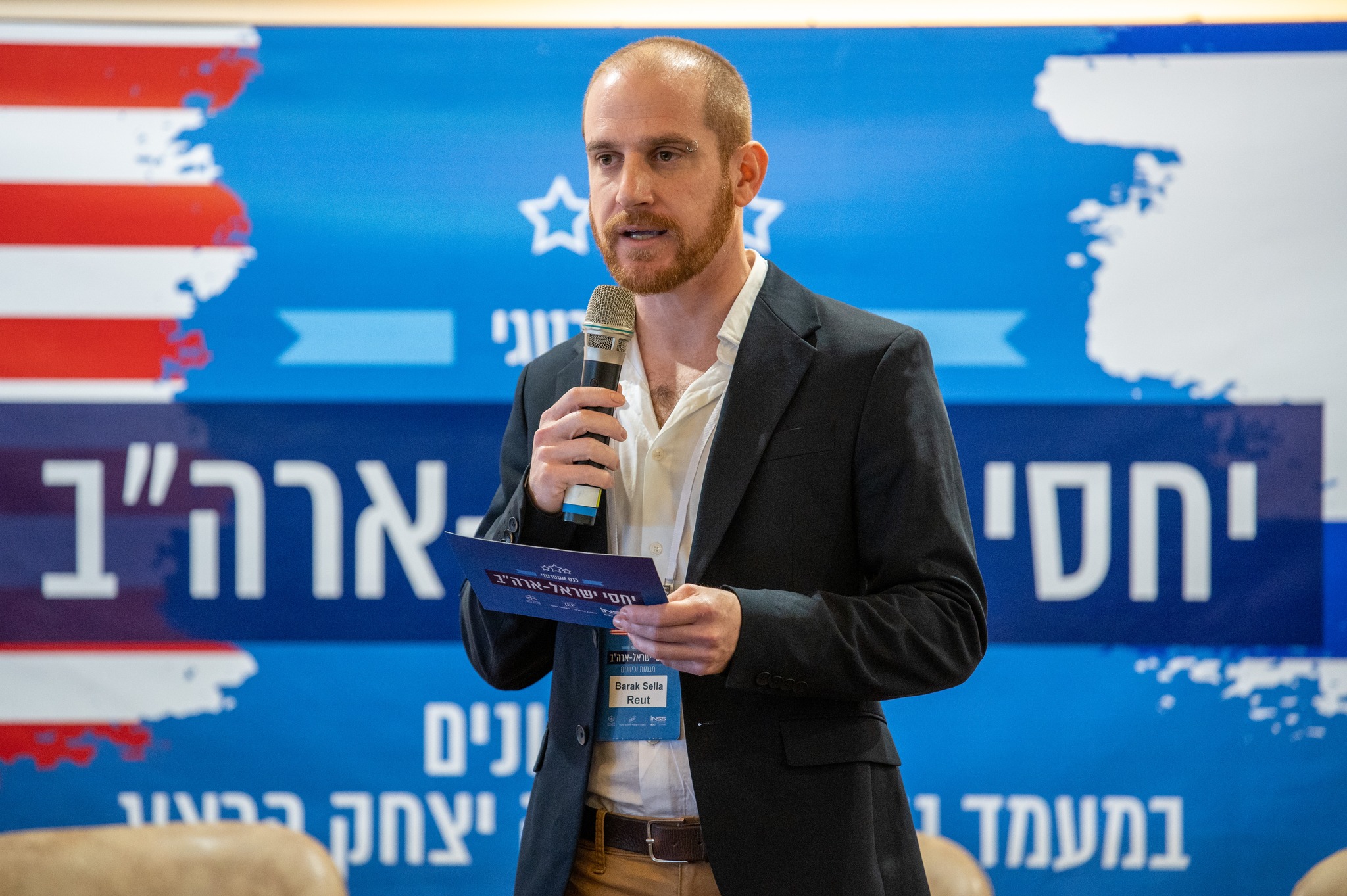
“We don’t want the Rabin memorial day to be about nostalgia; it’s to help find a compass for what we’re dealing with now,” said Sella.
When Sella thinks about the assassination, he begins with his own experience of that day. His Israeli-born parents had recently moved the family back to Israel after 12 years in Texas.
Sella recalls that his parents, who were not particularly political types, had traveled to Israel in 1992 to vote in the elections that made Rabin prime minister again, wooed by the potential of a government led by the Labor head and the possibility of peace and normalcy in Israel.
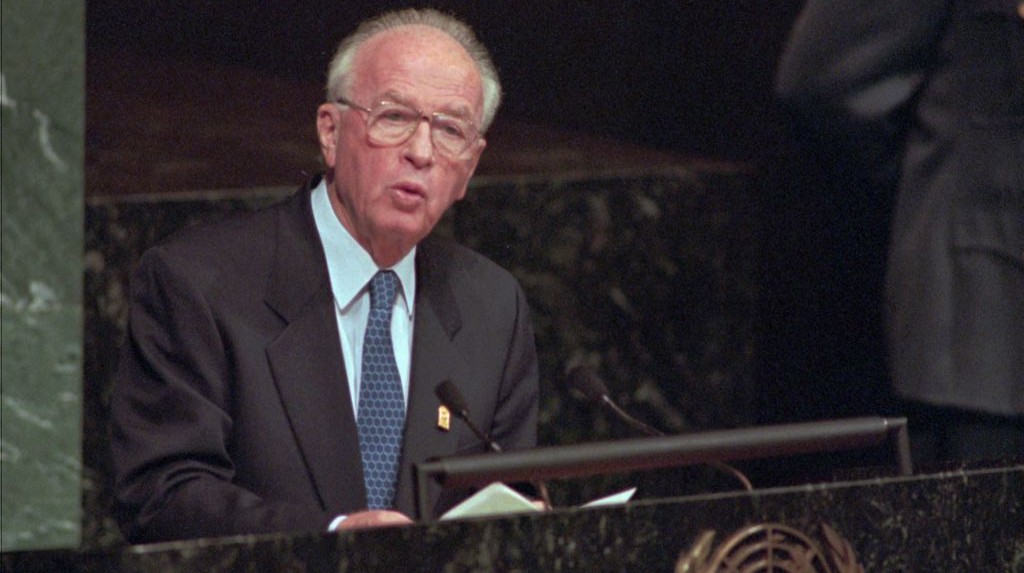
Sella’s parents had considered attending the November 4, 1995, rally at which Rabin was assassinated and discussed it with their friends, whom they were visiting that Saturday.
The wife couldn’t go as her husband, a doctor, was on call that night, said Sella. He ended up being the surgeon who operated on Rabin later that night, but was unable to save him.
As a teen, Sella participated in Hanoar Haoved, the same youth group attended by Rabin, and got involved in events held to memorialize Rabin, eventually serving as the group’s official spokesperson.
Sella was managing a Rabin memorial event in Rishon Lezion, where he was living at the time, when he first conceived of the anthology.
“My thought was that the Rabin assassination was such a major event that there were probably countless books, but I couldn’t find anything,” said Sella.
He put out a call for poetry, with the thought of organizing an evening of poetry around Rabin, and was swamped with poems that had never found a home.
The Hebrew title, “Mahzor 95,” is a play on words that means class, but also refers to a mahzor, a Jewish prayer book for festivals — and was first published with 45 poems. A second edition published in 2022 included over 70 poems and short stories.
The poems expose a specific type of truth, said Sella, allowing readers to connect with other perspectives and opinions that may otherwise be hard to hear.
“Just like when we think about the Ninth of Av, it’s not about the destruction of the Second Temple as much as the dangers of baseless hatred,” he said, referring to the Jewish day of mourning. “It’s less important to talk about the Rabin assassination around the person or the event, but rather what it means to have a democracy, to solve differences, to strive for a better future.”





The Times of Israel Community.