

Over 80 years after fleeing the Nazis, a survivor moves to Israel, finally home
On her first Holocaust Remembrance Day since realizing her dream of immigrating, Penina Zeitchik aims to gather with grandchildren also living in Israel to share what her family experienced in the war
 Add ToI as a Preferred Source on Google
Rossella Tercatin is The Times of Israel's archaeology and religions reporter.
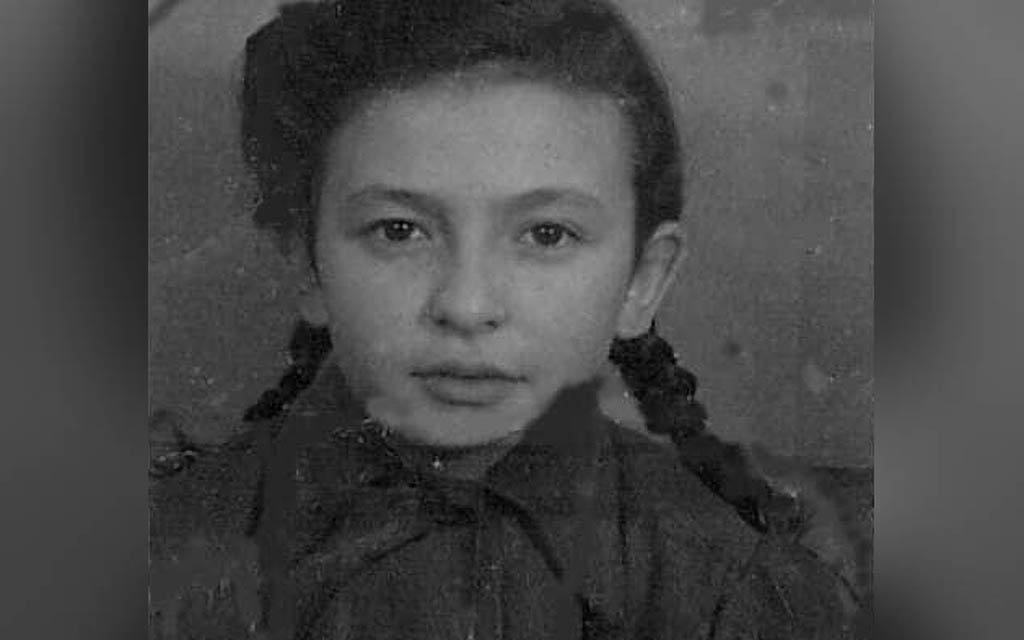
Penina Zeitchik was just 3 years old when the Nazis approached the little town of Lubieszow, where she lived with her family. The town had been part of Poland before World War II, but in 1939, it was occupied by the Soviet Union under the Molotov–Ribbentrop Pact, in which Germany and the USSR had secretly carved Poland between them.
Once home to some 1,500 Jews, during the Soviet occupation, the Jewish community swelled, with refugees fleeing the Nazi reign of terror. But in 1941, Adolf Hitler tore up his agreement with Josef Stalin, and, within weeks, the Nazis were on Lubieszow’s doorstep.
Most believed that the Red Army would swiftly reconquer the town once the Nazis took it. Nonetheless, Zeitchik’s parents decided that it was more prudent to flee east, leaving town ahead of the German invasion, together with her mother’s young sister, still a teenager.
“We lived with my grandmother, who remained behind,” recalled Zeitchik, who was born Penina Falchuk. “When we left, there was a duck in the oven, and my mother kept on telling my grandmother to make sure it would not burn. That’s how sure we were that we were coming right back right away.”
But the Falchuks would never see their house again, nor the grandmother, or an uncle, aunt, and two children who lived nearby. Returning after the war to Lubieszow in what is now Ukraine, the Falchuks found their home and all they once knew utterly destroyed.
Today, after an eight-decade journey through Uzbekistan, Berlin, Munich, and New York, Zeitchik has found a home of another kind — one she had yearned for since her childhood.
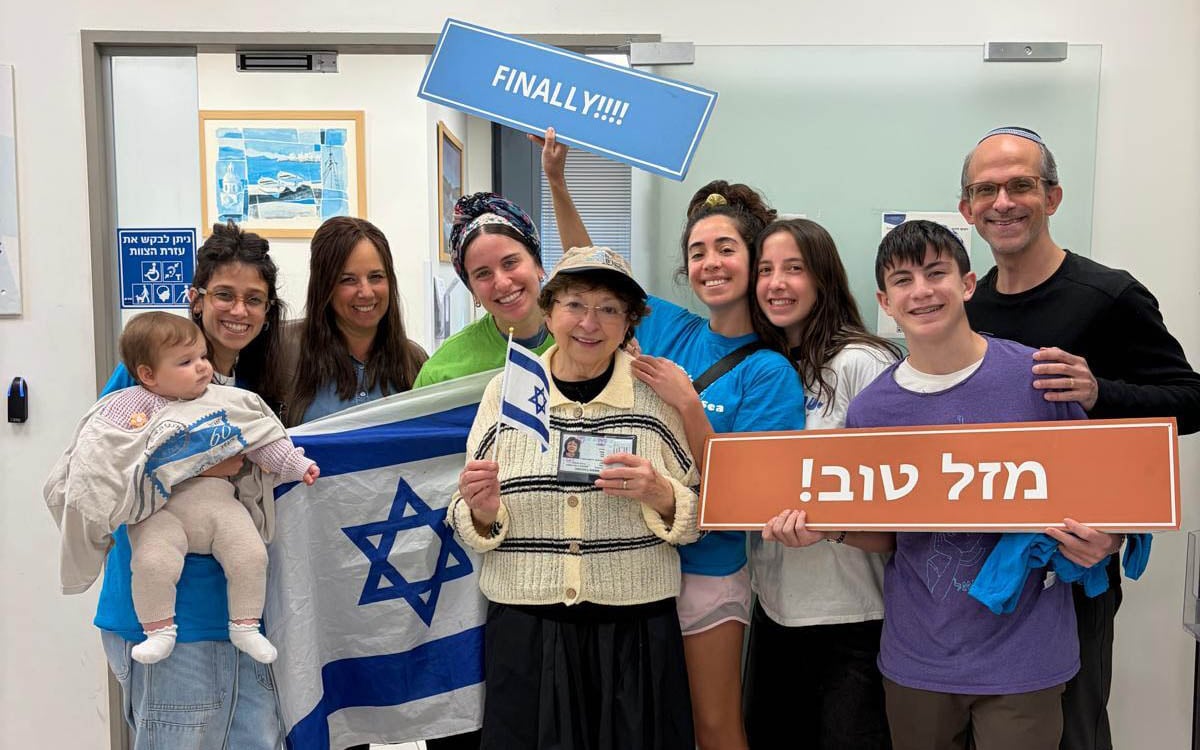
On February 18, at the age of 86, she fulfilled her lifelong dream of immigrating to Israel, arriving with the assistance of nonprofit Nefesh B’Nefesh.
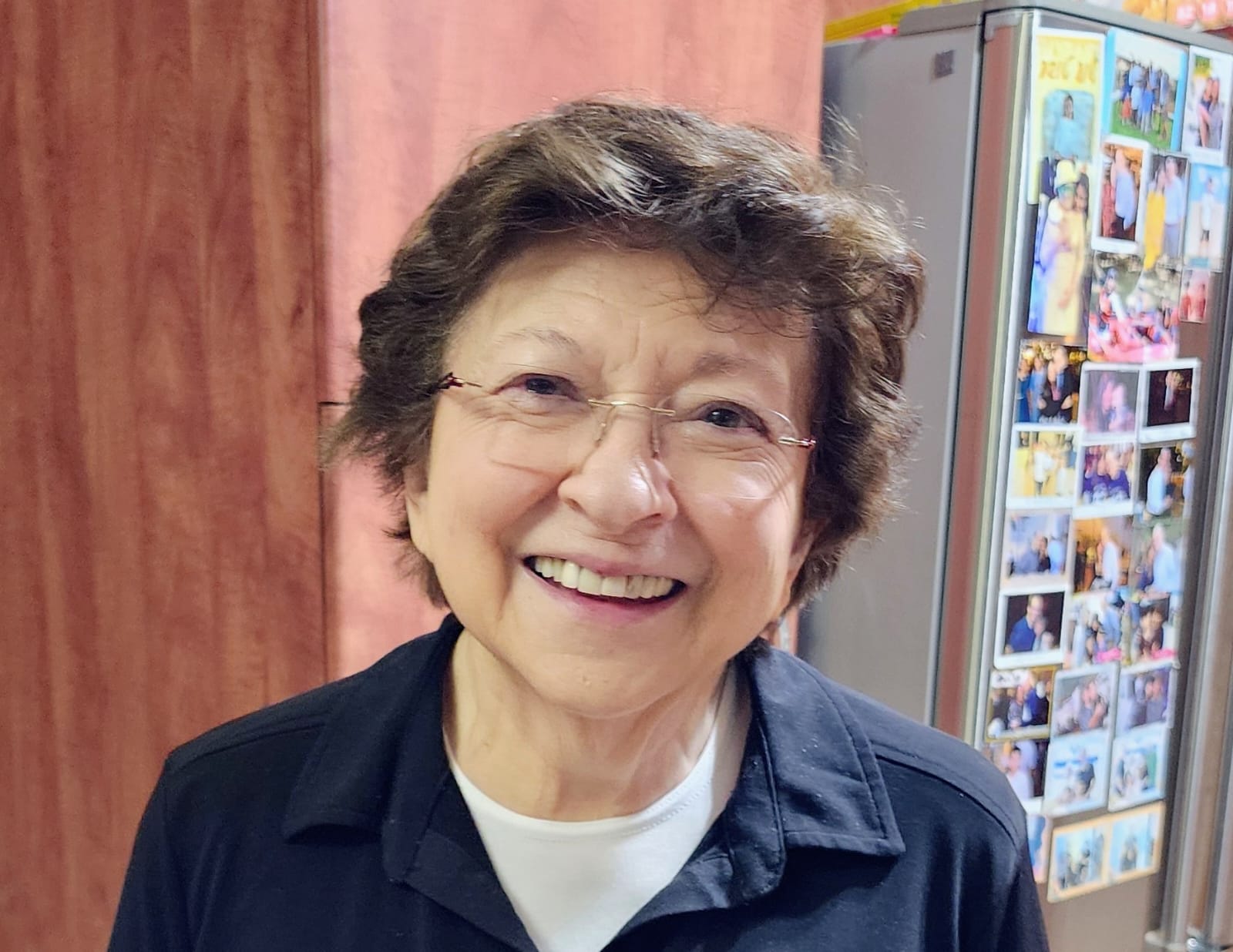
Zeitchik spoke with The Times of Israel over a video call on the eve of Yom HaShoah, Israel’s Holocaust Remembrance Day, which began on Monday night. To mark the day, she planned to gather with her Israel-based grandchildren for the first time to share her experience during those dark years.
After leaving Lubieszow, the Falchuks kept moving deeper into Russian territory, eventually reaching the Uzbek Soviet Socialist Republic.
“The Nazis kept coming behind us, so we wandered for quite a while, until we got to Uzbekistan,” Zeitchik said.
In Uzbekistan, the family was no longer targeted as Jews but still had to grapple with the challenges of life in the Soviet Union at the time, which meant extreme hunger and disease.
“The locals knew how to manage and find food, but for refugees like us, there was very little,” Zeitchik said. “My mother and her sister would take turns standing in line all night for bread. Often, by the time it was their turn, there was nothing left.”
Zeitchik remembers how one time her mother managed to find a little flour, kneading it into a square piece of dough. She then used a fork to make holes in it.
“She baked it and then told me that it was matzah, because it was Passover,” she said.
Zeitchik recalled how people “died left and right, of starvation but also of malaria and typhus.”
Still, her family managed to find ways to survive. Zeitchik’s resourceful young aunt presented herself as the widow of a soldier to the local authorities, found a job at the train station, and claimed Penina as her daughter, so they would be entitled to a little more food (meanwhile, her mother had another baby).
When the war was over, the Soviets gave refugees from Poland and other countries permission to go home.
But in Lubieszow, nothing was left standing.
During the war, a ghetto had been established in the town, housing some 2,000 Jews from Lubieszow and nearby villages.
In 1942, all but some 300 of the ghetto’s inhabitants were shot and killed, and later that year the rest of the ghetto was liquidated. According to the US Holocaust Memorial Museum, citing a community memorial book, only about 10 Jews who had been in the ghetto survived.
Zeitchik and her parents never found out how her grandmother, her father’s brother, and his family died.
“The city was completely gone. There was nothing for us to remain there, so we kept going,” she said.
This time the Falchuks went west, traveling through Poland, and then crossing into Germany with the assistance of young volunteers who had come from Mandatory Palestine to help survivors in Europe.
The family spent two years in a Displaced Persons camp in the American zone of occupied Berlin and two more in another camp near Munich.
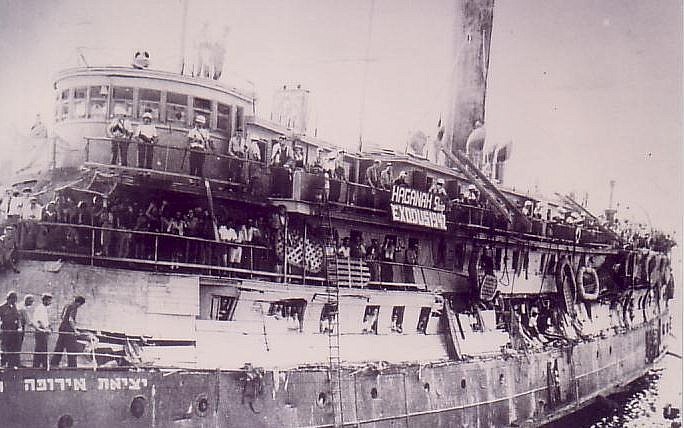
While in Germany, the Falchuks hoped to move to what would soon be Israel by joining the thousands immigrating illegally to British-run Palestine.
“We would have ended up on the Exodus, but my sister was so young that they did not allow us to go,” she said, mentioning the famous ship carrying thousands of Holocaust survivors that the British blocked from disembarking, sending the mass of refugees back to Europe.
After Israel was established, a letter from a relative who was already living there convinced the family to change their plans.
“He wrote that he believed my father was too delicate for life in Israel and it would not be the right place for us,” Zeitchik said.
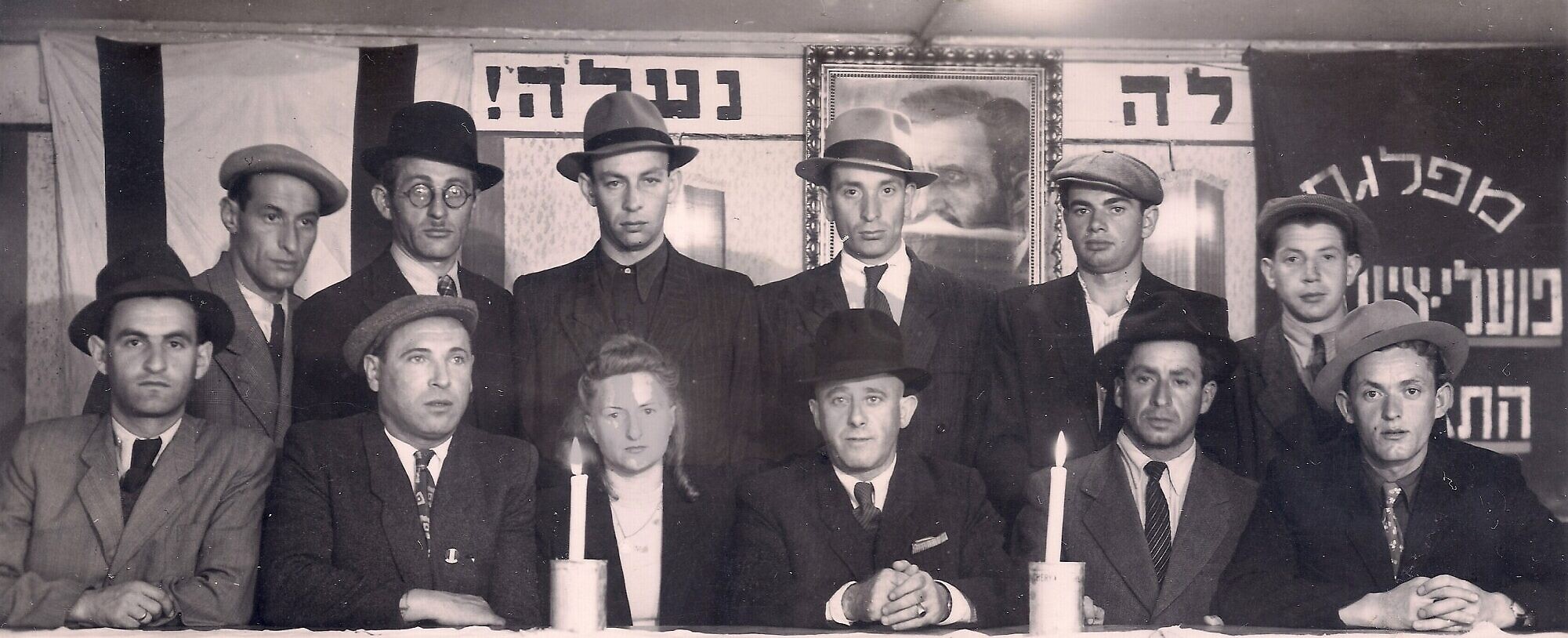
At that point, she had already learned Hebrew and a lot about Zionism, thanks to the teachings of young emissaries from Israel who were dispatched to DP camps to help survivors and teach children.
“I remember one time I was talking to my best friend Rachel and asked her if she was going to come to Palestine with me, and she answered that she needed to ask her mother for permission,” Zeitchik said. “I told her that in this case, I did not want to play with her anymore.”
In 1951, the Falchuks moved to New York. Zeitchik quickly learned English, and went on to graduate from high school and college, becoming a teacher, getting married, and having children.
For decades, she taught Judaic studies in fourth and fifth grades at Brooklyn’s iconic Yeshivah of Flatbush, a Modern Orthodox day school.
All the while, she never gave up on the dream of eventually moving to Israel.
After retiring in 2008, Zeitchik and her husband began to think about immigrating. But he fell ill soon after and experienced severe cognitive decline. Moving would be impossible, they decided.
“My husband passed a year ago, and I just decided that it was time,” Zeitchik said.

Since realizing her dream — made possible through the assistance of Nefesh B’Nefesh, in cooperation with the Ministry of Aliyah and Integration, The Jewish Agency for Israel, Keren Kayemeth LeIsrael, and Jewish National Fund–USA — she has been living with her son in Hashmonaim, a West Bank settlement near the central Israeli city of Modiin.
Much of her time in Israel thus far has been spent in bomb shelters due to the war with Iran, which erupted 10 days after she arrived. But the survivor is unfazed.
“I’m here with children, grandchildren, great-grandchildren, and I’m very excited,” Zeitchik said. “I did not like to be woken up by sirens, but everything was okay.”
Ahead of her first Holocaust Remembrance Day as an Israeli citizen, Zeitchik recalled her mother’s older brother, Shaya, who also survived the war, including by joining the Partisans fighting from forest hideouts.
“Before that, he was in a ghetto,” she recounted. “When the Nazis separated families, and sent his wife and two children in one direction, and him in another direction with the other men, the last words she told him were ‘Shayale, nekama,’ revenge.”
Her uncle “did what he had to do” when he and other fighters encountered Germans, she said. But Zeitchik also sees a form of vengeance in the resilience of her family and the country she now calls home.
“When I come here, and I look around, and I see my family, and I see this country, I say to myself, isn’t this the greatest revenge that we could ever have taken,” she continued. “This is our own victory, this is the revenge.”






The Times of Israel Community.