

Pluralism group lobbies for democracy in choosing a rabbi
Ne’emanei Torah Va’Avodah says elections for municipal spiritual leaders would make post more relevant and reflective of population
 Add ToI as a Preferred Source on Google
Melanie Lidman is an AP reporter and former Times of Israel reporter
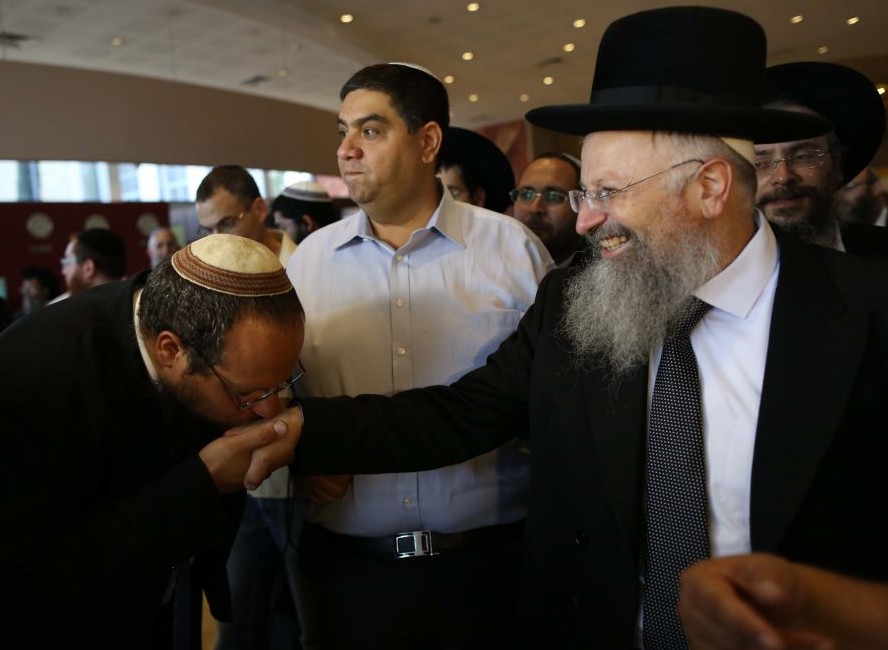
In Israel, you can elect your mayor, you can elect your city representatives, and you can elect the political party of your choice in the Knesset.
Now, one group is working to change the laws so you can elect your local rabbi.
Each municipality across the country has a rabbinic leader who is appointed by committee. The municipal rabbi can be a figurehead, or can take an active role dealing with the town’s religious issues.
But Ne’emanei Torah Va’Avoda, a modern Orthodox organization promoting pluralism, contends that the committee approval process fills the ranks of the rabbinate with politically connected rabbis who are not good at connecting with the community. Some organizations such as Hiddush, a nonprofit that advocates for religious freedom in Israel, and politicians who support the separation of religion and state such as MK Nitzan Horowitz (Meretz), have called for abolishing the post of municipality rabbis altogether, arguing that the position is outdated and salaries too expensive. Ne’emanei Torah Va’Avoda, in contrast, believes that municipal rabbis and chief rabbis can fulfill an important spiritual leadership position for the larger community of Israel, both religious and secular.
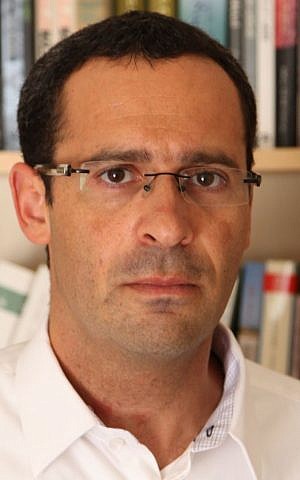
“The idea of a chief rabbi was established 90 years ago by Rabbi [Abraham Itzhak] Kook [the first chief rabbi of pre-state Israel], with the aim to bring people closer to the ideas of Judaism, but today it doesn’t work,” said Dr. Shuki Friedman, who is the director of the Religion and State department at Ne’emanei Torah Va’Avoda and is spearheading the campaign to reform the municipal and chief rabbi approval process.
‘It could be a female rabbi or Reform female rabbi if that’s what people want’
“The way to do it is to let people elect their rabbis directly and democratically,” said Friedman. Friedman is also a professor of international and religious law at Bar Ilan University. “So the rabbis at the end serving the community will be someone who was chosen by the community, and has the ability to talk to the community. It could be a female rabbi or reform female rabbi if that’s what people want.”
Today, the two chief rabbis of Israel, one Ashkenazi and one Sephardi, are chosen by a council of 14 senior rabbis who are all ultra-Orthodox. Municipal rabbis are also chosen by committee, which is usually composed of the mayor, city council representatives, and senior rabbis from the community. But the make-up of these committees is contentious.
In Jerusalem, disagreements over who would serve on the committee to choose the two chief rabbis (towns of over 22,000 residents are allowed to have two chief rabbis, one Ashkenazi and one Sephardi) left the capital without a chief rabbi for more than a decade. Ne’emanei Torah Va’Avoda filed a petition with the High Court of Justice to ensure that the committee was not made up of entirely Haredi members. After a year of legal wrangling, the approval committee will have 48 members — 24 representatives from the Jerusalem Municipal Council, delegates from 12 city synagogues and 12 representatives chosen by the religious services minister, Naftali Bennett. Jerusalem Mayor Nir Barkat set the committee vote for October 21. Haredi members of the city council have filed a counter-petition opposing the new electoral committee.
Friedman said the organization was pleased they had a positive influence on the Jerusalem committee, but that the final goal is for full democratic elections. “This is a political process – the [committee members] feel pressure from here and from there, at the end the interest being served is not the interests of people in the city but interests of municipal or state politicians who have the ability to push them to the right direction,” said Friedman.
“Politicians, when they’re choosing a rabbi, don’t think about community, they don’t think about how the rabbi will serve and how the rabbi will be able to approach the community. They think about how their political interests will be served this way, and the result is many rabbis are not serving communities as they should.”
“In many cases, these rabbis don’t have good communication and leadership abilities and the qualifications,” Friedman continued “They are not becoming a leader, they’re becoming a good clerk for the chief rabbinate.” He added that a democratic process would ensure that candidates had charisma and leadership abilities.
Ne’emanei Torah Va’Avoda is taking a two-pronged approach to turning the rabbinic selection process into a democratic one. First, the group is introducing a bill in the upcoming winter session of the Knesset, which begins on October 27, that would legislate democratic elections for municipal rabbis. Friedman said the bill has the support of Eli Ben-Dahan, the Religious Services Ministry’s deputy minister who has full responsibility for the portfolio, as well as MKs Aliza Lavie (Yesh Atid), Elazar Stern (Hatnua), Shimon Ohayon (Yisrael Beyteinu), Isaac Herzog (Labor), and some members of the Jewish Home faction who are not yet ready to go public. They also have support from other religious pluralism groups like Tzohar, Beit Hillel, and ITIM.

Friedman will also file a petition with the High Court of Justice to institute term limits for municipal rabbis. Currently there are no specified term lengths or retirement ages, so rabbis who are too old to serve still receiving a hefty salary while not freeing up the position for younger, more dynamic rabbis.
In cities with even a small Haredi population, the democratic elections for municipal rabbi will not likely change anything, since the Haredi community is much more organized and united in their votes, while the national religious and secular residents may not vote or care about their city rabbi.
In places like Kiryat Tivon and Nahariya, the municipal rabbis will begin to look more like the communities they serve
But Friedman contends that the places the democratic elections will have the most influence is in cities where there is no Haredi community, but today still have a Haredi municipal rabbi. In places like Kiryat Tivon and Nahariya, the municipal rabbis will begin to look more like the communities they serve, he said.
Some places, like religious kibbutzim, already hold democratic elections for their rabbis. But previously, the election results still had to be approved by the same kind of election committee. The democratic election process would eliminate this step. The kibbutzim of Ein Tzurim and Kfar Maimon are set to elect municipal rabbis this year and will test out the democratic process on a grassroots level, said Friedman.
As the process matures, Friedman hopes that the face of Israel’s municipal rabbis will gradually shift to become less overwhelmingly Haredi and more relevant for the communities. Eventually, he hopes that the country’s two chief rabbis will be elected not by a closed-door committee of 14, but rather by all of the municipal rabbis in the country, making the process for choosing a chief rabbi much more fair and transparent.
“Today, the chief rabbinate and municipal rabbis are not really fruitful, they’re not effective,” said Friedman. “I think what will happen if the reform is successful is the rabbi [position] will become a different thing. He will be a religious leader who can address all people who want to talk to him. It will bring the chief rabbinate back to Israeli people.”








The Times of Israel Community.