

The sole Jewish-Japanese family in American WWII internment camps faced antisemitism
New book delves into how, fearing a fifth column following Pearl Harbor, the Roosevelt government incarcerated 120,000 on the West Coast, two-thirds of them US citizens, up to four years
 Add ToI as a Preferred Source on Google
Renee Ghert-Zand is the health reporter and a feature writer for The Times of Israel.
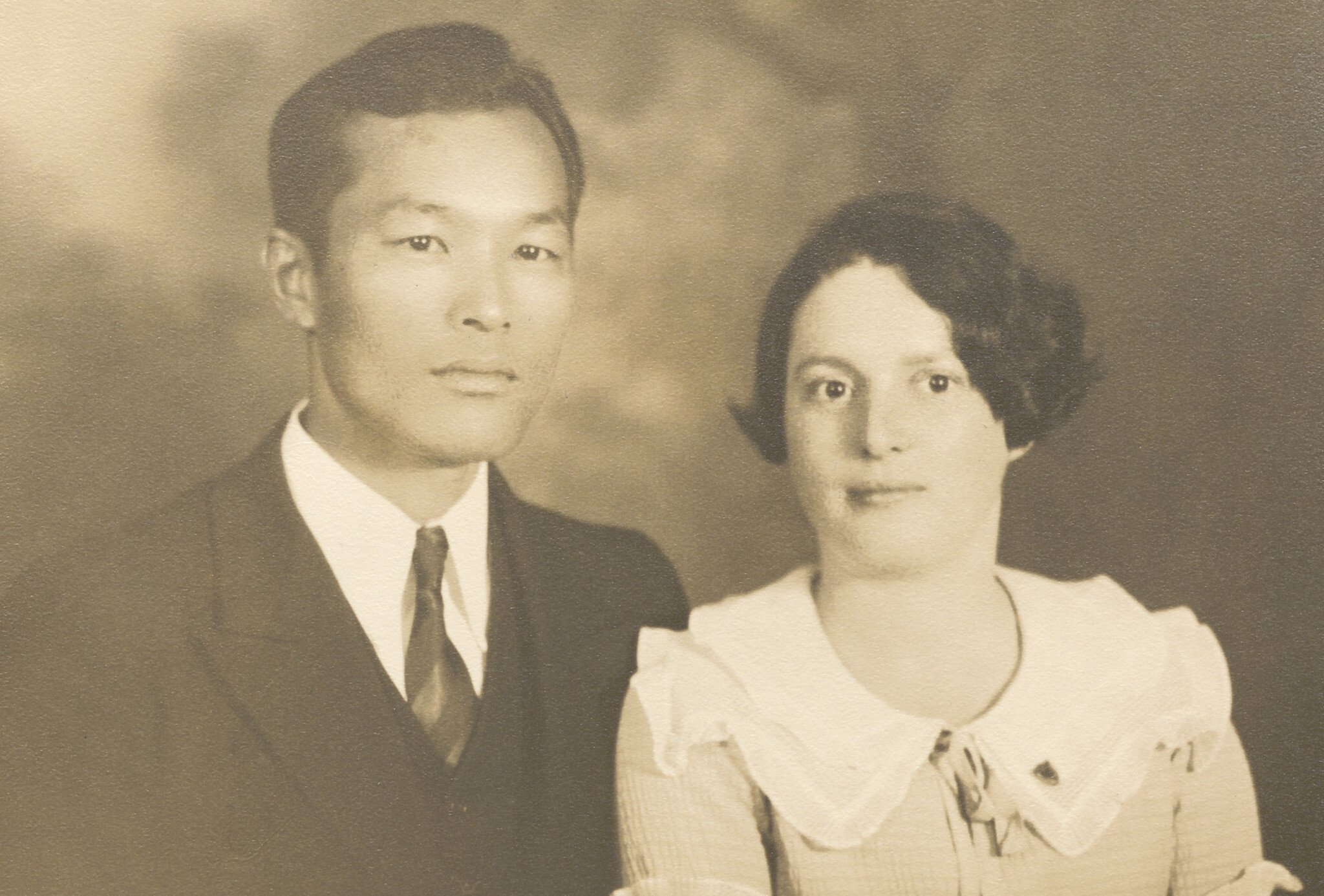
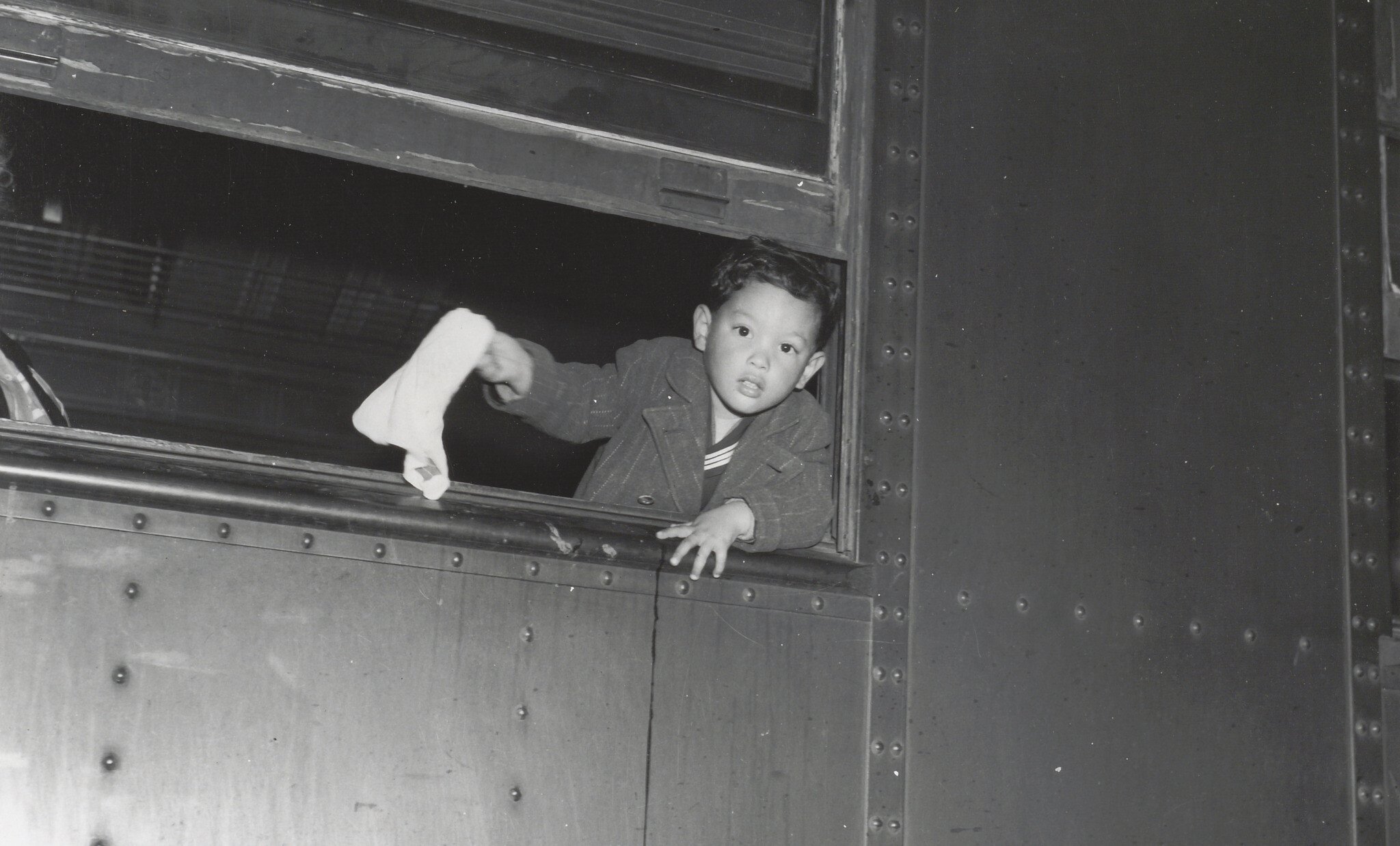
On March 29, 1942, Elaine Buchman Yoneda faced an excruciatingly fateful decision: She had received an order to bring her three-year-old son Tommy the following day to an assembly point in Los Angeles for registration and removal to an internment camp.
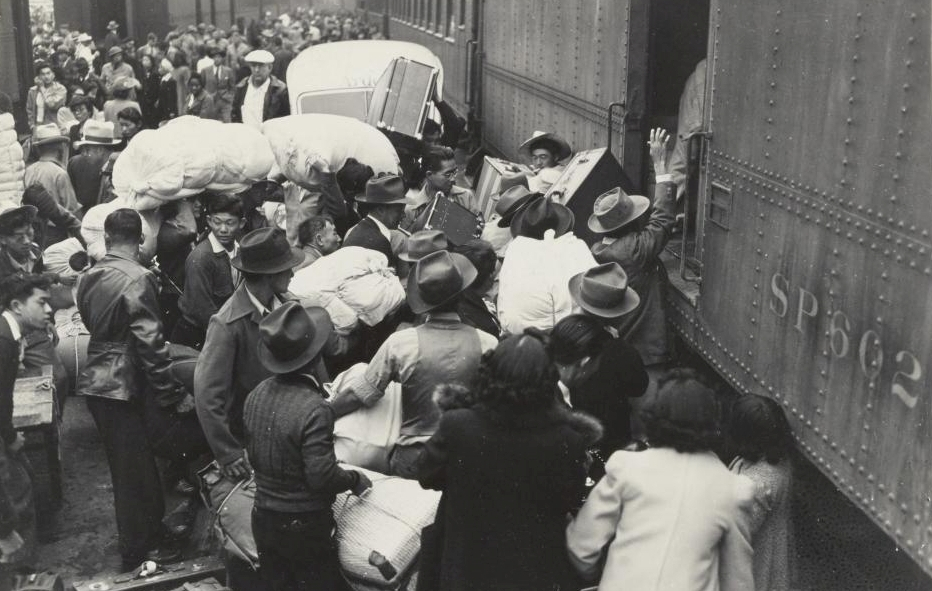
In the months following the Japanese attack on Pearl Harbor in December 1941, the US government ordered its military to round up and incarcerate all people of Japanese descent on the West Coast. It didn’t matter that Tommy was just a toddler — or that his mother was white and Jewish. Anyone, from babies to nonagenarians, with even one drop of Japanese blood was considered a national security threat.
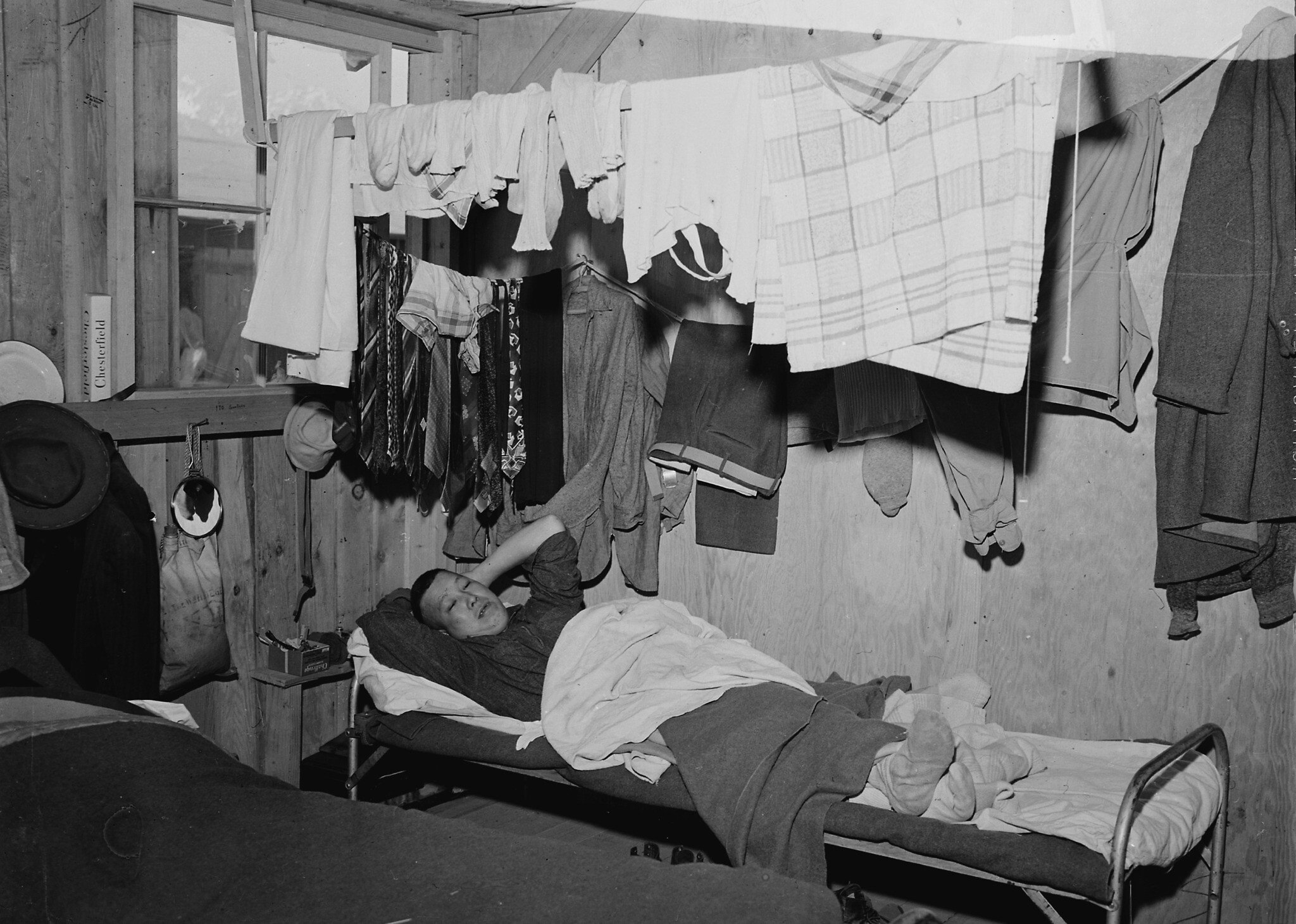
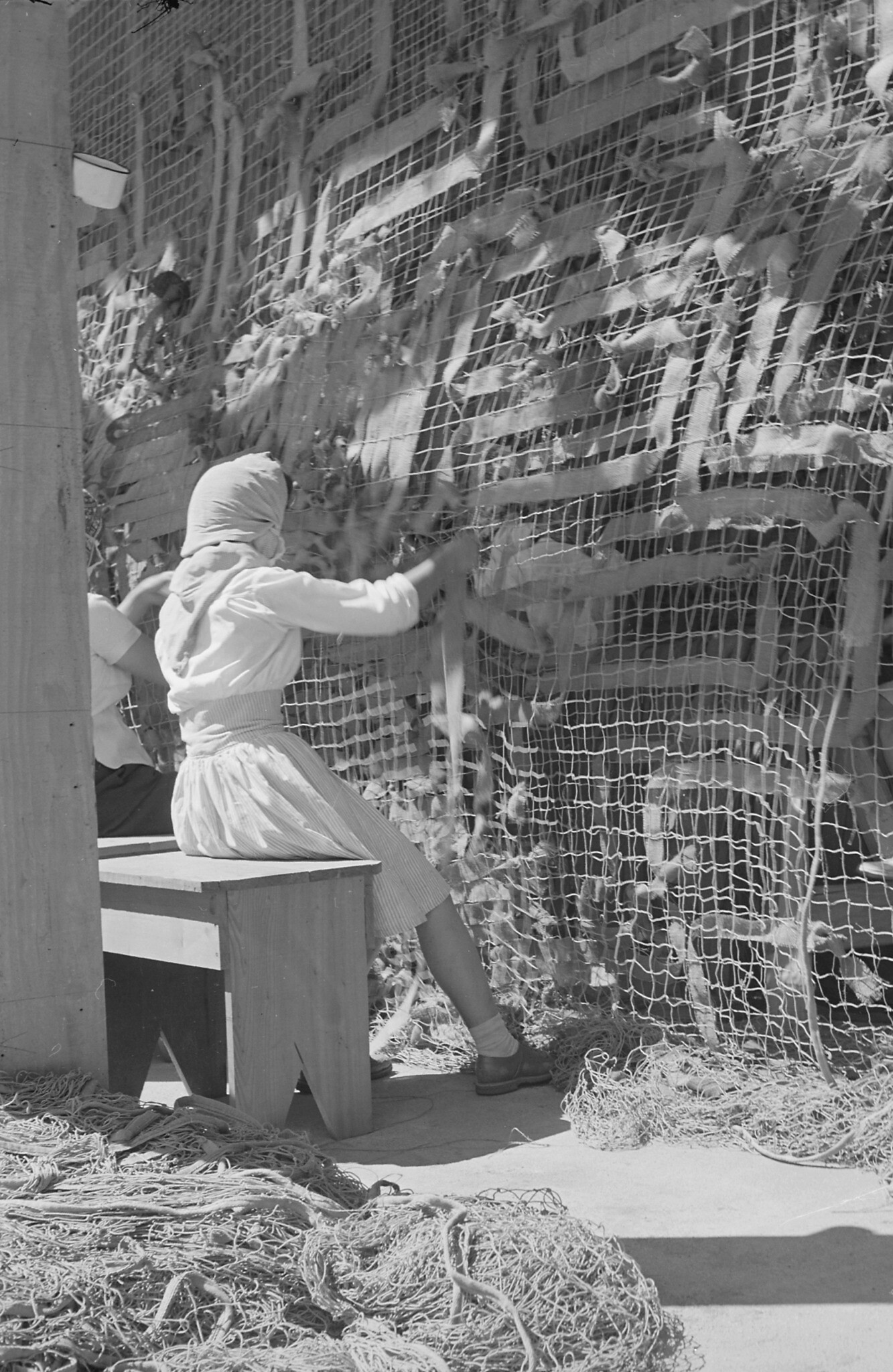
In all, some 120,000 people, two-thirds of them US citizens, were removed from their homes and held at 10 camps surrounded by wire fences and patrolled by armed soldiers between February 1942 and March 1946.
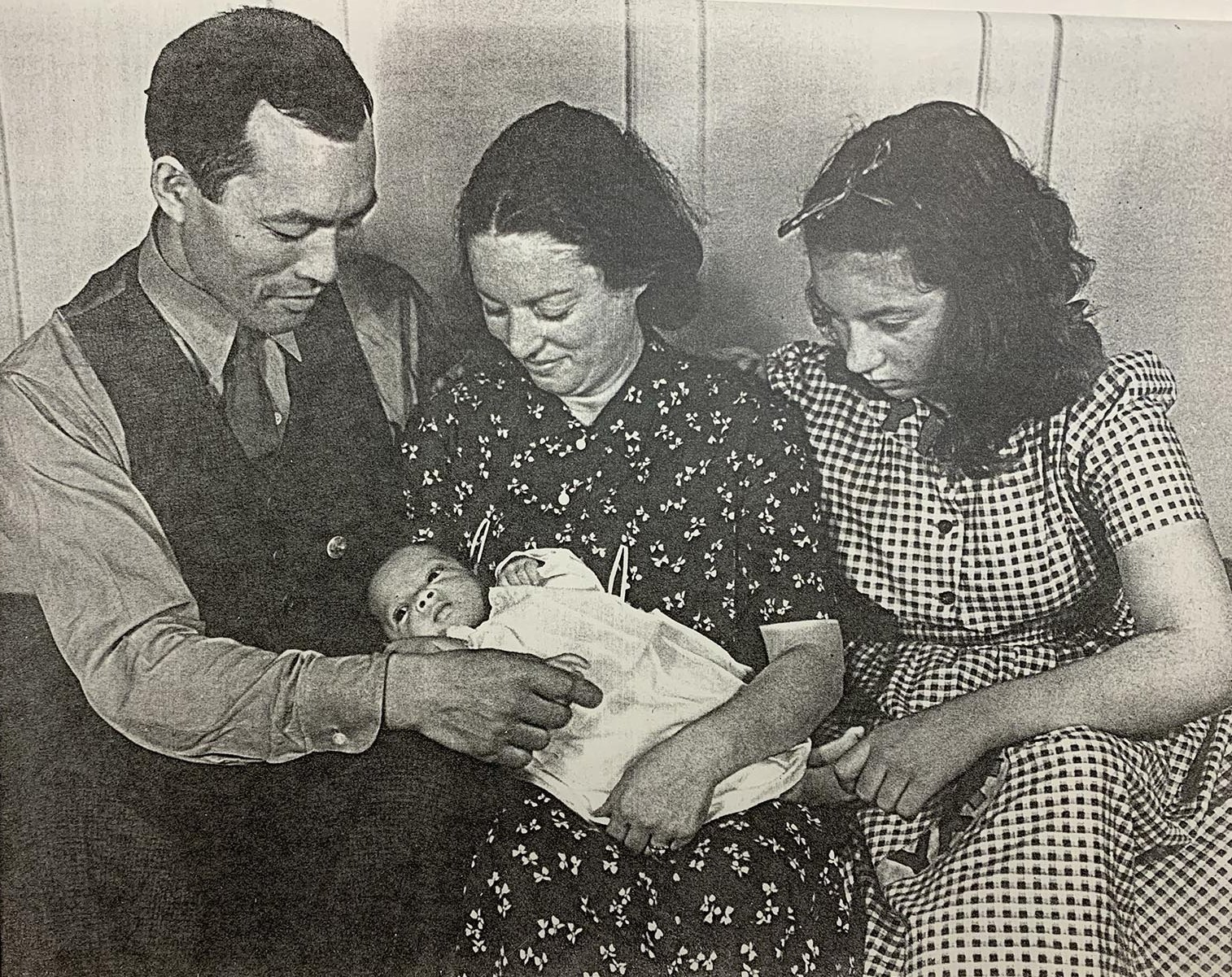
Elaine and her Japanese-American husband, Karl Yoneda, were seasoned labor leaders and fighters for social justice. Yet, this time Yoneda lost her argument against the authorities that sickly Tommy should stay home with her, her Russian-Jewish immigrant parents, and her 14-year-old daughter from a previous marriage.
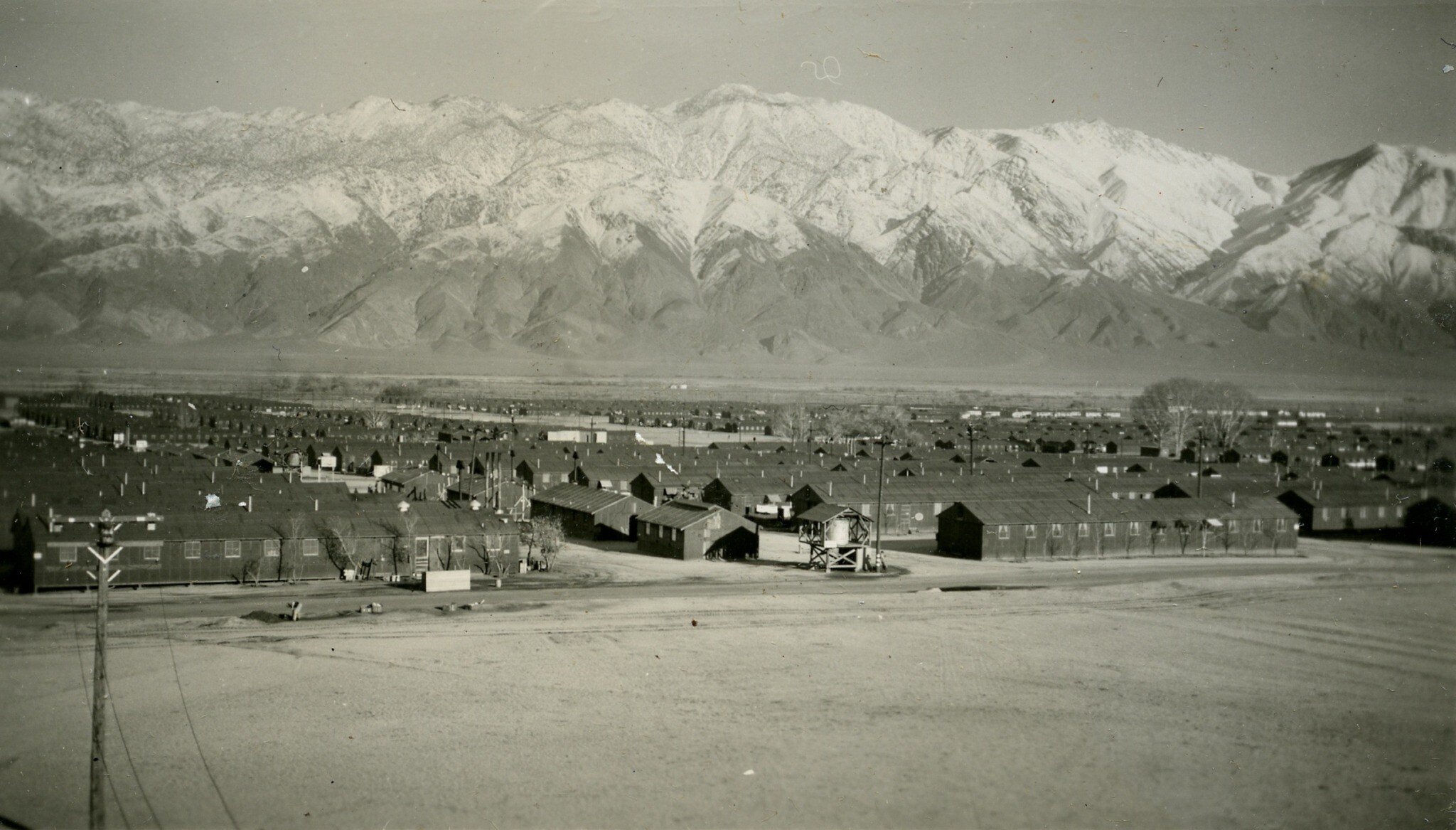
Anticipating the order to intern his son, Karl Yoneda had gone ahead to help build the Manzanar camp in a remote, barely inhabitable area at the foot of the Sierra Nevada Mountains. He had been told that volunteering to do so would delay his family’s deportation. This would unfold to be a lie.
Elaine knew her husband planned to do everything possible to obtain special permission to leave the camp and enlist in the US military, which would leave Tommy parentless in the camp. So, she saw no choice but to forgo her freedom, leave her daughter behind, and insist on being sent to Manzanar with her son on April 1, 1942.
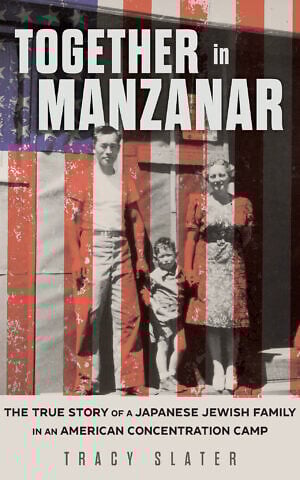
The fascinating story of the Yonedas’ traumatic and life-altering eight-month experience in Manzanar, along with its historical and political context, is the subject of a new book, “Together in Manzanar: The True Story of a Japanese Jewish Family in an American Concentration Camp,” by Tracy Slater.
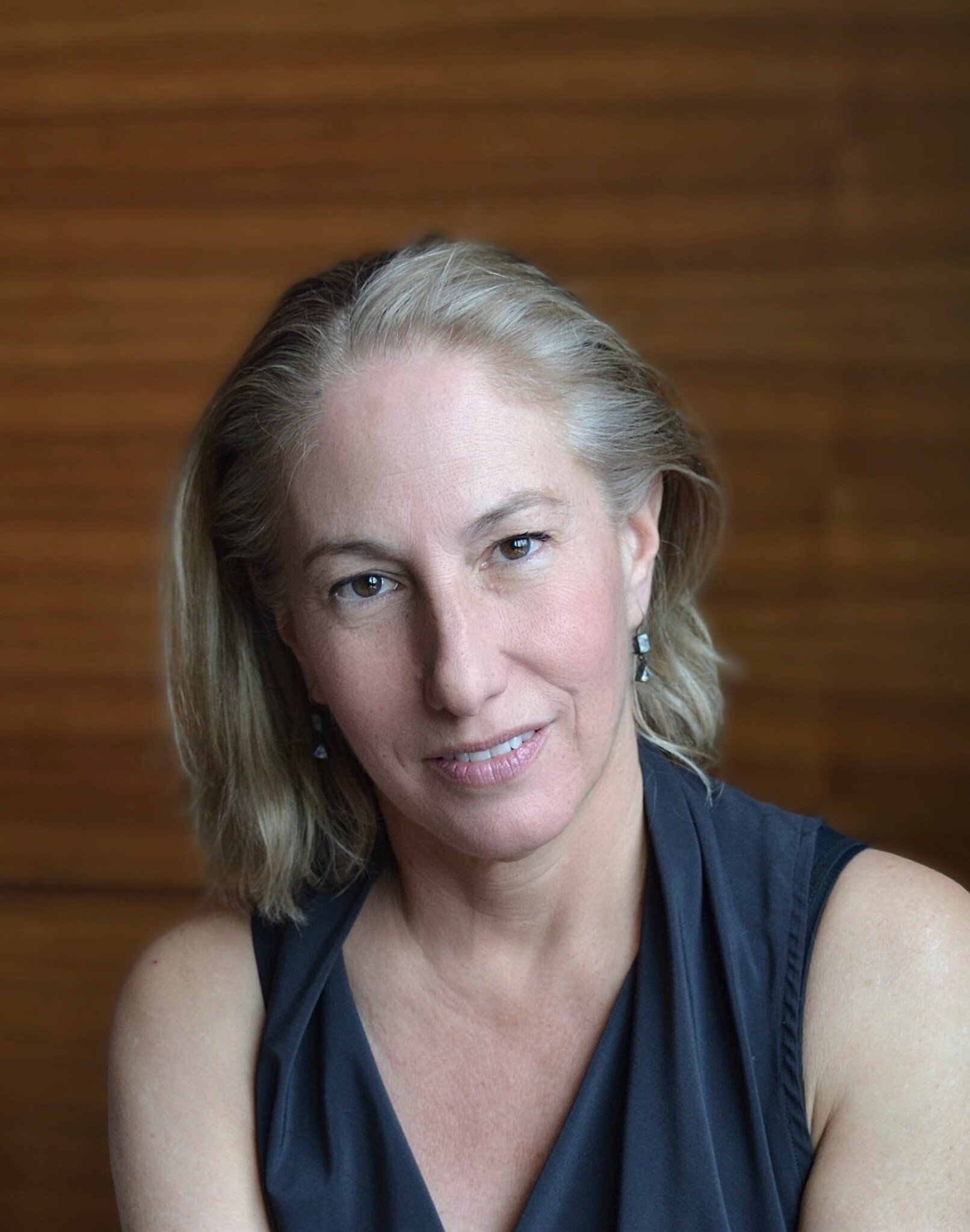
“I was inspired to write this book after initial research revealed that, while a fair amount had been published about the Yonedas’s roles in leftist activism, there was little mention of their time at Manzanar. So I knew that if I wanted to know that story, I’d have to uncover it myself,” said Slater, who is herself a Jewish American woman married to a Japanese man.
“Also, the story of the mixed-race families who were swept up in the forced removal and incarceration of the West Coast Japanese American community is virtually untold, outside of a couple of pieces of scholarship. I wanted to learn more about this. Historians estimate that 2,100 mixed-race family members were incarcerated, and there were untold thousands of other people who had no Japanese descent, but who were in mixed-race families, who were separated from their family members, like the Yonedas’s daughter,” she said.
Slater worked on “Together in Manzanar” for five years, during which time she discovered that the Yonedas were the only Jewish-Japanese couple incarcerated in the camps.
The following interview with Slater was edited for length and clarity.
There is some discrepancy and confusion regarding the nomenclature used for Manzanar and other such camps. Can you shed light on that?
The camps for the Japanese Americans were not the same as the camps [established by the Nazis] in Europe. I talk in the book about how the camps for the Japanese Americans were concentration camps, and the camps for the Jews in Europe were slave labor and extermination camps. However, the term that most people use, even historians and well-meaning people in the broader American community, is internment camp. But in fact, internment is a legal term for the incarceration of foreigners during wartime, so these camps, by and large, weren’t even internment camps because two-thirds of the people incarcerated in them were American citizens. These Americans were removed from their homes and imprisoned in these camps just because of their ancestry.
Before the war, Karl and Elaine Yoneda were labor activists, joined the Communist party, and fought for civil and human rights. Why did they support the US government’s forced removal and incarceration of Japanese Americans?
Elaine struggled with it, but her views were very much in line with both the Jewish American community and the leftist community at the time. The Yonedas were very prominent leftists, and there was a powerful overt message that the primary fight had to be the fight against Hitler and the Axis, and everything else had to take a backseat to that. If you were to protest what the US was doing to its own citizens in terms of the forced movement and incarceration of the Japanese American community, and if you were to call them concentration camps and shine a light on it, you would be hurting the American war effort against the Axis. I think Elaine and Karl wholeheartedly believed that the only way to defeat the Axis was not to cause any trouble. Hitler and his allies were winning the war at that point, and the Yonedas were really terrified of an Axis victory, and what it would mean for the world, and especially a family like theirs.
Elaine experienced antisemitism at Manzanar. Did the animosity that so many of the other inmates expressed toward her surprise you?
It was really fascinating to me to uncover the antisemitism in the camps. There was a real antisemitism, particularly among the older generation who had grown up in Japan, and there was a lot of antisemitism in Japan at that time. But I sensed that Elaine, Tommy, and Karl received much more backlash as a family for their outspoken leftist opinions than for being a mixed family.
You show in your book that there were many differences among the people in the camps. Some of these differences even led to violence.
There was an incredible mix of people who were thrown together in these camps. There was a diverse mix of people in terms of ideology, economics, politics, generation, and ethnicity. That’s important for us to remember, because the lie upon which the forced removal and the camps were built was that the Japanese community was homogeneous. It didn’t matter what people’s immigration status was. If they had any Japanese blood at all, they were biologically a threat, and they were viewed as nothing more than one homogeneous block of danger, rather than unique individuals. There was an inability to see that and admit that it was a huge driving factor behind incarceration.
What do you admire about Elaine and Karl?
I admire their incredible bond. At base, this is a love story. This is a story of a couple who found a way to be passionately connected to each other through incredible moments of upheaval in the nation’s history and within their own family. They also never lost their passionate connection to their convictions. Everything had been taken away from them (though they were more fortunate than others in that they still had relatives on Elaine’s side on the outside), but they did not let go of the fight that was in their souls. They would continue their anti-Fascism fight and struggle for what they thought was the greatest good.
What resonance do you think the history shared in this book has for today?
The story of the Yonedas is about an American family caught up in the maelstrom of what was happening in the United States at a significant inflection point. I think we’re at another inflection point where we’re really questioning the nature of American democracy. It also seems that there are many false narratives about who and what is dangerous among us, and those narratives are being used to serve certain purposes and people in power.
An important point to remember is that what happened to the Japanese American West Coast community during the war started out as a discussion about immigrants and turned into the incarceration of 80,000- 90,000 US-born citizens. We can also see a parallel in the stripping of civil rights and protections from entire categories of Americans today, such as transgender people.
Together in Manzanar: The True Story of a Japanese Jewish Family in an American Concentration Camp by Tracy Slater
This article contains affiliate links. If you use these links to make a purchase, The Times of Israel may earn a commission at no additional cost to you.






The Times of Israel Community.