

This 3rd-generation Jewish family-run Bronx grocery has slung prosciutto since 1915
Opened by immigrant brothers who ditched the rag trade, Teitel Brothers is a beloved institution on a historic stretch of Arthur Ave. lined with Italian delis, bakeries and cafes
 Add ToI as a Preferred Source on Google
Reporter at The Times of Israel
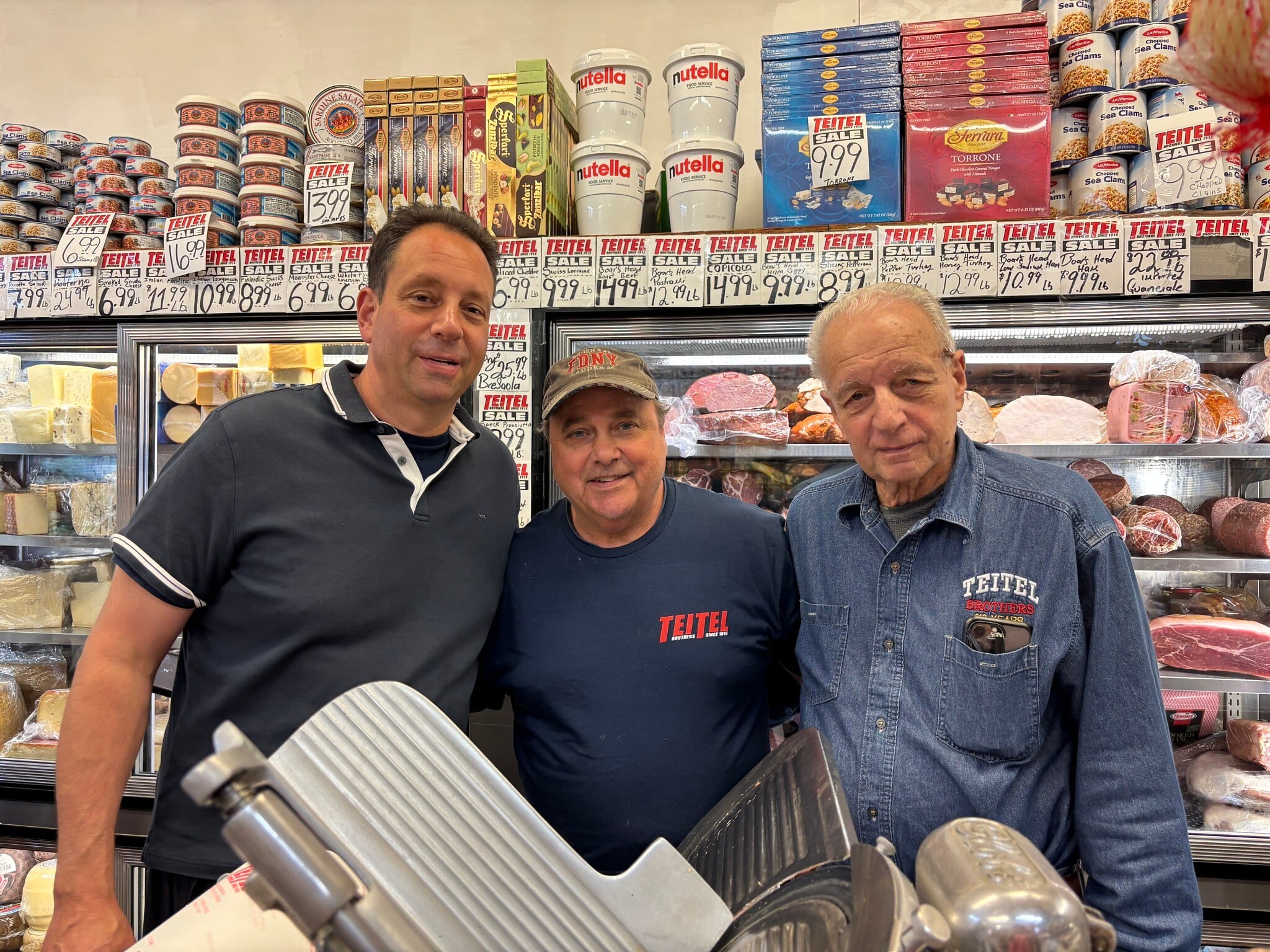
NEW YORK — But for the Star of David mosaic and the mezuzah in the entrance, there’s little to suggest that the same Jewish family has run the Teitel Brothers grocery store for over a century.
Located on Arthur Avenue and East 186th Street in the Bronx, Teitel Brothers is the oldest continuously run business in the neighborhood and the last surviving Jewish-run store. Here, customers can buy prosciutto and parmigiano every day of the year, save for Rosh Hashanah and Yom Kippur.
The corner shop, still in operation in the heart of the Bronx’s Little Italy after Jacob and Morris Teitel first opened its doors 110 years ago, tells the story of American Jewish immigrants, tenacity and persistence, assimilation and adaptation.
“They found Arthur Avenue — or Arthur Avenue found them,” said Jacob’s son, 86-year-old Gilbert Teitel, who today runs the business with his own three sons, Jean, Michael, and Eddie, along with Billy Fassbender, Eddie’s childhood friend.
Jacob and Morris left Tarnobrzeg (formerly of the Austrian Empire, now Poland) for the United States in 1912. Like many Eastern European Jews who left around that time, the brothers were motivated by dimming economic opportunities, virulent antisemitism, and the desire to join other loved ones who had already crossed the ocean.
Upon arrival, the brothers, who had worked as tailors, settled in the Lower East Side.
Yet, rather than join the scores of Jewish immigrants working in the garment district, they decided to try their luck and open an Italian grocery in the Belmont section of the Bronx.
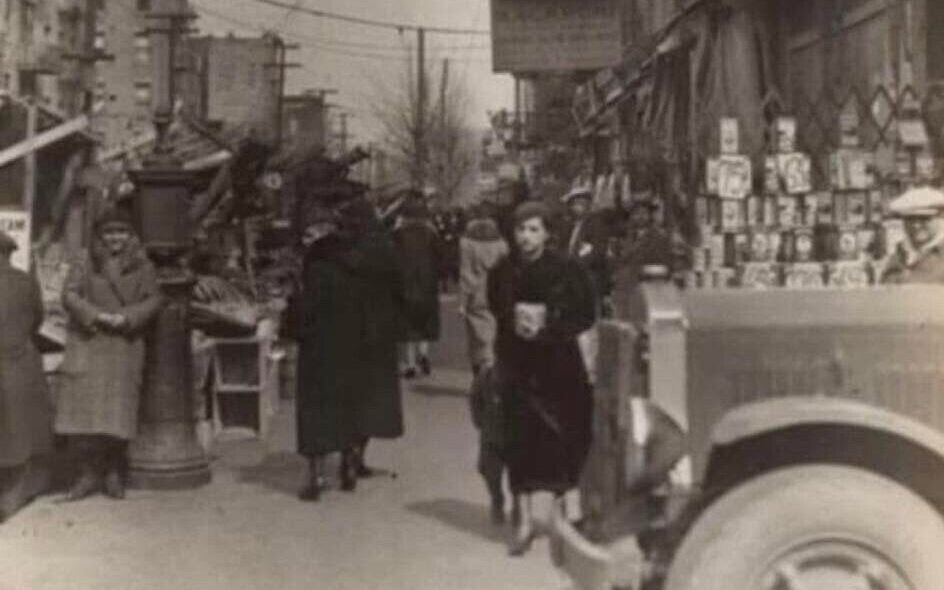
At the time, Belmont was already home to thousands of Italian immigrants, and Italian food had grown in popularity.
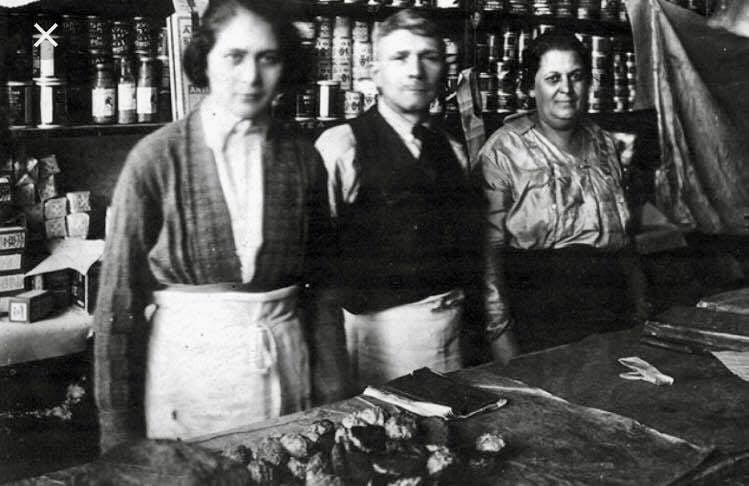
“They spoke Yiddish when they came and learned Italian before they spoke English,” Gilbert said of his father, Jacob, and uncle, Morris.
If the brothers thought life working as cutters in a shirtwaist factory would be tough, life as grocery store owners in the pre-refrigeration era was tougher.
“They worked six-and-a-half days a week from 8:00 a.m. to 8:00 p.m. On Fridays, they worked until one in the morning,” Gilbert said, adding that they were only closed on Sundays.
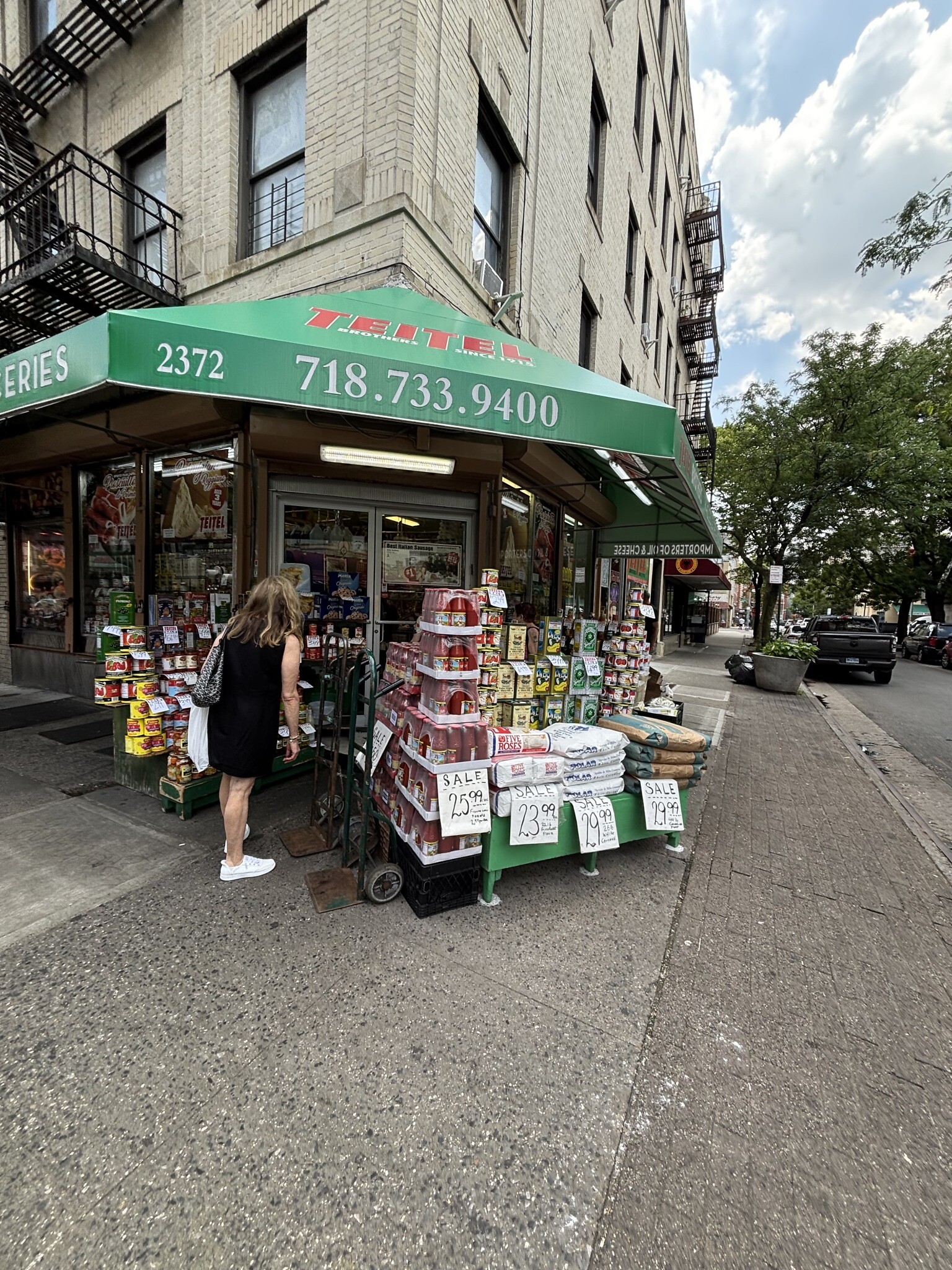
Their tenacity paid off, and the 900-square-foot store was soon bustling. It has been that way ever since.
On a 90-degree day early this summer, a steady stream of customers filed in and out of the store, which is jam-packed with boxes of pasta and cans of beans, sardines, and other sundries.
Shelves are stocked with bottles of balsamic vinegar and tins of olive oil, some of which are named for members of the Teitel family. Dom Luigi, said Gilbert, is for his older brother Louis, and EDDA is for Eddie, one of his three sons.
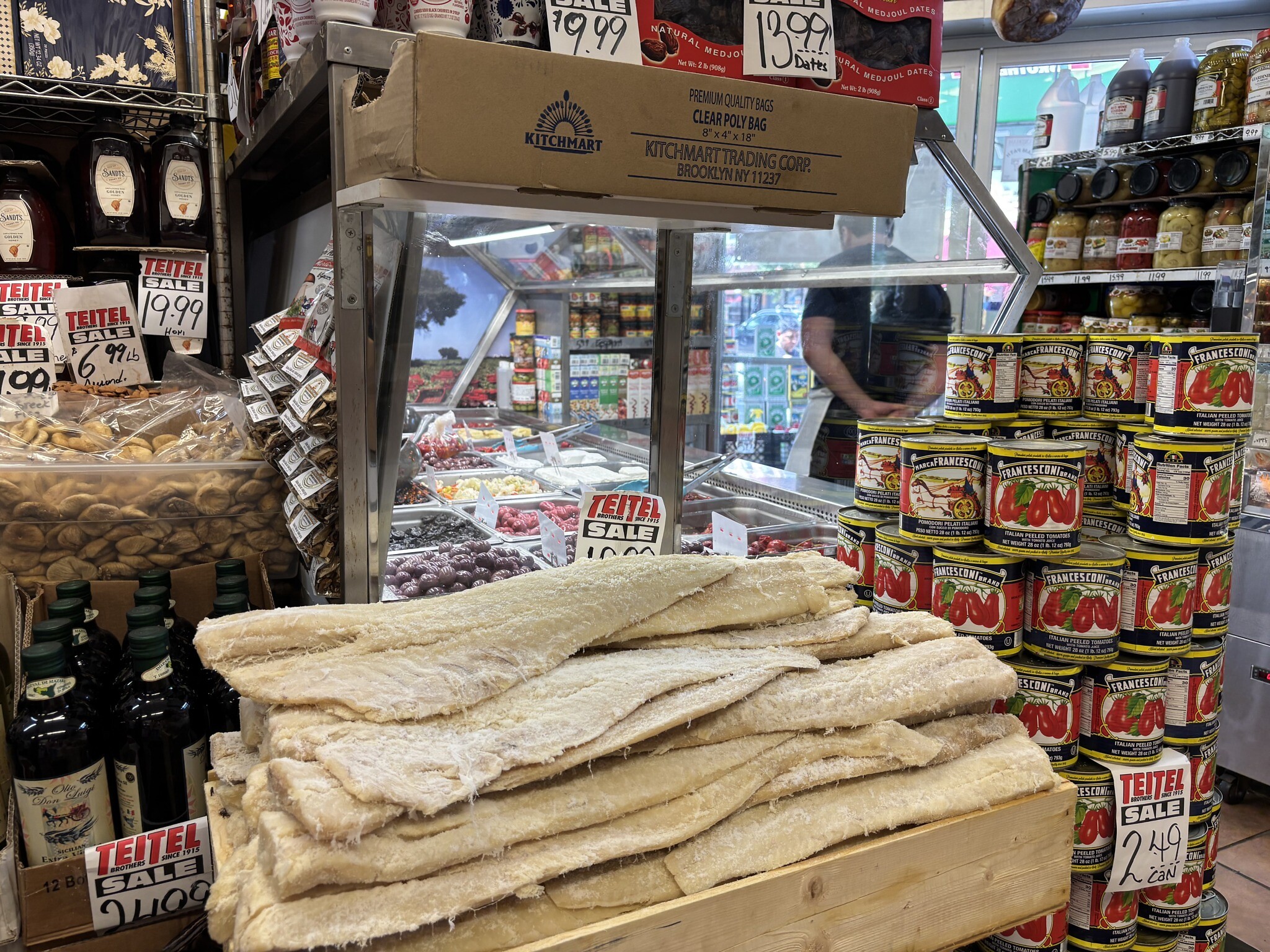
People examined jars of glistening olives — black, green, purple. Nearby sat a carton of snow white baccalà, or salted cod.
Scores of sausages and salamis hang from the shop’s ceiling. Behind the deli counter, an employee operated the meat cutter; thin slices of ham quickly piled up on wax paper.
Resting a foot on a carton, Gilbert recounted growing up in the apartment above the store.
“I still can’t imagine how five people lived in three rooms,” he said, recounting how his father read the Yiddish newspaper, “The Forverts,” and his mother washed the floors before each Shabbat.
Although the Teitels kept a kosher home and attended synagogue on the High Holy Days after arriving in the US, they quickly shed anything that announced their Orthodox Jewish roots — whether it was their long beards or refraining from work on Shabbat.
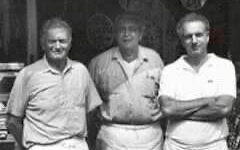
“We were kosher in the home, but never out. We lit the candles [on Friday nights]. I still go to shul on the high holidays and light the candles. Some things rubbed off on me,” Gilbert said.
For the first few decades, the Teitel brothers’ religion caused no outright consternation among the store’s regulars.
But with the ascension of fascism in Europe under Mussolini and Hitler, coupled with rising antisemitism in the US encouraged by the likes of Charles Lindbergh and Henry Ford, the Teitels’ landlord urged the brothers to conceal their Jewish identities lest they lose customers.
“He told us people wouldn’t want to do business with us,” Gilbert said.
Not only did Jacob refuse to hide his Jewishness, he hired an artisan to install a Star of David mosaic in the entrance to the store and mount a mezuzah on the doorpost.
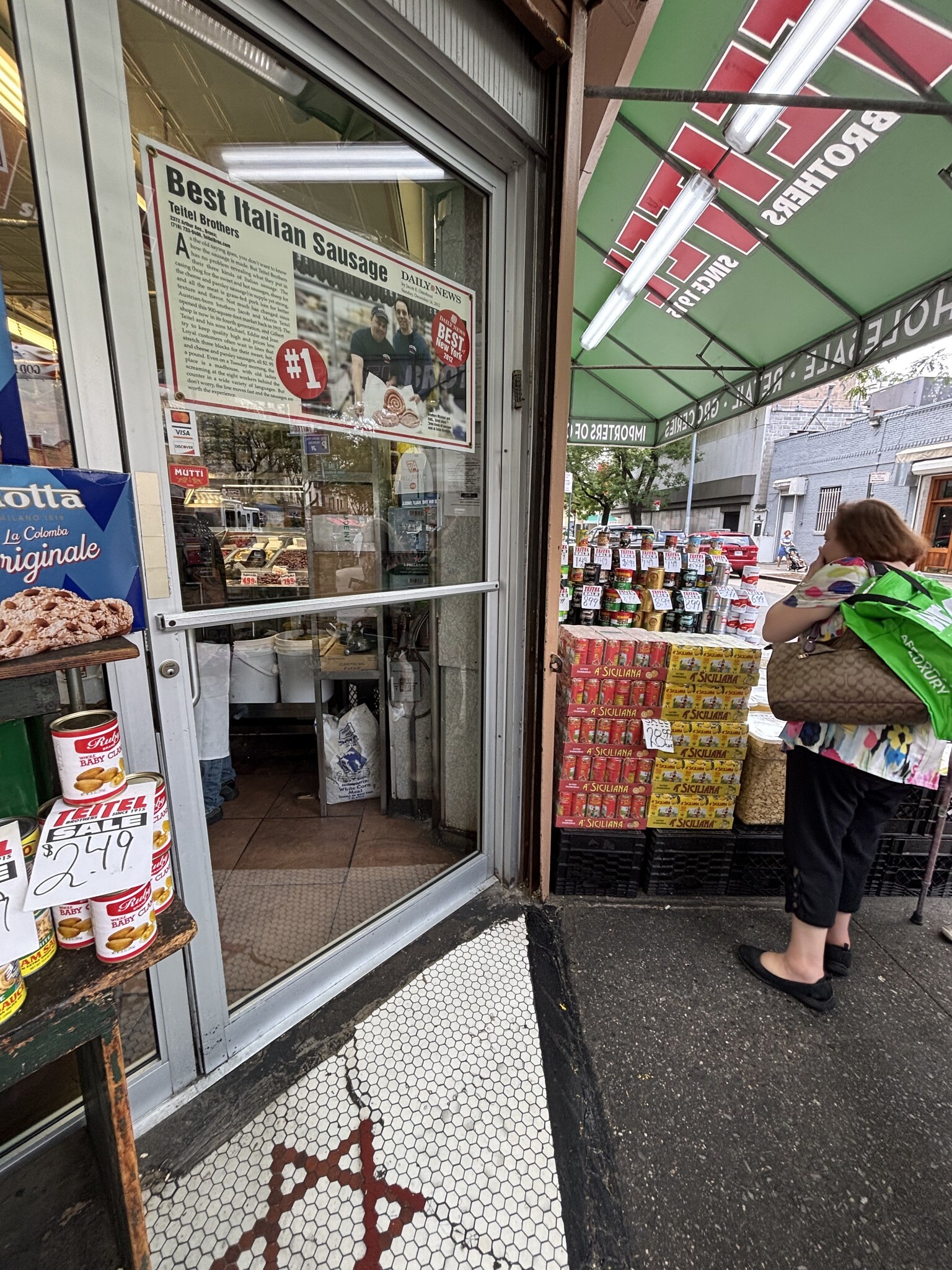
“People are intrigued by the history and ask about it,” Gilbert said.
After Gilbert’s father died in 1946 at the age of 52, his two older brothers, Louis and Benjamin, came to work in the store.
“They wanted to become doctors, but they were needed. My mother never worked in the store unless it was busy. Then we’d bang on the pipe in the back and she would come down and help,” he said.
Like his older brothers, Gilbert had not intended to join the family business. Sure, he would help out when needed, but he liked his job working for the MacFadden publishing house. Then, in 1959, he joined the US Army. After Gilbert was discharged, he figured he would return to his old job. His brothers convinced him otherwise.
As Gilbert related the family history, his son Michael, 67, held a phone in one hand and a knife in the other. Fielding a phone call from a customer, he cut a sliver of ivory colored cheese interlaced with bands of black.
“Here, try this,” he said, offering it to this reporter.
It was deliciously sour and salty, tangy and earthy.
“It’s Parmigiano with black truffle from Sicily,” Michael said, answering the question before it was asked.
Michael joined the family business in 2005, after running two successful restaurants in Rockland County.
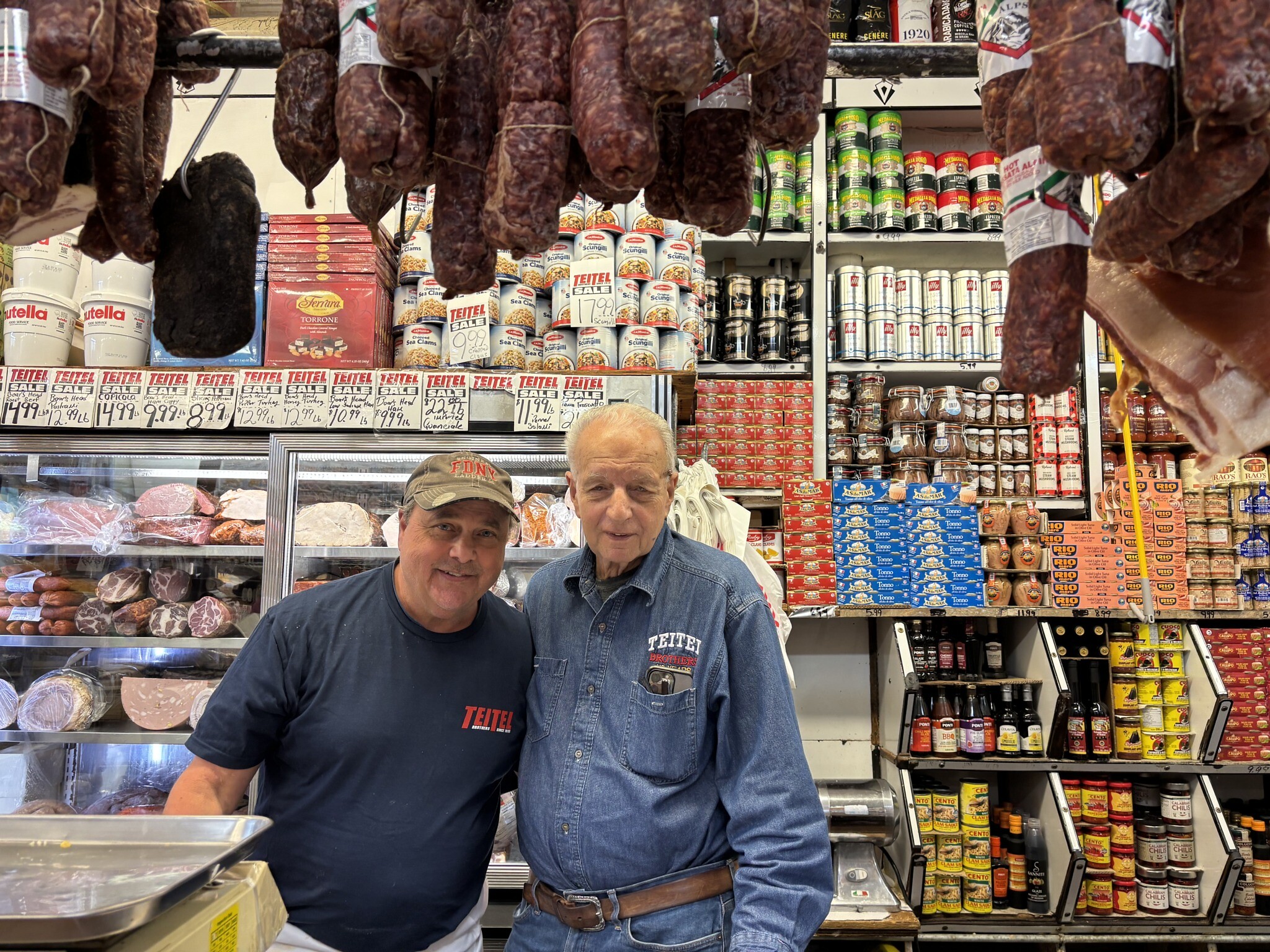
“Selling the restaurants was like a giant Empire State Building off my shoulders,” he said, stepping from behind the counter.
Gilbert’s oldest son, Jean, a retired harbor police officer, oversees the warehouse across the street. Inside a display window outside the warehouse hang several photos and certificates, including a blessing from Pope John Paul II, as well as a photo of Gilbert at his bar mitzvah.
Eddie, the youngest, came to work at the store after graduating from university. All three of the boys celebrated their bar mitzvahs, though none is as religious as their grandparents were.
While Teitel Brothers has remained true to its roots, it has added various products over the years that reflect the neighborhood’s changing demographics.
For example, as immigrants from the former Yugoslavia and Albania flocked to the area, feta and phyllo dough appeared on the shelves. And several years ago, Eddie introduced packaged cookies and candy. It was an introduction that Gilbert did not exactly welcome.
“I went ballistic. I said, ‘What, do you think, we’re a candy store?’ They sell, though, and reluctantly I admitted he was right,” Gilbert said.
“He doesn’t like change,” Michael said, adding that Gilbert raised a skeptical eyebrow when he started importing items such as speck and cans of Mutti brand tomatoes. The latter are now stacked alongside cans of Francesconi — both of which are marked DOP, signifying that the tomatoes are locally grown and packaged by local Italian farmers using traditional methods.
Whether there will be four generations of Teitels working side-by-side remains to be seen. While Gilbert’s grandchildren are known to help out now and again, none has talked seriously about donning a Teitel Brothers shirt and joining the crew.
Perhaps it is enough that his three sons have come to work with him. Because while it was not exactly Gilbert’s lifelong dream for them to be at the shop — he had kind of hoped they would pursue other professions — it is also clear that he relishes their presence.
“The best part about the job is I see my sons every day,” he said.










The Times of Israel Community.