

Three years on, Israelis stand at a crossroads of memory and metamorphosis
On the first anniversary since the hostages came back, the legacy of what the day means remains unsettled. In 3 weeks, Israelis will have their first chance to take a step toward deciding

 Add ToI as a Preferred Source on Google
Lazar Berman is The Times of Israel's diplomatic reporter
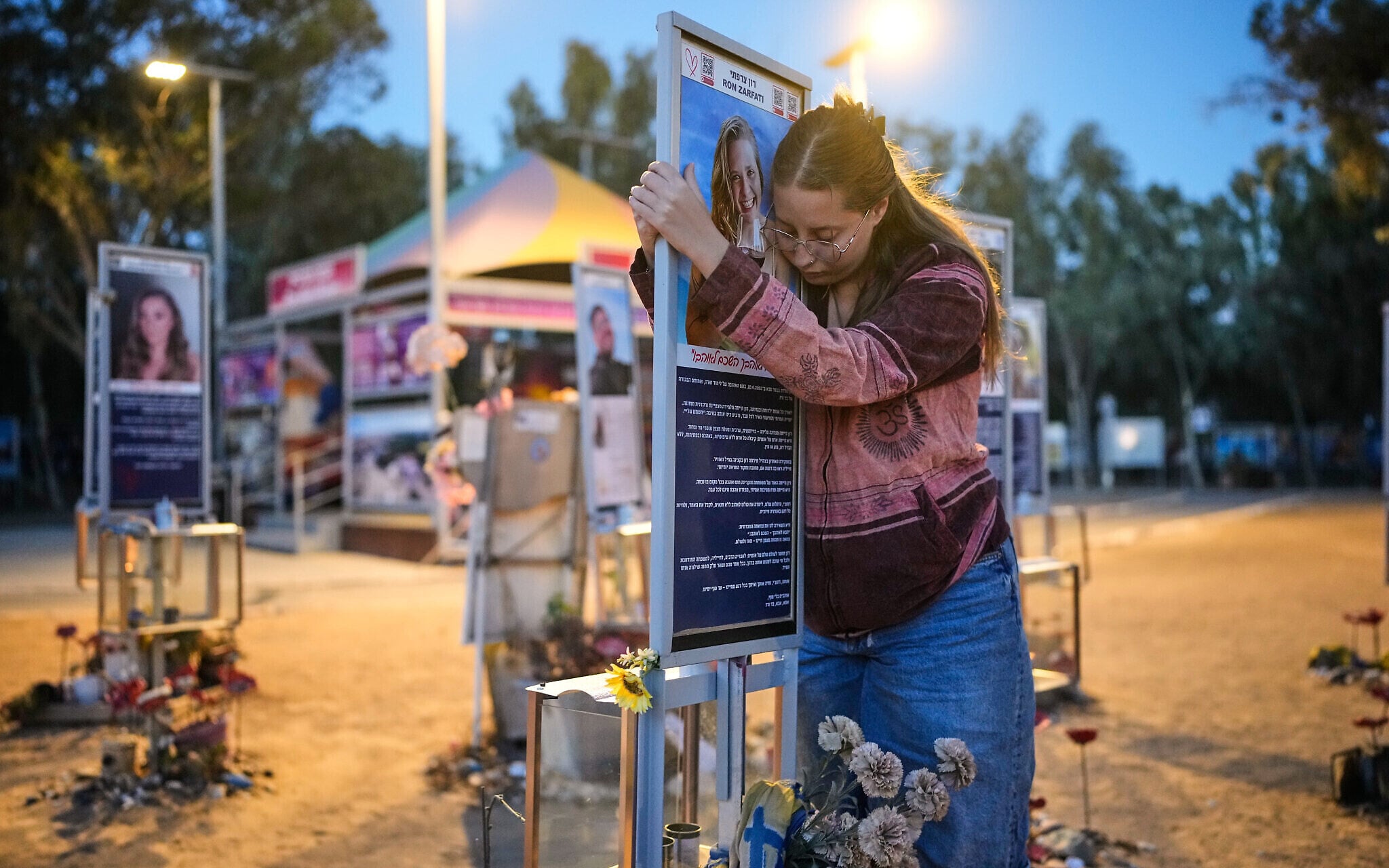
Wednesday marks three years since the October 7, 2023, Hamas invasion of Israel, but in many ways, it is the first anniversary.
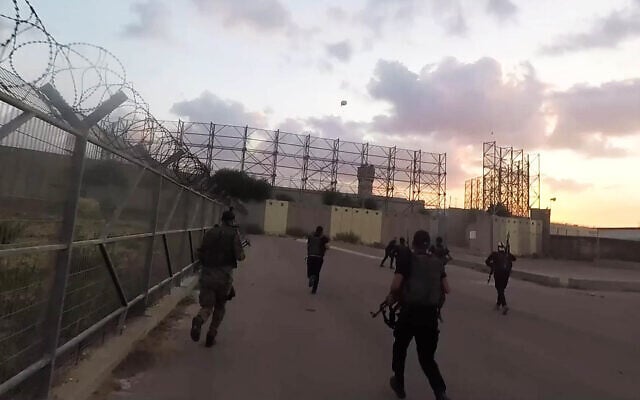
For the first time since Palestinian terrorists flooded across the Gaza-Israel border — killing, raping, and burning, and dragging 251 people back into the Strip — Israel is marking October 7 with all the hostages back in Israel. For many of those who were held captive, today is the first time they can mark the date in freedom.
Without the pressing mission of bringing the living and dead hostages home, Israel can move on to a new struggle — the internal battle over memory.
While communal commemorations of national tragedies might seem at first blush to be inherently unifying affairs, they are anything but.
“Memory is political,” according to Yehuda Kurtzer, president of the Shalom Hartman Institute, “and never more so than when it is the province of a nation state.”
“The control of the story of the past is a means of telling the story of the present.”

There were acrimonious fights over commemorating the Holocaust from the first days of the Jewish state. Would it be remembered on a preexisting Jewish fast day, positioning it in a religious context as the latest in a string of tragedies God inflicted on the Jews for their sins? Or would it receive its own day, Yom Hashoah — Holocaust Martyrs’ and Heroes’ Remembrance Day — affixing it as a key part of the national calendar and outside religious frameworks of memory?
The message that Israel extracted from its national commemoration was a choice as well. The state decided to employ it as a call for Jewish resistance in the face of violence, rather than as a universal clarion call against genocide wherever it occurs.
For Jews, the images they witnessed on October 7 — their brethren burned in their homes, gunned down in the dirt, and marched into captivity by smiling gunmen — immediately harked back to Babyn Yar, the Warsaw Ghetto and Auschwitz.
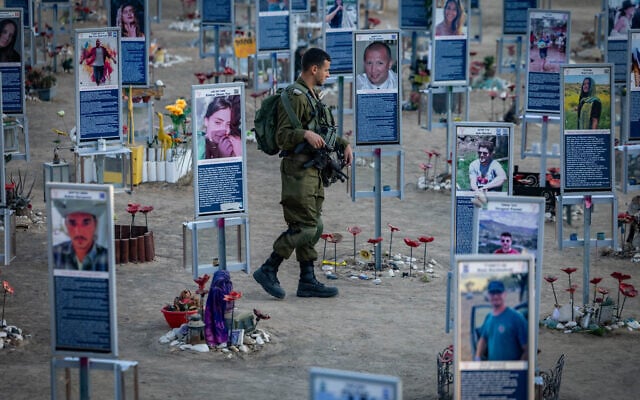
Now that the fight to recover the hostages is over, the battle over the memory of the slaughter is joined.
Should it be marked on the Hebrew date, Simchat Torah, permanently warping one of the most joyous days of the Jewish calendar?
Should national memory focus on the soldiers who fell, or civilians gunned down in their cars and at a music festival, or those taken hostages?
Must the day be one of national unity, when political squabbles are set aside to focus on the enemies who want to kill off all of us? Or is the imperative to ensure that nothing like October 7 can happen again by pointing at those responsible for the colossal failure, and loudly demanding that they face accountability for putting millions of people in danger?
These questions are surfacing on this first October 7 since the hostages came back.
The government — the same administration in office when Hamas terrorists spilled into Israel — held ceremonies with family members of fallen soldiers and slain hostages on October 5, two days after Simchat Torah and two days before the secular date of the attack.
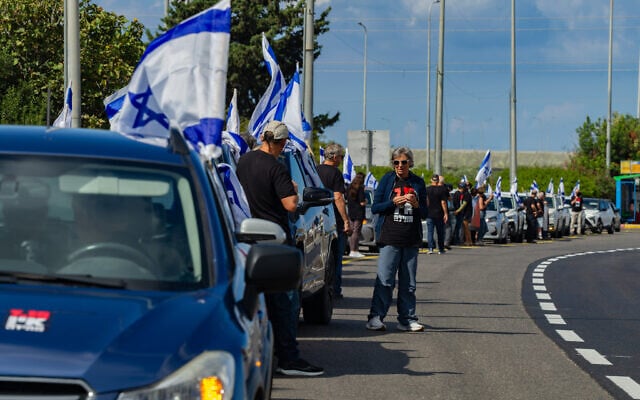
Meanwhile, Israelis and southern communities held their own independent events at dozens of sites where atrocities took place.
Some used October 7 for political protest. At 6:29 a.m. on Wednesday morning, family members of hostages and other victims demonstrated outside the Knesset, along with the shells of burnt cars from the festival.
The impending Knesset election, exactly 20 days from now, is only making the ragged edges of national commemoration even sharper.
It will be the first time the Israeli public gets to officially weigh in on whom it holds accountable for the failure, and whom it trusts to secure the country moving forward.
The war
Outside of the official and grassroots ceremonies, Israelis are organically deciding how they choose to view October 7 and the subsequent conflicts.
They have ignored the government’s first attempt at naming the Hamas attack and the multifront fight that followed, the Swords of Iron War.
Prime Minister Benjamin Netanyahu’s attempt to shift the national focus to the string of military successes in Gaza, Lebanon, and Iran by calling it the War of Revival has similarly failed to gain purchase in the Israeli lexicon.
Instead, it’s just “the war.”
“It doesn’t just merely define a historical event,” said Michael Oren, former Israeli ambassador to the US. “It involves almost an existential situation. And Israelis divide their lives, from before ‘the war’ and after ‘the war.'”
As the Yom Kippur War did 50 years and a day earlier, the October 7 attacks fundamentally shattered the trust Israelis have in the institutions meant to protect them.
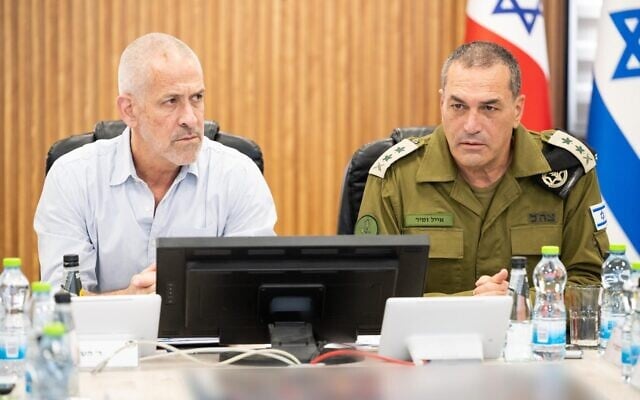
But that has not been applied evenly. One half of the country sees the failure resting on the heads of the IDF command and the Shin Bet security service.
The other half, roughly, places the blame at the feet of Netanyahu, the man who has fought so hard and so long to be in the position of supreme responsibility for Israel’s security.
His election chances depend on his ability to shift responsibility for the failure to others — IDF officers, other politicians, and especially former Shin Bet director Ronen Bar.
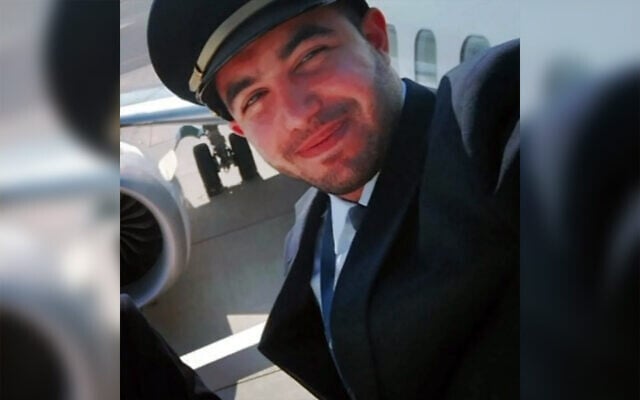
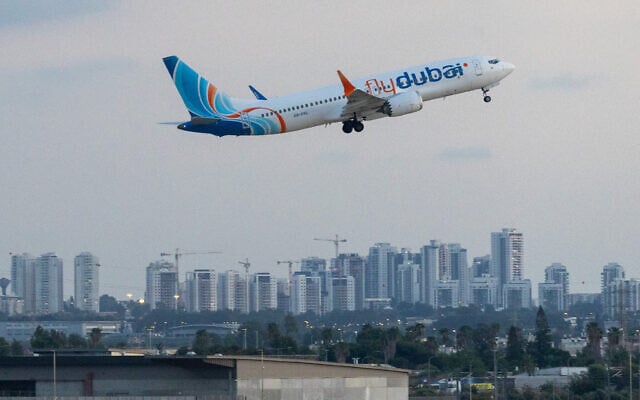
It remains to be seen how effective that strategy will be. But his task became even harder in the wake of last week’s flydubai near-disaster.
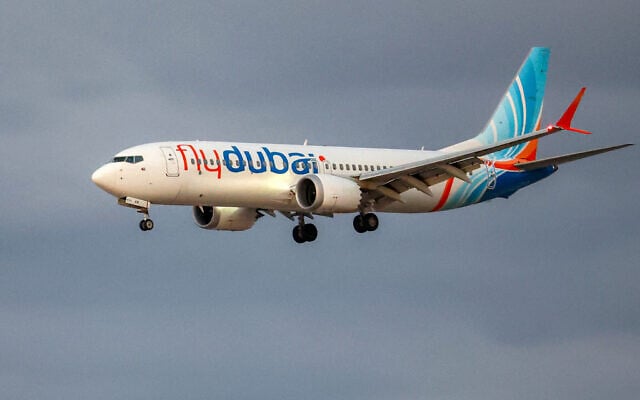
As new revelations of the Transportation Ministry’s inability to protect Israeli travelers come to light, many voters are tying it to the same government failures that made Hamas’s success on October 7 possible.
A safer Israel, but no victory
Netanyahu’s argument has been that he has made Israel much safer in the three years since October 7.
That’s an eminently defensible position.
On October 6, 2023, Iran’s axis was at its high-water mark. Hamas had tens of thousands of trained fighters under arms, with a significant missile arsenal and an unprecedented warren of underground fortifications and attack tunnels, which it had been building up for 17 years.
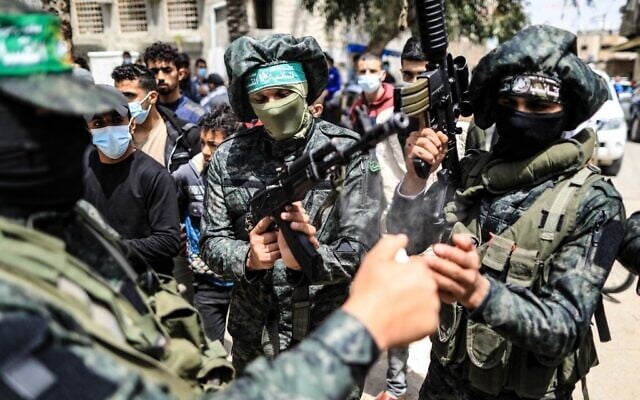
Hezbollah in Lebanon was even more dangerous. Situated only meters from Israeli communities in the north, its elite Radwan Force was trained and prepared to capture much of the Galilee. Its missile arsenal, replete with precision capabilities, put that of many state militaries to shame.
Bashar al-Assad still controlled much of Syria.
Iran’s nuclear program, ballistic missile stockpiles, and leadership were still intact.
Since October 7, Israel, under Netanyahu’s leadership, kept the fight in Gaza going long enough to turn Hamas into a shell of its former self, while also eventually getting all hostages out without agreeing to a deal that accepts Hamas as a legitimate authority.
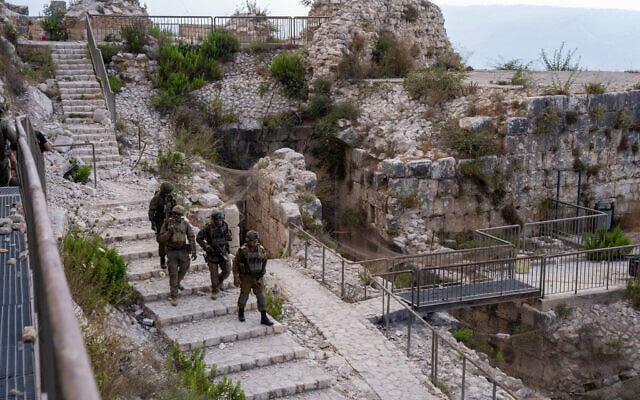
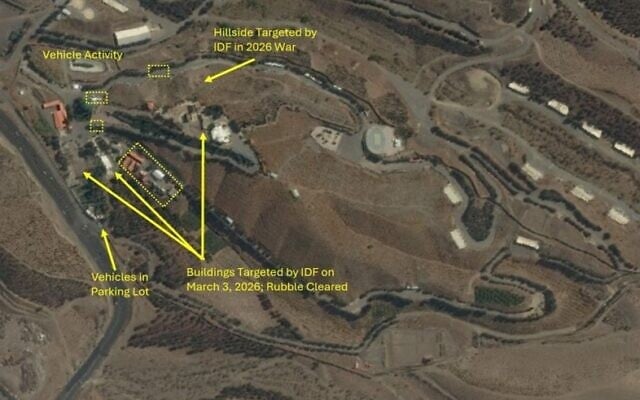
Lebanon is transformed. The IDF now controls southern Lebanon, an anti-Hezbollah government is in power and in public peace talks with Israel, and the Shiite terror group has lost thousands of fighters and most of its senior commanders.
Iran has also been battered. Its nuclear sites, with the exception of Pickaxe Mountain, lie in ruins, as do many ballistic missile production facilities. Supreme leader Ali Khamenei is dead, along with dozens of his top generals. Its economy is in a death spiral, and its hold over the Strait of Hormuz is slipping every day.
The IDF has shown tactical brilliance at every turn, including not losing a single plane in three years of air sorties from Sana’a to Tehran.
Still, none of that adds up to the total strategic victory Netanyahu promised. Hamas still controls almost every Gazan and is still an armed force with a coherent command structure and the ability to recruit more young Gazans. Hezbollah is bruised but not about to give up its arms, certainly not to a feckless Lebanese army.
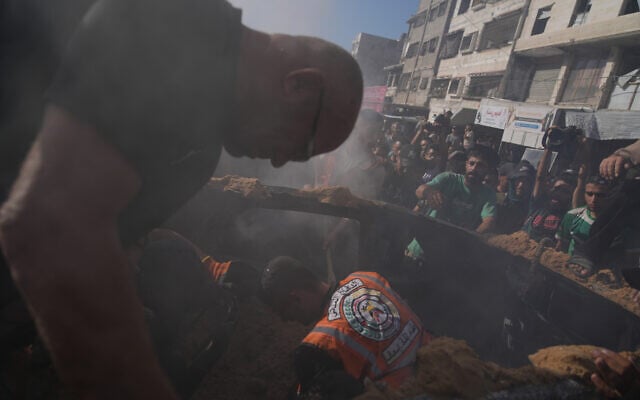
And though Iran can’t export oil or keep inflation from growing more severe every day, it hasn’t walked back on any of its demands for a ceasefire with the US, and its leadership seems securely in place.
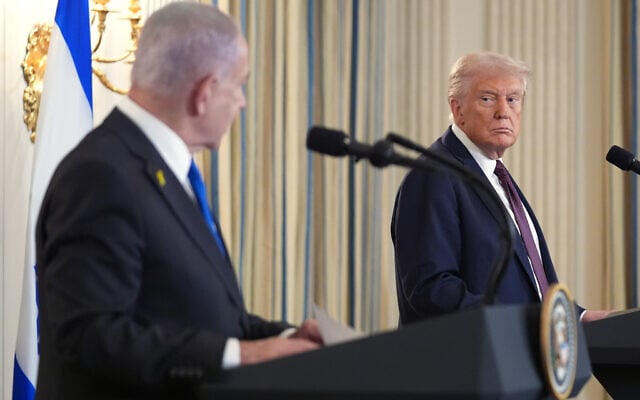
Israel, meanwhile, is constrained. On Iran, its hands are tied while it waits for US President Donald Trump to decide how he wants to deal with Tehran’s intransigence. It is bound by Trump-backed diplomatic initiatives for Gaza and Lebanon as well.
Still, it has found room to continue operating in both theaters, including continuing to hunt down the perpetrators of the October 7 attacks, while Hamas has little recourse besides complaining to mediators.
Diplomatic isolation and support
While Israel’s military situation is much improved, its diplomatic reality is not.
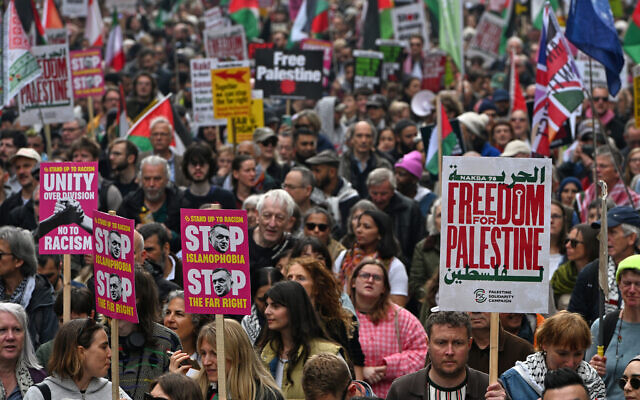
Among its natural allies in the West, it has seen support drop dramatically. Major democracies like France, the UK, and Canada recognized a Palestinian state, and imposed arms embargoes on Israel.
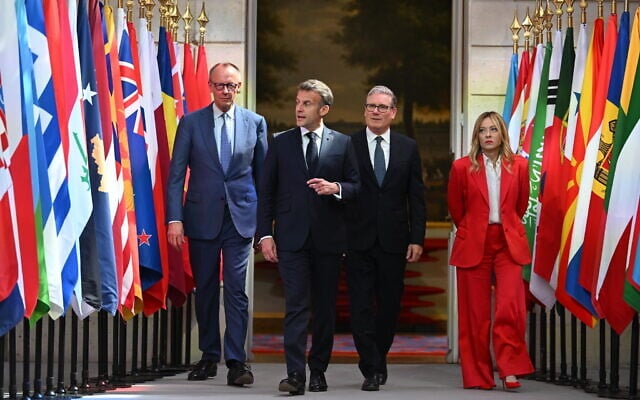
The next step, broad sanctions against settlements, is now taking form, led by the UK and The Netherlands.
But that is not all of Europe. From Germany eastward, countries are still firmly supportive of Israel, and some, like Slovenia, have moved sharply away from their hostile stance.
Shockingly, even after the horrors of October 7 and the brutal blowback suffered by Palestinians, Hamas and its supporters in Western capitals still celebrate the attack as a victory. Domestic opposition to Israel has led at least some capitals to shift their foreign policy sharply against the country.
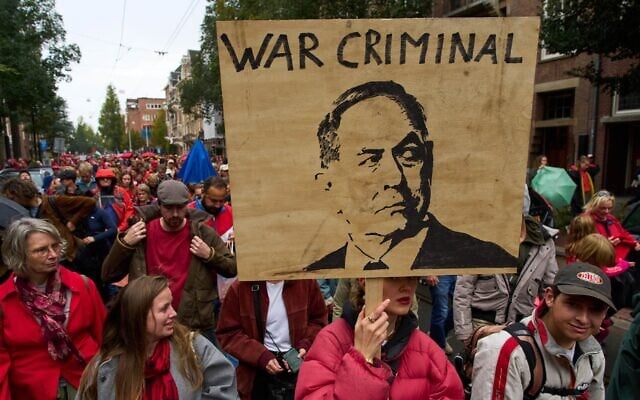
More worryingly, declining support for Israel from its most important ally, the US, now has bipartisan consensus. If Democrats take the White House in 2028, it is entirely conceivable that the US follows Europe’s example and recognizes a Palestinian state while slapping sanctions on settlements.
At the same time, there are bright spots.
Though the overwhelming majority of the Arab public wants nothing at all to do with Israel, governments still do. Not a single Arab country that recognizes Israel has cut ties, even as images of suffering Palestinians have made Israel more of a pariah than ever.
Morocco even decided to upgrade its diplomatic relationship with Israel, and the United Arab Emirates is not shy about its deep and expanding ties with the Jewish state.
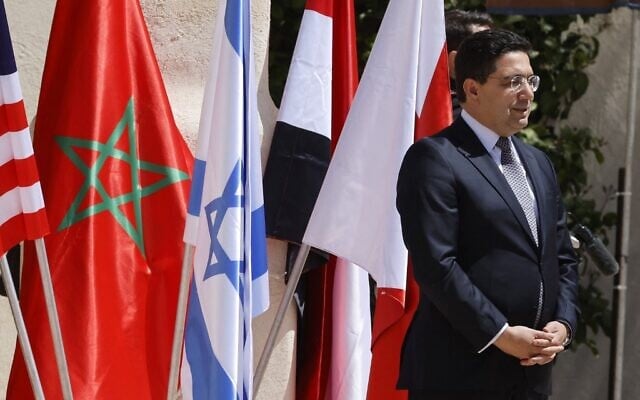
In many ways, Israel is more welcome in the Middle East than it is in parts of Europe.
Latin America, once a hotbed of leftist anti-Israel sentiment, has swung to the right, and is now one of the most friendly regions on the globe. And if Flávio Bolsonaro, an ally of US President Donald Trump, wins the Oct. 25 runoff in Brazil, Latin America’s largest economy will rejoin the pro-Israel bloc that includes Argentina and Colombia.
Decision time
Three years on, the legacy of October 7, and Israel’s reaction to it, remains an unsettled matter.
The pain of the day remains raw, and survivors and family members of the victims continue to struggle with the physical and mental scars.
At the same time, Israelis showed in the immediate aftermath that they can show unity in the face of enemies and — unlike many of the countries that hound them with accusations of war crimes — that they still see their state as something worth fighting and dying for.

Some even see the attack, as horrible as it was, as paradoxically saving the country.
Israel will no longer let terrorist threats build up along its borders, and now sees ultra-Orthodox enlistment as a national security issue of the first order.
“It awakened us,” said Oren. “It was a brutal awakening, but it could have been much worse if you did nothing for another 5, 10 years.”
The history of October 7 is still being written. It can become the catalyst of a national revival if that’s what Israelis choose, or it can deepen existing fissures in Israeli society.
In less than three weeks, Israelis will have their chance to decide what future they want after October 7.



The Times of Israel Community.