

Trump, fearing slaughter, said to have rejected Netanyahu proposal to jointly call for Iranian uprising
PM reportedly asked US president last week to issue the call after Israel killed Larijani and Basij chief, but Trump worried protesters would ‘get mowed down’; Netanyahu then issued his own, less clearcut, call, and no protests materialized
 Add ToI as a Preferred Source on Google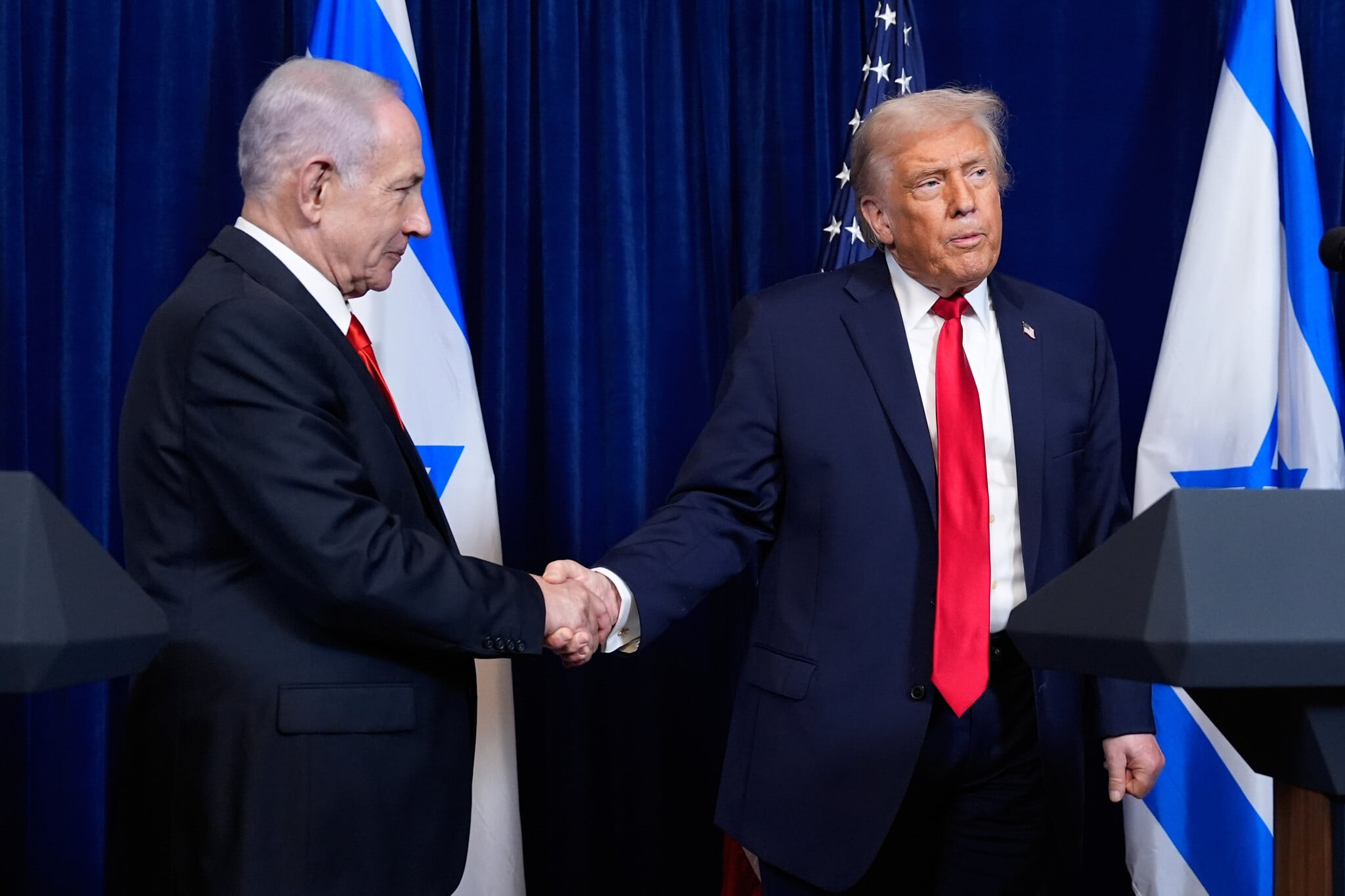
US President Donald Trump reportedly rejected a proposal last week by Prime Minister Benjamin Netanyahu to jointly call on the Iranian public to take to the streets and topple the regime during the war against Iran, with the president fearing the protesters would be slaughtered.
Netanyahu ended up issuing a less clear-cut call on his own, encouraging Iranians to go to the streets to celebrate an annual festival.
The reported conversation points to persisting differences between Israel and the US over the extent to which regime change is a goal of the war with Iran.
The report, which appeared on Channel 12 and Axios on Wednesday, cited senior American officials and an Israeli source familiar with the details. The discussion reportedly took place hours after Israel on March 17 assassinated top Iranian officials Ali Larijani, the former secretary of Iran’s National Security Council, and Gholamreza Soleimani, former head of the Islamic Revolutionary Guard Corps’ Basij Force.
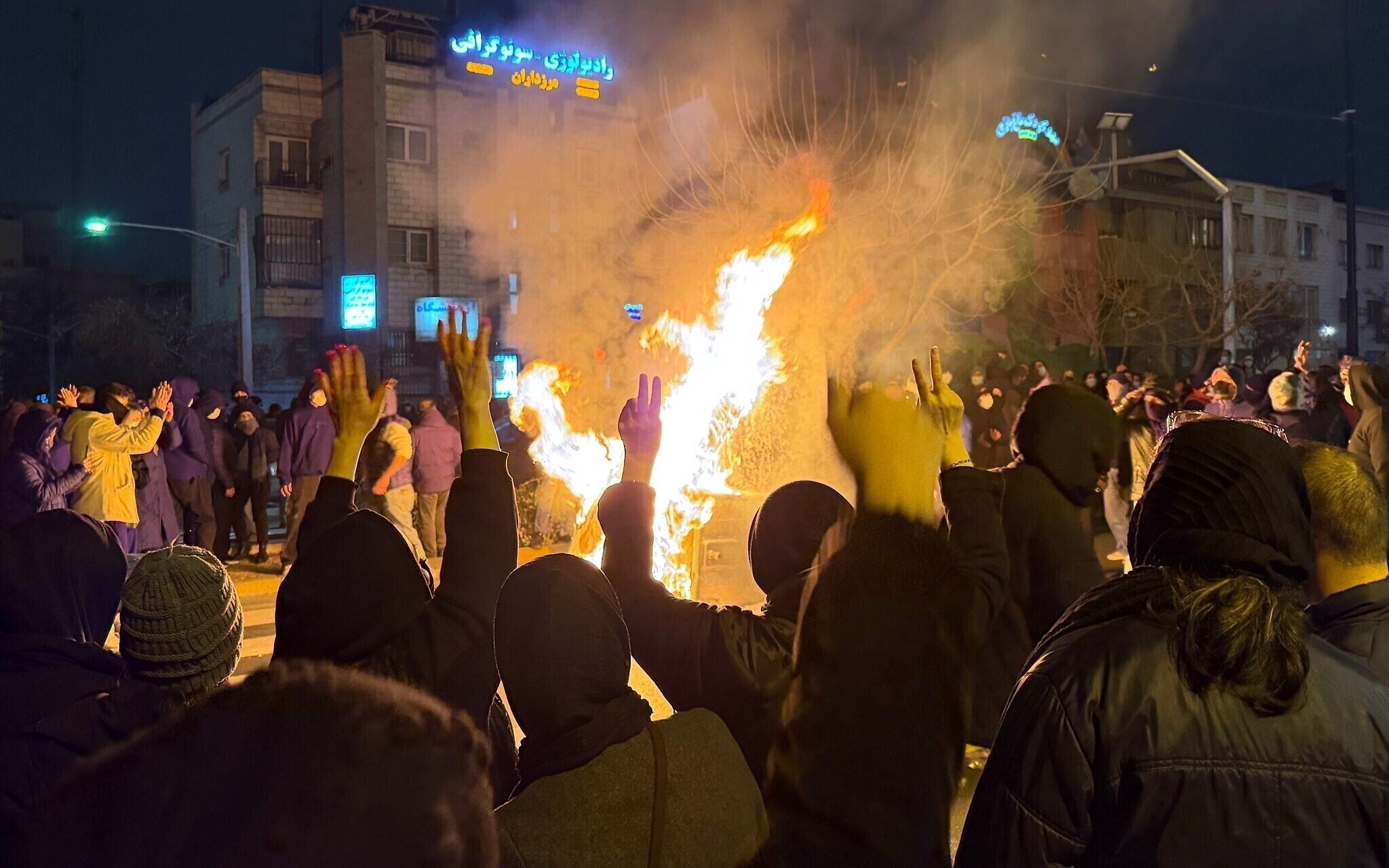
The Basij took a central role in repressing the mass anti-regime protests earlier this year. According to activist groups, thousands, and perhaps tens of thousands, were killed in the crackdown.
Netanyahu is said to have told Trump after the assassinations that the Iranian regime was in chaos, and that the time had come to further destabilize it by issuing the joint call.
Trump, however, reportedly expressed concern that such a call could lead to mass bloodshed as the Islamic Revolutionary Guard Corps would likely murderously suppress the protesters as regime forces had in January.
“Why the hell should we tell people to take to the streets when they’ll just get mowed down,” Trump said to Netanyahu, Axios reported, citing a US official who was briefed on the conversation.
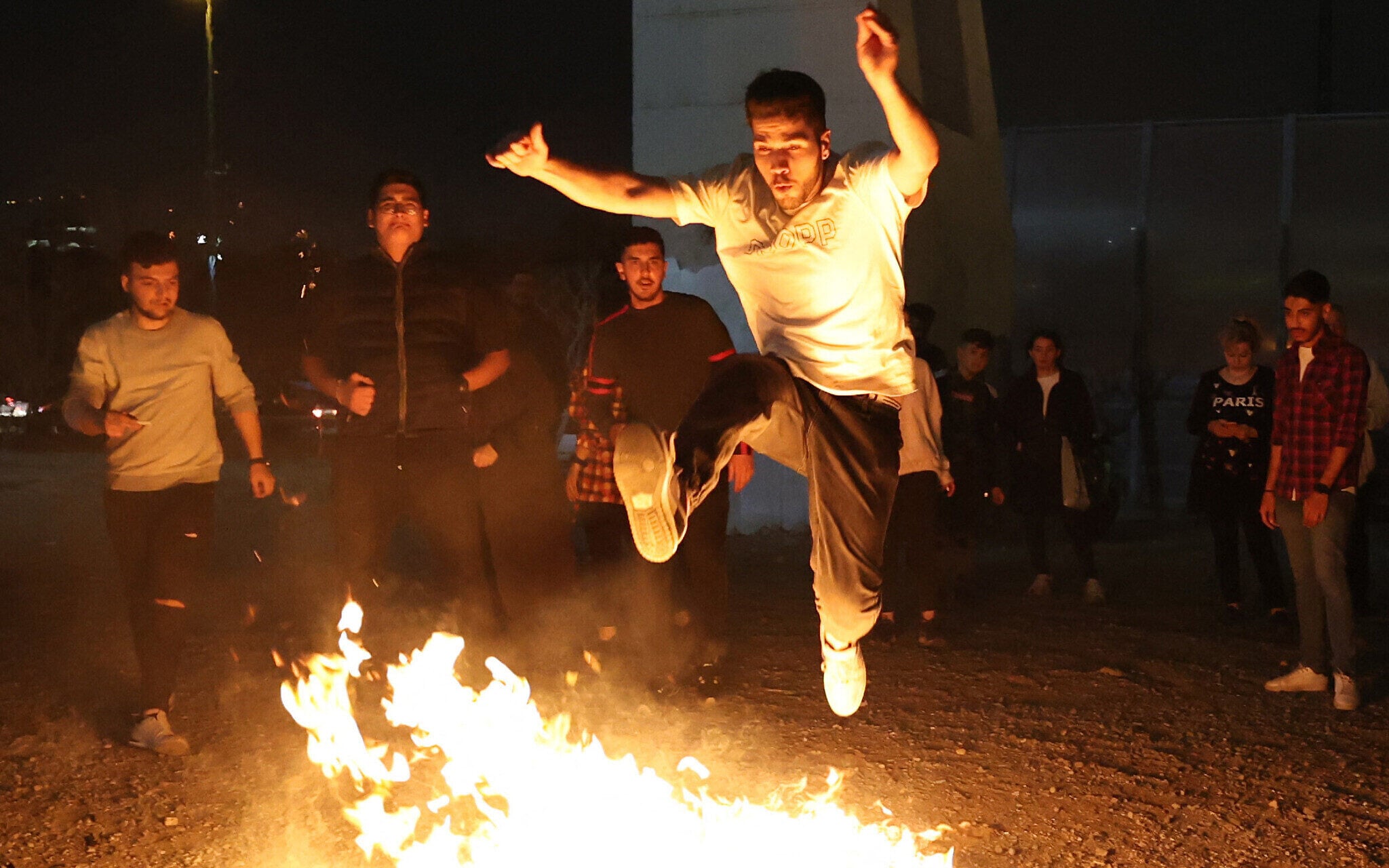
The two leaders instead agreed to reassess developments the following day, when Iranians celebrated the Persian Fire Festival, a holiday often marked by large public gatherings.
In the event, however, Netanyahu went it alone, urging Iranians later on March 17 to take to the streets to celebrate the ancient festival.
“In the past 24 hours, we knocked out two of the terrorist chieftains, the top terrorist chieftains of this tyranny,” Netanyahu said from the Air Force command bunker in the Kirya military headquarters in Tel Aviv.
“Our aircraft are hitting the terror operatives on the grounds, in the crossroads, in the city squares,” he said in English. “This is meant to enable the brave people of Iran to celebrate the Festival of Fire.”
The festival, Chaharshanbe Suri, is seen by the Islamic Republic as a pagan holiday, and its celebrations often feature anti-regime protests.
In the end, no mass demonstrations materialized.
According to the Axios report, while Netanyahu views creating the conditions for regime change as a core objective of the war, Trump sees toppling the regime as a “bonus,” US officials said.
Trump touted the possibility of a popular uprising at the beginning of the war. But as he announced this week that the US had begun talks with Iran, Trump remarked to CNBC that “this is regime change.”
According to the US outlet, Trump based his assessment on the fact that many Iranian leaders had been killed and replaced.
One day earlier, Israel’s ambassador to the US, Yechiel Leiter, said the war with Iran had to continue until the Islamic Republic’s regime was degraded to the extent that it would have “no power” and the Iranian people could rise up and topple it.
“What we have to focus on now is degrading to the point where they have no power left in this regime,” he said. “Hopefully, that will trigger this combustion point where the people are able to take charge of their own lives. Our focus has to be on degrading this regime to the point where they no longer pose a threat to us, to the region, to the world.”


The Times of Israel Community.