

Trump hails Saudi Arabia’s ‘positive step’ of allowing women to drive
White House praises move to lift ban on female drivers, saying it will promote the ‘rights and opportunities’ of Saudi women
 Add ToI as a Preferred Source on Google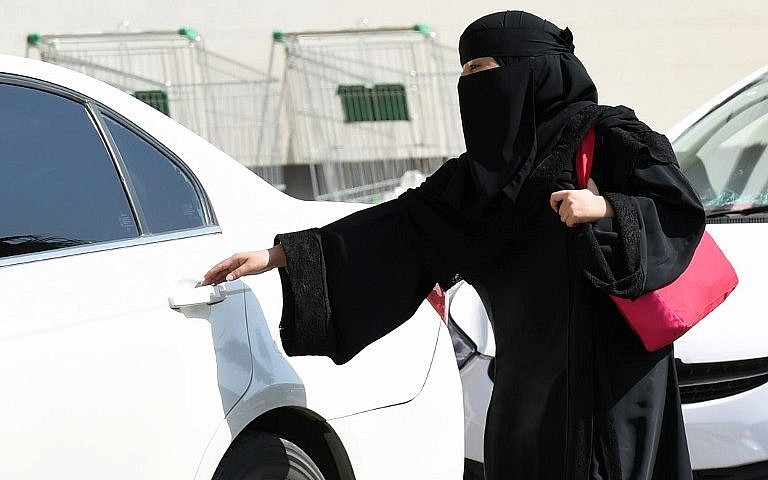
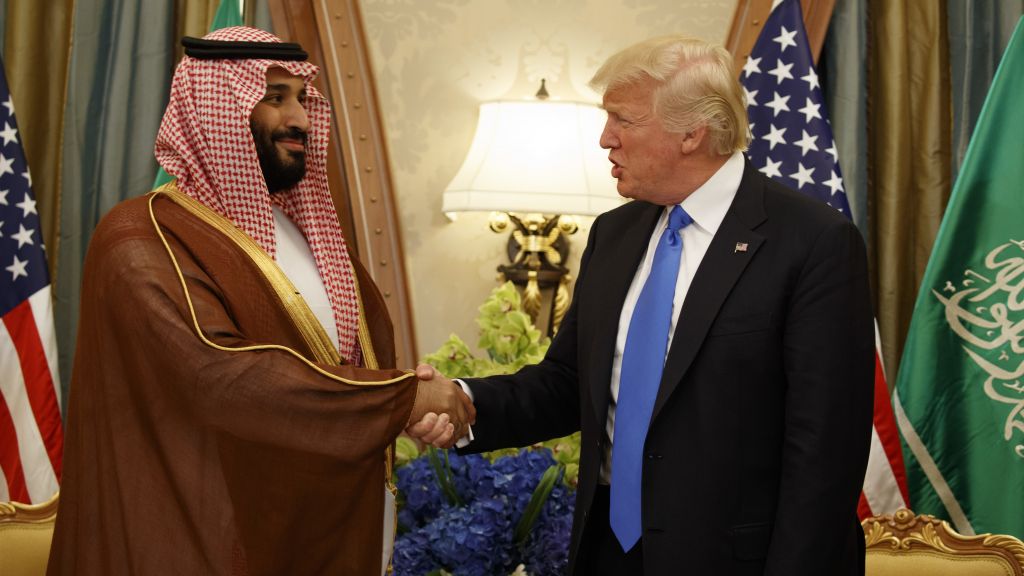
US President Donald Trump congratulated Saudi Arabia Tuesday for its decision to join the rest of the world in allowing women to drive, calling it a “positive step” for the deeply conservative kingdom.
Washington is a firm friend of the Saudi kingdom, but has often been embarrassed by its ally’s conservative religious and social attitudes.
“President Donald J. Trump commends the Kingdom of Saudi Arabia’s decision today to affirm the right of women to drive in the kingdom,” a White House statement read.
“This is a positive step toward promoting the rights and opportunities of women in Saudi Arabia.”
Earlier, State Department spokeswoman Heather Nauert hailed the “very positive sign.”
“We’re just happy today,” she added.
Earlier, Saudi officials had announced that it would allow women to drive from next June, a victory for a long campaign by women’s rights activists.
“We will continue to support Saudi Arabia in its efforts to strengthen Saudi society and the economy through reforms like this,” the White House said.
The longstanding driving ban was seen internationally as a symbol of repression of women in the Gulf kingdom and its repeal comes after years of resistance from female activists.
The shock announcement, which risks riling religious conservatives, is part of Saudi Arabia’s ambitious reform push aimed at adapting to a post-oil era and improving a global reputation battered by its human rights record.
The announcement comes at a crucial time for Saudi Arabia.
The oil kingpin is in a battle for regional influence with arch-rival Iran, bogged down in a controversial military intervention in neighboring Yemen and at loggerheads with fellow US Gulf ally Qatar.
“Allowing women to drive is the biggest PR win that Saudi Arabia — and Prince Mohammed — could have in a single swoop,” said Jane Kinninmont, from London’s Chatham House.
Already viewed as the de facto ruler controlling all the major levers of government, heir apparent Crown Prince Mohammed bin Salman, 32, is seen as stamping out traces of internal dissent before any formal transfer of power from his 81-year-old father King Salman.
His gambit to loosen social restrictions, which has so far not translated into more political and civil rights, seeks to ease criticism over a recent political crackdown, some analysts say.
Authorities this month arrested more than two dozen people, including influential clerics and activists, in what critics decried as a coordinated crackdown.



The Times of Israel Community.