

UN says thousands of Gaza children still acutely malnourished after truce
UNICEF reports 9,000 children treated for severe acute malnutrition in October; anti-Hamas activist claims terror group hid tons of baby formula to push famine narrative
 Add ToI as a Preferred Source on Google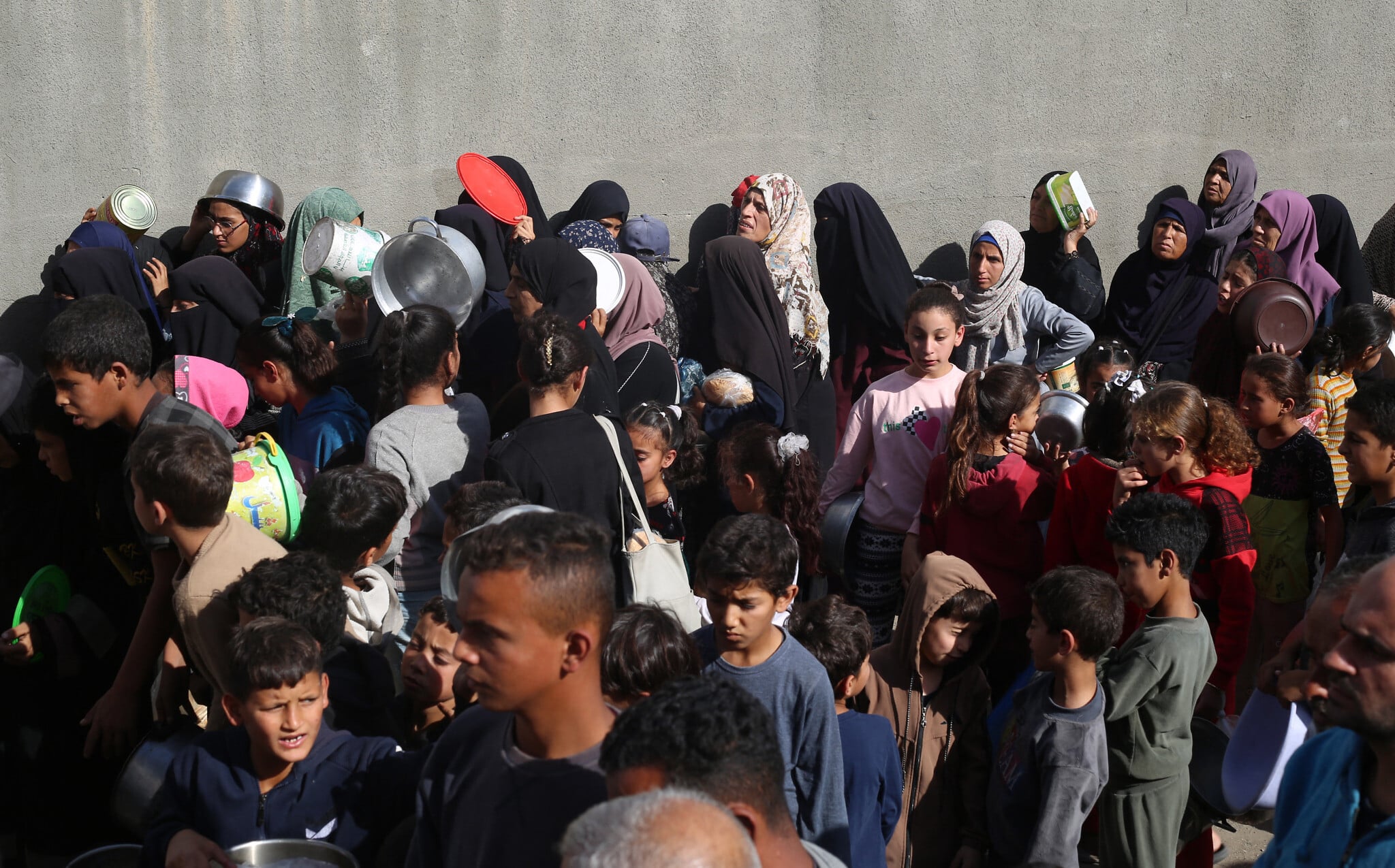
GENEVA — Thousands of children have been admitted for treatment for acute malnutrition in Gaza since an October ceasefire that was supposed to enable a major increase in humanitarian aid, the UN children’s agency said on Tuesday.
UNICEF, the biggest provider of malnutrition treatment in Gaza, said that 9,300 children were treated for severe acute malnutrition in October, when the first phase of an agreement to end the two-year Israel-Hamas war came into effect.
While this is down from a peak of more than 14,000 in August, the number is still significantly higher than during a brief February-March ceasefire and indicates that aid flows remain insufficient, UNICEF spokesperson Tess Ingram told a Geneva press briefing by video link from Gaza.
“It’s still a shockingly high number,” she said.
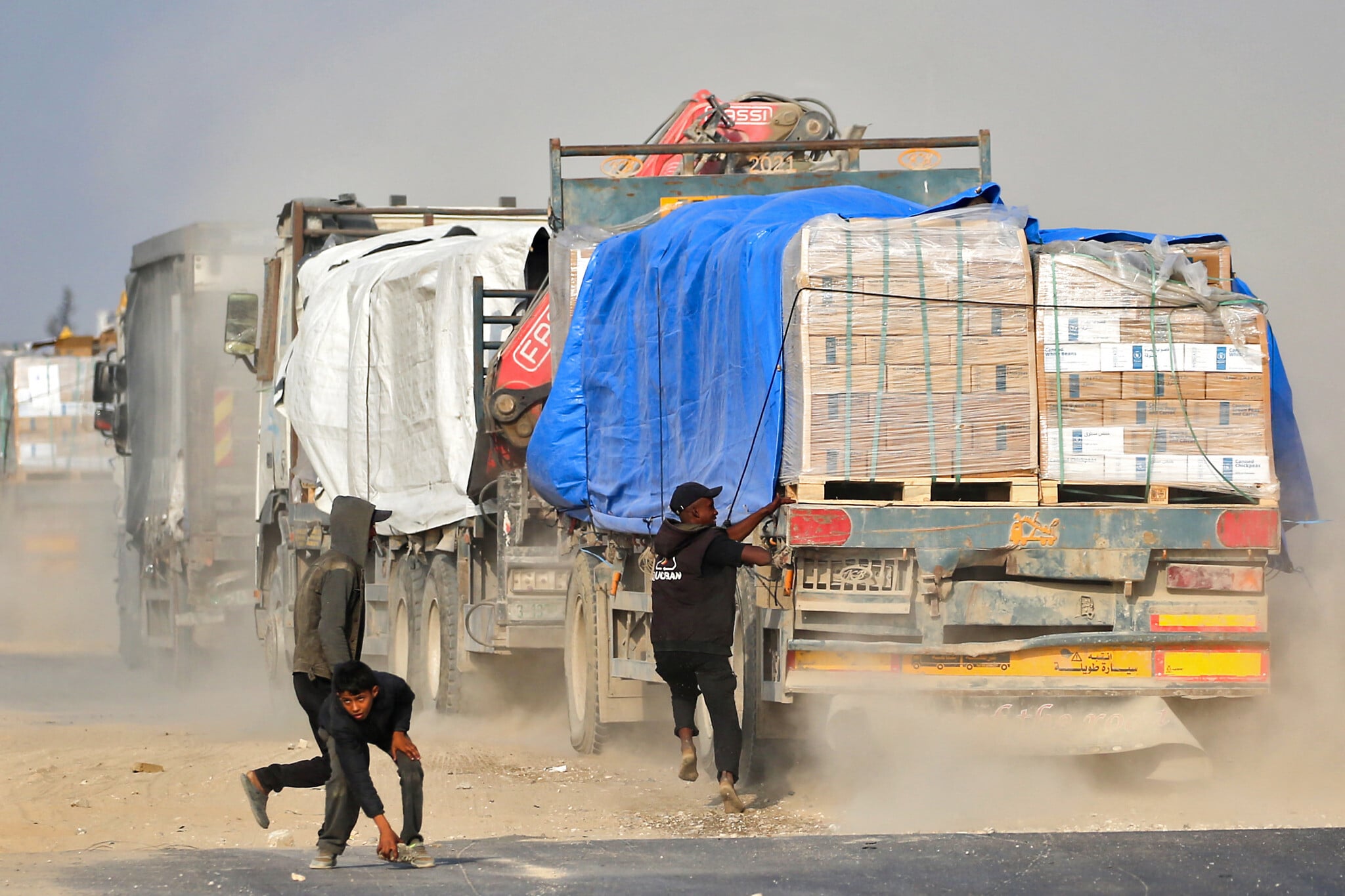
Israel says it is fulfilling its obligations under the ceasefire agreement, which calls for an average of 600 trucks of supplies to enter Gaza per day. It blames Hamas for any food shortages, accusing its members of stealing food aid before it can be distributed, which the group denies.
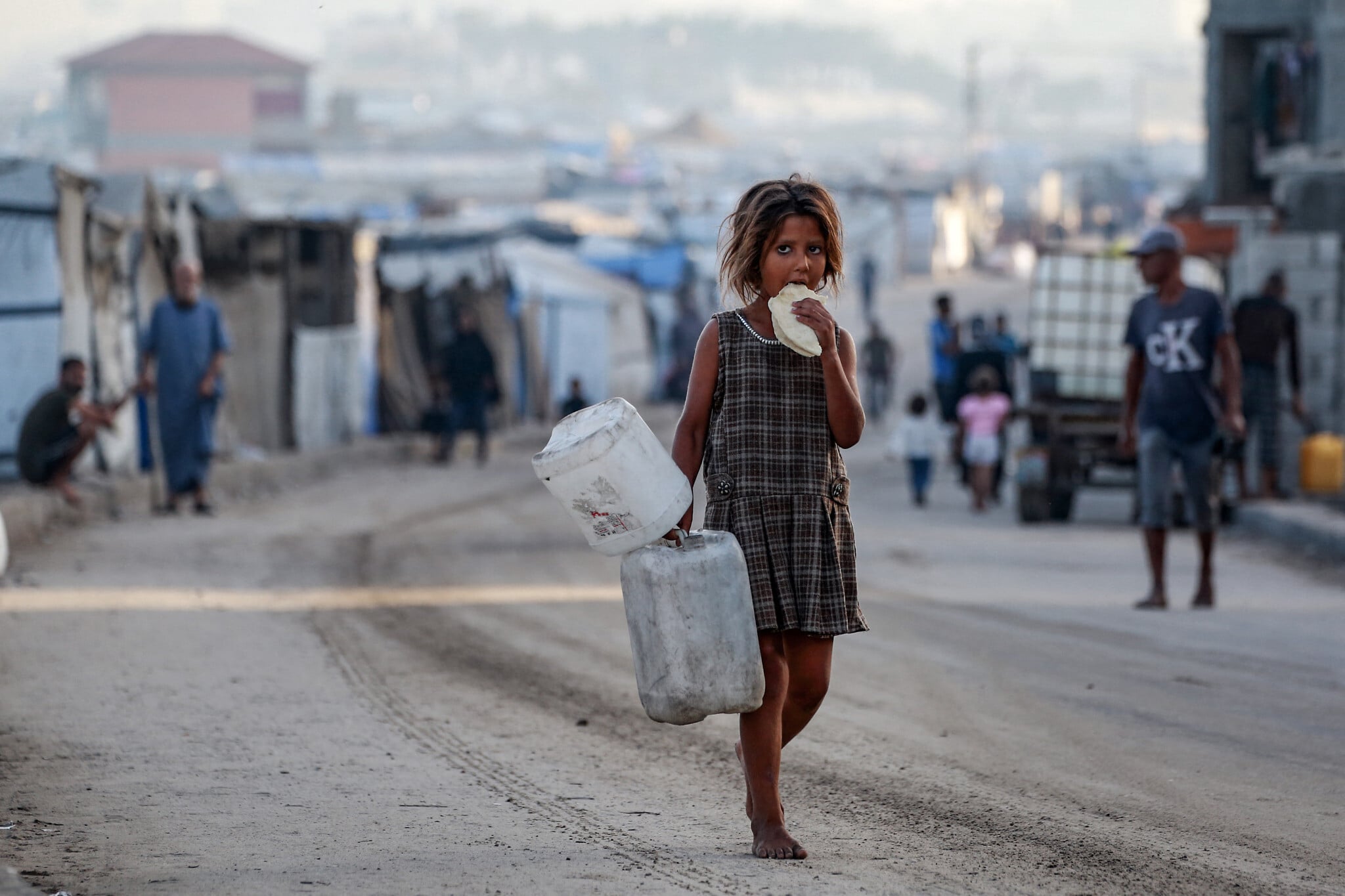
“The number of children admitted is five times higher than in February, so we need to see the numbers come down further,” Ingram said, and described meeting underweight babies weighing less than 1 kilogram born in hospitals, “their tiny chests heaving with the effort of staying alive.”
UNICEF is able to import considerably more aid into the enclave than it was before the October 10 agreement, but obstacles remain, she said, citing delays and denials of cargoes at crossings, route closures and ongoing security challenges.
“We have seen some improvement, but we continue to call for all of the available crossings into the Gaza Strip to be open,” she added. There are not enough commercial supplies entering Gaza, said Ingram, saying that meat was still prohibitively expensive at around $20 a kilogram.
“Most families can’t access this, and that’s why we’re still seeing high rates of malnutrition,” she said.
The report came as a US-based Gaza peace activist posted a video from Gaza purporting to show that Hamas hid tons of baby formula and nutrition shakes in warehouses in a bid to heighten the famine narrative.
In a post to X, Ahmed Fouad Alkhatib, a senior fellow at the Atlantic Council and outspoken Hamas critic, wrote that the terror group “deliberately hid literal tons of infant formula and nutritional shakes for children by storing them in clandestine warehouses belonging to the Gaza Ministry of Health.”
“The goal, as I said then, was to worsen the hunger crisis and initiate a disaster as part of the terror group’s famine narrative in a desperate effort to stop Israel’s onslaught against Gaza and force the return of the UN’s aid distribution mechanism, and away from the controversial Gaza Humanitarian Foundation (GHF).”
During the worst of the days of the hunger crisis in Gaza in the past six months, Hamas deliberately hid literal tons of infant formula and nutritional shakes for children by storing them in clandestine warehouses belonging to the Gaza Ministry of Health.
The goal, as I said… pic.twitter.com/pANo9uHfAb
— Ahmed Fouad Alkhatib (@afalkhatib) December 9, 2025
The unverified video was watermarked with the name of Turkey-based anti-Hamas activist Hamza al-Masri.
In November, Israel reopened the Zikim border crossing for the entry of humanitarian aid into the northern Gaza Strip, two months after it was closed during an Israel Defense Forces operation to capture Gaza City. The bulk of aid delivered during the war had passed through the Kerem Shalom Crossing into southern Gaza.
Figures published Sunday by the Defense Ministry’s Coordinator of Government Activities in the Territories (COGAT) agency showed that between 600-800 aid trucks are entering Gaza every day. Since the ceasefire started, 18,000 food trucks carrying over 400,000 tons of food have entered the Strip, COGAT claimed.
Aid is flowing into Gaza.
Here is the latest data???? pic.twitter.com/FMFsEUWtue
— COGAT (@cogatonline) December 9, 2025
Hamas triggered the war on October 7, 2023, when it led a devastating invasion of southern Israel. The truce was meant to unleash a torrent of aid across the tiny, crowded enclave that suffered from a humanitarian crisis amid the fighting. However, only half the needed amount of food is coming in, the World Food Programme said last month, while an umbrella group of Palestinian agencies said overall aid volumes were between a quarter and a third of the expected amount.
In August, a United Nations body declared a famine in northern Gaza, an assessment Israel rejected as inaccurate. The famine declaration in the territory fueled intense criticism of Israel and played a key role in the country’s isolation on the world stage.
Last month, data released by an authoritative global malnutrition tracking organization demonstrated that a crucial hunger threshold was never breached in Gaza, raising questions about the UN-backed monitor’s methods.







The Times of Israel Community.