

Explore Eilat, where the angels jettisoned their paint
The beach and the mountains aren’t the only free attractions at Israel’s Red Sea tourist hot spot
 Add ToI as a Preferred Source on Google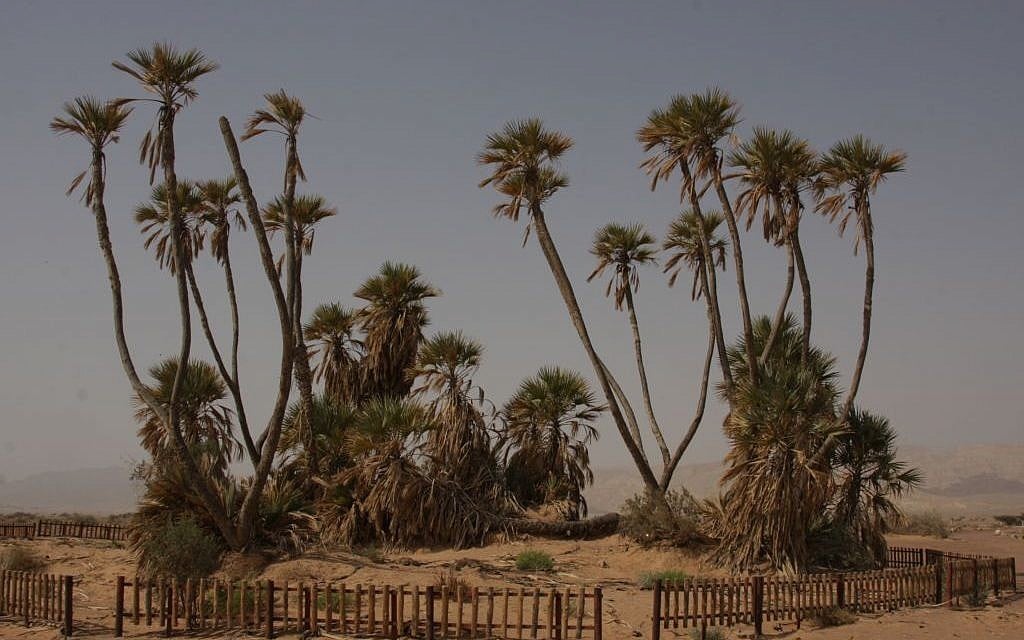
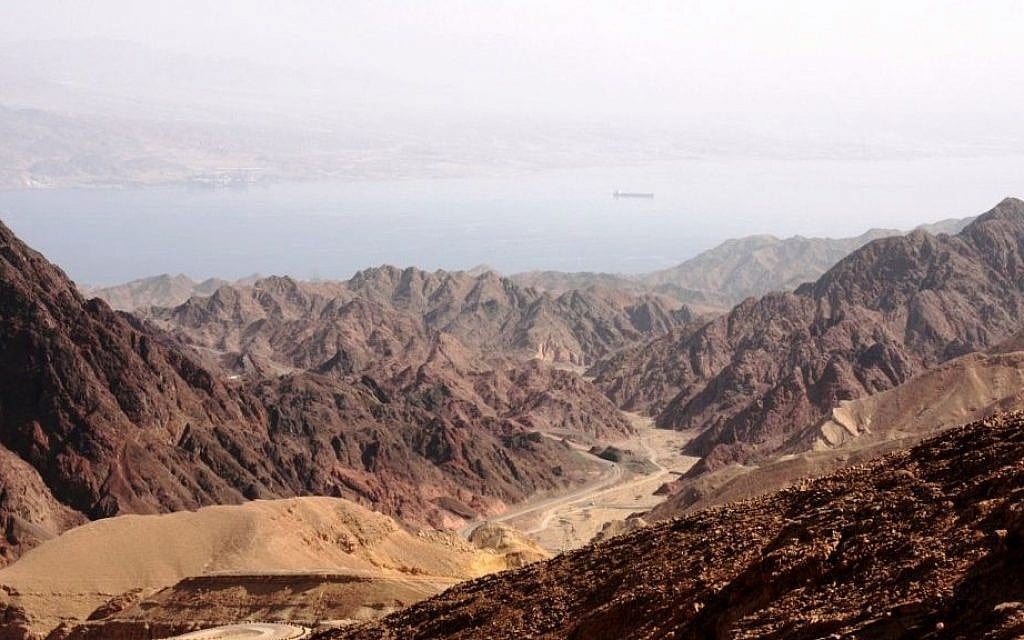
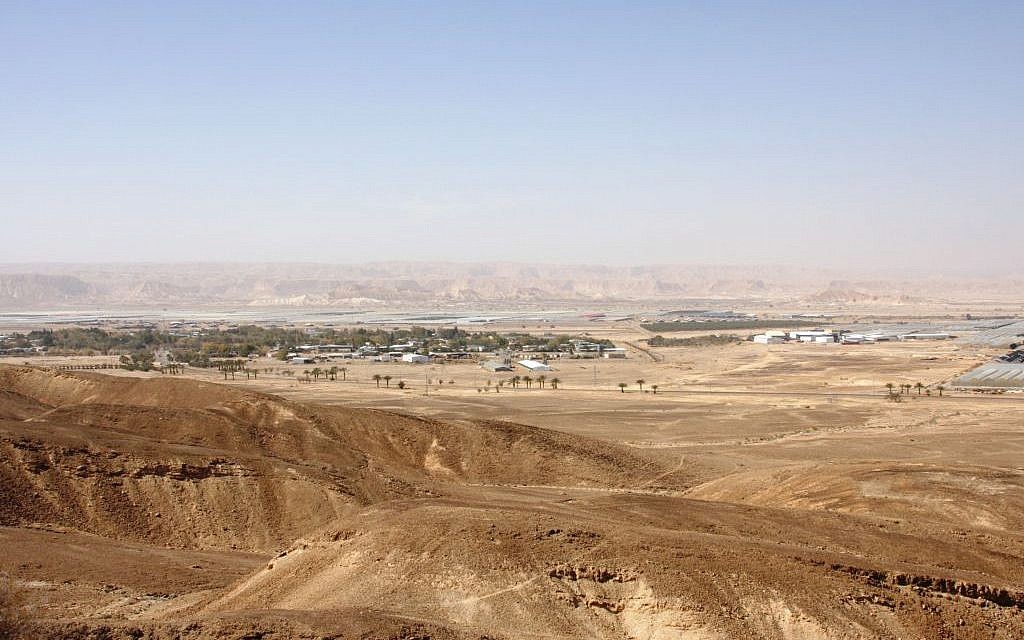
On my first visit to Eilat, in 1964, I was astounded by its beauty. There were stupendously colored mountains, there was a glistening blue sea, and, as far as I can remember, there was absolutely nothing at all on the shore. Sunset in those days, in that place, was almost an unearthly experience.
Today the sand is covered with beach chairs, hotels and restaurants and the lively atmosphere can be a bit overwhelming at times. Besides, while the beach is free, and so are the mountains, there is a fee for Eilat’s other attractions.
Here are some suggestions for things to do and places to go if you are on your way to Eilat or just need a chance of pace while you are there. And none of them costs money.
Paran Overlook
This overlook is a great place to stop and relax if you are driving south to Eilat on Highway 90 (no left turn if you are on your way back).
Developed by the Jewish National fund, it is just under 100 kilometers north of the city, and next to Moshav Paran. Turn right at the signs and ascend the road.
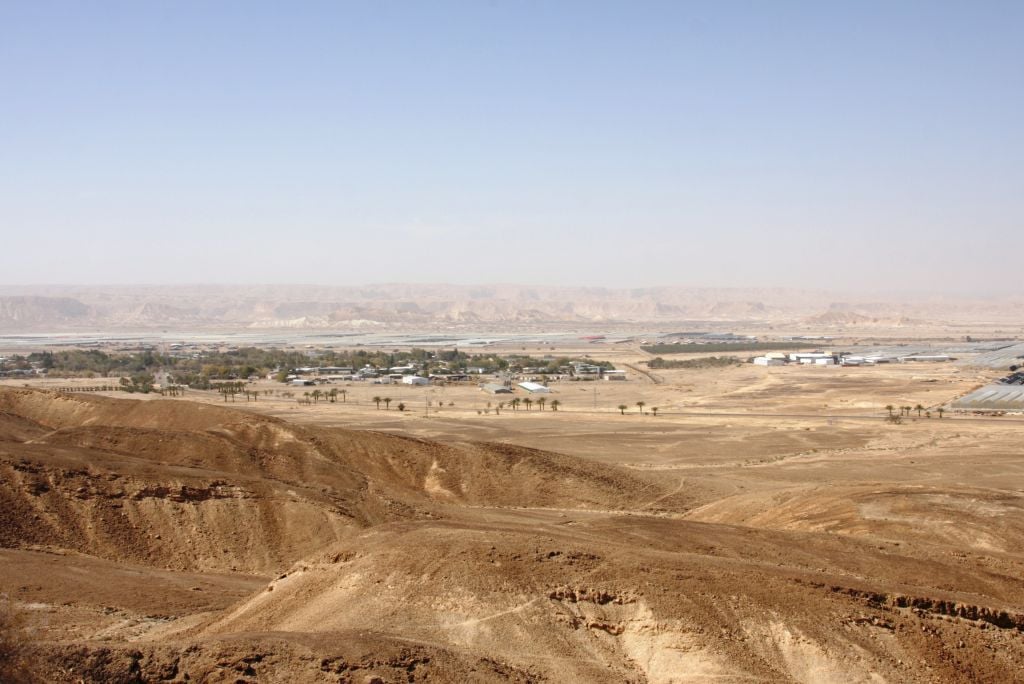
Once there, gaze east to see Jordan’s Mount Harun – 1,336 meters high and standing out slightly from its surroundings. Many people believe that this mountain was Aaron’s final resting place. Look for the white dome that shelters Aaron’s traditional grave.
Below you lies the Paran Riverbed, the longest wadi in Israel’s south, and a reservoir that is beautiful when full – and invisible when empty. If you happen to be on this outing after strong winter rains you may see children from Moshav Paran paddling up and down the river.
Holland Park
Called shvil habriyut (Health Trail), this delightful 2-kilometer circular route was inaugurated in 2006 by the JNF and has become one of the city’s highlights.
Excellent signs (in Hebrew) provide detailed explanations of the desert plants you see in the park, including grey-leaved saucer berry, mesquite, Egyptian palm, and the Sodom Apple Tree.
Take this jaunt early in the morning, when the sun shines on the colorful Eilat Mountains that form the backdrop to your trail.
Holland Park is half a kilometer west of Eilat’s northern entrance, along Sheshet HaYamim Avenue.
Evrona
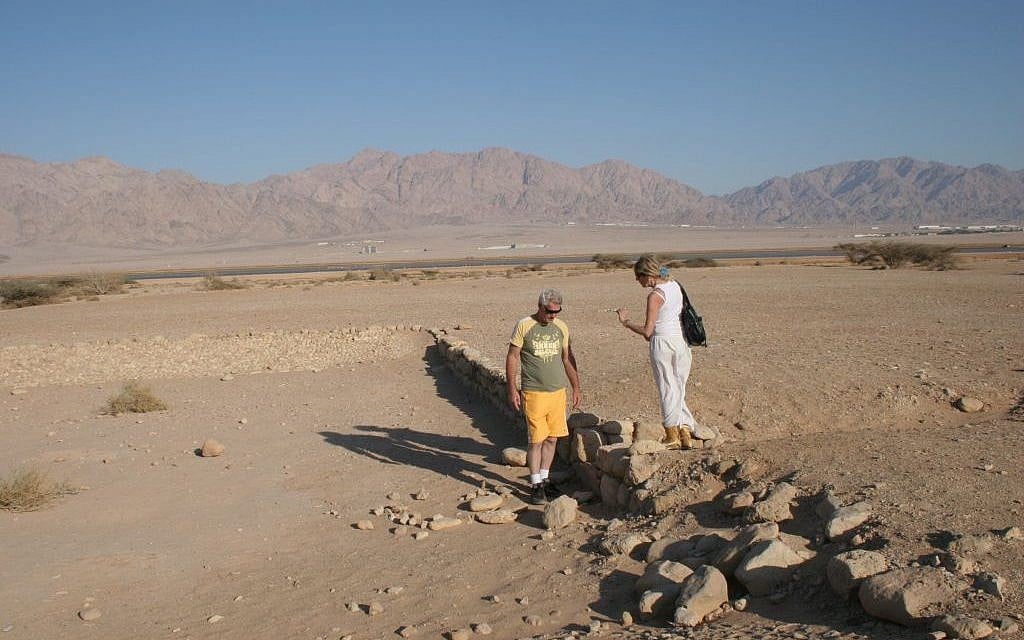
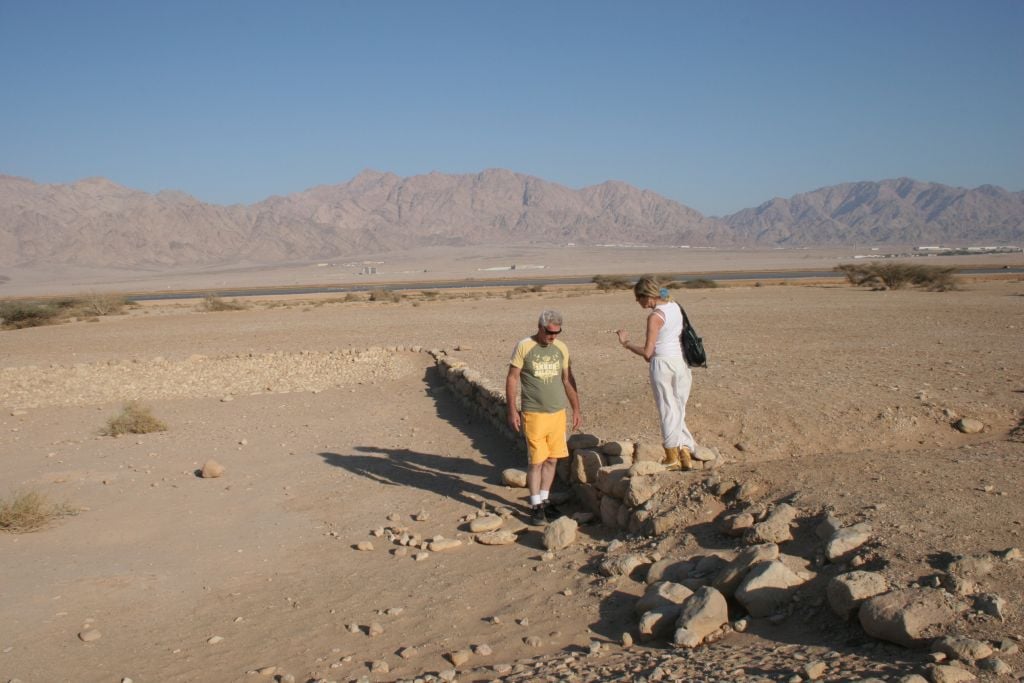
If there were ever an unlikely place for a farm it would be the wastelands of Evrona, located about 12 kilometers north of Eilat. Yet over a thousand years ago, local residents constructed an elaborate underground water system at Evrona and turned it into a veritable paradise.
A recent oil spill on the sands of Evrona could have destroyed it forever. But on a visit a few weeks ago, you could hardly tell it had been damaged. Kudos to the clean-up crews. A parking lot stands next to a shelter with maps and explanations of the site.
Farmers here were probably Muslims who came from the surrounding Arab countries. Full of initiative, they captured runoff water from the Eilat Mountains about 15 kilometers away and transported it inside canals. Imagine this barren desert with peach tree, date palms, plum and almond and pear trees.
The location was excellent, as it was on the route called Darb el Haj – Road of the Celebrants. Although it had been used by traders for millennia, after Islam was established Darb el Haj became the main pilgrimage trail to Mecca. Thousands of travelers from North Africa and Spain passed took the route every year, stopping to buy their provisions in Evrona.
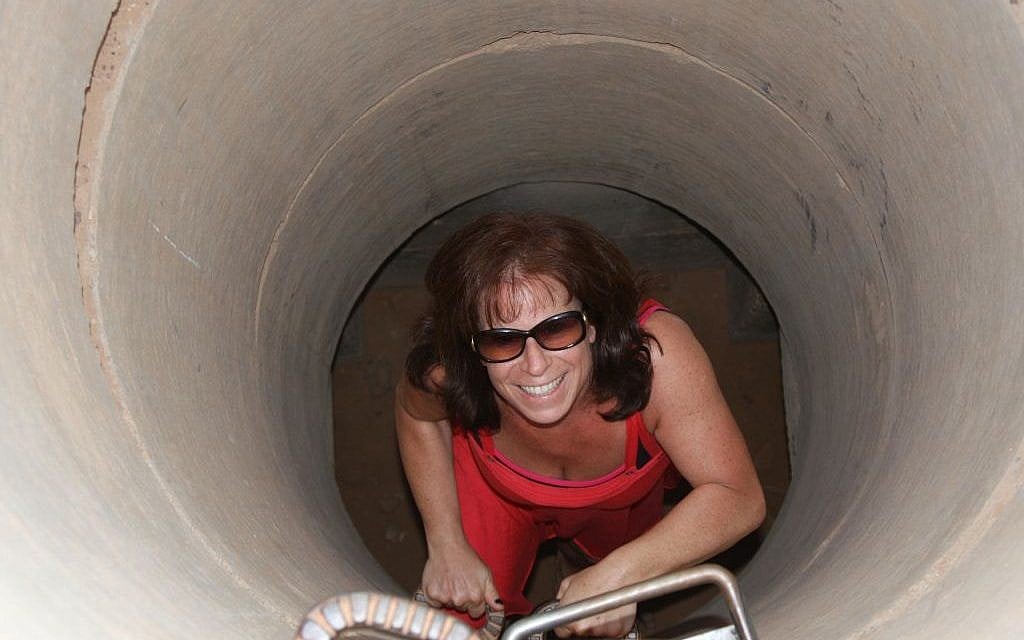
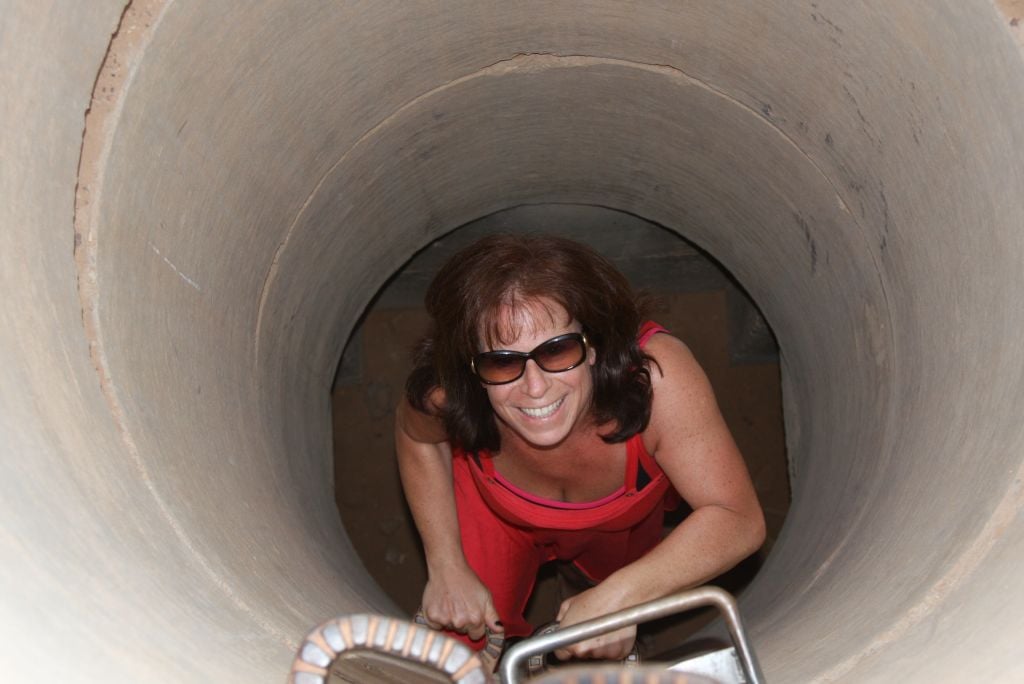
Besides using water from the west, long ago farmers dug into the earth to reach fresh underground water and transported it to the fields. Every 10 meters a vertical shaft was dug so that air could circulate. To reach one such tunnel, follow wooden arrows to the left where yellow railings mark its entrance.
You can descend a ladder down a six-meter shaft, crawl about 20 meters through the tunnel and surface through another shaft. Flashlights help but are not essential. It’s cool down there – a great way to get out of the heat.
A sign points to Evrona a few kilometers north of Eilat. Turn in, and after a few dozen meters the road intersects with an old, narrow byway that, until 1990, was the only road from the Arava to Eilat. Turn left (north), and then follow the signs.
Doum Palms
If you return to the Old Arava Road after visiting Evrona, and turn right, you can stop for a look at some very special trees. Watch for gazelles as you drive, especially early in the morning and in the late afternoon. Then turn right again at a Nature Reserve sign and keep driving until you reach towering doum palms.
Growing together in a clump, with tops that resemble giant slingshots, the doum palms’ green leaves contrast vividly with the desert sands. The palms, which originated in Sudan, don’t grow any further north than Evrona; their presence here for thousands of years indicates that the weather in the past was far different than it is today.
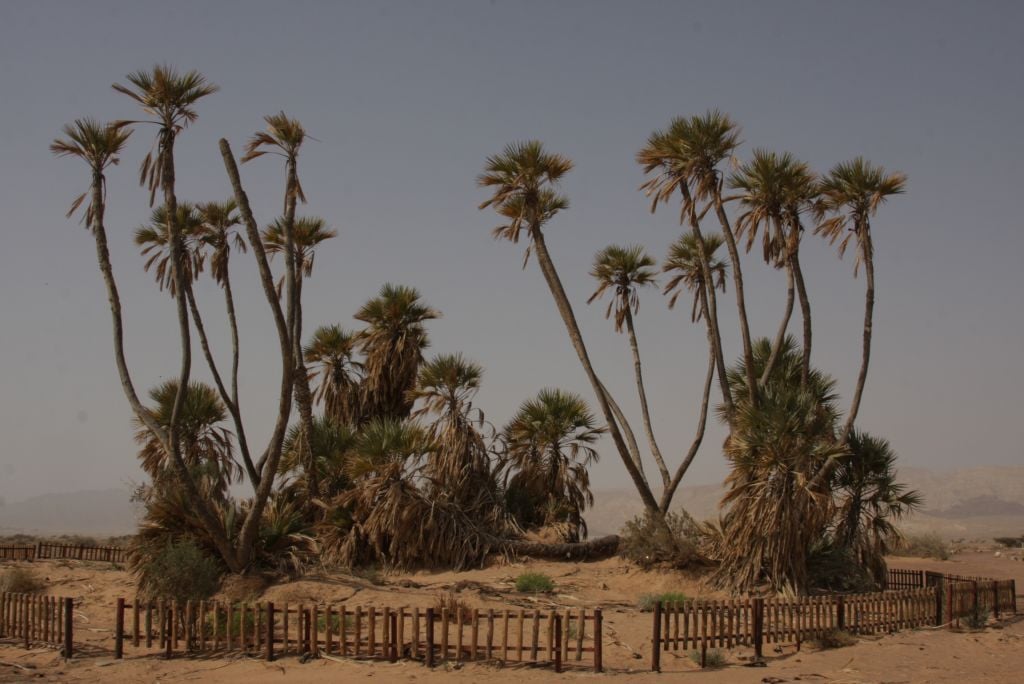
Some years ago, when wells were dug in the area to provide water for Eilat households, the palms’ water sources dried up. Fortunately, they are now being irrigated regularly.
Try to come at just as the sun is setting, for when the Edom Mountains turn red the sight is not only spectacular – but romantic as well.
Note: You might want to take in Evrona and the Palms on your way back up north on Highway 90 as there is currently no left turn (to Eilat) when you leave.
Mount Yoash Overlook
After the Creation, goes the story, the Lord sent His angels to color the land. But as they neared Eilat some of the angels were overcome by fatigue. Hoping to finish the job as quickly as possible, they dumped bucketfuls of paint over the mountains and the sea. The result – some of the most beautiful creations in the world.
For a fabulous view of colored mountains, head for the Mount Yoash Overlook, named for one of the kings of Judea. Follow Road 12 (northwest out of Eilat) until you see the sign for the overlook on the road. Then ascend as far as you can, park, and walk up to the top. A number of observation balconies equipped with illustrations will help you get your bearings.
Enjoy your view of the dark, massive Mount Shlomo Mountain Range on both sides of the highway, the Netafim border checkpost, to the northwest, and to the south, adjacent to the mountain, the cliffs of stunning Nahal Gishron. From here you can also see four countries at once: Israel, Egypt, Jordan and Saudia Arabia.
Mount Yoash was the last obstacle faced by the Israel Defense Forces in 1948, as they moved towards Eilat during the Independence War. Shortly before the Israelis attacked they heard on Jordan’s military communication that the Jordanian army had abandoned its position on Mount Yoash, opening the way to Eilat.
————-
Aviva Bar-Am is the author of seven English-language guides to Israel.
Shmuel Bar-Am is a licensed tour guide who provides private, customized tours in Israel for individuals, families and small groups.








The Times of Israel Community.